12 min read Sewing technique Pattern modification

Pockets in dresses are not a luxury. They are a design feature that the ready-to-wear industry has systematically removed from women's clothing for decades, despite the fact that virtually every woman who has ever worn a dress with real pockets will tell you they changed her relationship with that garment entirely. The dress you can actually use — that holds a phone, a key, a card — is a different category of dress from the one that requires a bag at all times.
When you sew your own dresses, you have the power to fix this. Adding side seam pockets (also called in-seam pockets) to any dress pattern with a side seam is one of the most useful modifications in sewing — and it is considerably simpler than most people expect.
The Central PromiseA well-made in-seam pocket sits entirely inside the dress, with only a small opening visible in the side seam when you reach into it. From the front, back, or side, the dress looks exactly as it would without pockets. The silhouette is not changed, no fabric is added to the outside of the garment, and nothing interrupts the line of the dress. Done correctly, no one will know your pockets are there until you put your hands in them.
When In-Seam Pockets Work — and When They Don't
Works beautifully- A-line dresses — the skirt has ease through the hip and thigh; the pocket bag sits flat without creating bulk
- Wrap dresses — the fabric movement accommodates pockets gracefully
- Relaxed or straight-cut dresses — any dress with ease through the hip
- Skirts — the same technique applies exactly
- Very fitted or bodycon dresses — the pocket bag adds bulk that will show on the outside as a slight distortion
- Very lightweight, sheer fabrics — the pocket bag may be faintly visible in strong light (use pocket bag in the same fabric to minimise this)
For the Fabrico dress patterns — Victoria V-neck, Margaret, Barbara — all of which have an A-line or relaxed silhouette, in-seam pockets work perfectly and are an excellent addition to every version you make.
Add pockets to these patterns
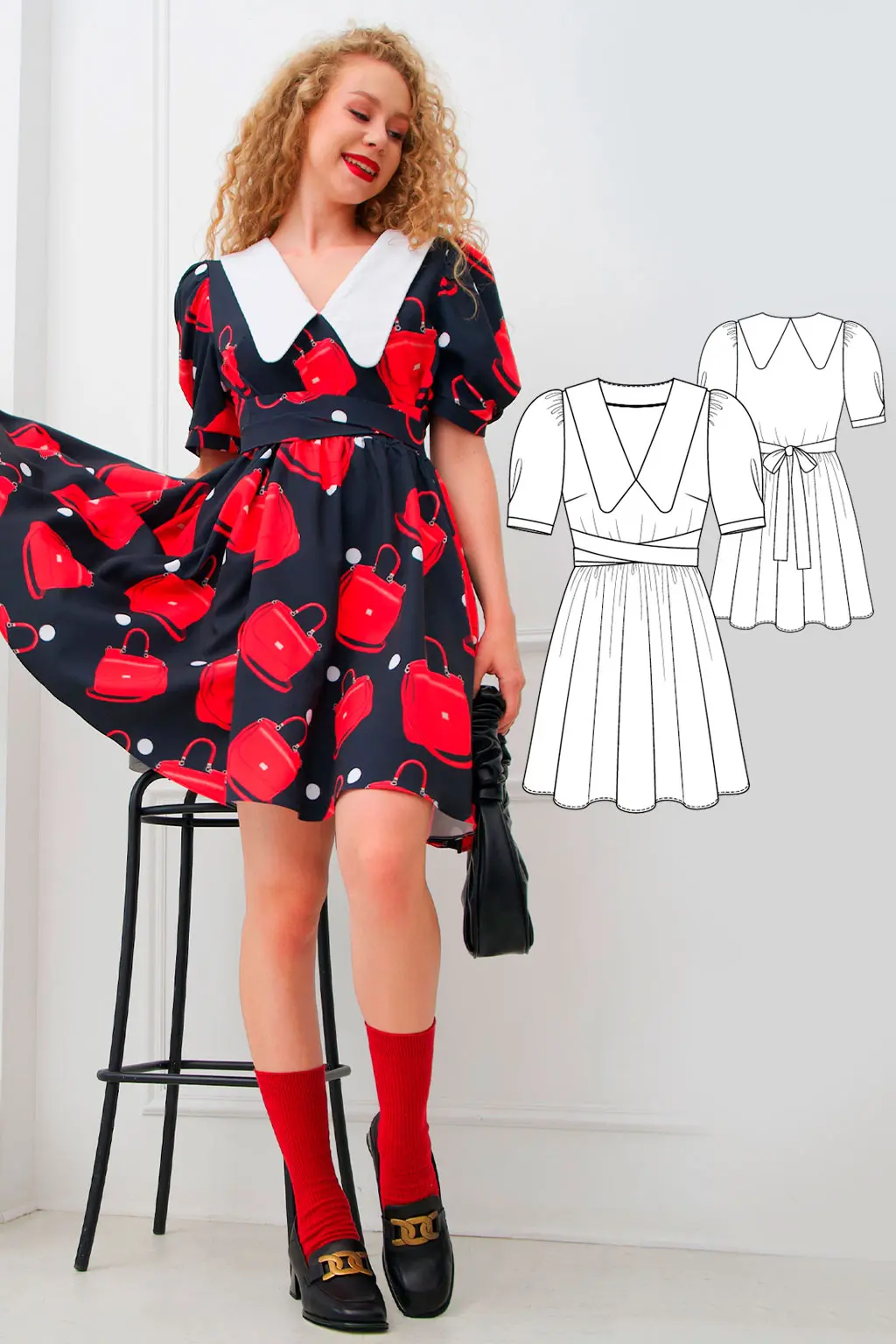 A-line · pockets work perfectly
 Victoria V-neck dress
PDF pattern · Video tutorial
from 3,99 €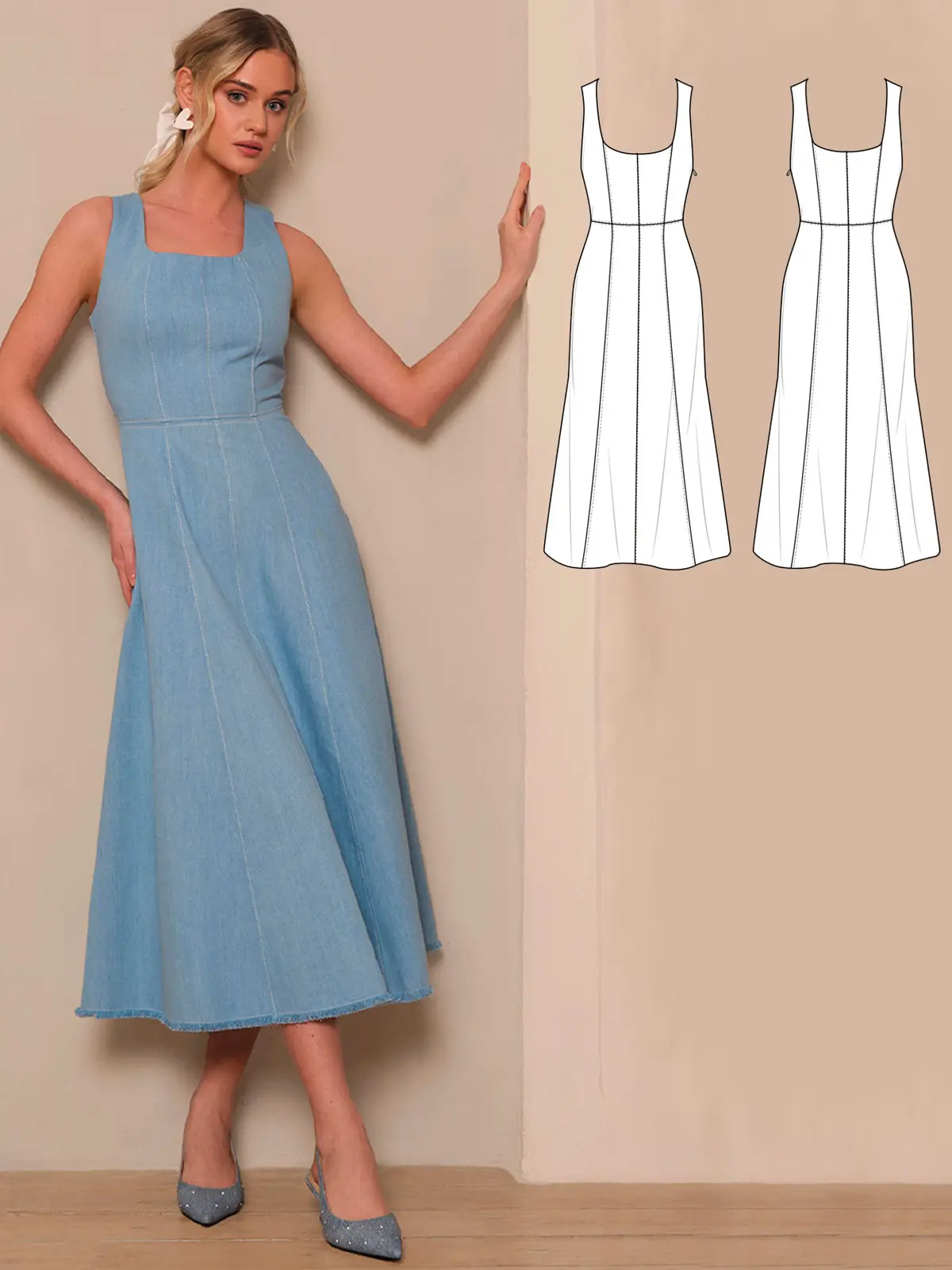 Relaxed fit · ideal for pockets
 Margaret dress
PDF pattern · Video tutorial
from 3,99 €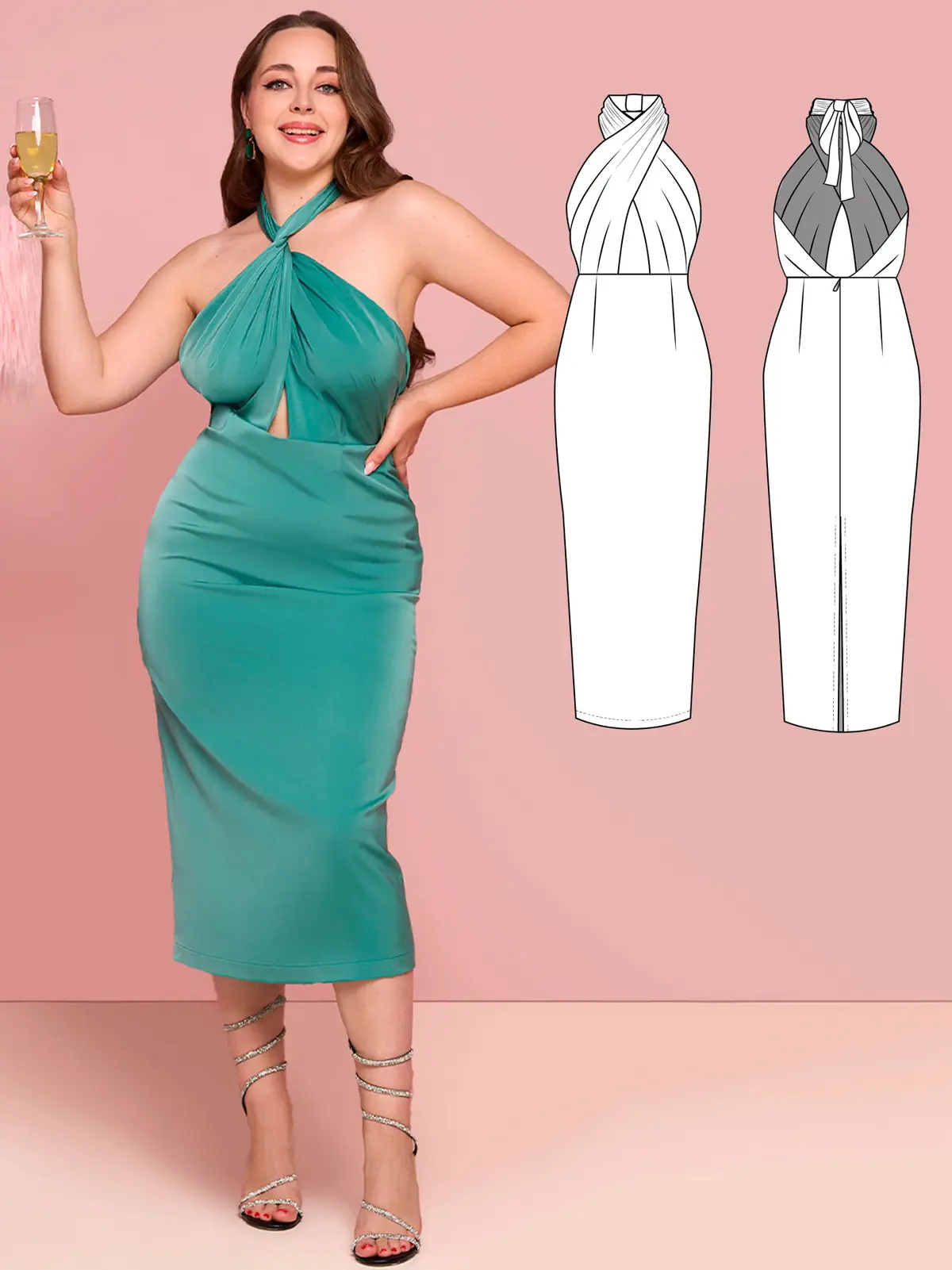 Fuller skirt · invisible pockets
 Barbara party dress
PDF pattern · Video tutorial
from 3,99 €→ Browse all women's patterns
What you needBefore You Start
Pocket fabric. The pocket bag can be made from the same fabric as the dress (most invisible result) or from a lightweight cotton in a matching or neutral colour (lighter, reduces bulk slightly, much cheaper if your main fabric is expensive).
A pocket template. You need a pocket pattern piece in the right shape. Options:
- Trace a pocket from a garment you own — a pair of jeans, any garment where the pocket opening and bag feel right. Lay flat, trace onto pattern paper, add 1.5cm seam allowance all around.
- Download a free template — numerous sewing blogs offer free printable in-seam pocket templates. Search "free in-seam pocket template PDF."
- Draw your own — approximately 16cm high by 14cm at the widest point, with an opening of about 15cm. These dimensions accommodate most adult hands comfortably.
Pocket placement. Standard placement is 3–5cm below the natural waist, measured along the side seam. The most reliable way to find your ideal placement: hold the dress against your body, place your hands where you would naturally reach for a pocket, and mark that point on the side seam.
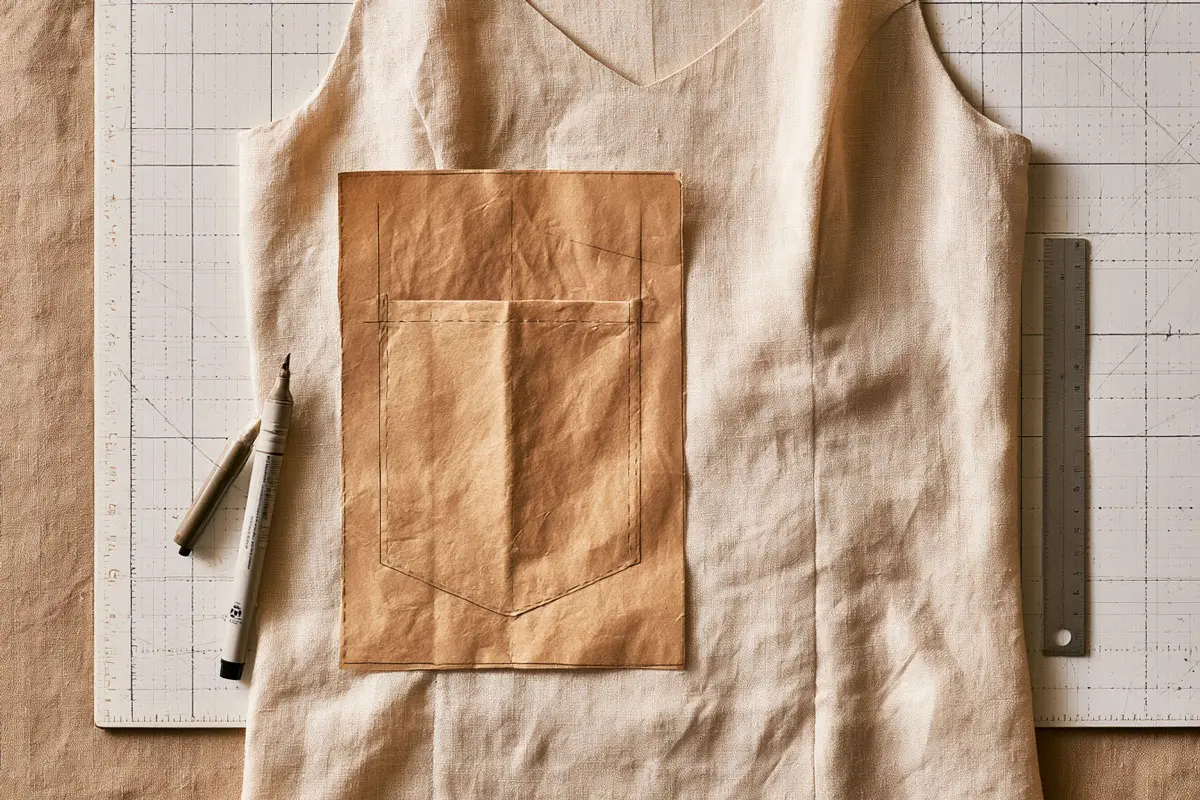
The 7 steps
The Step-by-Step Process
1Cut your pocket pieces
Cut four pocket pieces in total — two for the left side seam and two for the right. Check that the pocket bag will not hang below the hem by laying the pocket piece against your dress panels before cutting.
2Mark the pocket opening on your dress pieces
On the side seam of both the front and back dress panels, mark the top and bottom of the pocket opening with a notch or fabric marker dot. The distance between them should be approximately 15cm. Do this before sewing any side seams.
3Attach pocket pieces to the dress panels
Place one pocket piece right sides together on the dress front panel, aligning the straight edge with the side seam edge and matching the top of the pocket opening mark. Sew using a 1cm seam allowance — narrower than standard. This is one of the most important details: the narrower seam allowance means the pocket bag will roll to the inside rather than peeking out. Repeat for all four pieces.
4Press and understitch — the step most often skipped
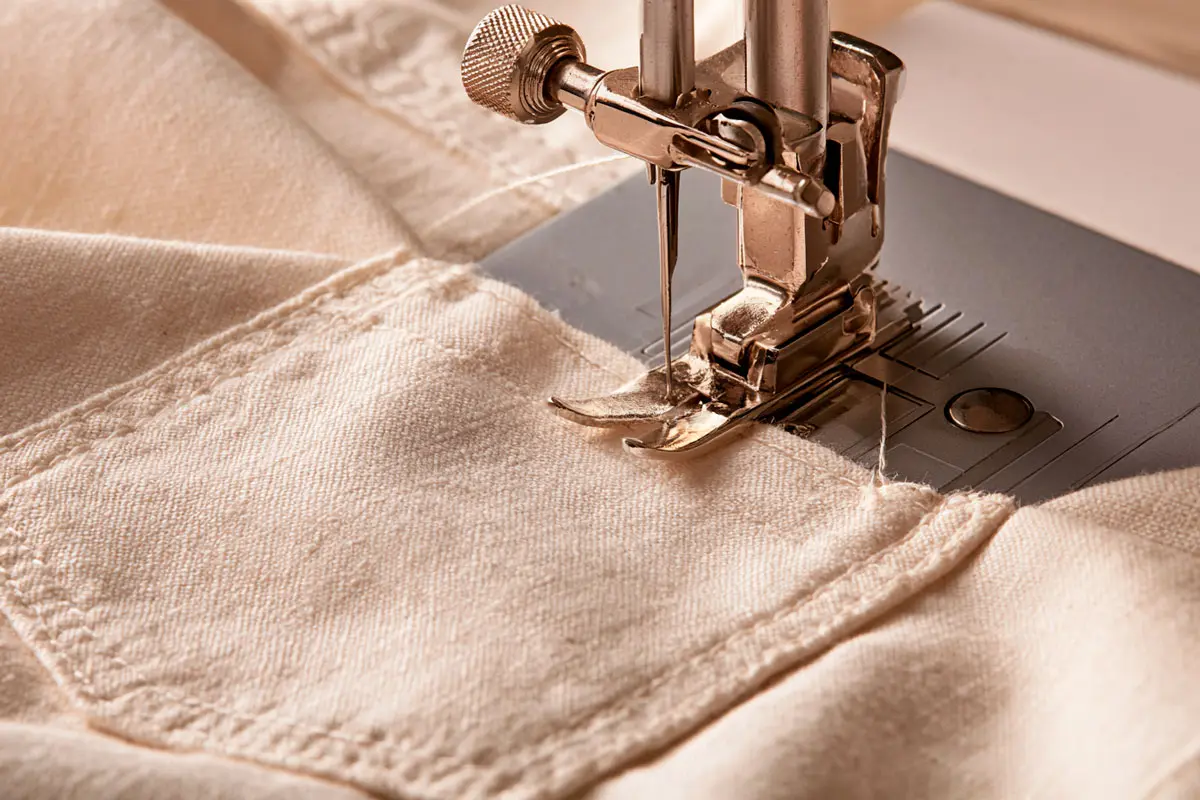
Press the pocket pieces away from the dress panels. Then understitch: sew a line of stitching on the pocket fabric itself, 2–3mm from the seam line, catching the seam allowance underneath. Sew only from the top to the bottom of the pocket opening. This step takes two minutes and makes a significant difference — see the detailed note below.
5Sew the side seams
Sew the side seam from the top to the first pocket opening mark, stopping and backstitching. Skip over the pocket opening. Resume from the bottom mark, continuing to the hem. Now sew around the curved pocket bag edge, connecting the front and back pocket pieces to form the enclosed pocket bag.
6Reinforce the pocket opening
At the top and bottom of the pocket opening — the two points where the side seam stitching stops and starts — sew a small bar tack or a short line of backstitching. These are the stress points most likely to tear with use. This takes less than a minute.
7Press the finished pocket
Press the side seam open or to the front. Press the pocket bag toward the front panel of the dress. From the outside, the side seam should appear clean and uninterrupted except for the small opening where the pocket sits. Try on the dress. Put your hands in the pockets.
Understitching: The Step That Makes the Difference
Understitching deserves particular emphasis because it is the step most often skipped by beginner sewists, and its absence is the most common cause of pockets that look slightly untidy from the outside.
How to understitch correctlyAfter pressing the pocket piece away from the dress panel, sew a line of straight stitching on the pocket fabric itself, 2–3mm from the seam line, catching the seam allowance underneath. Sew only from the top to the bottom of the pocket opening — you do not need to understitch the entire pocket edge. The result is that the pocket edge is anchored to the inside of the dress. When you wear the dress, the pocket cannot roll outward, and the side seam remains clean and flat.
Without understitching, the pocket edge tends to creep toward the outside of the dress, especially after washing. With it, the pocket sits flat inside the dress permanently.
Adding Pockets to a Finished Dress
The instructions above are for adding pockets during construction — before the side seams are sewn. But you can also add in-seam pockets to a dress you have already finished, by carefully unpicking the side seam in the pocket area.
To do this: unpick the side seam stitching between the pocket opening marks (and a little beyond each mark, to give yourself working room). Attach the pocket pieces to the front and back panels as described. Re-sew the side seam, skipping the pocket opening. Sew the pocket bag. Press.
This works on handmade dresses and on bought dresses, provided the side seam has enough seam allowance to attach the pocket pieces (at least 1cm).
A note on pocket size The standard template dimensions (approximately 16cm high, 14cm wide) produce a pocket that is useful for a phone, keys, and a card — genuinely functional rather than decorative. If you want deeper pockets, increase the height. If you want pockets that are wider at the base, adjust the curve of the bag accordingly. The one constraint is that the pocket bag must not hang below the hem — always check against your dress panels before cutting.
Make pockets a standard habit Every Fabrico dress pattern with a side seam — the Victoria V-neck, the Margaret, the Barbara — can have in-seam pockets added using the technique described above. Make pockets a standard part of every dress you sew. The ten minutes it adds to the construction time are returned many times over in the usefulness of the finished garment.
Frequently Asked Questions
Will adding pockets change the silhouette of my dress?
No — this is specifically why in-seam pockets are the right choice for dress patterns. A well-made in-seam pocket sits entirely inside the dress, with only a small opening visible in the side seam. From the front, back, or side, the dress looks exactly as it would without pockets. The understitching step (Step 4) is what ensures the pocket stays flat inside the dress and never rolls to the outside.
What fabric should I use for the pocket bag?
The pocket bag can be made from the same fabric as the dress (most invisible result, especially in sheer fabrics) or from a lightweight cotton in a matching or neutral colour (lighter, reduces bulk slightly, much cheaper if your main fabric is expensive). Avoid a pocket bag in a very contrasting colour that might be faintly visible through a sheer fabric.
How do I find the right pocket placement?
Standard pocket placement is 3–5cm below the natural waist, measured along the side seam. The most reliable way to find your ideal placement: hold the dress against your body, place your hands where you would naturally reach for a pocket, and mark that point on the side seam. This point becomes the top of the pocket opening.
Why is the seam allowance narrower for the pocket attachment?
A 1cm seam allowance (rather than the standard 1.5cm) for attaching the pocket to the dress panels means the pocket bag will roll to the inside of the dress when the dress seams are sewn. With a standard 1.5cm allowance, the pocket has a tendency to peek out at the side seam. The narrower allowance on just this one seam is one of the most important details in pocket construction.
Can I add pockets to a dress I've already finished?
Yes — carefully unpick the side seam stitching between the pocket opening marks (and a little beyond each mark, for working room). Attach the pocket pieces to the front and back panels as described. Re-sew the side seam, skipping the pocket opening. Sew the pocket bag. Press. This works on handmade dresses and on bought dresses, provided the side seam has at least 1cm of seam allowance.
Keep reading
 Sewing guide
 How to Sew Your First Summer Dress
The complete guide to your first dress project — add pockets and it becomes even better.
Read more Sewing essentials
 Press to Impress
Good pressing is what makes pocket seams sit flat — the technique explained in full.
Read more Sewing essentials
 How to Pre-Wash Your Fabric Before Sewing
Pre-wash the pocket fabric separately — especially if it's a different fabric from the dress.
Read more Sewing guide
 What Makes a Good Party Dress Pattern
How to choose a pattern that's worth the construction investment — including pocket-friendliness.
Read more Fabric guide
 The Best Fabrics for Hot Weather
Choosing the right fabric for the dress also determines how the pocket behaves — especially in sheer fabrics.
Read more Fabric guide
 How to Choose Fabric Weight for Your Pattern
Fabric weight affects how the pocket bag sits inside the dress — a lighter pocket bag reduces bulk.
Read more