10 min read Fabric guide Summer dressing
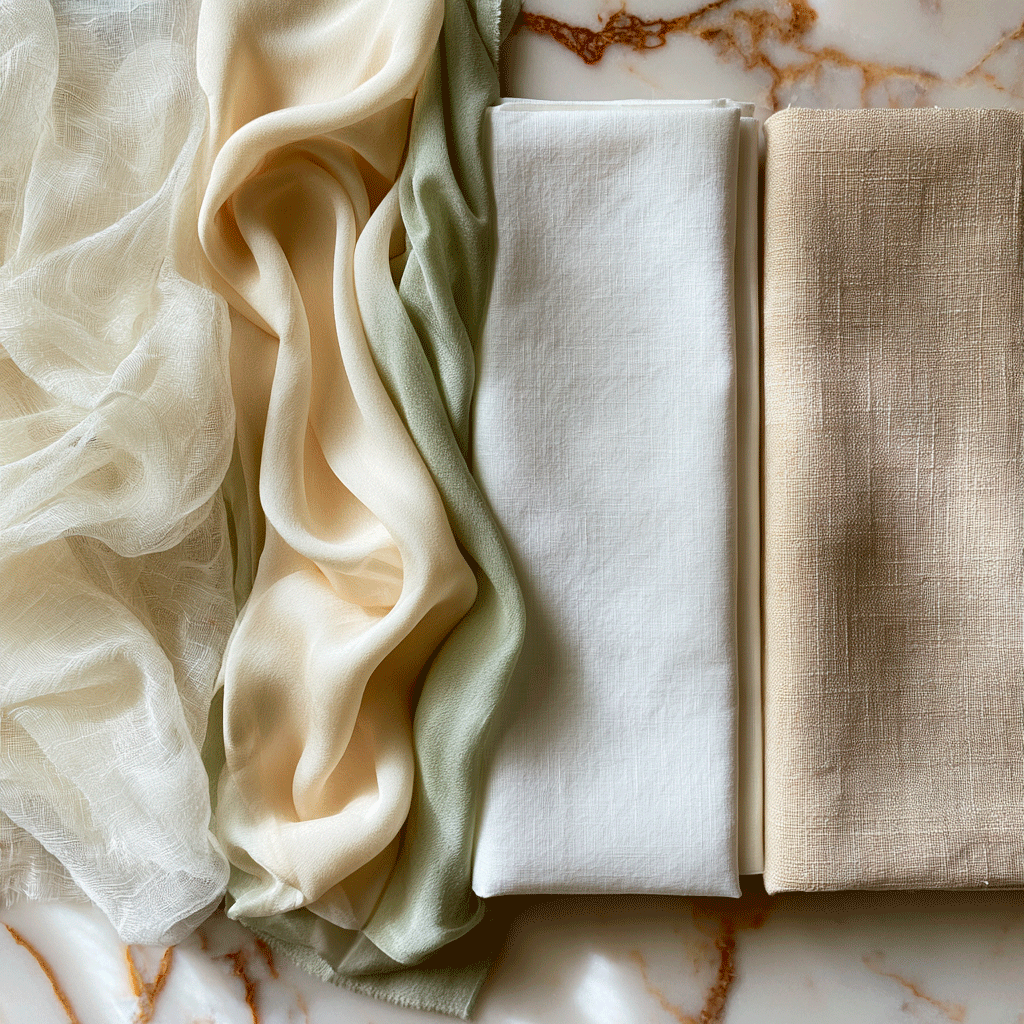
There is a difference between a fabric that looks summery and a fabric that feels summery — and for anyone sewing their own clothes, understanding that difference is what separates a beautiful garment you wear constantly from a beautiful garment you make once and then discover is uncomfortable above 25°C.
This guide is written specifically for home sewists — the people who choose their own fabric at the source rather than discovering what it feels like only after the garment is finished. You have an advantage that shop-bought clothing buyers don't: you can hold the fabric against your skin before you cut it, check how it drapes, feel how heavy it is, and make an informed choice about whether it will serve you in the heat. This guide will help you make that choice well.
The Quick TakeLinen is the coolest fabric available — hollow fibres mean maximum airflow. Cotton (especially voile, lawn, seersucker) is the most versatile and easiest to sew. Viscose drapes most beautifully and feels cool against the skin. Linen-cotton blends are the best compromise — breathable like linen, easy like cotton. Avoid polyester, synthetic satin, heavy denim, and acrylic — they trap heat in genuinely hot conditions.
Why Some Fabrics Are Cooler Than Others
Before the fabric recommendations, it helps to understand what makes a fabric cool or uncomfortable in heat. Three factors matter most.
1Breathability
The ability of air to move through the fabric, allowing body heat to dissipate rather than build up against the skin. Open weaves and natural fibres with hollow internal structures allow more airflow than dense, tight ones.
2Moisture management
What the fabric does with perspiration. Fabrics that absorb moisture and let it evaporate (cotton, linen, viscose) feel cooler — the evaporation itself draws heat away. Fabrics that trap moisture against the skin feel sticky and warm.
3Weight
A lighter fabric creates less thermal insulation and allows more airflow. Weight alone doesn't determine breathability — heavy linen can be more breathable than light polyester — but for summer dresses, lighter weights are generally preferable.
Linen
The Undisputed Summer Champion
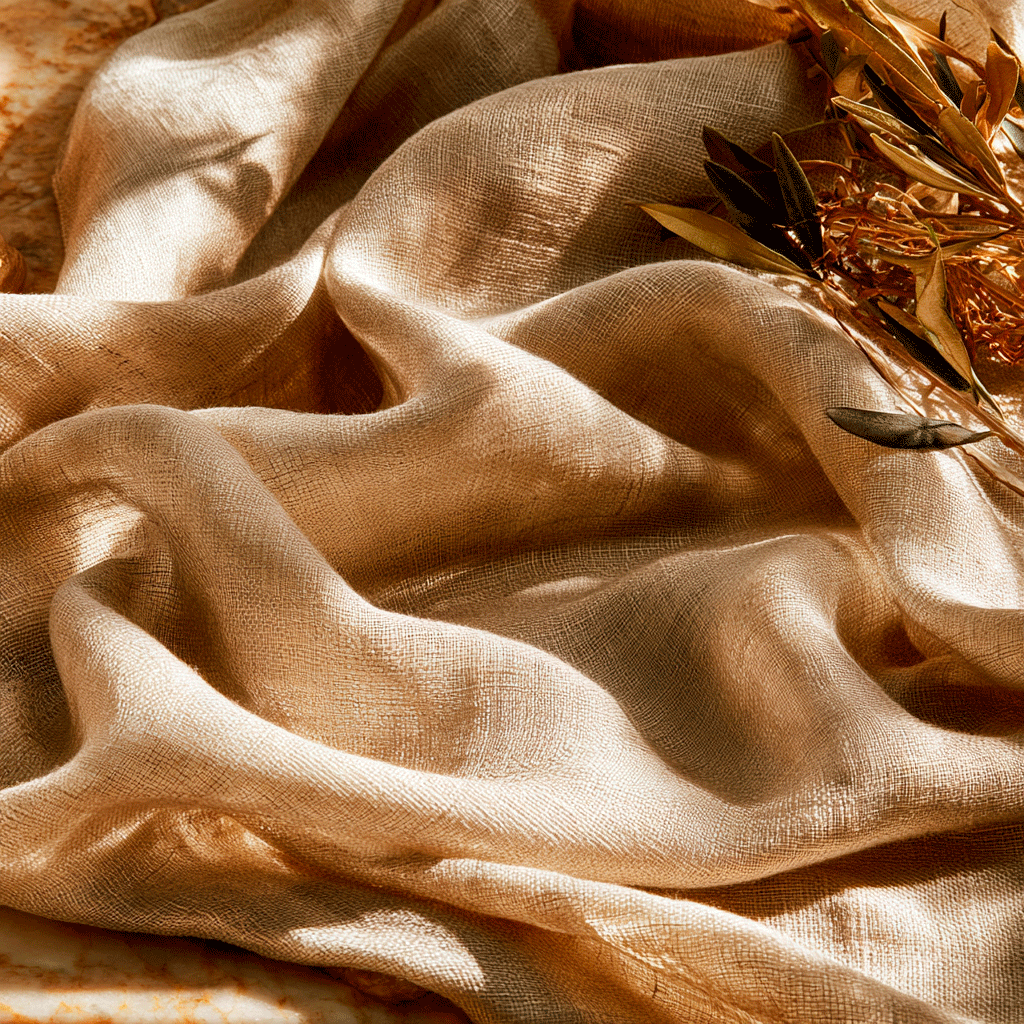
Linen is widely considered the coolest fabric for hot weather due to its unique weave that allows maximum airflow and heat dissipation. The natural flaxen fibres are hollow, which allows linen to provide more airflow over the body than almost any other material. It also absorbs moisture rapidly — more than cotton by weight — and dries very quickly, which means that in the heat, it doesn't stay damp against the skin.
For sewists, linen has the additional virtue of being genuinely pleasant to work with. It cuts cleanly, presses beautifully, and produces flat, professional seams without advanced technique. It doesn't fray aggressively. It's stable on the table and doesn't slip as viscose does.
The hollow fibre structure that makes linen breathable is the same structure that makes it wrinkle — these aren't competing qualities, they're the same quality.
The wrinkle question
Linen wrinkles. This is a structural consequence of the same fibre characteristics that make it breathable — and it's a feature, not a flaw. Linen's natural wrinkling softens with washing and gives the fabric its characteristic effortless quality. If wrinkling is a genuine concern for a specific garment (a structured bodice, for example), look for a linen-cotton or linen-viscose blend, which retains most of linen's breathability while reducing the tendency to crease.
What to look for in the shop Feel the fabric against the inside of your wrist, which is more sensitive than your palm. Linen should feel slightly cool to the touch. A fabric that doesn't feel at least marginally cool is either very heavy linen or a synthetic blend marketed as linen.
Weight considerations for dresses
- Lightweight linen (120–160 gsm) — ideal for summer dresses. Enough body to hold a clean silhouette without being heavy.
- Very lightweight linen (under 100 gsm) — may be slightly sheer and benefit from a lining.
- Heavier linen (over 180 gsm) — better suited for jackets and structured garments than for summer dresses.
Best Fabrico patterns for linen The Victoria V-neck dress, the Margaret dress, and the Verona jumpsuit all work beautifully in linen.
Cotton
Reliable, Versatile, and Always Available
Cotton is the most widely used fabric in summer clothing globally — comfortable, affordable, washable, available in every colour and print, and genuinely breathable in its standard woven form. Cotton can absorb approximately 8 to 10 percent of its own weight in moisture, drawing sweat away from the skin and releasing it on the surface for evaporation.
Cotton's versatility is also relevant for sewists — it's the most beginner-friendly fabric category, cutting and sewing with less slippage, fraying, or unpredictability than viscose or silk.
Within the broad category of cotton, several specific types are particularly well-suited to summer dresses:
Sheer & airyCotton voile
A sheer, very lightweight plain-weave cotton with a crisp hand. Exceptionally breathable — requires lining for opacity but produces extraordinarily beautiful summer dresses. The translucency is the same quality that makes it cool.
Soft & fineCotton lawn
A lightweight, fine-weave cotton with a smoother, softer surface than voile. Less sheer but still very lightweight. Excellent for smocked, gathered, and embroidered summer dresses.
Anti-clingSeersucker
A puckered cotton whose surface texture creates natural air channels between fabric and skin. Stays away from the body even when you perspire. No ironing required — its wrinkles are structural.
CasualChambray
A lightweight cotton woven with a coloured warp and white weft — the visual appearance of denim at a fraction of the weight. Relaxed, casual, and elegantly practical for summer dresses.
StructuredPoplin
A smooth, tightly woven cotton with a slight sheen. More formal than chambray and more opaque than voile. Makes excellent structured summer bodices and shirt-dress styles.
Viscose
The Fluid Fabric
Viscose — sold under several names including rayon, viscose, or, in its finer form, modal — occupies a category between natural and synthetic. It's made from cellulose derived from wood pulp, processed into fibres. The result is a fabric that drapes with extraordinary fluidity, feels cool against the skin, and handles heat well.
Viscose isn't as breathable as linen in terms of raw airflow, but it manages heat effectively through its surface-contact properties: it's light, it drapes away from the body rather than clinging, and it wicks moisture with reasonable efficiency. The result in practice is a fabric that feels significantly cooler than it looks.
Sewing viscose — three key techniques Viscose has a specific reputation — slippery on the cutting table, frays more than cotton, can stretch on the bias. All navigable with three habits: cut on a single layer rather than folded; pin close together along the seam allowance before cutting; sew with a slightly shorter stitch length than you'd use for cotton.
The reward for navigating viscose's quirks is a fabric that produces the most beautiful summer dresses of any category — flowy, light, beautifully printed, and genuinely comfortable to wear in heat.
Viscose in Fabrico patterns Viscose works particularly well in the Verona jumpsuit, the Margaret dress, and the Victoria V-neck dress.
Cotton-Linen Blend
The Compromise That Works
Linen-cotton blends (typically 50–55% linen, 45–50% cotton) combine the breathability and texture of linen with the softness and reduced-wrinkling of cotton. They're also slightly more affordable than pure linen and easier to find in a wider range of colours and prints.
For a beginner sewist who wants the visual and thermal properties of linen without the occasional stiffness of pure linen on the first wear, a linen-cotton blend is an excellent starting point. It sews almost identically to cotton, presses well, and produces a garment that will be both beautiful and genuinely comfortable in the heat.
Fabrics to avoid
What Doesn't Work in Real Heat
Four fabrics to approach more carefullyPolyester
Made from plastic fibres — doesn't breathe in the way natural fibres do. Standard woven polyester traps heat and moisture against the skin. Genuinely uncomfortable in sustained heat. Avoid for outdoor summer wear.
Synthetic satin and taffeta
Beautiful surface, but the synthetic versions are warm and non-breathable. For a summer occasion dress in a hot climate, silk satin or a silk-blend satin is considerably more comfortable.
Heavy denim
Denim is technically cotton and therefore breathable, but the weight and tight weave make standard denim thermally heavy for sustained outdoor wear above 25°C. Lightweight denim and chambray are both comfortable summer alternatives.
Acrylic
A synthetic fibre that mimics wool at lower cost. Warm in cool weather, significantly uncomfortable in heat. Not a summer fabric.
A Quick Reference: Choosing in the Shop
When you're standing in the fabric shop and trying to decide, run through this quick assessment:
Five checks before you buy- Touch test: Hold the fabric against the inside of your wrist. Cool or neutral? Good for summer. Warm or static-feeling? Likely synthetic, less suitable for heat.
- Drape test: Hold a length loosely and let it fall. Soft and flowing? (Viscose, fine cotton, lightweight linen — good.) Stiff and rigid? May be too structured for a summer dress.
- Weight test: Light enough to hold up easily with one hand without the length pulling significantly? For a summer dress, you want a fabric that feels light in the hand.
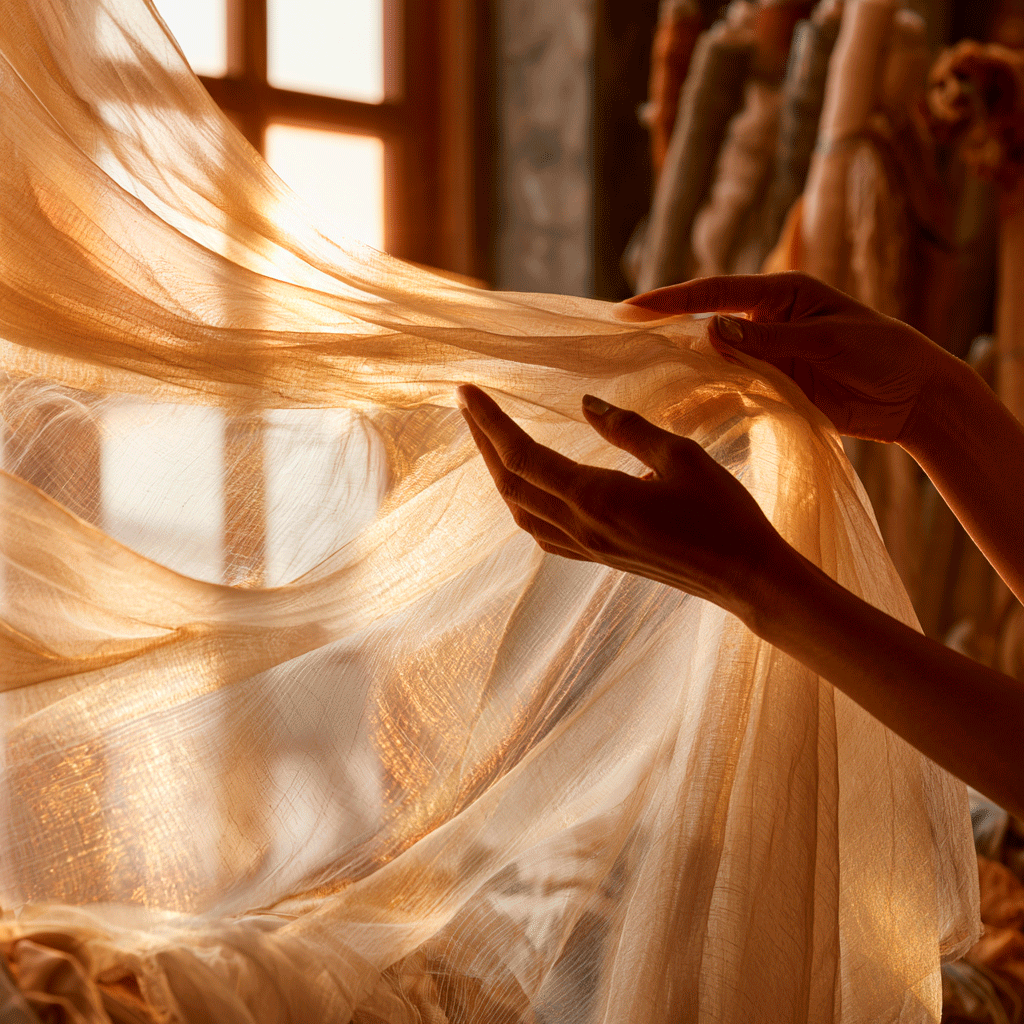
- Light test: Hold up to a window. Can you see your hand clearly? (May need lining.) Outline visible but not clear? (Ideal for most summer dresses.) Completely opaque? Slightly warmer but perfectly usable.
- Care label: Prioritise natural fibres (cotton, linen) and semi-natural fibres (viscose, rayon, modal) — the ones genuinely suited to hot-weather comfort.
A Note on Fabric Weight for Beginners
One of the most common mistakes beginners make when buying fabric for a summer dress is choosing a fabric that feels lovely in the shop but is significantly heavier than what the pattern recommends. A dress that requires 130 gsm cotton voile will feel very different made in 200 gsm cotton twill.
The pattern's fabric recommendations are there for a reason: they reflect the weight and drape that the pattern was designed for. If you're buying fabric for a specific Fabrico pattern, the pattern will specify the recommended fabric types and weight range. Follow this guidance — particularly for your first make of any pattern — and you'll produce a garment that behaves as the design intended.
At Fabrico Every Fabrico summer dress pattern has been designed to work in the breathable, lightweight natural fabrics that produce the most comfortable warm-weather garments. Linen, cotton, viscose, and linen-cotton blends all work beautifully in these silhouettes. Each pattern includes a complete video tutorial with specific guidance for the recommended fabrics.
Frequently Asked Questions
What is the coolest fabric to wear in hot weather?
Linen is widely considered the coolest fabric for hot weather. The flax fibres are hollow, which allows maximum airflow between the fabric and the body. Linen also absorbs moisture rapidly and dries quickly, keeping it from staying damp against the skin. Cotton, viscose, and linen-cotton blends are also excellent choices.
Is cotton or linen better for hot weather?
Linen is technically cooler — it has a more breathable fibre structure and absorbs more moisture by weight than cotton. But cotton is more versatile, affordable, easier to find in prints and colours, and easier to sew. For genuine outdoor heat above 28°C, linen is the better choice. For most everyday summer wear, lightweight cotton (voile, lawn, seersucker) is comfortable, beautiful, and considerably easier to work with.
Is viscose good for summer?
Yes — viscose is one of the best summer fabrics for fluid, drapey summer dresses. It feels cool against the skin, drapes beautifully without clinging, and wicks moisture efficiently. It is not as breathable as linen in raw airflow terms, but its surface-contact properties make it feel significantly cooler than it looks.
What is seersucker fabric?
Seersucker is a puckered cotton fabric whose surface texture creates natural air channels between the fabric and the skin. It stays away from the body even when you perspire, requires no ironing since its wrinkles are structural, and is one of the most comfortable summer fabrics available.
Is polyester hot in summer?
Yes — standard fashion polyester is genuinely uncomfortable in sustained heat. It does not breathe in the way natural fibres do and traps both heat and moisture against the skin. Performance polyester engineered for activewear behaves differently, but standard fashion polyester is one of the worst choices for summer dresses.
What is the best fabric weight for a summer dress?
For most summer dresses, look for fabrics in the 100-160 gsm range in a natural fibre. Cotton voile at 80-100 gsm is excellent but may need lining. Linen at 120-160 gsm is ideal. Anything heavier than 200 gsm will feel thermally heavy for outdoor wear in genuine heat.
How do I test fabric for summer suitability in the shop?
Run four quick tests: touch (hold against your wrist — should feel cool or neutral); drape (let a length fall — should flow softly); weight (should feel light in the hand); light (hold up to a window to check opacity). Natural and semi-natural fibres are the ones to prioritise for genuine hot-weather comfort.
Sew something cool this summer
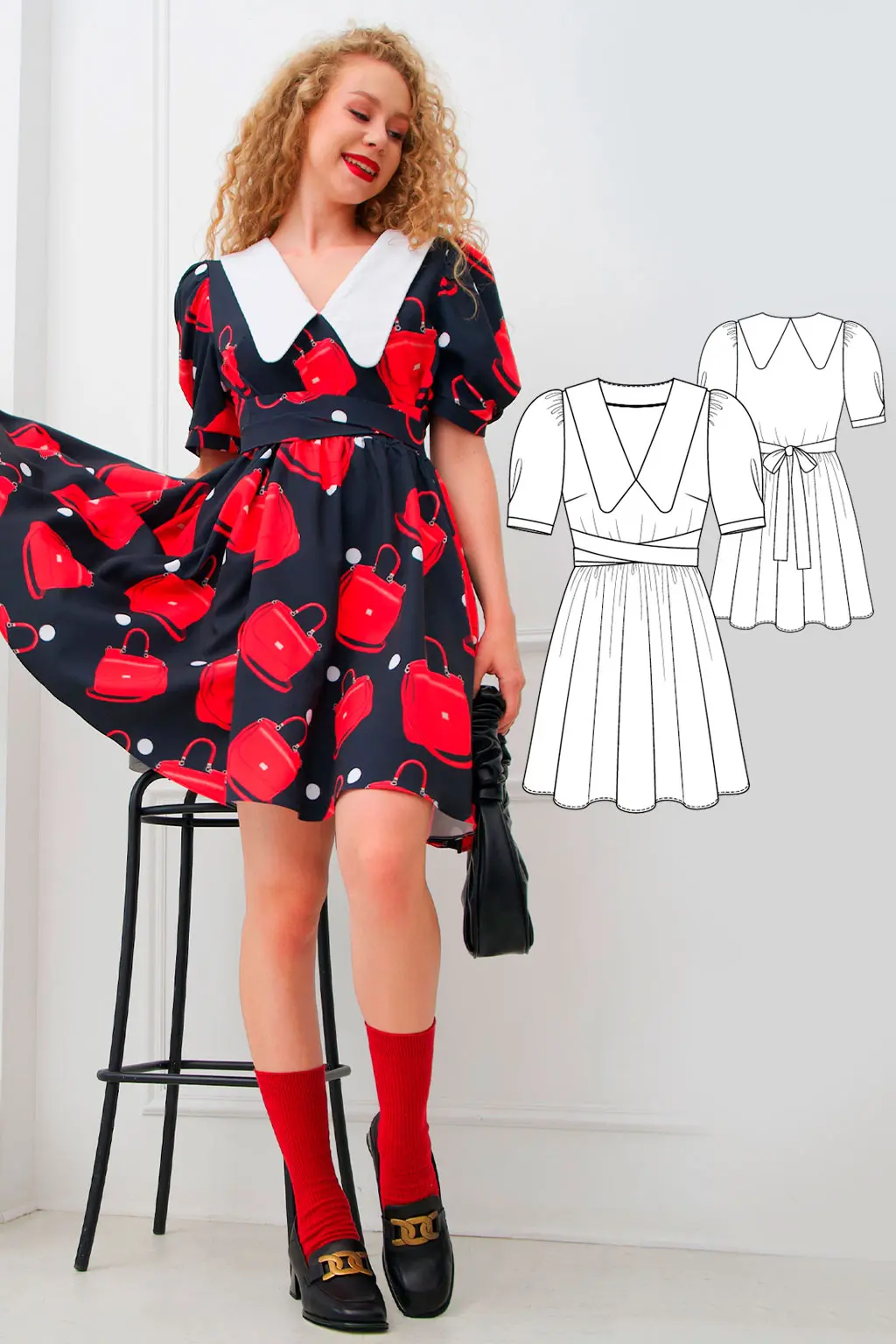 Linen · cotton · viscose
 Victoria V-neck dress
PDF pattern · Video tutorial
from 3,99 €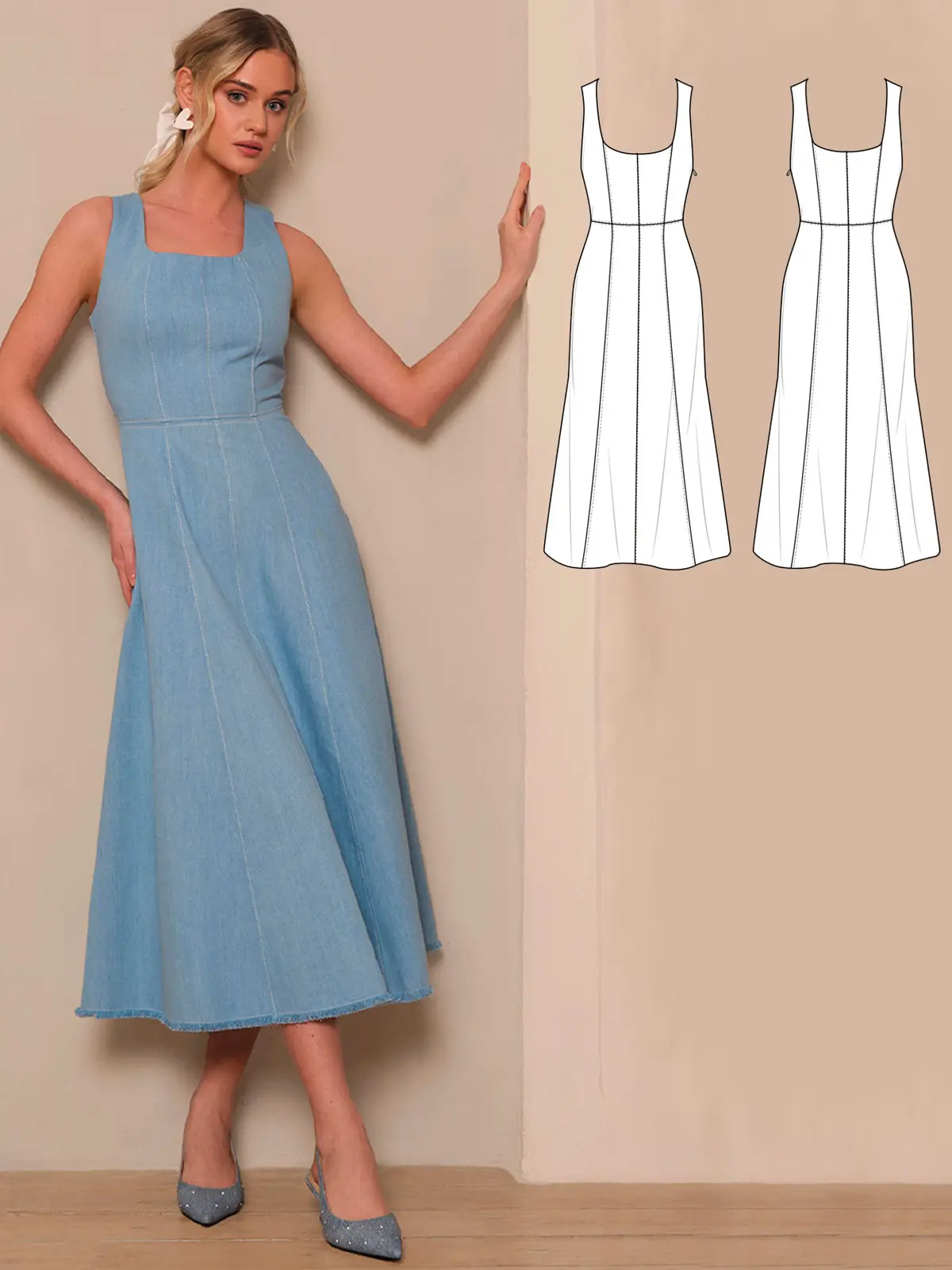 Linen · viscose
 Margaret dress
PDF pattern · Video tutorial
from 3,99 €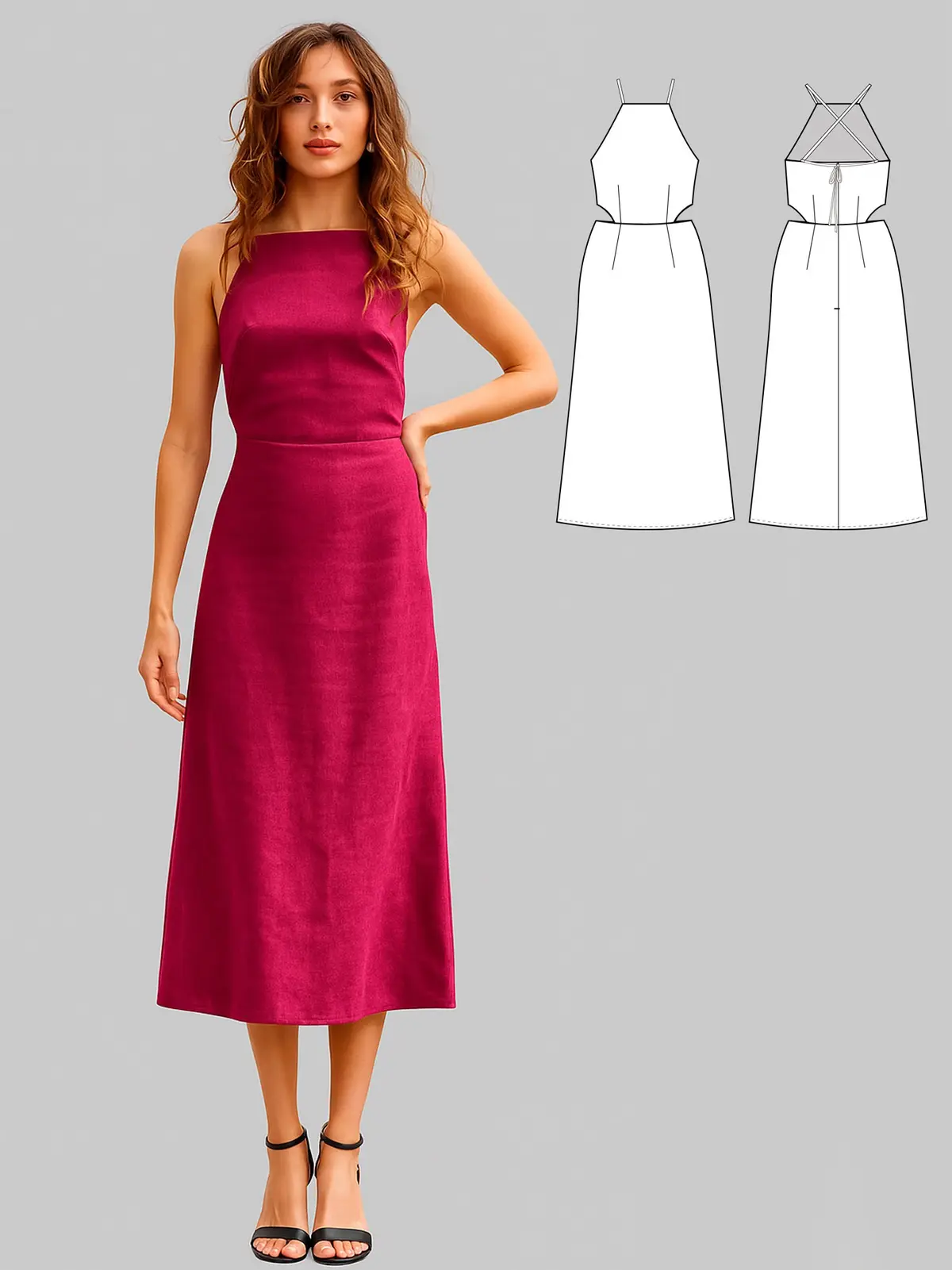 Cotton lawn · voile
 Muffin sundress
PDF pattern · Video tutorial
from 4,50 €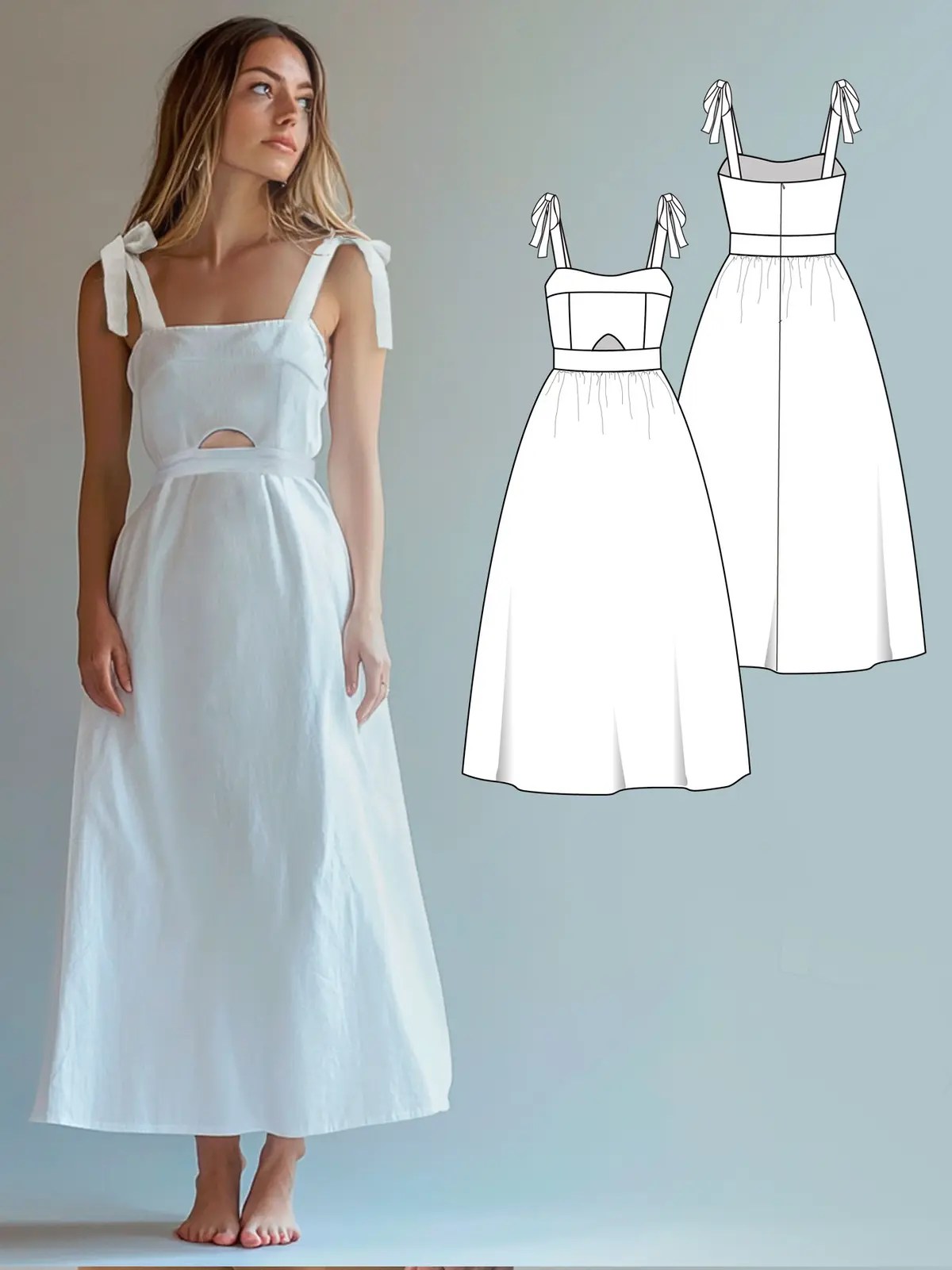 Linen · viscose
 Vanilla sundress
PDF pattern · Video tutorial
from 4,50 €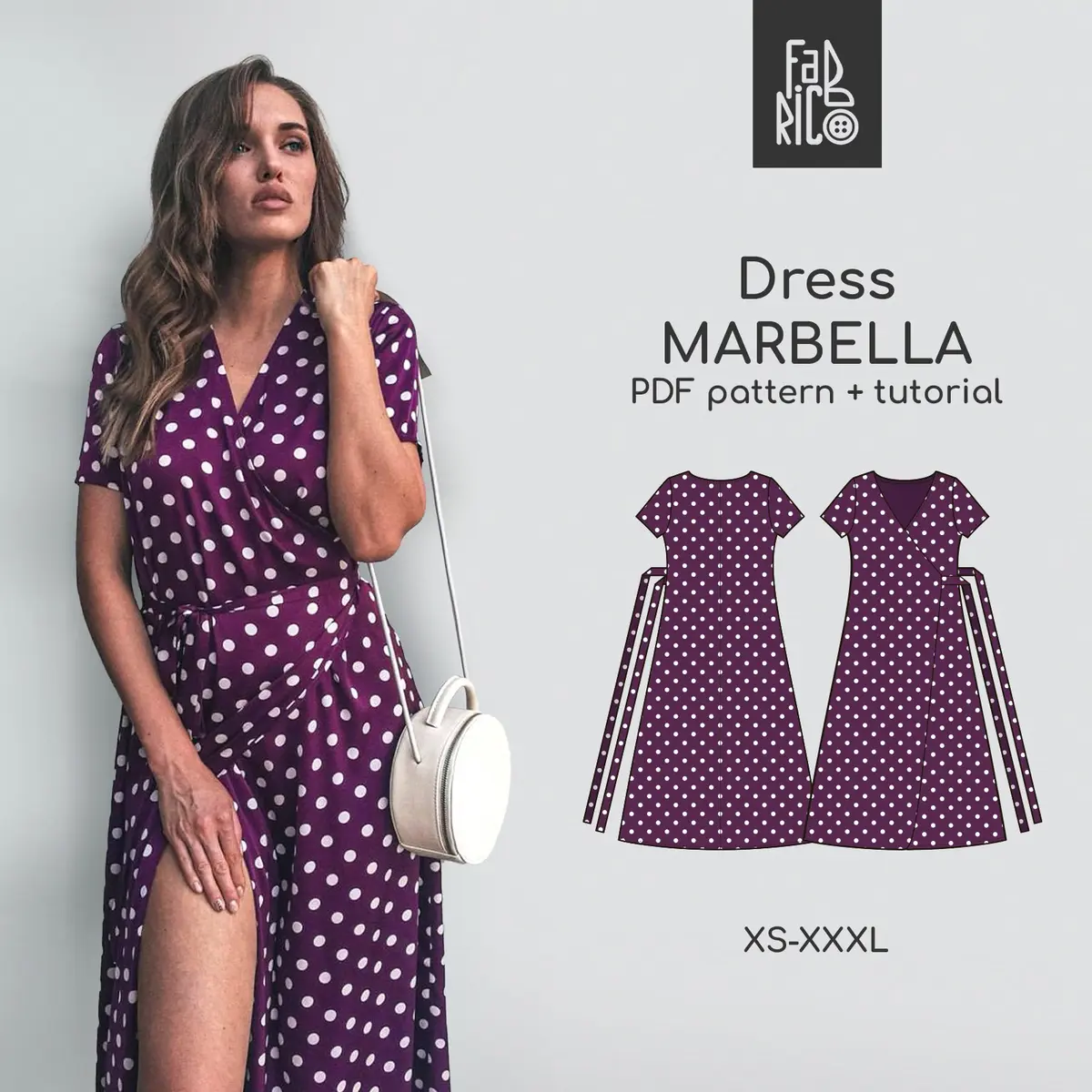 Viscose · cotton
 Marbella wrap dress
PDF pattern · Video tutorial
from 4,50 €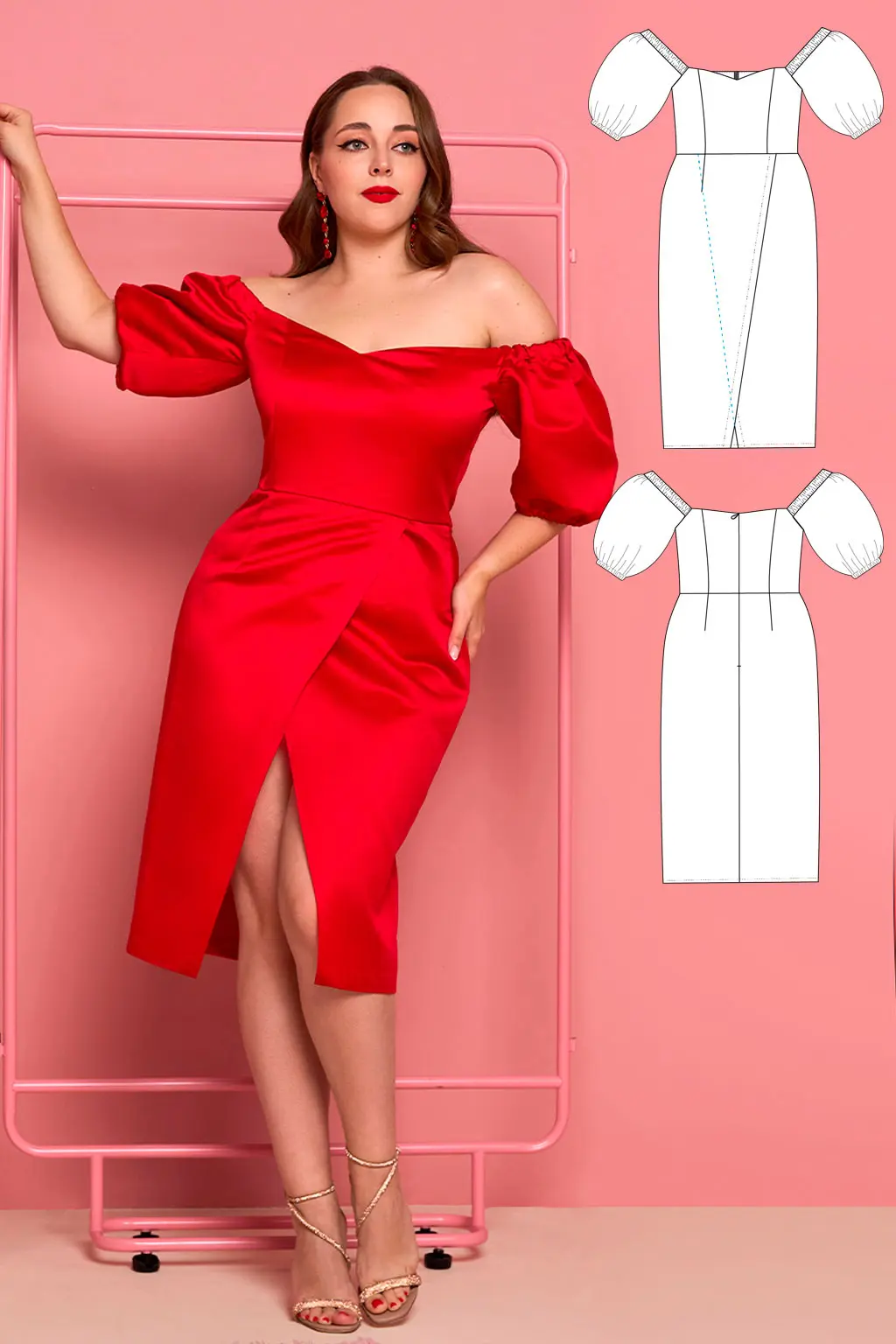 Viscose · cotton sateen
 Vivien party dress
PDF pattern · Video tutorial
from 4,50 €→ Browse all women's patterns
Keep reading
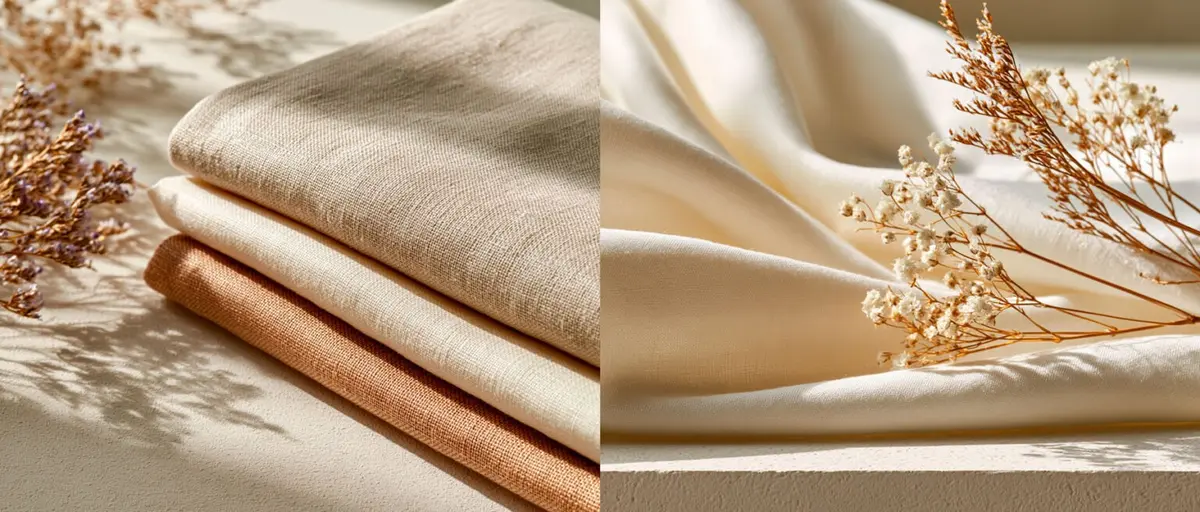 Fabric guide
 Linen vs Cotton: Which Fabric Should You Choose
A head-to-head comparison — breathability, drape, ease of sewing, cost, and care.
Read more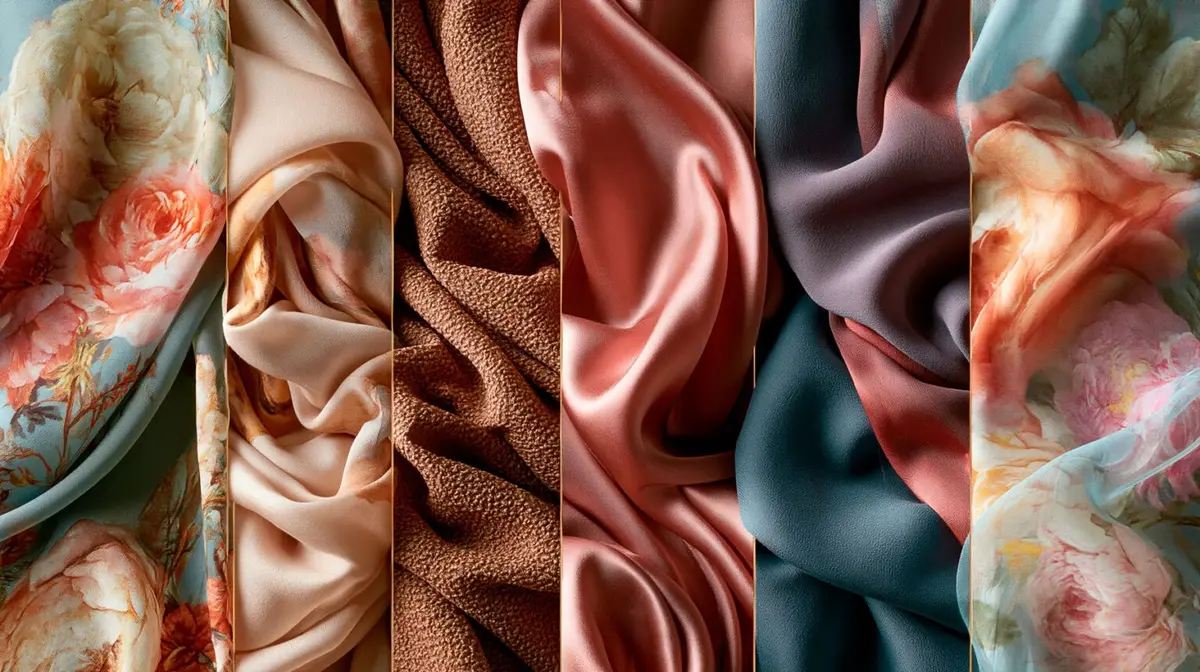 Fabric guide
 What Is Viscose and Why Do So Many Patterns Call for It
The semi-synthetic fabric that drapes like silk and breathes like cotton.
Read more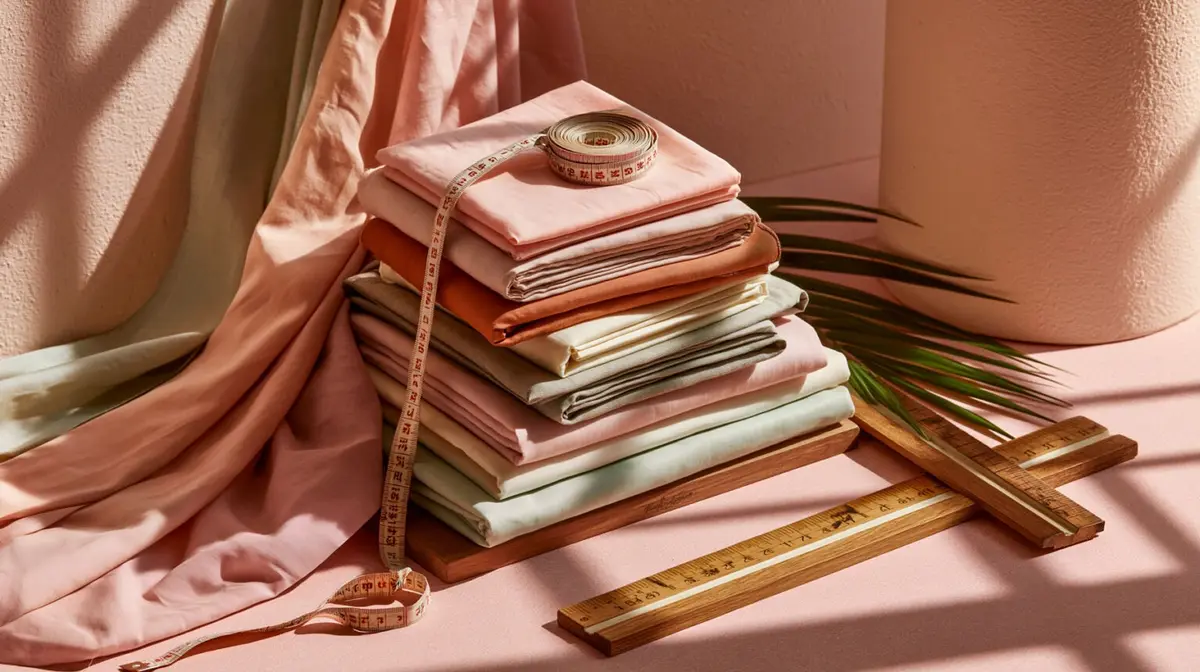 Fabric guide
 How to Choose the Right Fabric Weight for Your Pattern
What GSM means, why it matters, and how to use it confidently in any fabric shop.
Read more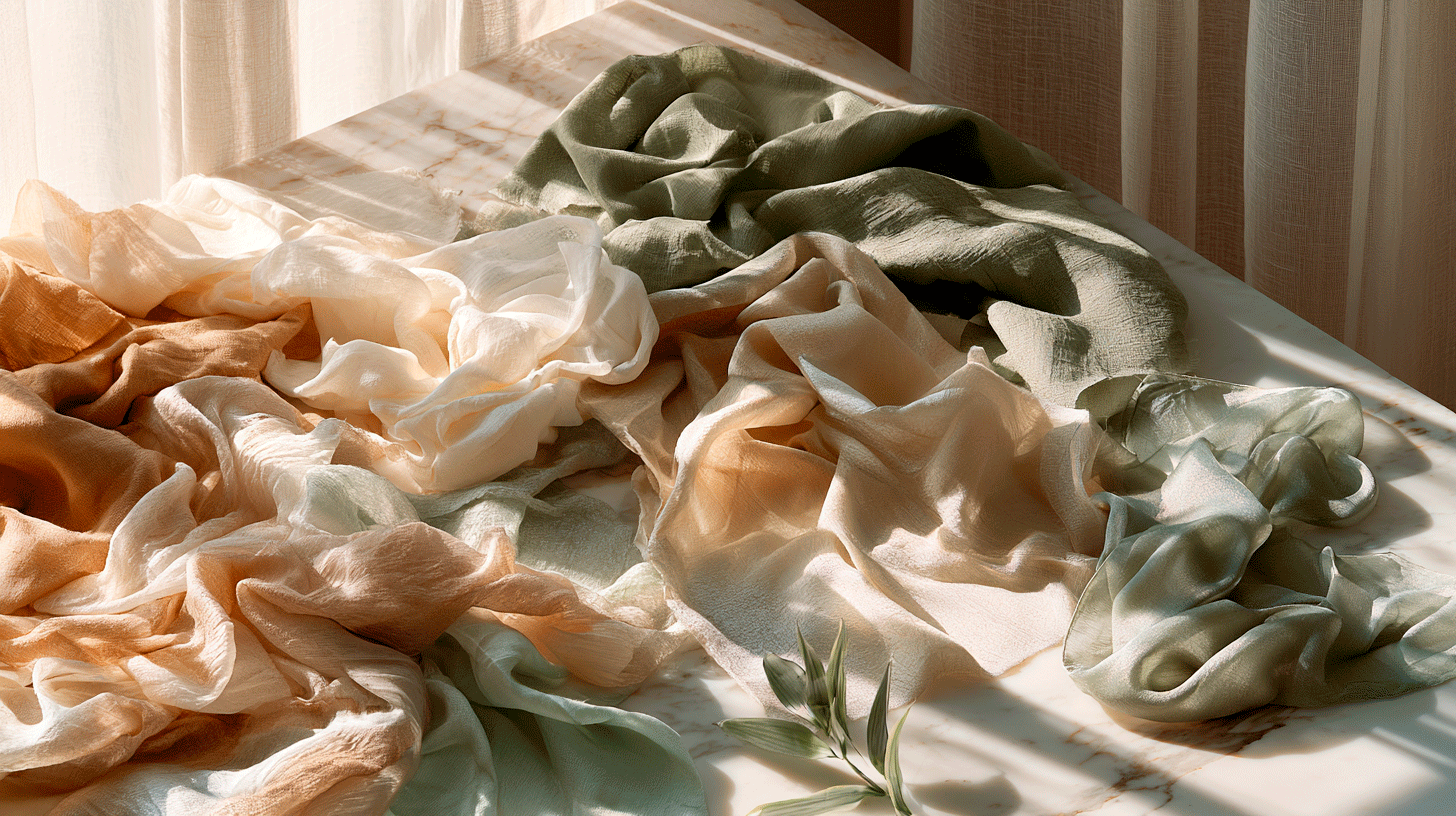 Fabric guide
 Summer Fabrics You Should Avoid
Polyester, acrylic, heavy denim — why they fail in real summer heat and what to choose instead.
Read more Colour & heat
 The Best Colours to Wear in Hot Weather
Why white reflects heat and what the research really shows about colour and temperature.
Read more Fabric guide
 The Best Prints and Patterns for a Summer Dress
Florals, stripes, polka dots, geometrics — what each does and how to choose well.
Read more