How to Press Seams When Sewing: The Pro Technique That Instantly Upgrades Your Work
7 min read Sewing essentials
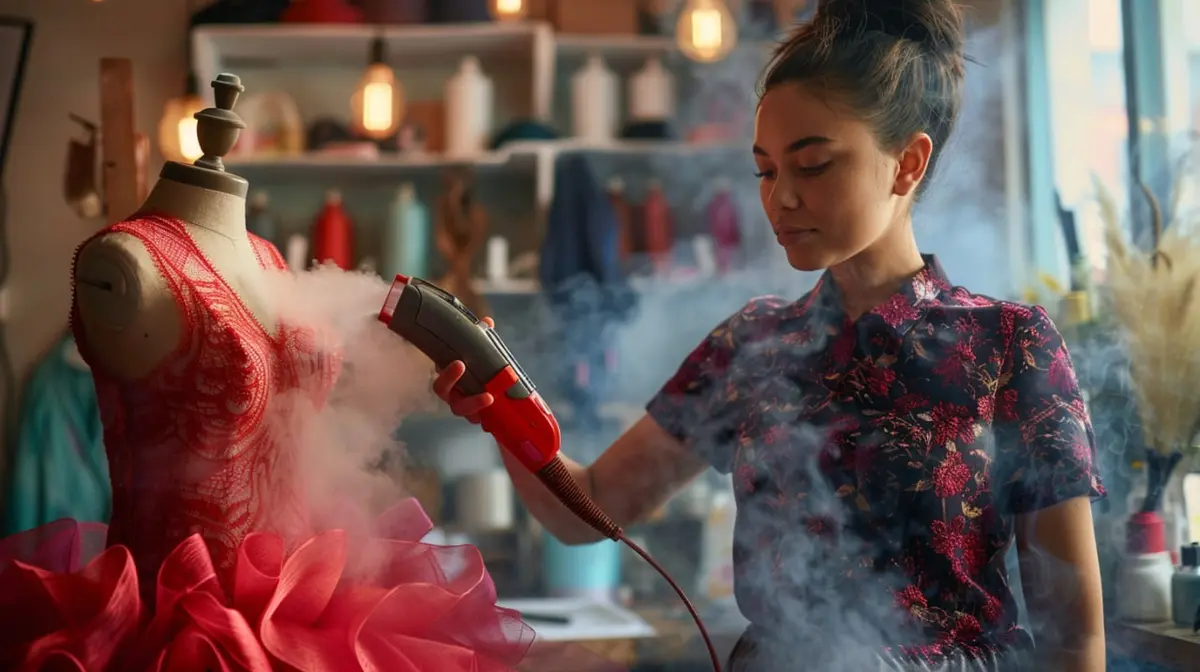
There's a silent hero in every well-sewn garment, and it's not the machine, the fabric, or even the hands that stitched it. It's the iron.
Pressing seems mundane next to the thrill of cutting fabric or the satisfaction of topstitching, so it's often the first step beginners skip. The result is the difference between a garment that looks homemade and one that looks handmade — and yes, there's a difference.
If you want your sewing to look clean, crisp, and professionally finished, learning how to press seams when sewing is the single fastest way to get there.
The Quick TakePressing is not ironing. It's a construction step — you lift the iron and set it down to flatten seams, shape curves, and meld stitches into fabric. Press every seam as you sew (first flat, then open) and your finished piece will look professionally tailored.
Pressing vs. Ironing: What's the Difference?
This is the most common misconception in sewing — and getting it wrong can stretch your fabric, warp your seams, and ruin a project.
| Ironing | Pressing | |
|---|---|---|
| Motion | Slide back and forth | Lift, place, lift again |
| Purpose | Remove wrinkles from finished clothes | Set stitches, shape fabric, build structure |
| When | After laundry | During garment construction |
| Risk if wrong | None — it's just laundry | Stretched seams, distorted curves, warped fabric |
Pressing is part of sewing, not a finishing touch. It belongs in the same mental category as cutting and stitching — a core construction step, not optional polish.
What Happens When You Skip It?
Skipping pressing during construction leads to predictable, visible problems:
- Bulky, puffy seams that won't lie flat against the body
- Stretched or warped fabric, especially along curves and bias edges
- Uneven hems and misaligned darts, because the fabric never settled into shape
- A general "homemade" look — that hard-to-name quality that tells everyone you made it yourself
Even with straight stitches and a perfect pattern, unpressed seams will betray every hour you spent at the machine. Pressing flattens the thread into the fabric, melds the seam, and helps the garment mold to the body the way ready-to-wear does.
The Golden Rule: Press As You Sew
The single most important pressing tip in all of garment sewing is this: press every seam before you sew anything that crosses it.
Once a second seam crosses the first, you've lost the chance to press the first one properly. That's why "press as you sew" is non-negotiable — not because every single seam needs immediate attention, but because intersecting seams must be flat before they meet.
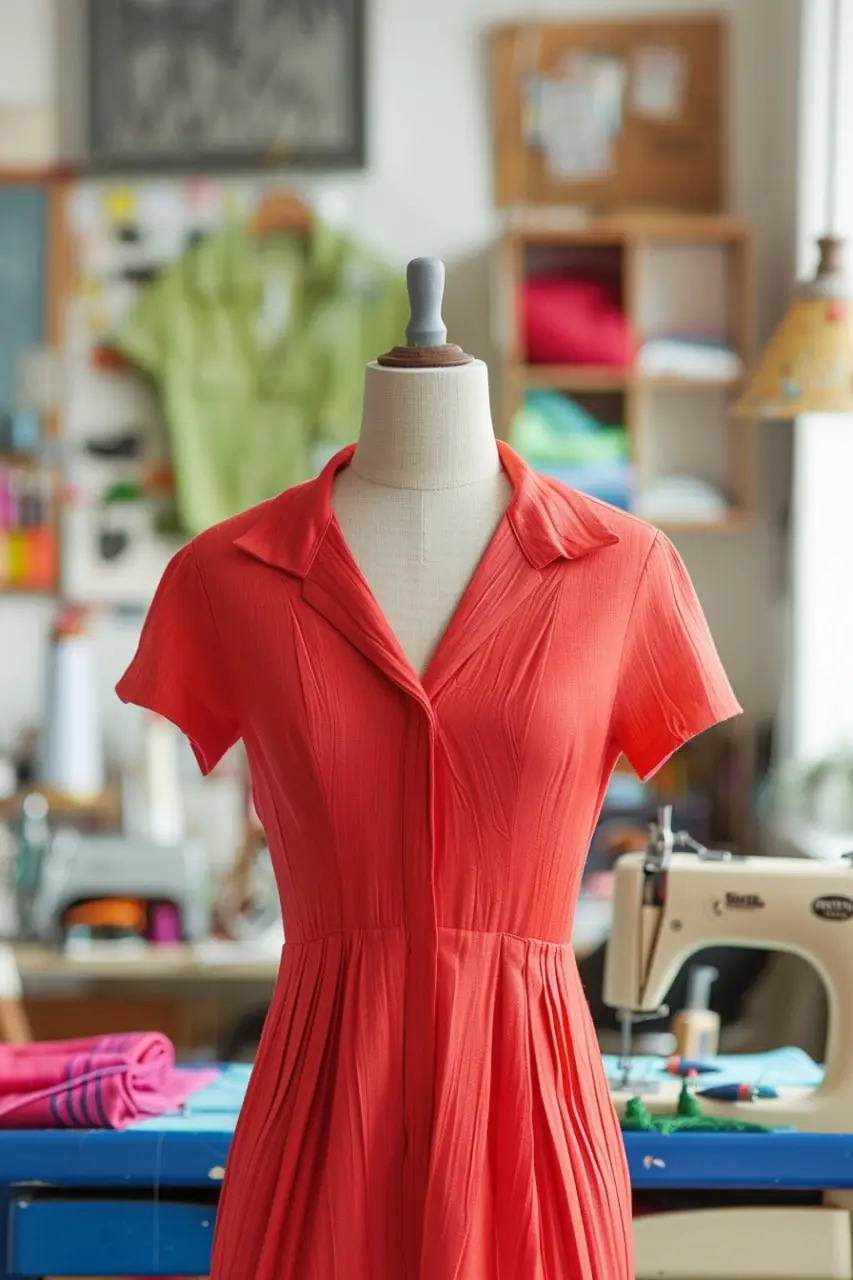
The Press-As-You-Sew Checklist
- Set up the iron before you start sewing. If it's cold and across the room, you'll skip pressing.
- Press the seam flat as sewn first — don't open it yet. This sets the stitches and removes tiny puckers.
- Then press the seam open or to one side — follow the pattern, or default to open for garments.
- Press from the wrong side first, then flip and press lightly from the right side.
- Press hems and folds before sewing them down — folding a hem on a finished garment is ten times harder.
- Press darts before sewing anything that crosses them — bust darts down, vertical darts toward the center.
- Always test heat and steam on a fabric scrap first, especially with synthetics or silk.
- Give the finished garment a final all-over press — this is what makes it look store-bought.
The Steam-and-Set Method
This is the professional technique that immediately separates couture-level sewing from amateur work. It takes three seconds and costs nothing.
- Apply steam to the seam or area you've just sewn.
- Press firmly with your iron — straight down, no dragging — to flatten and shape.
- Immediately hold a clapper (or even a folded towel, or a heavy book) on the seam as it cools.
Fabric hardens into shape as it cools. Trap the heat under a flat, heavy surface and you lock in ultra-sharp seams — exactly how tailors and couture sewists get razor-clean collars and cuffs.
Your Pressing Toolkit
You don't need fancy gear to press well, but the right tools make a huge difference. In order of how much they'll improve your work:
Essential
- Steam iron — a decent iron with adjustable temperature and a strong steam shot
- Ironing board — sturdy, with a padded cover
- Pressing cloth — cotton muslin or a clean tea towel, to prevent shine and scorching
Game-changers
- Tailor's ham — a firm curved cushion for bust darts, sleeve caps, and other curved seams
- Seam roll — long narrow cushion for pressing sleeves and pant legs without creasing the edges
- Tailor's clapper — a solid wooden block that traps heat to lock in sharp creases
- Point presser — for collar points and other tight corners
DIY Substitutes
A rolled-up towel works as a tailor's ham. A clean tea towel works as a pressing cloth. A heavy hardcover book works as a clapper. You don't need to buy everything at once.
Pressing Settings by Fabric
Different fibers need different heat, moisture, and pressure. Always test on a scrap first.
| Fabric | Heat | Steam | Cloth? | Notes |
|---|---|---|---|---|
| Cotton | High | Yes | Optional | Loves heat. Steam freely. |
| Linen | High | Yes | Optional | Wrinkles easily, presses beautifully. |
| Wool | Medium | Yes | Yes | Use a clapper for sharp creases. |
| Silk | Low | Light or none | Yes | Heat-sensitive. Always test. |
| Synthetics | Low | No / light | Yes | Will melt or shine without a cloth. |
| Rayon | Low–med | Light | Yes | Watery marks — be careful with steam. |
| Knits | Low–med | Yes | Yes | Up-and-down only — never slide. |
| Denim | High | Yes | No | Pound with a clapper for flat seams. |
| Velvet | Low | Steam only | Needle board | Never press flat — it crushes the pile. |
Open vs. To One Side
Most patterns will tell you which direction to press a seam, but the general rules are:
- Press open — for most woven garment seams. Reduces bulk and creates a flat finish. Best when seams are visible from the wrong side or layered with linings.
- Press to one side — standard for quilting and knits. When joining two different fabrics, press toward the darker fabric.
- Press as sewn — for curved seams like necklines, armholes, and hip seams where the seam allowance gets enclosed in a facing.
Frequently Asked Questions
What's the difference between pressing and ironing in sewing?
Ironing is a back-and-forth sliding motion used to remove wrinkles from finished clothes. Pressing is an up-and-down motion — you lift the iron and place it down on the fabric — used during sewing to set stitches, flatten seams, and shape the garment without stretching or distorting the fabric.
Do I really have to press every single seam as I sew?
You don't have to press the instant you finish each seam, but you must press every seam before you sew another seam across it. Once two seams intersect, you can't get the iron in to flatten the first one properly. A common workflow is to press in small batches — sew several non-intersecting seams, then take everything to the ironing board.
Why does my garment look homemade even though my stitching is straight?
Almost always, it's unpressed or under-pressed seams. Pressing melds the thread into the fabric, flattens seam allowances, and shapes the garment in three dimensions. Without it, even perfect stitching looks bulky and amateur. Sew two identical samples — press one and not the other — and the difference will be obvious.
What temperature should I set my iron for different fabrics?
Use high heat for cotton, linen, and denim; medium for wool and rayon; low for silk, polyester, and other synthetics. Always test on a scrap of your actual fabric first — texture and weave matter as much as fiber content. When in doubt, start low and increase gradually.
What is a tailor's clapper and do I really need one?
A tailor's clapper is a solid wooden block held against a freshly pressed seam to trap heat as the fabric cools, which locks in a sharp, professional crease. It's especially useful for thick fabrics, collars, cuffs, and lapels. You don't strictly need one — a heavy hardcover book or a folded thick towel works in a pinch — but a real clapper is inexpensive and the single best upgrade for crisp results.
Should I press seams open or to one side?
Default to open for woven garment seams (reduces bulk, lies flatter) and to one side for knits and quilting (stronger, hides better). When joining two fabrics of different colors, press toward the darker one so it doesn't show through. Always follow your pattern's specific instructions when given.
Can I press knit fabric without stretching it?
Yes — but only with an up-and-down pressing motion, never sliding. Use steam to help the fibers relax, set the iron down, lift it, and reposition. Sliding the iron on knits stretches the fabric out of shape, often permanently.
What can I use if I don't have a tailor's ham or seam roll?
A tightly rolled bath towel works as a tailor's ham for pressing curves. A rolled magazine wrapped in a clean cotton towel works as a seam roll. These won't last forever, but they're enough to start.
The Final Press
When the garment is complete, give it one final all-over press — focus on hems, facings, seams, and any topstitched edges. This is the step that pulls everything together and makes your work look intentional and ready to wear.
If you're photographing the piece for Instagram or gifting it, a final press is what makes a handmade garment read as store-bought.
In sewing, polish isn't in the pattern. It's in the pressing.