Overalls: A Complete Guide to History, Styles & How to Wear Them
6 min read Fashion & style
Overalls have lived more lives than almost any other garment in fashion. They've worked the fields, riveted airplanes, walked the runway, and become a year-round staple in every kind of wardrobe — from streetwear to luxury.
What makes them so durable in style? They solve real problems. They're comfortable, they're practical, and they look intentional without needing to be styled. If you've ever wondered why overalls keep coming back — and how to wear them now without looking like you're cosplaying a farmer — this is your full guide.
The Quick TakeOveralls started as 19th-century workwear and have been reinvented every decade since — by Rosie the Riveter, the 90s hip-hop scene, and now by luxury labels and sustainable brands. To wear them today, pick the silhouette that fits your shape (tailored, relaxed, or oversized), pair with a fitted top, and add structured accessories to keep the look polished.
The History of Overalls
The story of overalls is the story of workwear becoming wardrobe. They were never designed to be stylish — they were designed to last. That's exactly why they keep coming back.
Late 1700sBorn for hard labor
Overalls first appeared in the late 18th century as protective workwear, made from durable denim or heavy cotton. Farmers, railroad workers, and factory laborers wore them because they could survive what regular clothing couldn't.
Late 1800sThe Levi Strauss era
American brands like Levi Strauss and H.W. Carter & Sons turned overalls into a national workwear standard. Reinforced stitching, adjustable straps, and metal fasteners made them tougher and more functional — a uniform for the industrial age.
1940sRosie the Riveter
During World War II, women working in factories adopted overalls as part of the war effort. The iconic "Rosie the Riveter" image made them a feminist symbol — proof that women belonged in the workforce, and that practical clothing didn't have to be gendered.
1960s–70sCounterculture wardrobe
Hippies, artists, and musicians embraced overalls as a casual, anti-establishment uniform. The shift was permanent: from this point on, overalls were no longer just workwear — they were a fashion choice.
1990sHip-hop & oversized
The 90s reinvented overalls as oversized streetwear. Hip-hop artists, skaters, and teen-pop icons wore them baggy with one strap unhooked — a look that's now back in full force on TikTok and Gen-Z fashion feeds.
TodayLuxury, sustainability, and everything in between
Stella McCartney, Balenciaga, and Gucci have brought overalls to the runway. At the same time, sustainable brands are producing them from organic cotton and recycled denim. Overalls have never been more versatile — or more in style.
How to Wear Overalls in 2026
The biggest mistake people make with overalls is treating them like a costume. They aren't. They're a base layer — and how you style them is what makes the difference between "I look intentional" and "I look like I borrowed this from a 12-year-old."
The Wear-Overalls-Right Checklist
- Pick the right silhouette for your shape. Tailored or slim-leg for petite frames, relaxed-fit for hourglass shapes, wide-leg for taller figures.
- Keep the top fitted. A close-fitting tee, ribbed tank, or thin turtleneck. Bulky tops underneath kill the silhouette.
- Adjust the straps before you leave the house. Straps should sit on top of the shoulders, not slide off. The bib should rest flat against the chest, not gap.
- Anchor with structure. A leather belt bag, structured tote, or block heels balance the casual silhouette and make the look read as styled.
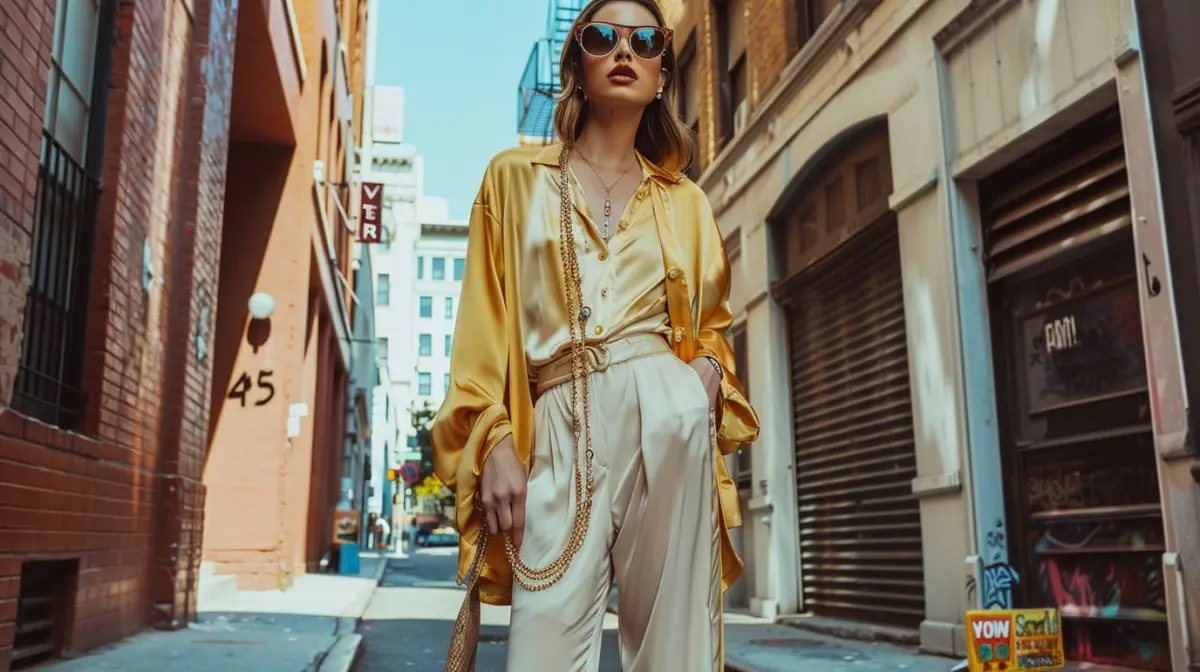
- Stick to one color story. Tonal layering (denim on denim, all-black, all-cream) makes overalls look modern. Pattern overload makes them look juvenile.
- Match the shoe to the vibe. Sneakers for casual, loafers for smart, ankle boots for autumn, sandals or mules for summer.
- Add a third piece for polish. A blazer, denim jacket, or longline cardigan over the top instantly elevates overalls into outfit territory.
- Don't overdo the accessories. Overalls have visual weight — pockets, straps, buckles, contrast stitching. Pick one or two accents (earrings, a watch, a bag) and stop there.
Types of Overalls: Find Your Silhouette
Not all overalls are created equal. The cut you choose determines whether you read as off-duty, polished, or vintage-cool.
Classic Denim Overalls
The original. Mid-blue denim, straight or slightly relaxed cut, full-length legs. Pairs effortlessly with a white tee, white sneakers, and a denim jacket for the timeless casual look.
Short Overalls (Shortalls)
A warm-weather favorite — overalls cut at the thigh. Great for summer outings, music festivals, and beach holidays. Pair with cropped tops or fitted tees.
Tailored Overalls
The modern dressed-up version. Slim-fit silhouettes in structured fabrics — wool blends, linen, twill — with darts and a clean drop from waist to hem. Wear them like trousers, with heels and a blouse.
Baggy & Oversized
The 90s revival. Loose through the body and leg, often with one strap left unhooked. Best paired with a fitted top, a baseball cap, and chunky sneakers.
Corduroy & Patterned
Beyond denim. Corduroy adds texture and a vintage feel. Pastel shades, checkered prints, and striped versions add personality — these are the overalls for people who want to look different from the crowd.
Utility & Workwear
Heavy-duty, multi-pocket designs in canvas or thick denim — favored by mechanics, painters, and crafts professionals. Now also a streetwear trend in raw, unwashed denim.
Why Overalls Work: The Comfort Factor
Comfort is the reason overalls survive every trend cycle. They solve problems regular clothing creates:
- One-piece simplicity — no tucking, no waistband digging in, no top-bottom coordination required.
- Roomy through the body — built for movement, not restriction.
- Adjustable fit — straps, side buttons, and waist tabs let you fine-tune the fit at the shoulder and waist.
- Pockets that hold things — phone, keys, wallet, snacks. Overalls have storage real trousers can only dream about.
- Multi-season fabrics — linen for summer, denim year-round, corduroy and fleece-lined for winter.
Why Overalls Are Back (And Here to Stay)
Three forces are keeping overalls relevant: nostalgia, sustainability, and gender-neutral fashion.
Nostalgia. Gen-Z fashion is built on 90s and Y2K revival. Overalls — especially baggy, distressed, or vintage-wash versions — fit that aesthetic perfectly. TikTok styling videos have helped push them back into the mainstream.
Sustainability. As fast fashion gets harder to defend, durable workwear-inspired pieces are becoming more valuable. Overalls are built to last, which is exactly the opposite of what fast fashion has trained us to expect. Brands using organic cotton, deadstock denim, and ethical production are leading this shift.
Gender-neutral by design. Overalls have never needed gender norms to function. They were one of the first garments adopted equally by men and women in the 20th century, and they remain one of the most genuinely unisex pieces in modern wardrobes.
Fashions fade, style is eternal. Yves Saint Laurent
Overalls are the perfect proof. They've outlived every trend cycle since 1880 because they were built to serve their wearer, not the season.
Frequently Asked Questions
Are overalls still in style?
Yes — overalls have become a year-round wardrobe staple again. Streetwear has embraced oversized 90s-inspired silhouettes, luxury labels like Stella McCartney and Gucci feature tailored overalls in their collections, and sustainable brands are producing them from organic cotton and recycled denim.
What's the difference between overalls and dungarees?
They refer to the same garment. "Overalls" is the American term, "dungarees" is the British term. The word dungarees comes from Dungri, a coarse Indian cotton historically used to make workwear.
How do you wear overalls without looking childish?
Choose a tailored or straight-leg silhouette rather than baggy ones, pair with a fitted top or turtleneck, add structured accessories like a leather belt bag or block heels, and stick to a single color palette to keep the look polished rather than playful.
What kind of top should you wear under overalls?
A fitted T-shirt, a thin turtleneck, or a button-down work best. The top should be close to the body so the overalls' silhouette stays clean. Oversized tops underneath can make the whole outfit look bulky.
What body types look best in overalls?
Overalls flatter every body type when fit correctly. The key is choosing the right silhouette: relaxed-fit for hourglass shapes, tailored or slim-leg for petite frames, wide-leg or straight for taller figures, and adjustable straps for everyone to fine-tune the fit at the shoulder.
Can you wear overalls to work?
Tailored or slim-fit overalls in neutral colors (black, navy, khaki) work well in creative or casual offices, paired with a structured blouse, blazer, and loafers. For traditional offices, stick with classic trousers — but overalls are a perfect smart-casual choice for weekends, brunch, or casual Fridays.
What is the history of overalls?
Overalls originated in the late 18th century as protective workwear made from durable denim or heavy cotton. They were worn by farmers, railroad workers, and factory laborers. American brands like Levi Strauss and H.W. Carter & Sons popularized them in the late 19th century, and they became a feminist symbol during World War II through the "Rosie the Riveter" movement.
The Bottom Line
Overalls earned their place in fashion the same way they earned it in the workplace — by being useful. They're comfortable, they're durable, they're endlessly adaptable, and they refuse to disappear.
Whether you wear them as a nostalgic 90s throwback, a tailored modern statement, or a practical weekend outfit, overalls are a garment with no expiration date. They were built to outlive trends, and so far, they have.
Want to make your own overalls?
Sew them to fit your body, your style, and your fabric of choice.
Women's patterns For beginners More articles