
Why Navy, White, and Linen Are the Colours of Summer — Every Summer
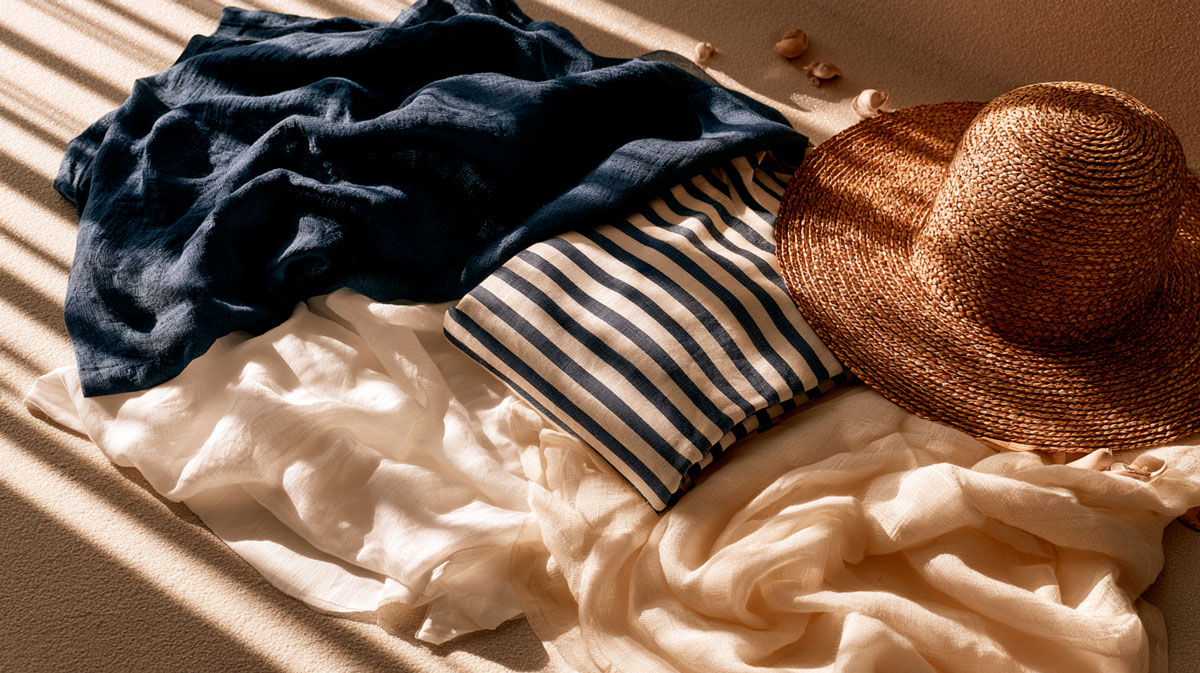
Every spring, without fail, the same colours appear. Navy blue and white in every window. Linen in cream, natural, and pale sand on every rail. The Breton stripe on a hundred different garments in a hundred different shops. And every year, without fail, the same thought arrives: haven't we seen this before?
We have. We have been seeing it, unchanged, for over a century. The navy-white-linen palette is not a trend that returns annually. It is something considerably more durable: a visual language for summer that was established so firmly, and for such good practical reasons, that fashion has never quite managed to replace it with anything else.
This article is about why these colours work, where they came from, and how to build a summer wardrobe — or a summer sewing project — around them in a way that will still feel right in five years.
The summer palette of navy + white + linen has been the same since Coco Chanel adapted the Breton stripe in 1917 — and it endures because it works on three levels at once: historically (two centuries of continuous use), scientifically (white reflects heat, navy stays cooler than black, linen breathes), and visually (any combination of the three works together). Treat navy as the anchor, white as the canvas, and linen as the texture that ties them together.
Navy
The anchor. Dark enough to be practical, light enough to stay cooler than black. Works with every accent colour.
White
The canvas. The most thermally efficient colour and the most versatile garment in a summer wardrobe.
Natural linen
The texture. Cream, sand, or undyed natural — neither navy nor white, and works perfectly with both.
From the Royal Navy to Every Summer Wardrobe
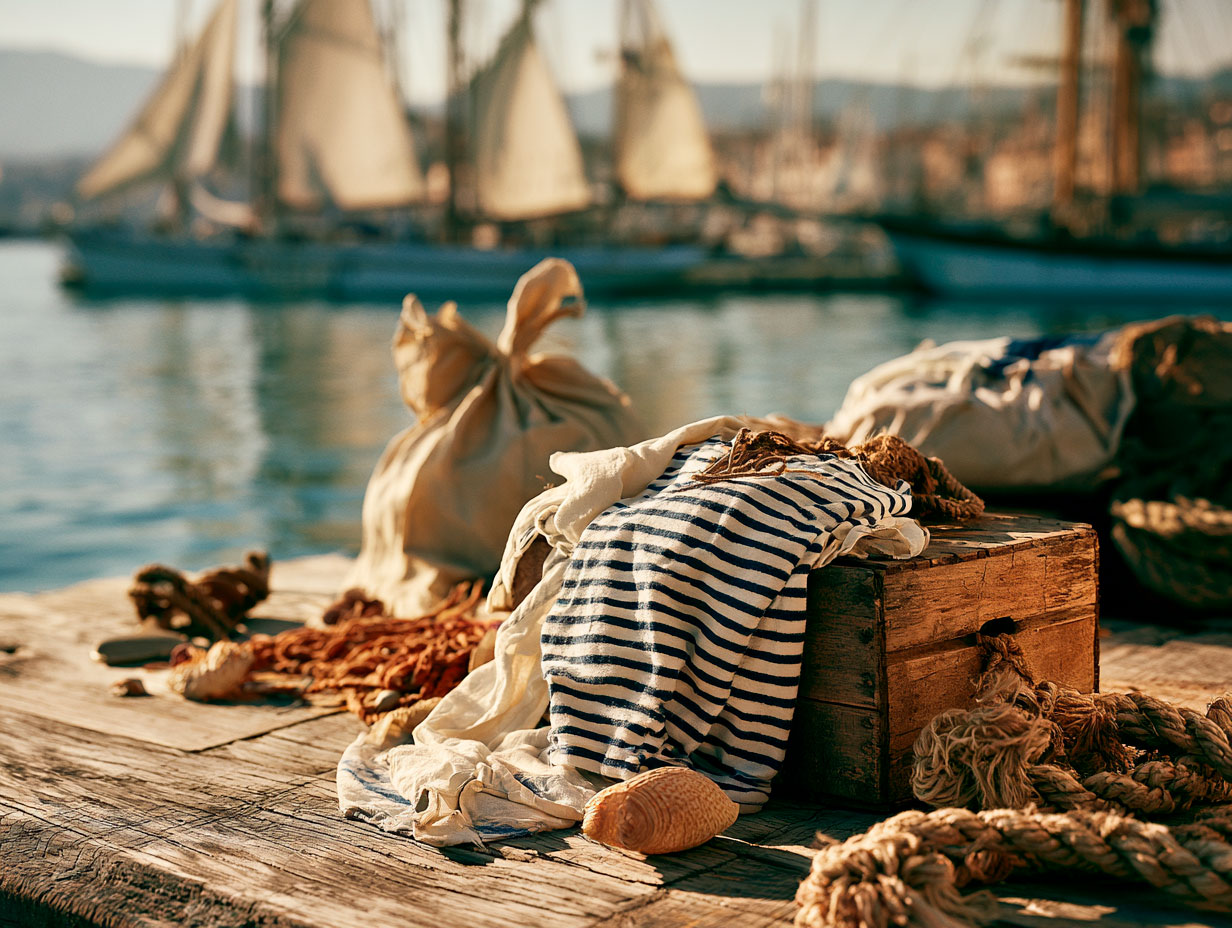
The colour that is now universally called navy blue takes its name from exactly where you would expect: the British Royal Navy, whose officers wore dark blue uniforms that were first regulated in 1748. The distinctive dark shade was being referred to in the press as navy blue by at least 1780. It was a colour chosen for precisely the properties that make it useful in civilian wardrobes today: dark enough to be authoritative and practical, cool enough to read as elegant rather than heavy, and works with almost every other colour in the spectrum.
But the most interesting chapter in navy's journey from naval uniform to summer staple is the story of the Breton stripe — the horizontal navy-and-white striped shirt that has been the defining garment of nautical fashion for nearly two centuries.
Royal Navy
Dark blue uniforms regulated for British naval officers.
The marinière
French Navy adopts the navy-and-white striped seaman's shirt.
Chanel adopts it
Coco Chanel brings the Breton stripe into women's fashion.
A modern classic
Worn by Picasso, Bardot, Hepburn — and everyone, every summer.
Regulations of 27 March 1858 introduced the blue-and-white marinière to the French Navy's official uniform, with the body having 21 white stripes, each twice as wide as the 20 to 21 navy blue stripes. The practical purpose was entirely unglamorous: the stripes made it easier to spot a sailor who had fallen overboard against dark water. The number 21 reportedly represented Napoleon's naval victories.
What happened next was one of fashion history's most elegant examples of trickle-up style. Those who designed this striped knit, intended to help locate a man who had fallen overboard or was engaged in dangerous manoeuvres, never imagined the surprising destiny of those nautical stripes when fashion took them to chic seaside resorts, from Cannes to Deauville.
It was Coco Chanel who made the decisive translation. In the 1910s, Chanel was on a mission to free the female form from the formal fashions of the era. The restrictive outfits were not the most comfortable, and as the great fashion revolutionary declared:
"Luxury must be comfortable, otherwise it is not luxury." — Coco Chanel
This felt particularly true for the bourgeoisie increasingly holidaying on the Côte d'Azur; lounging luxuriously under the sun required a more relaxed style, and the Breton shirt was the perfect fit. By 1917, Chanel had incorporated it into her collection for women. In the decades that followed, the navy-and-white stripe was worn by Pablo Picasso, Brigitte Bardot, Audrey Hepburn, Andy Warhol, and eventually by everyone, everywhere, every summer.
The reason navy blue endures as a summer colour — beyond the historical associations — is practical. It is dark enough to not show summer stains as readily as white, but it reflects enough light in the visible spectrum to remain cooler than black in outdoor heat. It is a neutral that works with every skin tone, with every accent colour, and is equally at home at a beach picnic or an outdoor dinner.
White
The Coolest Colour and the Cleanest Canvas
White is the summer colour with the most straightforward scientific justification and the most complicated practical reputation.
The science is simple, and we covered it in detail in our earlier article on colour and heat: white reflects the full visible spectrum of light rather than absorbing it, which means white fabric surfaces stay considerably cooler in direct sunlight than any other colour. In tests comparing shirt colours in sun, white consistently registers the lowest surface temperature — around 30°C compared to around 50°C for dark green and over for black. In a summer dress, a white or near-white fabric is the most thermally sensible choice available.
The visual argument for white in summer is equally strong. White is the most effective colour for creating contrast with tanned or dark skin, which is why so many women feel their best in white during the summer months. It is also the most effective colour for making other elements — accessories, footwear, jewellery — appear crisp and considered rather than incidental.
White in summer fashion has its own lineage, running from the Victorian resort dress through the wide-legged white linen trousers of 1930s resort style to the white sundress that has been a summer constant in every decade since. There is something about white clothing in the heat that reads as both effortless and intentional — as if the wearer has stripped everything down to the essentials and found that the essentials are enough.

Linen
The Fabric That Earns Its Wrinkles
Linen is one of the oldest textiles in the world — made from the fibres of the flax plant, it has been woven into cloth for at least ten thousand years. Ancient Egyptians used it extensively, not merely for clothing but for burial wrappings and temple offerings. The Romans wore linen tunics throughout their Mediterranean territories. For most of human history, linen was the default summer fabric simply because it was what was available, and it was available because it worked.
What makes linen work in heat is a combination of properties that no synthetic fabric has managed to convincingly replicate:
Breathability
Linen fibres have a hollow core that allows air to move through the fabric — providing constant cooling between the fabric and the skin, even when the fabric itself absorbs warmth from the sun.
Moisture management
Linen absorbs moisture — including perspiration — efficiently and dries quickly. This wicking action keeps the body cool. Many lighter-feeling synthetics simply cannot match this mechanism in real heat.
Improving texture
Most fabrics deteriorate with washing. Linen does the opposite — it softens, becomes more supple, and develops the relaxed ease that makes a well-worn piece feel more beautiful than a new one.
The one quality people consistently raise as a concern about linen — its tendency to wrinkle — is worth addressing directly. Linen wrinkles. This is a consequence of the same fibre structure that makes it breathable and absorbent. And while it's possible to minimise wrinkles through careful pressing and immediate removal from the dryer, the more sensible response is to make peace with them.
A linen dress with the gentle creases of a day's wear does not look unkempt. It looks like someone who is comfortable, unhurried, and at ease in the heat.
For home sewists, linen is also one of the most satisfying fabrics to work with. It cuts cleanly, doesn't fray excessively, presses beautifully, and produces finished seams that lie flat and look professional without requiring advanced techniques. It is more forgiving than viscose, more stable than jersey, and considerably easier to handle than silk or chiffon. A linen summer dress is an excellent project for any sewist from intermediate level upward.
Building the Palette: How to Use These Three Elements
The navy-white-linen palette works because it is inherently versatile. Any combination of the three elements works together, and any one of them works as the starting point for a broader summer wardrobe that can be built outward with accent colours.
Navy as anchor
A navy dress or navy linen trousers anchor the wardrobe and work with white, cream, yellow, terracotta, coral, and red as accent colours. Also a reliable colour-blocking partner — navy bodice with white or cream skirt, or the reverse, are both classic combinations.
White as canvas
A white dress or white linen shirt is the garment that makes everything else in the wardrobe more useful. It pairs with navy, with bright colours, with neutrals. It works at the beach and at a dinner table. The most versatile summer garment precisely because it asks so little of itself.
Linen as texture
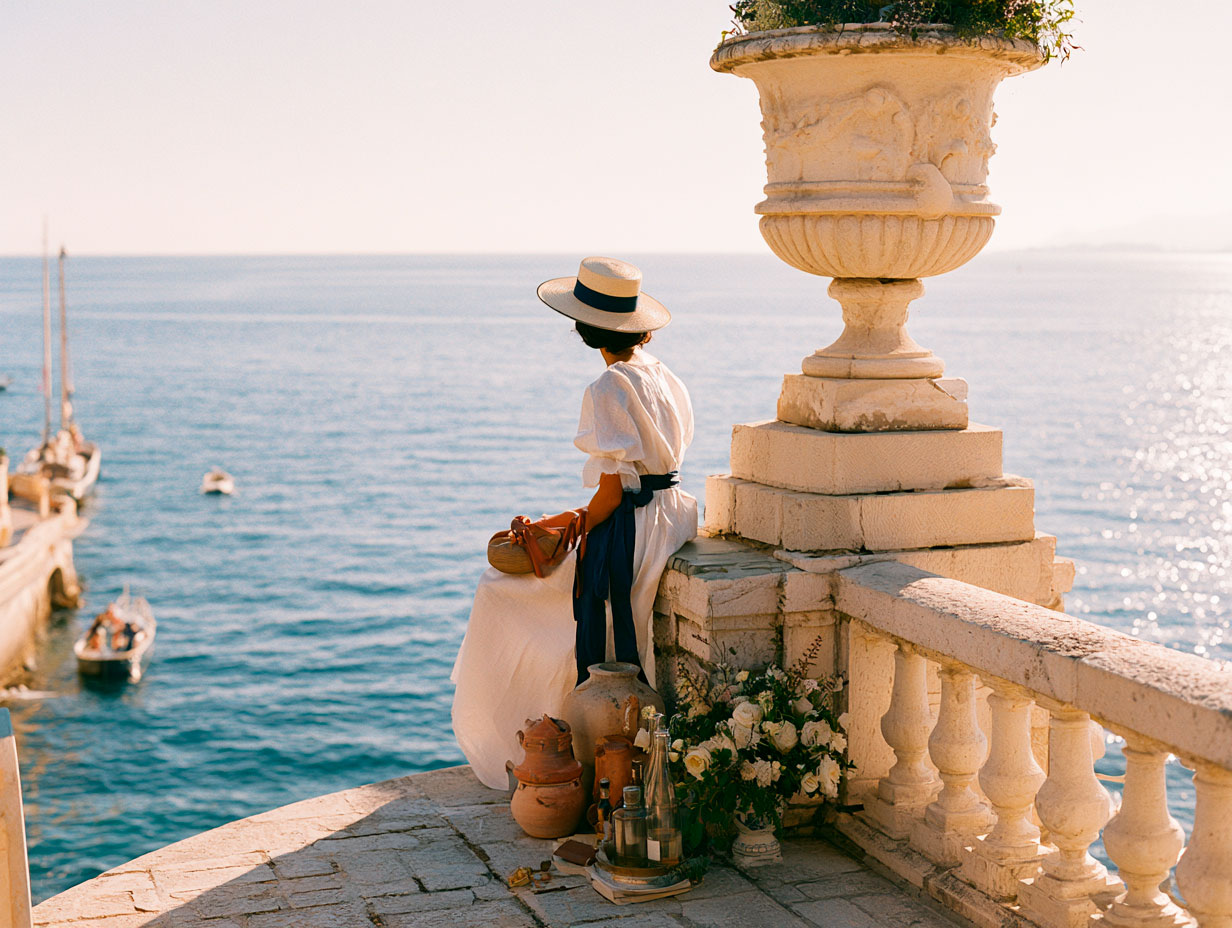
In a palette of navy and white, linen in natural, cream, or sand adds a third element that is neither navy nor white but works with both. A natural linen dress with navy accessories is the coastal holiday outfit that has been correct since Coco Chanel was at Deauville.
Sewing the Summer Palette with Fabrico
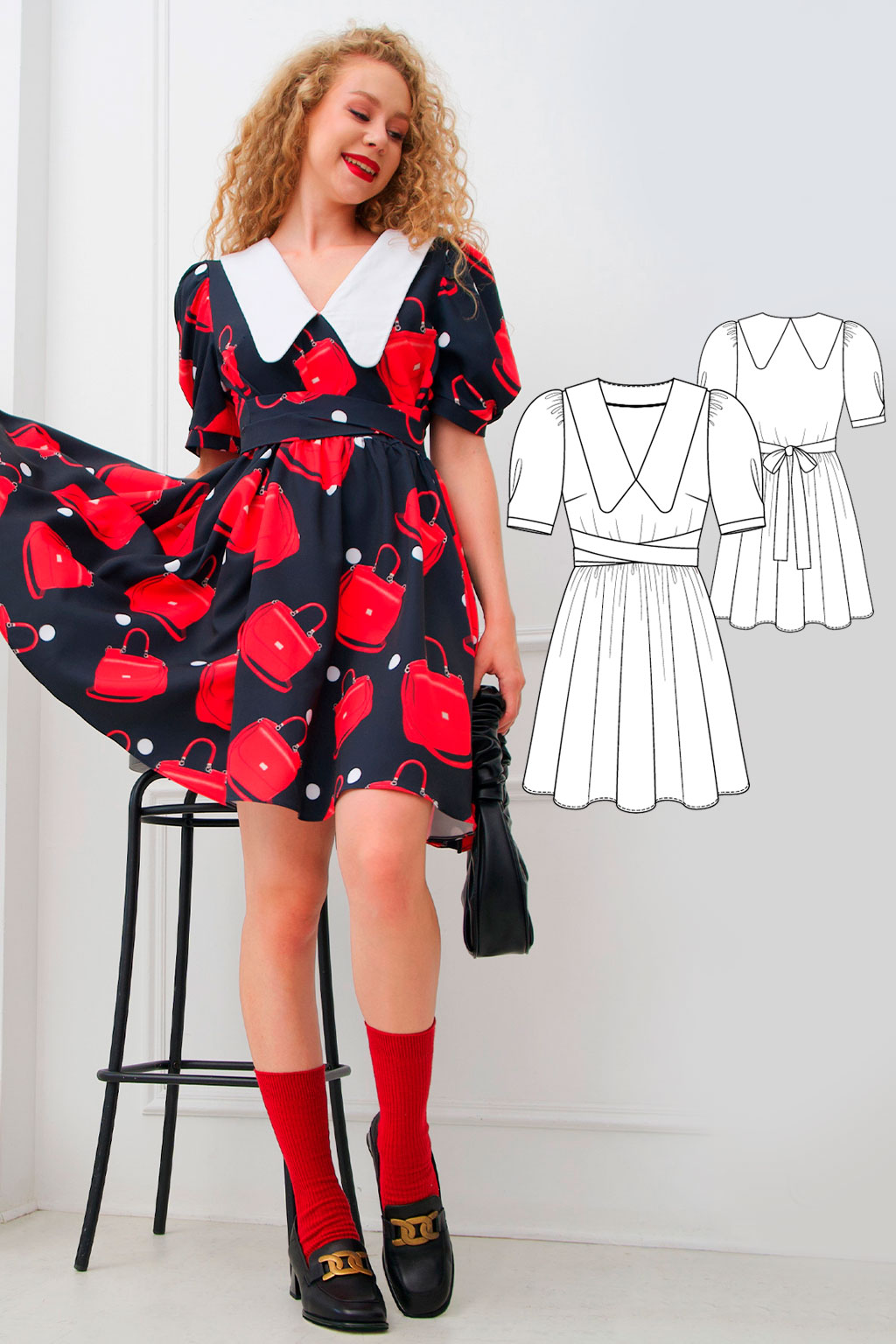
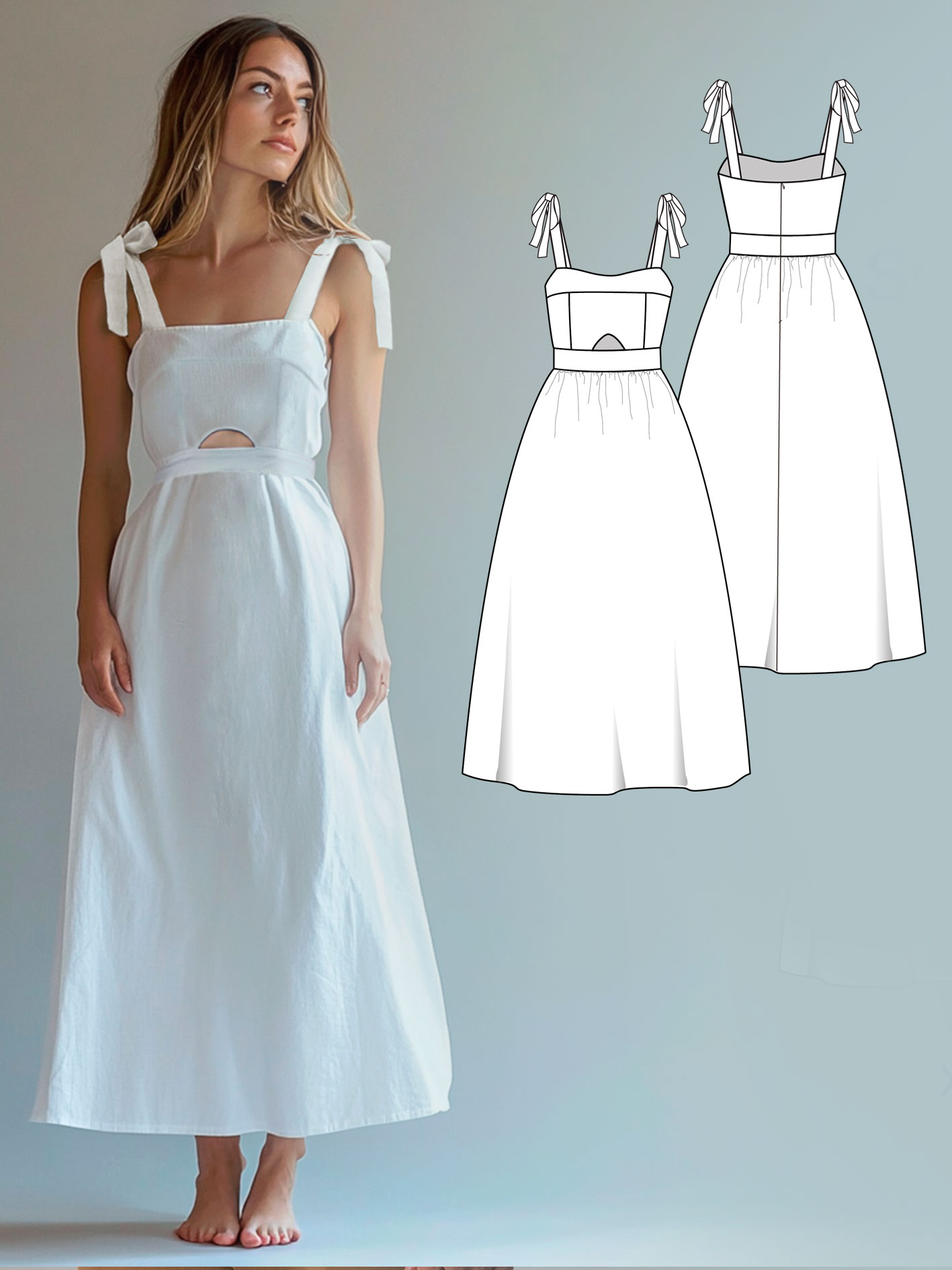
A navy, white, or linen-coloured version of any Fabrico dress pattern will work. The palette is defined enough to provide coherence and open enough to accommodate any silhouette — from the most relaxed to the most structured.
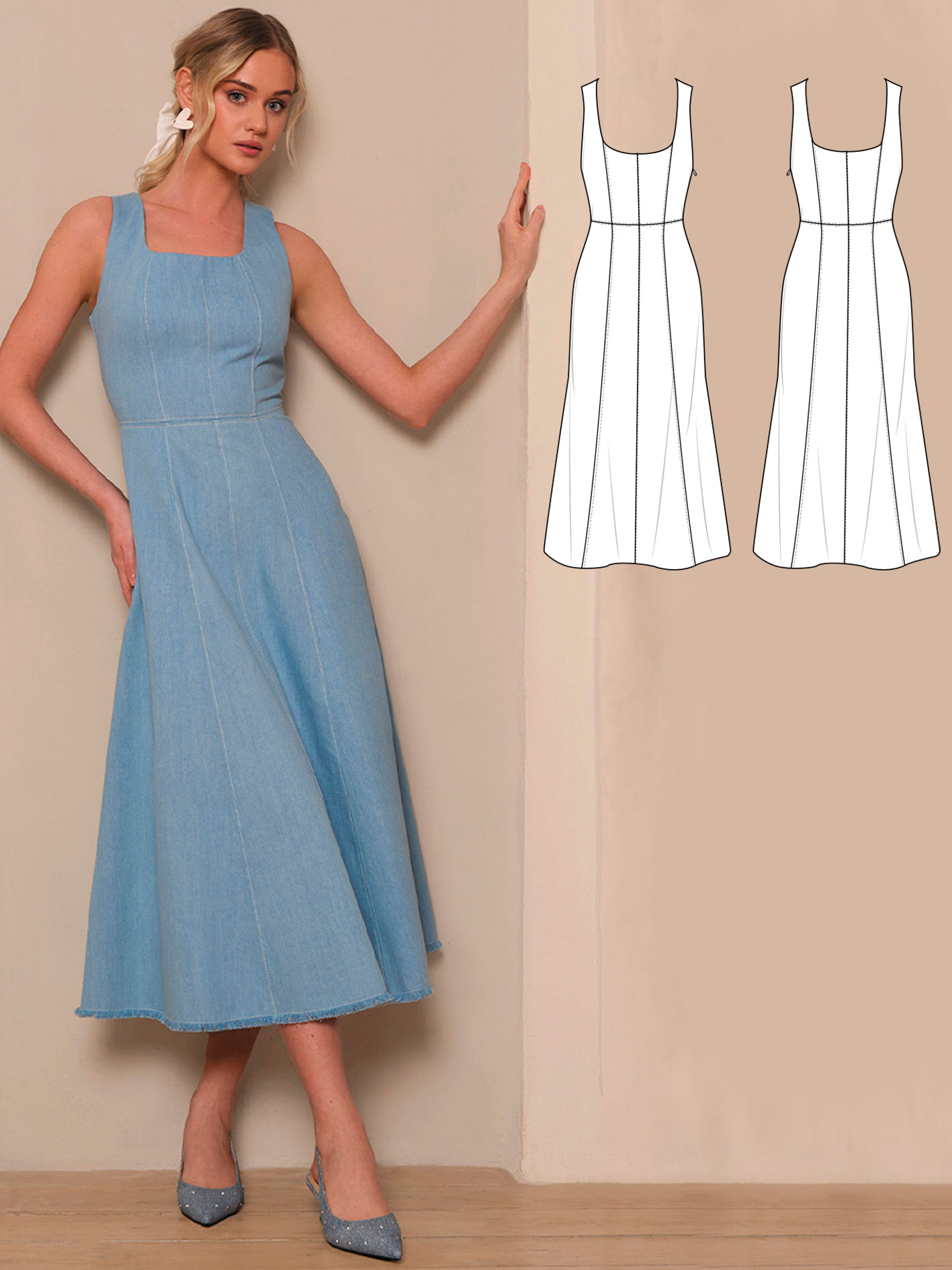
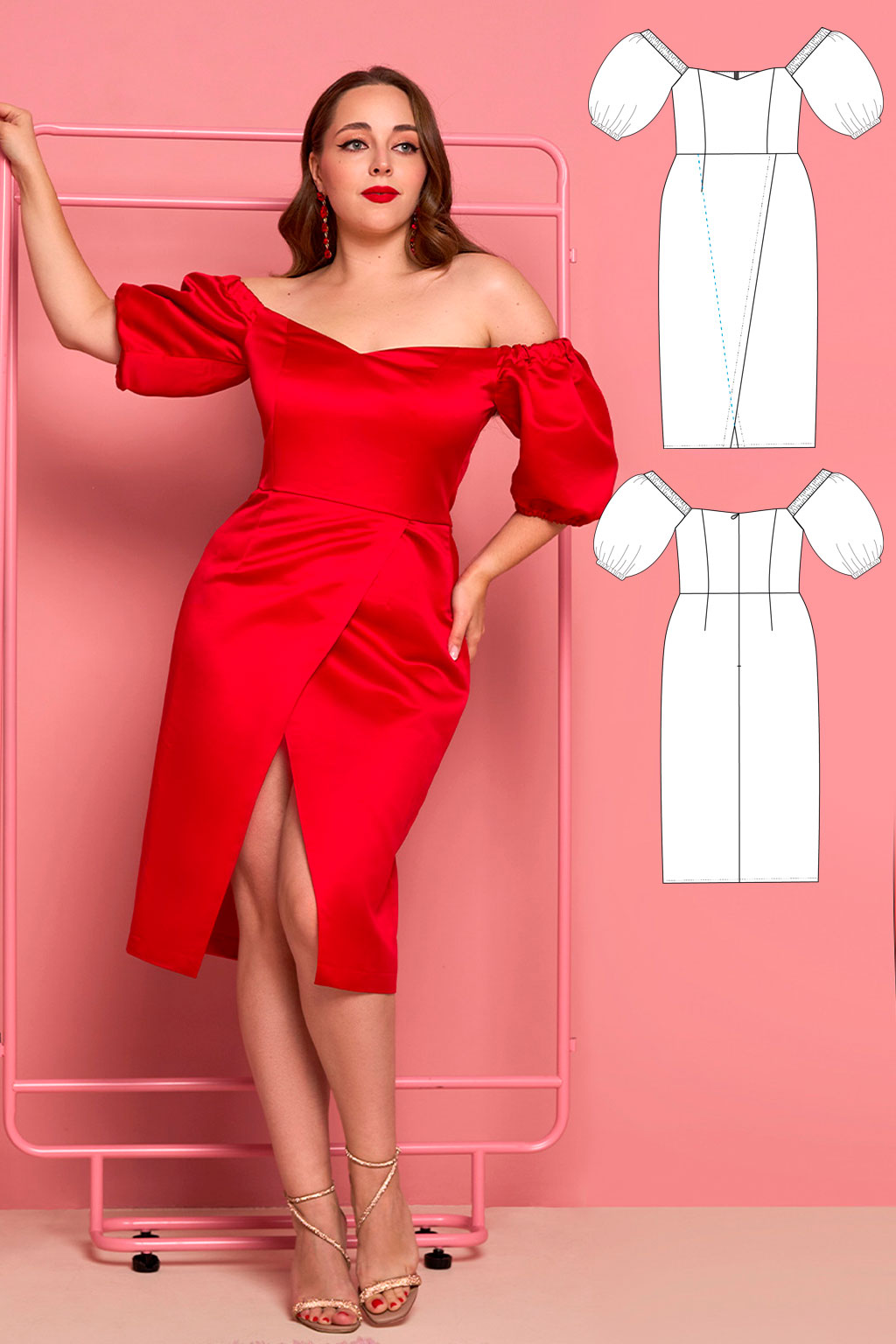
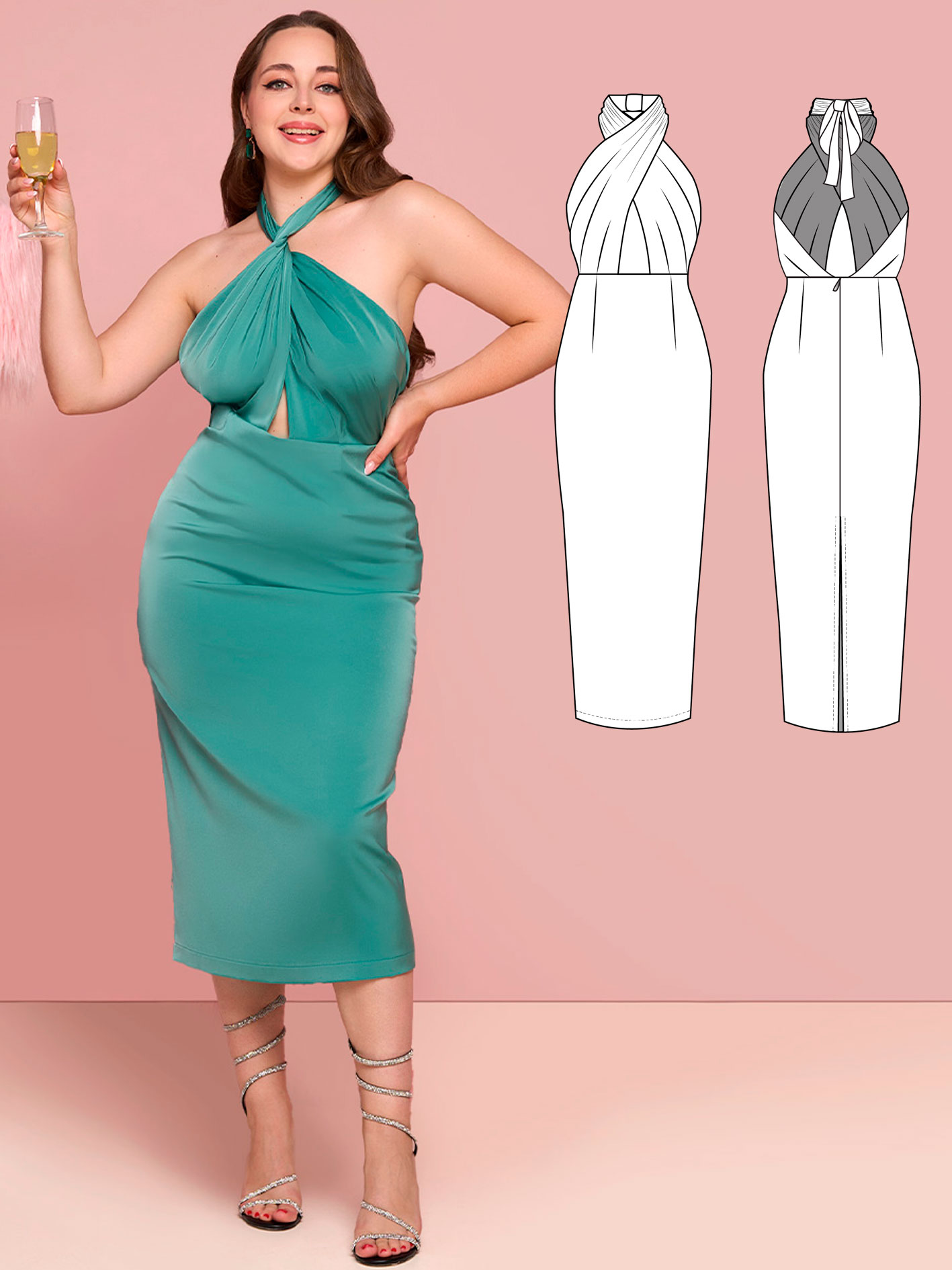
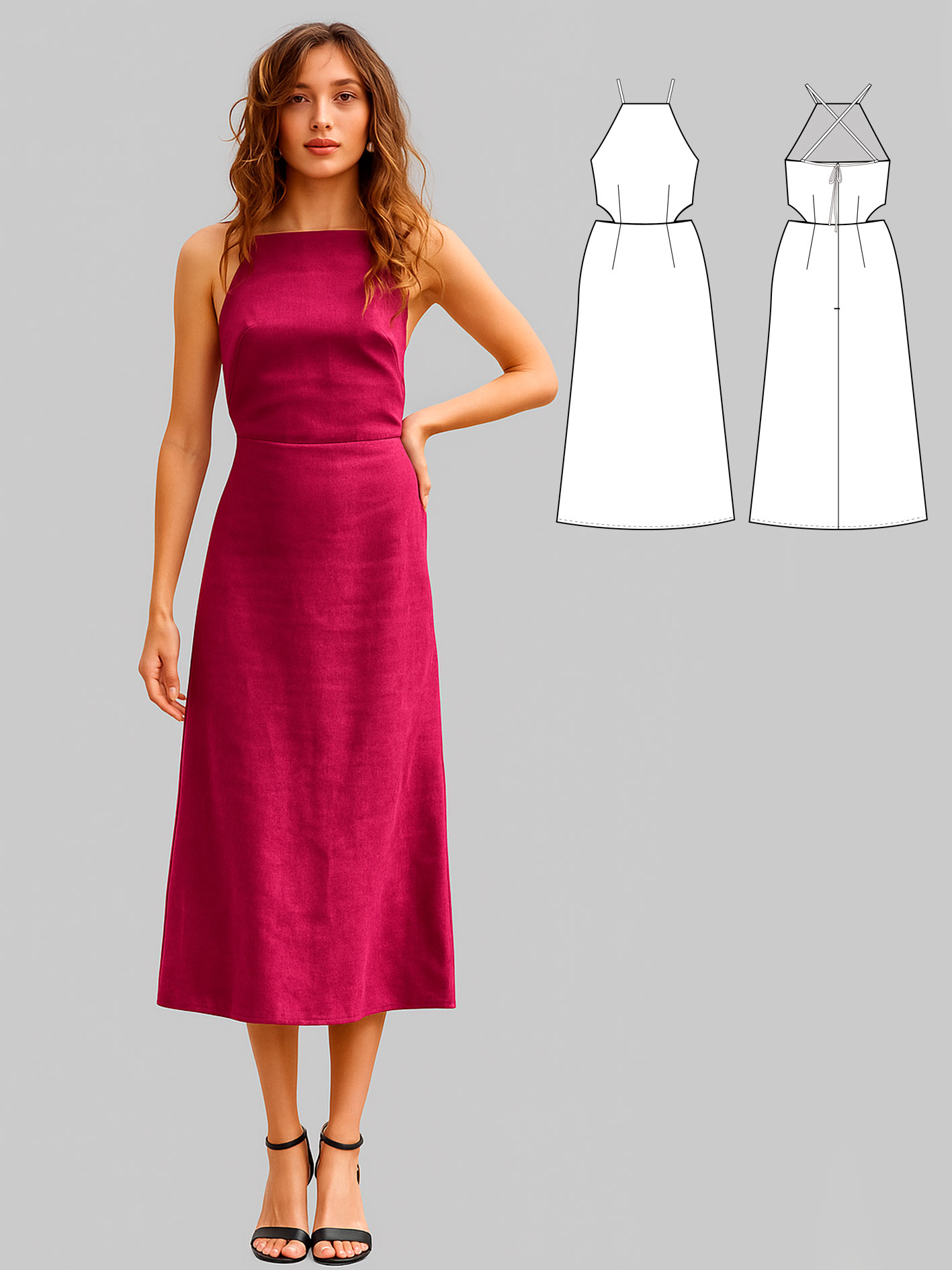
- For a navy dress: The Vivien or Barbara party dress patterns in navy viscose or cotton sateen produces the kind of dress that works at a wedding, a dinner, or a summer celebration — and that photographs beautifully.
- For a white dress: The Victoria V-neck dress in white cotton or cotton-linen blend is the summer staple that earns its place in a wardrobe from the first wearing. Check opacity before cutting and add a simple slip lining if needed.
- For a linen dress: The Margaret or Victoria patterns in natural or cream linen — or one of the blue-toned linens that arrive in shops every spring — produce a garment that will still look right in ten years. Press the seams well and embrace the wrinkles.
Frequently Asked Questions
Why is navy blue popular in summer?
Navy blue is popular in summer for both historical and practical reasons. Historically, it traces back to the Royal Navy uniforms regulated in 1748, and gained its summer association through the Breton stripe introduced into French naval uniform in 1858, then translated into civilian fashion by Coco Chanel in 1917. Practically, navy is dark enough not to show summer stains as readily as white, but reflects enough light to stay cooler than black in outdoor heat. It's a neutral that works with every skin tone and every accent colour.
What is a Breton stripe?
A Breton stripe is the horizontal navy-and-white striped pattern that originated in the French Navy uniform. Regulations of 27 March 1858 introduced the blue-and-white marinière, with the body having 21 white stripes — each twice as wide as the 20-21 navy blue stripes. The number 21 reportedly represented Napoleon's naval victories. The practical purpose was to make a sailor who had fallen overboard easier to spot against dark water. Coco Chanel adapted it for women's resort wear in the 1910s, and it has been a fashion classic ever since.
Is linen good for hot weather?
Yes, linen is one of the best fabrics for hot weather. Its fibres have a hollow core that allows air to move through the fabric, providing constant cooling between the fabric and the skin. Linen absorbs moisture (including perspiration) efficiently and dries quickly, which is exactly the mechanism that keeps the body cool. It has been the default hot-weather fabric in Mediterranean and Egyptian cultures for thousands of years — and no synthetic fabric has convincingly replicated its combination of breathability and moisture management.
Does linen really wrinkle a lot?
Yes, linen wrinkles — this is a consequence of the same fibre structure that makes it breathable and absorbent. You can minimise wrinkles through careful pressing and immediate removal from the dryer, but the more sensible response is to make peace with them. A linen dress with the gentle creases of a day's wear doesn't look unkempt; it looks like someone who is comfortable, unhurried, and at ease in the heat — which is precisely the aesthetic the navy-white-linen palette has always projected.
Is white actually the coolest colour to wear in summer?
Yes, scientifically. White reflects the full visible spectrum of light rather than absorbing it, so white fabric surfaces stay considerably cooler in direct sunlight than any other colour. In tests comparing shirt colours in sun, white registers around 30°C surface temperature, compared to around 50°C for dark green and over for black. The one practical complication is opacity — very lightweight white fabrics can be partially transparent, requiring a lining or careful undergarment choices. Good-weight cotton or linen in white is generally opaque enough.
How do I build a summer wardrobe around navy, white, and linen?
Treat navy as the anchor (a navy dress or trousers, which work with white, cream, yellow, terracotta, coral and red as accents). Treat white as the canvas (the most versatile garment — a white dress or linen shirt makes everything else more useful). Treat linen in natural, cream, or sand as the third texture that's neither navy nor white but works with both. Any combination of the three works together, and any one can be the starting point for a broader wardrobe.
Is linen hard to sew with?
No — linen is one of the most satisfying fabrics for a home sewist to work with. It cuts cleanly, doesn't fray excessively at the edges, presses beautifully, and produces finished seams that lie flat and look professional without requiring advanced techniques. It's more forgiving than viscose, more stable than jersey, and considerably easier to handle than silk or chiffon. A linen summer dress is an excellent project for any sewist from intermediate level upward.
Sew the summer palette
Keep reading

The Best Colours to Wear in Hot Weather
The science behind why white reflects heat, why black is more complicated than you think, and what the research really shows.
Read more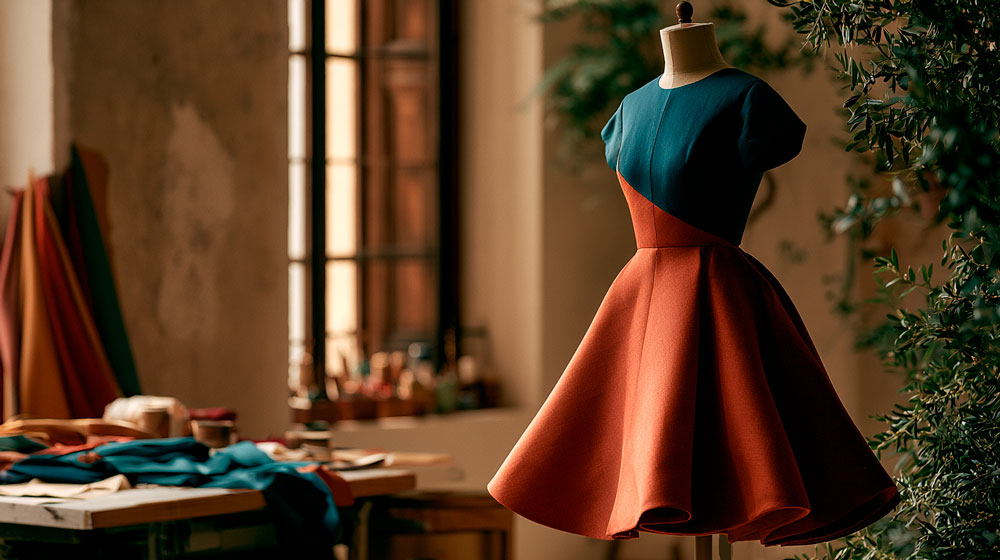
Colour Blocking for Home Sewers
How to use two colours in one garment — navy bodice with white skirt is the formula that's been correct for a century.
Read more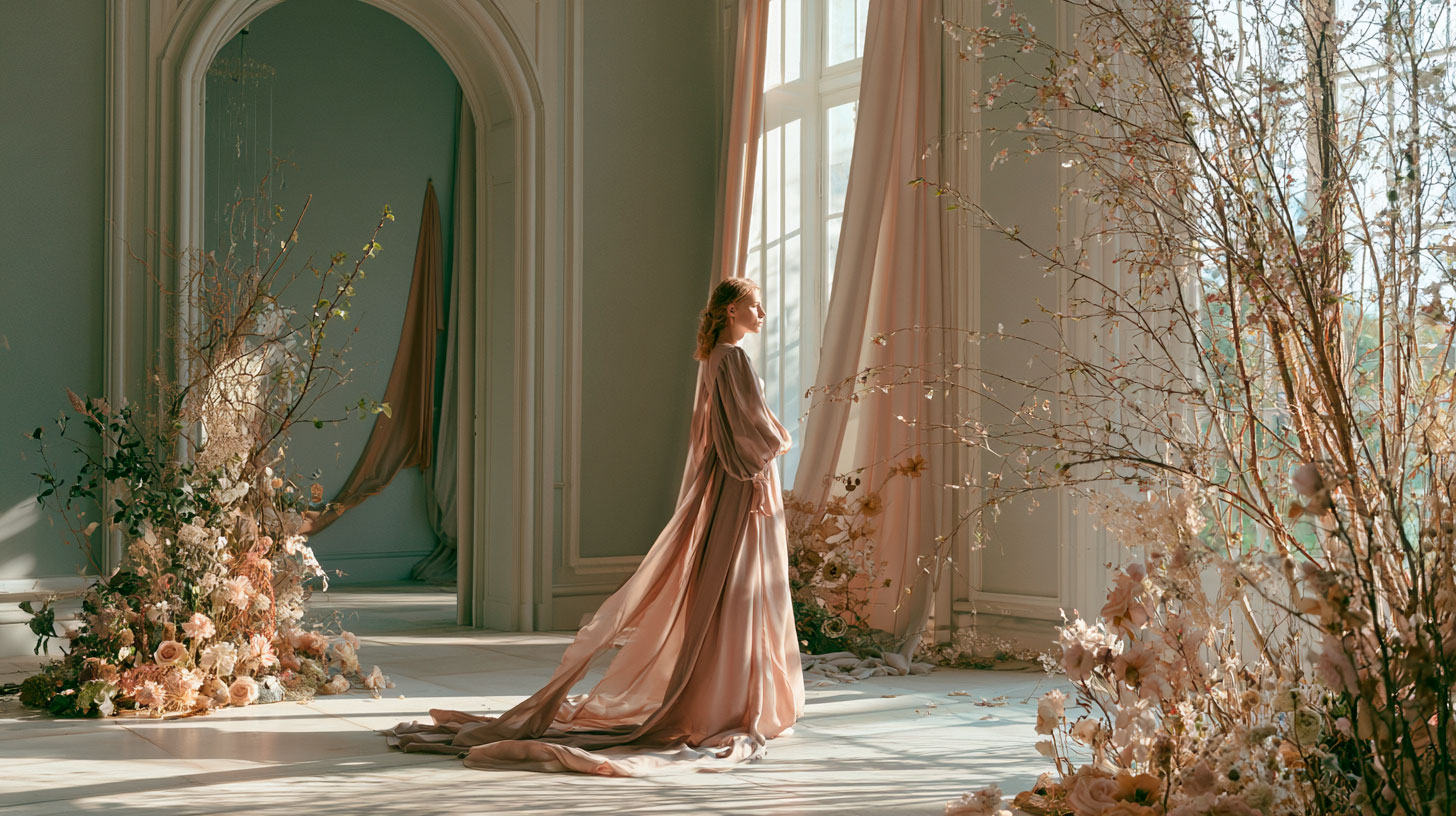
How to Choose Colours That Flatter Your Figure
Placement, undertone, contrast — the three dimensions of choosing a colour that genuinely flatters.
Read more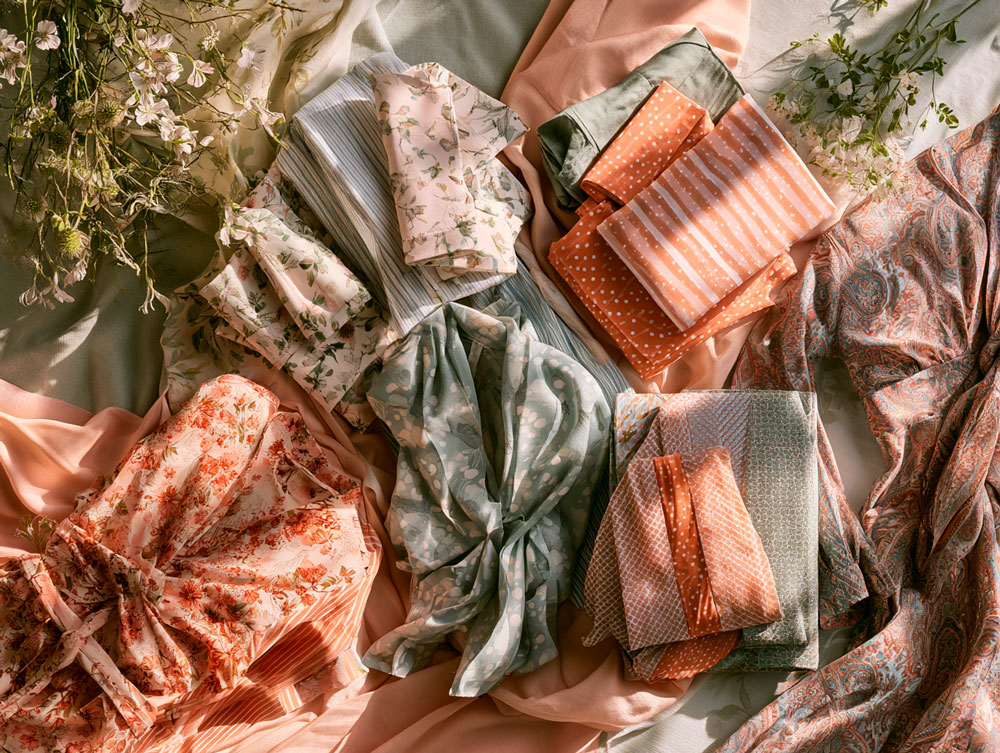
The Best Prints and Patterns for a Summer Dress
Florals, stripes, polka dots, geometrics — what each does, what to avoid in heat, and how to choose.
Read more
Why Choosing the Right Fabric Matters
Linen, cotton, viscose — how to choose the right one for the dress you want to make.
Read more
Press to Impress
Even linen, which is meant to wrinkle, looks more polished when pressed properly before each step.
Read more