
What Makes a Good Party Dress Pattern? 5 Things to Look For Before You Cut
There is a particular kind of disappointment that every sewist knows. You find a pattern you love. You buy beautiful fabric. You spend a weekend sewing. And then, when the dress is on and you look in the mirror, something is not quite right. The bodice pulls slightly. The skirt hangs unevenly. The whole thing is wearable, technically, but it isn't what you imagined — and you can't quite identify where it went wrong.
In most cases, the problem started before the fabric was cut. It started at the pattern itself.
A party dress has higher stakes than an everyday summer dress. It's the garment you'll wear to an occasion that matters — a wedding, a dinner, a celebration. It needs to look right, fit well, and be comfortable enough to wear for an entire evening. Learning to evaluate a pattern before you commit is one of the most useful skills a home sewist can develop.
Before you buy fabric, check five things in a party dress pattern: ease (is there finished-garment measurement data, and enough room to move?), the zip (long enough, well placed, invisible?), the neckline finish (faced or lined, with clear instructions?), the grainline (marked clearly on every piece?), and the instructions (logical sequence, diagrams, ideally a video). Five yeses means the pattern is likely to give you the dress you're imagining.
The Five Checks, at a Glance
If you're scanning rather than reading, here's the whole guide in one table.
| Check | What to look for | Red flag |
|---|---|---|
| 1. Ease | Finished-garment measurements; 2–4cm ease at bust, 2–3cm at waist | No finished measurements given |
| 2. Zip | Long enough to step in; practical position; invisible type | Zip ending at the waist; no insertion guidance |
| 3. Neckline finish | Facing or full lining, with pressing & understitching steps | Facings specified but no understitch guidance |
| 4. Grainline | Clear arrows on every piece, long enough to measure | Missing or vague grainline markings |
| 5. Instructions | Logical sequence, diagrams at each step, video tutorial | Text-only, vague steps like "ease the sleeve" |

Ease Allowance: Is There Enough Room to Actually Wear It?
Ease is one of the most misunderstood concepts in sewing, and it's the single most common source of a dress that "technically fits" but feels or looks wrong on the body.
Ease is the difference between your body measurements and the finished garment measurements. It exists because a dress cut to your exact measurements would compress and restrict you when you move — sitting, reaching, turning, dancing. The ease is the extra room that lets the garment work with your body rather than against it.
For a party dress, ease requirements depend on the silhouette:
- A fitted bodice typically has around 2–4cm of ease at the bust and 2–3cm at the waist. Less than this, and the dress feels tight when you sit or reach; more, and it looks baggy at the bust.
- A full skirt doesn't require calculated ease in the same way — its volume provides its own room — but it must be wide enough at the hem to allow a comfortable stride.
How to check: A good pattern provides both a body measurement chart and a finished garment measurement chart. Compare the two for the size you're making. If the pattern doesn't include finished measurements, that's itself a red flag.
The Zip and Its Placement: Can You Actually Put It On?
Zips in party dresses are a test of a pattern's thoughtfulness. A poorly placed zip — too short, positioned awkwardly, or in a spot that makes dressing unaided impossible — can turn an otherwise beautiful dress into a practical nightmare on the night you want to wear it.
Before cutting, check three things:
Length. The zip needs to be long enough to step into or pull on the dress easily. For a fitted bodice with a full skirt, it typically extends from the neckline to at least the hip — the point where the skirt flares enough to allow entry. A zip ending at the waist is often too short, making you wriggle in and stressing the seams.
Position. Most party dress zips sit at the centre back, meaning you need help or a very long arm. If you regularly dress alone, look for patterns with side-seam zips, or consider whether the centre-back position works for your actual life.
Type. An invisible zip produces a cleaner finish — no visible tape or teeth on the right side. It's slightly more demanding to insert, but the result is significantly more professional. A good pattern specifies an invisible zip and includes clear insertion instructions.
Neckline and Bodice Finish: How Are the Raw Edges Handled?
The inside of a party dress matters — not because anyone will see it, but because the way the inside is finished affects how the dress sits on the body, how long it lasts, and how comfortable it is against the skin.
The neckline and armholes of a fitted party dress need to be finished cleanly, so that no raw edges show, the edges lie flat, and the neckline holds its shape through an evening of wear. There are two main approaches:
- Facings — separate pieces sewn to the inside of the neckline and armhole edges and folded under. The standard method; produces a clean, flat edge when sewn and pressed well, and entirely achievable for an intermediate sewist.
- Lining — the bodice is lined in its entirety, producing the cleanest possible interior and the most comfortable feel against the skin (useful for stiffer fabrics like brocade or taffeta). Slightly more complex, but noticeably more polished.
Make sure you understand which method the pattern specifies. A pattern that calls for facings but gives no guidance on understitching (the technique that stops the facing rolling to the outside) will produce a neckline that looks unfinished.
The skirt also needs interior finishing if the fabric is lightweight or partially sheer — in which case a slip lining keeps the dress opaque and far more comfortable. Check whether your pattern includes one or whether you'd need to add it.
Grainline Accuracy: Will the Skirt Hang Straight?
Grainline sounds technical but is simply about cutting the fabric in the right direction so the finished garment hangs correctly.
Woven fabric has a grain — the direction of the threads. Cutting pattern pieces on the correct grain means the dress hangs straight, the side seams sit at the sides of the body (not rotating to the front or back), and the hem is level all the way round.
In a party dress, grainline matters most in the skirt. A full circle skirt needs its grain correct at the centre front and back to hang evenly. If a pattern's grainline markings are imprecise or missing, the skirt can hang unevenly even when the sewing is perfect — a frustrating result after careful construction.
What to look for: clear grainline arrows on every pattern piece, long enough to place accurately against the selvedge (the woven edge of the fabric). The grainline should run parallel to the selvedge.
Before you cut, place the piece on the fabric and check the grainline arrow is the same distance from the selvedge at both ends. Two minutes of checking prevents a skirt that hangs crookedly.
Check 5Instructions and Support: Will You Know What to Do?
The quality of a pattern's instructions is hard to judge from the cover image, but it makes an enormous difference — particularly in a party dress, which has more complex construction than an everyday garment. Good instructions include:
- A logical construction sequence — bodice assembled, then skirt, then the two joined, then zip, then neckline finished (or a sensible variation).
- Clear diagrams or photographs at each step, showing not just what to do but what the result should look like. "Ease the sleeve into the armhole" is unhelpful without a diagram.
- Specific measurements wherever they matter — seam allowances (typically 1–1.5cm), hem allowances (2–3cm for a structured hem), and zip length.
- A video tutorial — for most home sewists, the most useful form of instruction there is. Being able to watch, pause, rewind, and replay makes invisible zips, lining attachment, and neckline facings manageable even if you've never attempted them.
A Quick Checklist Before You Cut
Before committing to a party dress pattern and buying the fabric, run through this:
- Ease: Does the pattern include finished garment measurements? Is there enough ease at the bust and waist for comfortable movement?
- Zip: Is it long enough for your measurements? Is the position practical for how you dress? Are there clear instructions for a clean finish?
- Neckline & interior: Does it specify facings or lining? Are there pressing and understitching steps? Is a slip lining included or needed?
- Grainline: Are arrows marked on every piece? Are they long enough to measure against the selvedge?
- Instructions: Is the sequence logical? Are there diagrams at each step? Is there a video tutorial?
If the answer to all five is yes, you have a pattern likely to produce the dress you're imagining. If several are no or unclear, consider whether you have the experience to fill in the gaps — or whether a different pattern might serve you better.
Frequently Asked Questions
What is ease allowance in a sewing pattern?
Ease is the difference between your body measurements and the finished garment measurements. It's the extra room that lets a dress move with your body rather than against it. A fitted party-dress bodice typically has around 2–4cm of ease at the bust and 2–3cm at the waist — enough for comfortable movement without looking loose. Too little ease feels tight when you sit or reach; too much looks baggy.
How long should the zip be on a party dress?
For a fitted bodice with a full skirt, the zip should extend from the neckline to at least the hip — the point where the skirt flares enough to let you step in or pull the dress on. A zip that ends at the waist is often too short, forcing you to wriggle in and stressing the seams. Always check the pattern's specified zip length against your own measurements before cutting.
What's the difference between a facing and a lining?
A facing is a separate piece sewn to the inside of the neckline and armhole edges and folded under to create a clean finish — the standard method, achievable for an intermediate sewist. A lining covers the entire bodice interior, producing the cleanest possible finish and making the dress more comfortable against the skin, especially with scratchy fabrics like brocade or taffeta. A lined bodice is slightly more complex but more polished.
What kind of zip is best for a party dress?
An invisible zip gives the cleanest finish on a party dress — no visible zip tape or teeth on the right side of the fabric. It's slightly more technically demanding to insert than a standard zip, but the result looks significantly more professional. A good party dress pattern specifies an invisible zip and includes instructions (ideally a video) for inserting it cleanly.
What is grainline and why does it matter?
Grainline is the direction of the threads in woven fabric. Cutting pattern pieces on the correct grain ensures the dress hangs straight, the side seams sit at the sides of the body, and the hem is level all the way round. It matters most in the skirt — a full circle skirt cut off-grain can hang unevenly even when the sewing is perfect. Always check the grainline arrow is the same distance from the selvedge at both ends before cutting.
Why are finished garment measurements important on a pattern?
Finished garment measurements tell you what the actual sewn dress will measure, as opposed to the body measurements the size is designed for. Comparing the two lets you see exactly how much ease a pattern has and choose the right size with confidence before cutting. If a pattern doesn't include finished measurements at all, that's a red flag.
Is a party dress harder to sew than a summer dress?
Generally yes — a structured occasion dress has more steps than a simple summer dress: a fitted bodice, an invisible zip, a neckline facing or full lining, and often a slip-lined skirt. None of these is beyond an intermediate sewist, but they reward a well-written pattern with clear instructions, and they're considerably easier to learn from a video tutorial than from written steps alone.
Shop these patterns
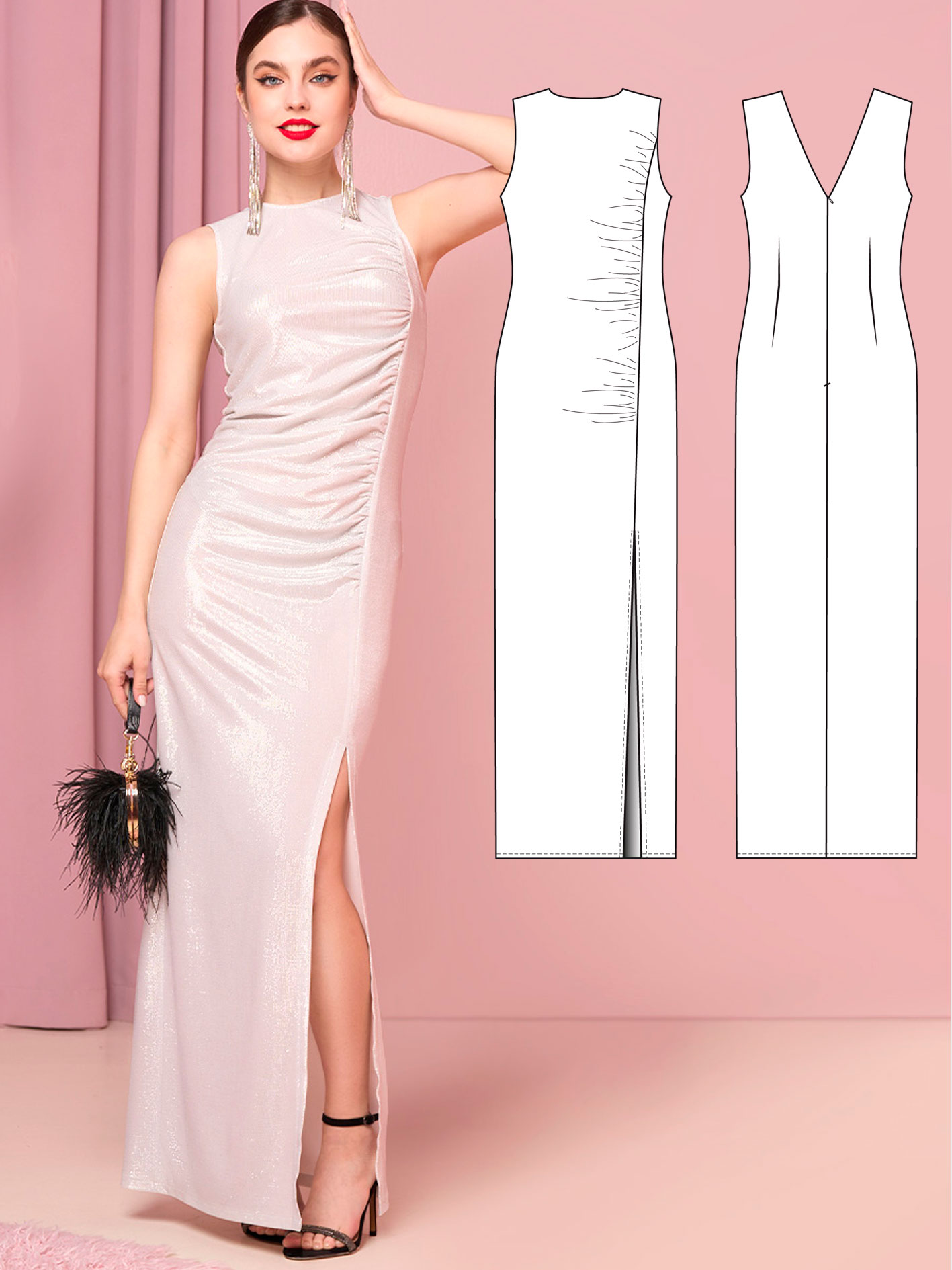
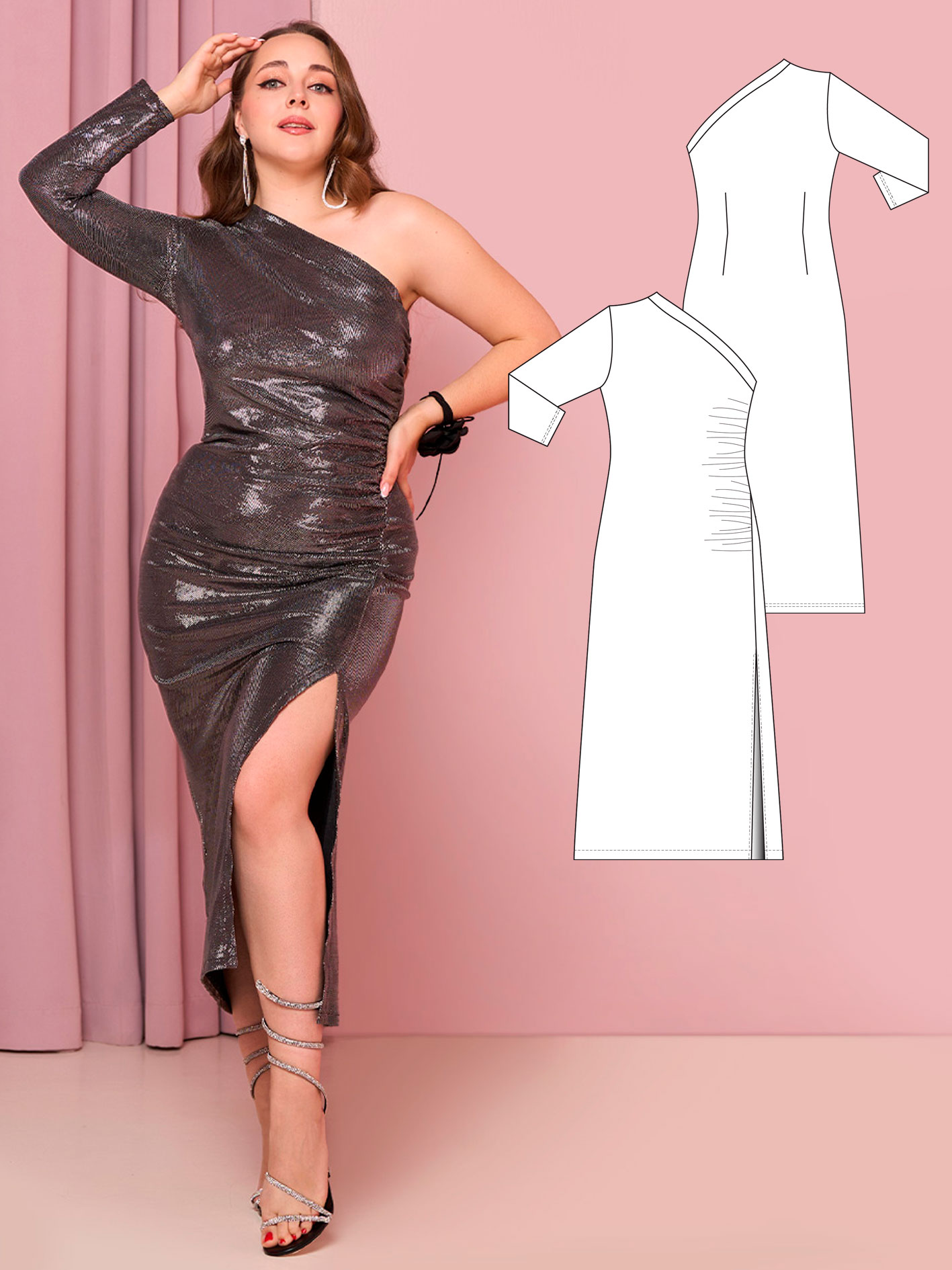
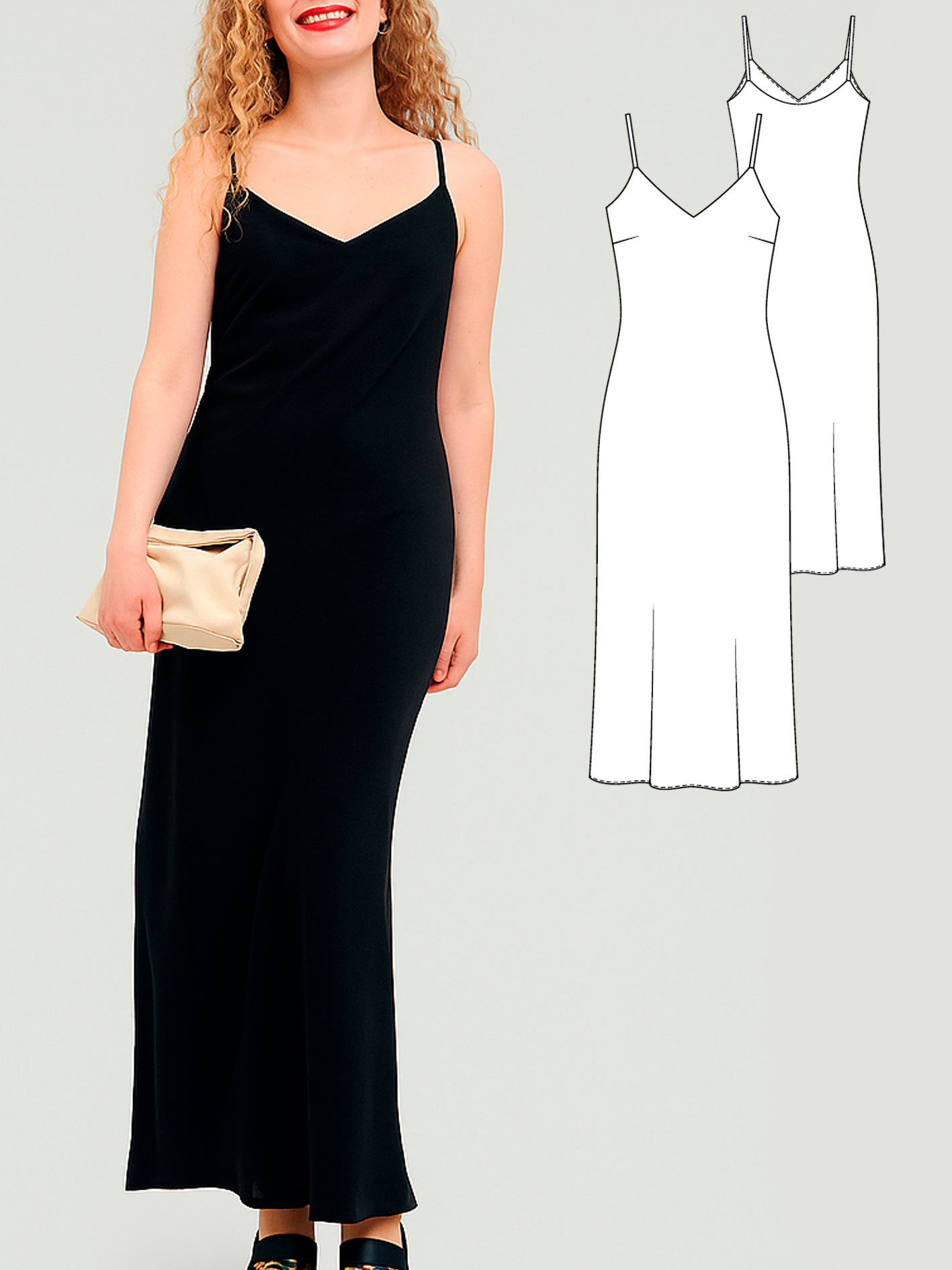
Keep reading

Behind the Pattern
What actually goes into the PDF that lands in your inbox — and why a well-graded pattern is worth more than its price tag.
Read more
Why Choosing the Right Fabric Matters
The same pattern behaves completely differently in taffeta versus crepe. Here's how to choose the right fabric.
Read more
Press to Impress
Pressing facings and seams as you go is what makes a party dress neckline look professional, not homemade.
Read more
Thread, Click, Sew.
Free online sewing resources every beginner should know — courses, channels, and communities worth bookmarking.
Read more
Beyond the Seam
From sewing alone to finding your creative community — where to look and what changes when you do.
Read more
From Tossed to Treasured
A quiet revolution in sewing rooms — turning fast-fashion castoffs into the wardrobe you actually want.
Read more