How to Choose the Right Dress Silhouette for Your Body Shape
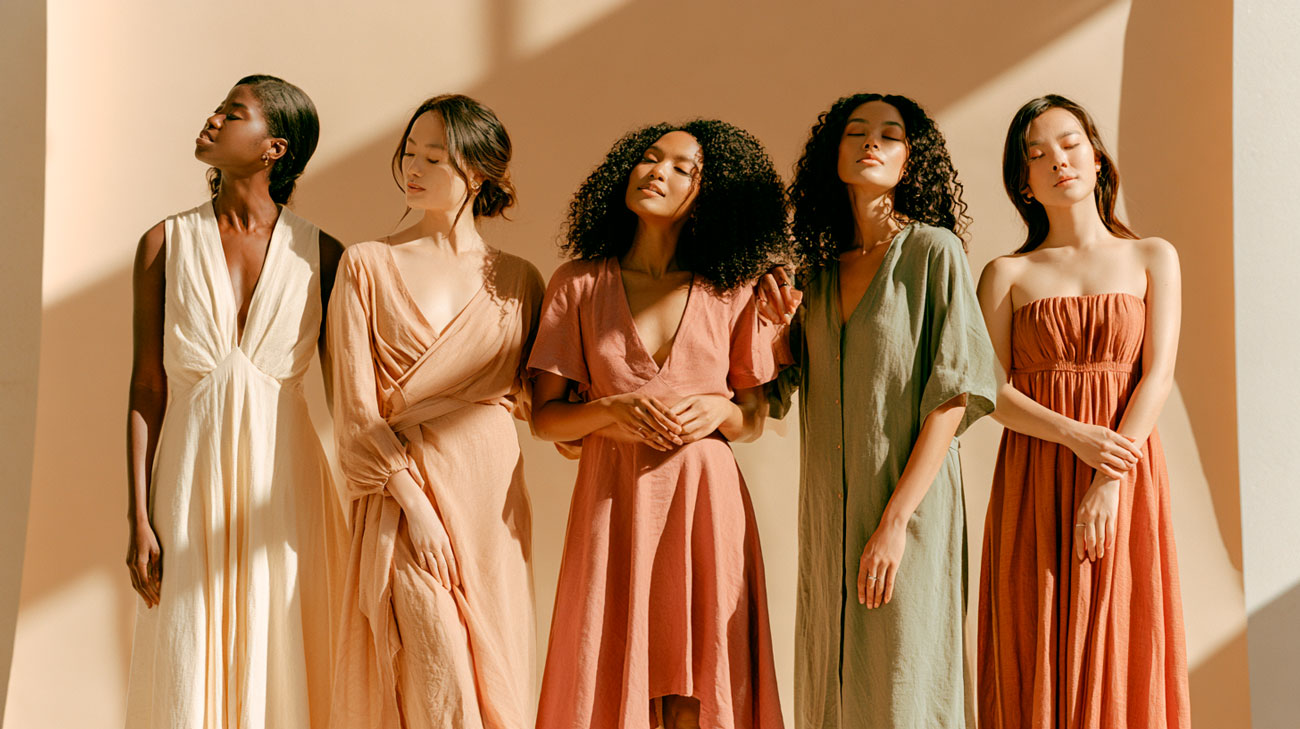
Let's start with what this guide is not. It isn't a list of things you're forbidden to wear. It isn't a set of rules about which silhouettes are "wrong" for certain figures. And it's not going to tell you to "hide" any part of your body — because no part of your body needs hiding.
What this guide is, is a practical explanation of how different dress silhouettes interact with different proportions — and why some shapes consistently feel more comfortable, more balanced, and more right on certain figures than others. Understanding the principles behind this is genuinely useful, particularly when you're sewing your own clothes and choosing which pattern to make. It means you can make confident decisions rather than guessing — and when you do want to experiment with something outside the "expected," you'll understand exactly why.
The goal of understanding dress silhouettes is not to look a certain way — it's to feel exactly the way you want to feel when you put the dress on. The A-line is the most universally flattering shape; the wrap adjusts to your own body; the fit-and-flare creates curves on any figure; the shift celebrates a straight line; and the empire waist offers length and ease. None of them is a rule. All of them are tools.
Every Silhouette, at a Glance
If you're scanning rather than reading, here's the whole guide in one table.
| Silhouette | What it does | Especially suits |
|---|---|---|
| A-line | Defines the waist, skims the hips with a gentle flare | Almost everyone — pear, apple, hourglass, petite, tall |
| Wrap | Ties to your own waist; V-neck lengthens the torso | Hourglass, fuller bust, pear |
| Fit-and-flare | Fitted bodice + full skirt = an hourglass on any figure | Straight / rectangular, petite |
| Shift | Straight column, nothing clings, clean and elongating | Apple, straight / angular, any figure |
| Empire waist | Seam below the bust, long uninterrupted line to the hem | Apple, fuller waist/hip, tall |
| V-neckline | Vertical line that lengthens and narrows the upper body | Fuller bust, broad shoulders |
First: Know Your Silhouette
Before choosing a dress shape, it helps to have a rough sense of your own proportions. You don't need to measure obsessively or sort yourself into a rigid "body type." Just notice three things:
- Where is your body widest? Shoulders, hips, or roughly the same?
- Do you have a visible waist — a narrowing between the ribcage and hips — or is your torso fairly straight?
- Are your shoulders and hips roughly the same width, or is one noticeably wider than the other?
These three questions are all you need to answer. From there, the logic of dress silhouettes is straightforward.
The Most Universally Flattering Shape
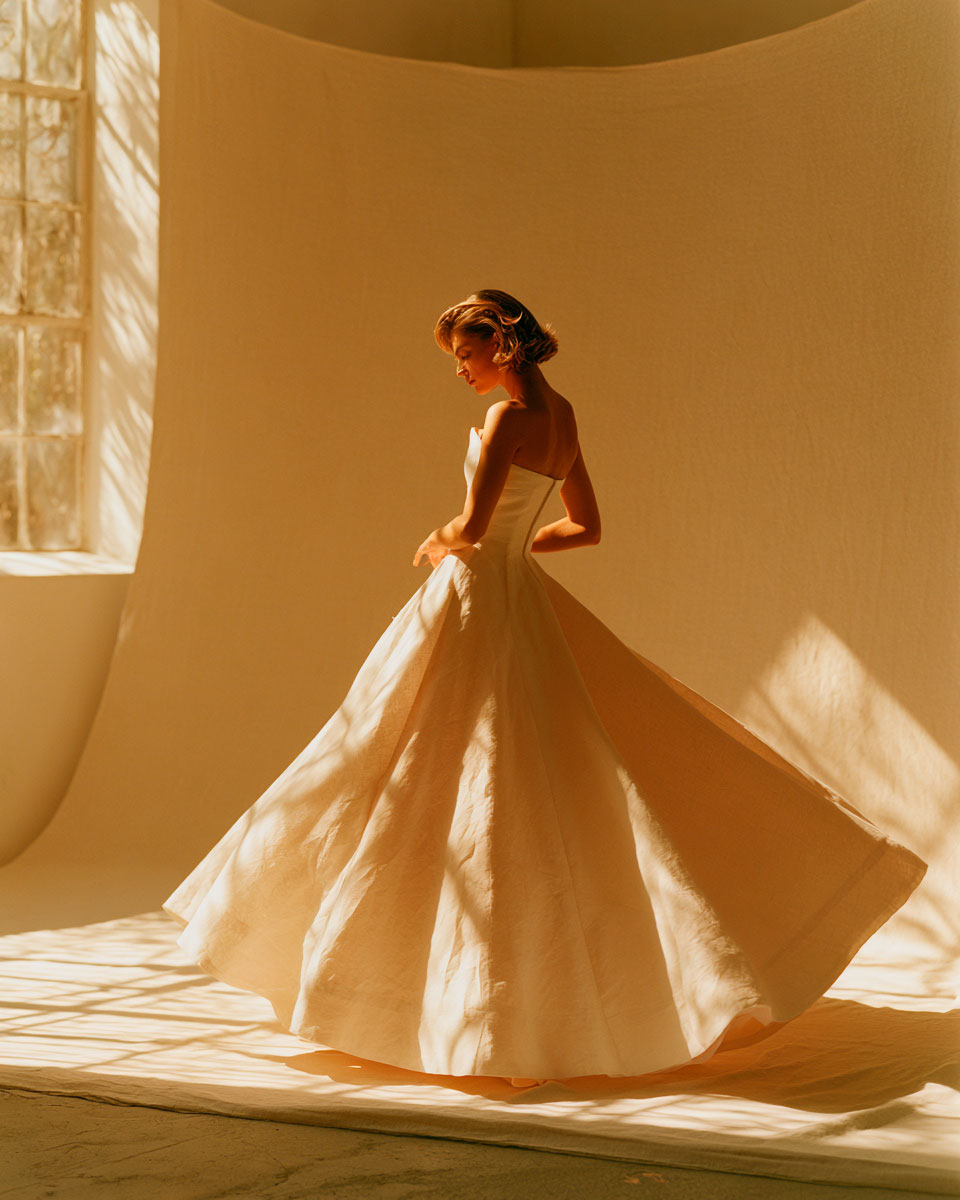
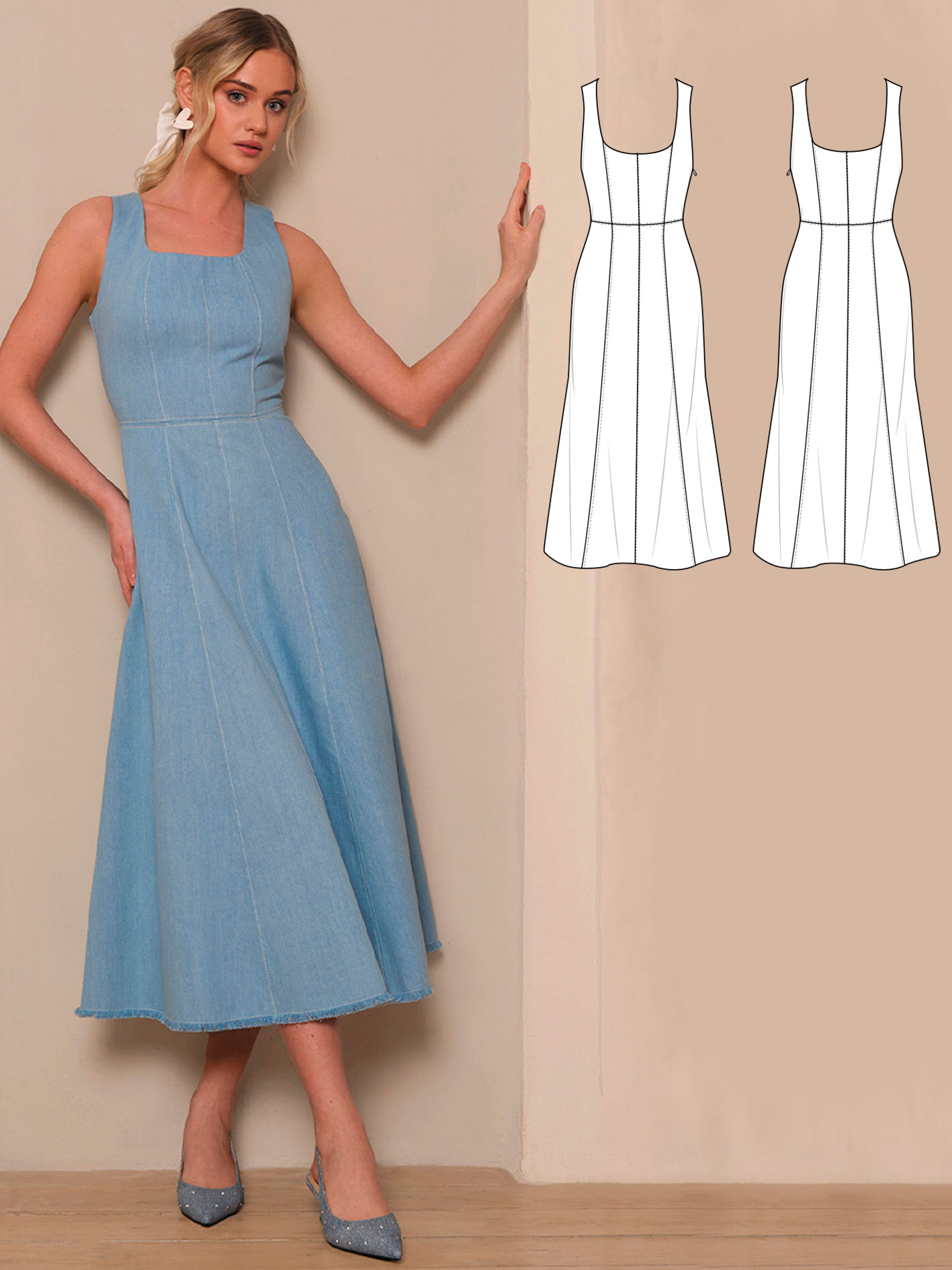
The A-line dress is fitted through the bodice and flares gently from the waist, creating a shape that mirrors the letter A. First named by Christian Dior in the 1950s, it has remained a consistent favourite across every decade since — because it works well on almost every body shape.
Why it works so widely: the A-line creates a defined waist — even a gentle one — and allows room through the hips and thighs without clinging. The eye reads the nipped-in point at the waist as waist definition, and the gentle flare of the skirt creates balance below it. This makes it particularly useful for pear-shaped figures (narrower shoulders, fuller hips), where the flare brings the upper and lower body into balance, and for apple-shaped figures (fuller at the midsection), where the skirt's ease means nothing clings.
It also works beautifully for hourglass figures who want to show the waist without a body-skimming fit; for petite figures, where a shorter A-line lengthens the leg visually; and for taller, straighter figures, where it adds the suggestion of curves at the hip.
The Shape That Adjusts Itself
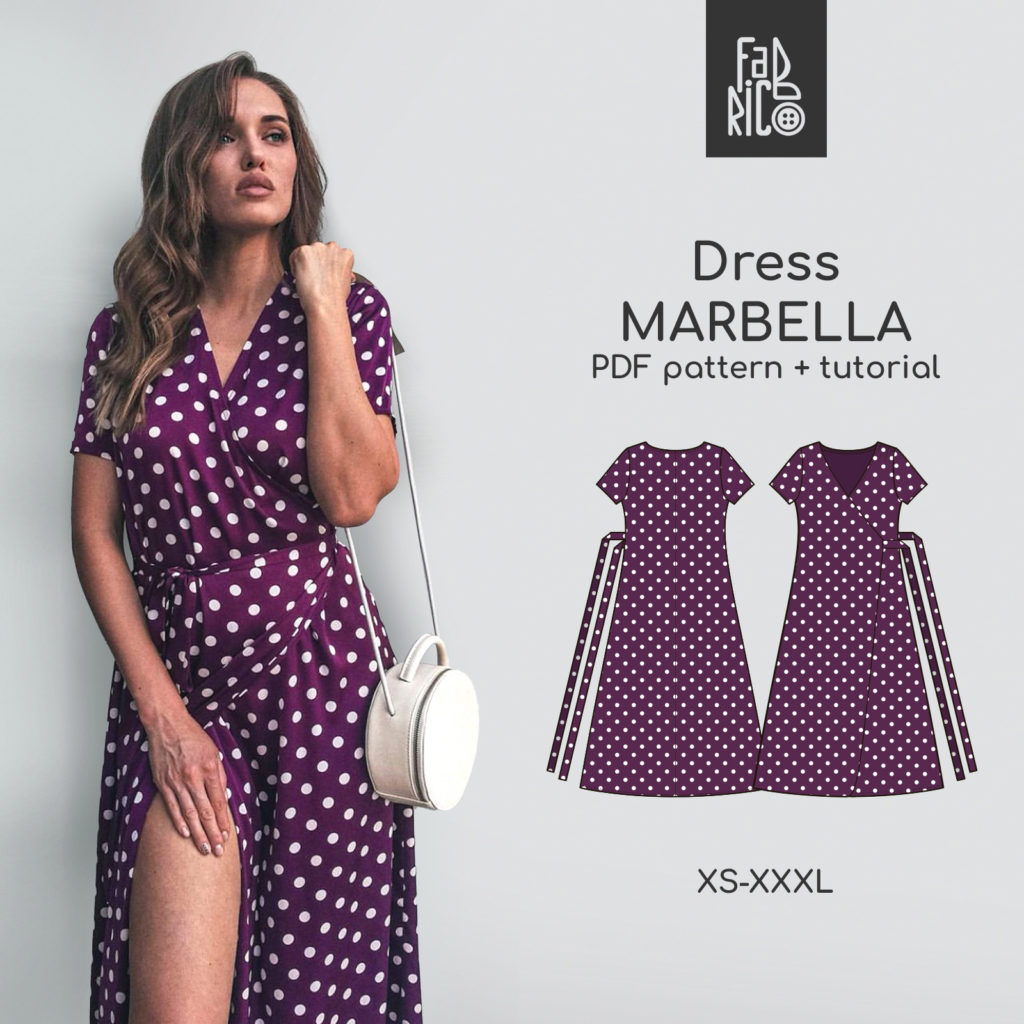
The wrap dress is one of the most intelligent garment designs ever produced: a dress that ties at the waist, which means it automatically adjusts to the individual wearer's waist position and fullness. Unlike a dress with a fixed seam waist, the wrap responds to the actual body wearing it.
Why it works so widely: the wrap creates a V-neckline, which is vertically lengthening; it defines the waist at whatever point the wearer ties it, so it works for a range of waist heights; and the draped, crossed bodice adds volume at the bust for those who want it and skims neatly for those who don't.
The wrap is particularly celebrated for hourglass figures, where it follows the natural waist beautifully. It's also very effective for fuller busts, where the adjustable neckline can be tied to whatever depth is comfortable. For pear shapes, the V-neckline draws the eye upward and the tied waist can sit at the narrowest point of the torso.
One consideration: the classic wrap bodice, crossed over a full bust, can sometimes gap. If that's a concern, look for wrap patterns with a fixed wrap front (the look of a wrap without the functional opening), or be prepared to add a small snap or stitch at the crossing point.
Drama with Structure
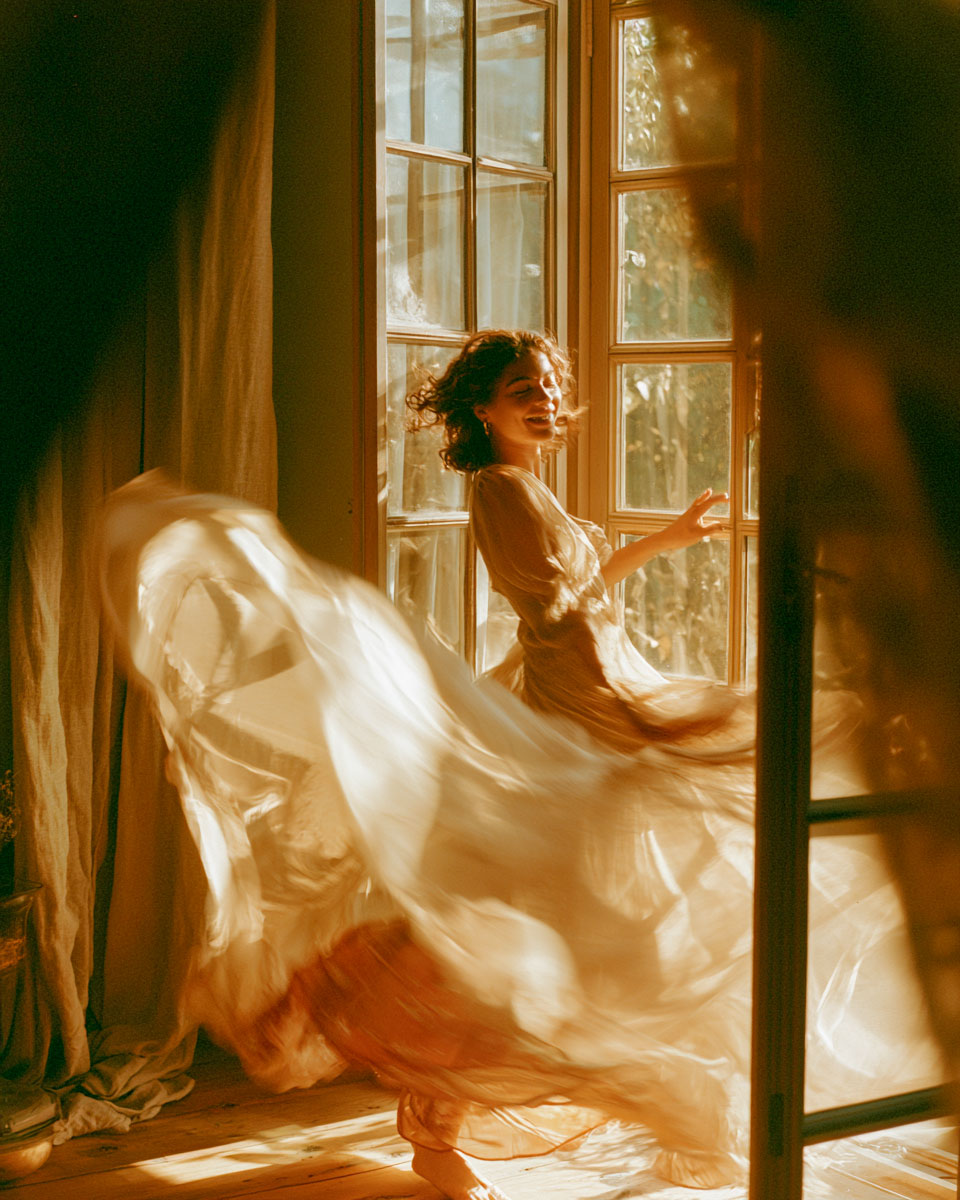
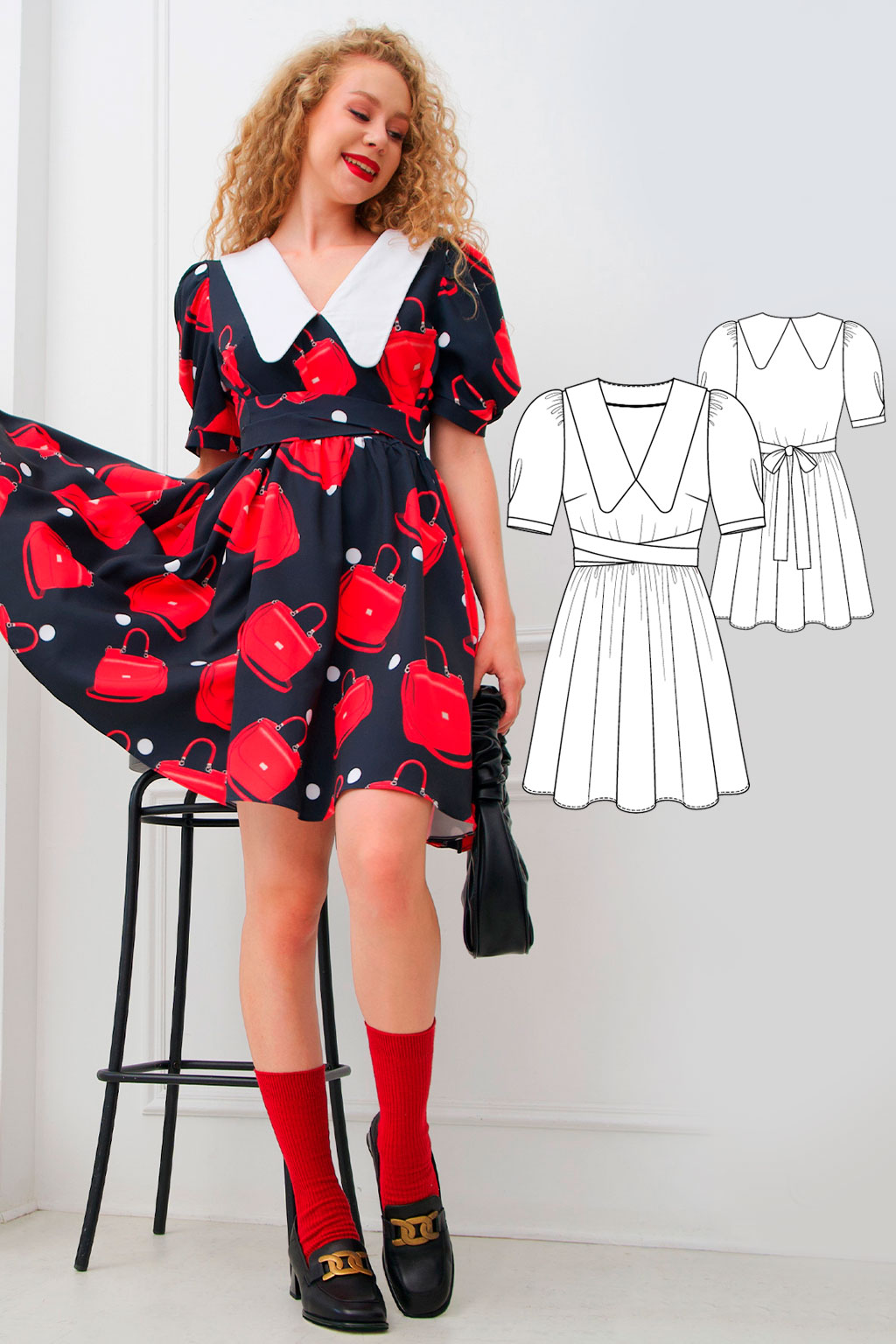
The fit-and-flare (also called a swing dress or skater dress) is fitted closely through the bodice and flares dramatically at the waist into a full, circular or gathered skirt. It's the silhouette most associated with the 1950s, and it has never really gone out of fashion because it does something very few dress shapes can: it creates the suggestion of an hourglass on every figure.
Why it works: the fitted bodice shows the upper body's shape clearly; the nipped waist creates definition even where there's little natural waist narrowing; and the full skirt adds volume below the hips, which is visually balancing for narrower hips and ample for fuller ones. The full skirt also simply feels wonderful to wear — the movement of a circle skirt as you walk or dance is one of the genuine pleasures of getting dressed.
It's particularly effective for straight or rectangular figures, where the structure creates curves the body doesn't naturally provide, and for petite figures, where the drama of the full skirt is proportionate rather than overwhelming.
The Anti-Silhouette That Is Its Own Silhouette
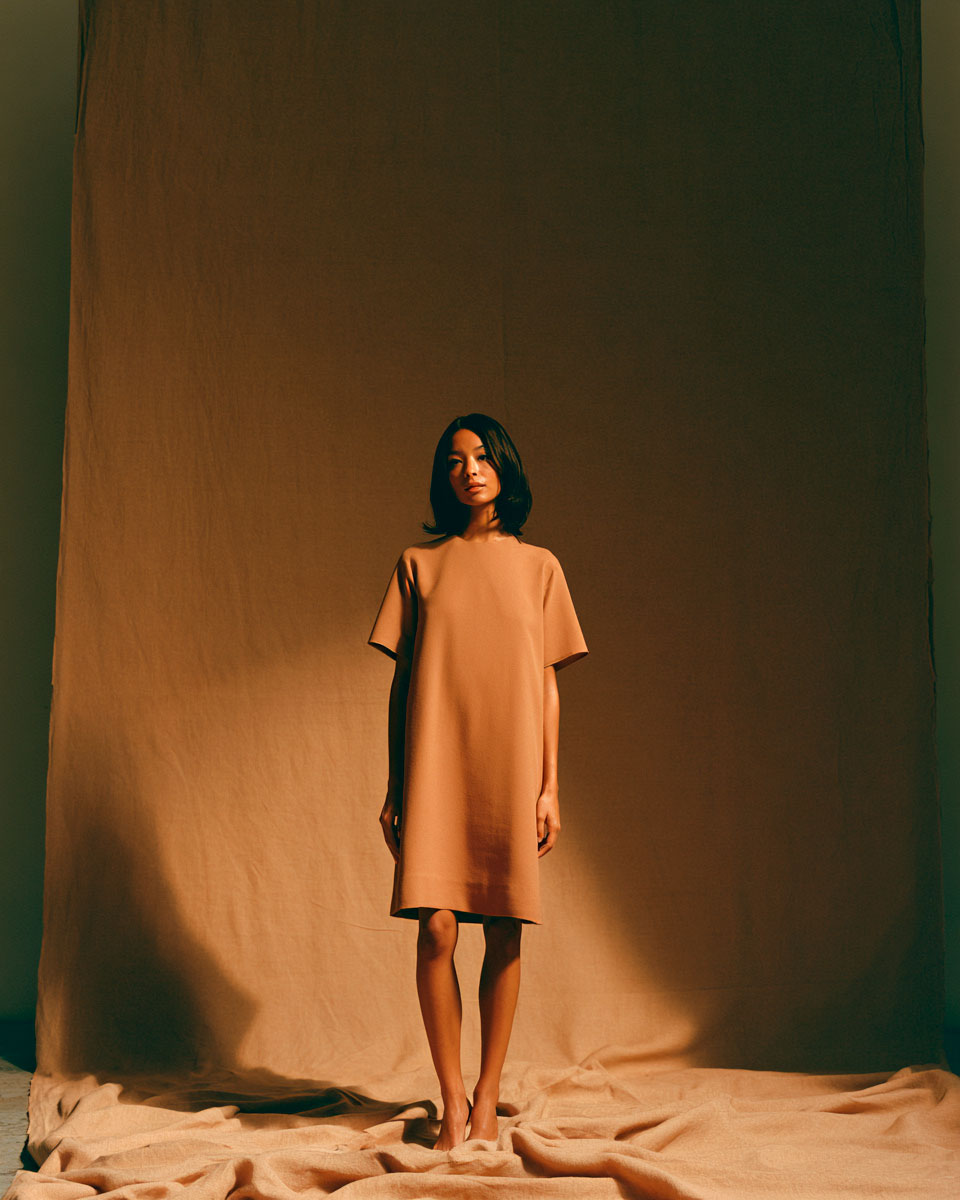
The shift dress is straight — no defined waist, no flare, no fitted bodice in the tailored sense. It hangs from the shoulders in a simple column, ending anywhere from mid-thigh to below the knee. It sounds simple, and it is — which is precisely why it has been a wardrobe essential since the 1960s.
Why it works: for figures that carry weight at the midsection, the shift is a relief — nothing clings, nothing requires fitting at the waist, and the straight line creates a clean, elongated silhouette. For straighter, more angular figures, the shift celebrates the body's natural linearity rather than trying to impose curves onto it. And for any figure, the shift is the easiest dress to make look expensive: good fabric and clean construction carry the design.
The key variable is length. A shift that hits above the knee reads as young and casual; at the knee, as classic and versatile; below the knee or at the ankle, as elegant and formal. The same silhouette at three lengths produces three entirely different effects.
Empire WaistLength and Ease
The empire-waist dress raises the seam to sit just below the bust, then falls in a soft, flowing line to the hem. It's a silhouette borrowed from early 19th-century fashion — Regency and Napoleonic-era dresses used this line — and it has returned repeatedly throughout fashion history because it solves a specific problem elegantly.
Why it works: the empire waist draws the eye to the bust and chest, typically the narrowest points of the torso, and creates the visual impression of a very long, slim lower body by letting the fabric fall in an uninterrupted line from just below the bust to the hem. This is particularly useful for figures that carry volume at the waist or hips, for anyone who finds waist-seamed dresses uncomfortable, and for taller figures, where the vertical line of the falling skirt is most effective.
One thing to know: the empire waist is sometimes avoided by women with larger busts, because the seam sitting directly below the bust can feel visually emphasising. Whether this feels right is entirely personal — many women with fuller busts love the empire line; others prefer the bodice structure of a fitted-waist silhouette.
V-NeckThe Detail That Changes Everything
This isn't a silhouette in itself, but it's worth a specific mention because the neckline of a dress can shift its effect considerably. A V-neck creates a vertical line that draws the eye downward and inward — lengthening the appearance of the torso and, for fuller busts, creating a visual narrowing that feels both comfortable and elegant.
For women with broad shoulders or a wider upper body, a V-neck is particularly effective: the converging lines lead the eye inward and downward, creating a narrowing effect at the widest point of the upper body. For women with very narrow shoulders, a V-neck can feel like it narrows the shoulder line further — in which case a square or boat neck, which draws the eye horizontally, may feel more balanced.
Quick Reference: Silhouettes by Figure
Here's the same logic organised the other way around — start from your figure, and see which silhouettes tend to feel most balanced. Remember these are starting points, not limits.
| If your figure is… | Try first | Also great |
|---|---|---|
| Pear (fuller hips, narrower shoulders) | A-line | Wrap, V-neck, fit-and-flare |
| Apple (fuller midsection) | Empire waist | A-line, shift |
| Hourglass (defined waist, balanced) | Wrap | Fit-and-flare, A-line |
| Straight / rectangular | Fit-and-flare | Shift, A-line |
| Petite | A-line (shorter) | Fit-and-flare, shift |
| Tall | Empire waist | Shift, A-line |
| Fuller bust | Wrap | V-neck, A-line |
| Broad shoulders | V-neck | A-line, empire waist |
The Rule That Overrides All the Rules
Every principle in this guide is a suggestion, not a law. The logic of proportions and visual balance is real — these things do interact in the ways described above — but the most important factor in how a dress looks is how the person wearing it feels in it.
Confidence changes the way a garment reads. A woman who puts on a dress she loves and feels right in — regardless of whether it's the "theoretically correct" silhouette for her proportions — wears it better than the theoretically perfect silhouette worn reluctantly.
The goal isn't to find the shape you're "allowed" to wear. It's to understand the principles well enough to make exactly what you want.
When you sew your own clothes, you have an advantage no shop-bought garment can give you: the ability to adjust. If a pattern's waist sits slightly too high for your preference, you can move it. If the skirt is fuller than you want, you can reduce the volume. The home sewer isn't constrained by what exists in the shops — she can make the exact version of the silhouette that works for her specific body and her specific taste.
Which Fabrico Pattern Suits You?
A quick reference to match your preferences to the right starting pattern.
Universally flattering & beginner-friendly
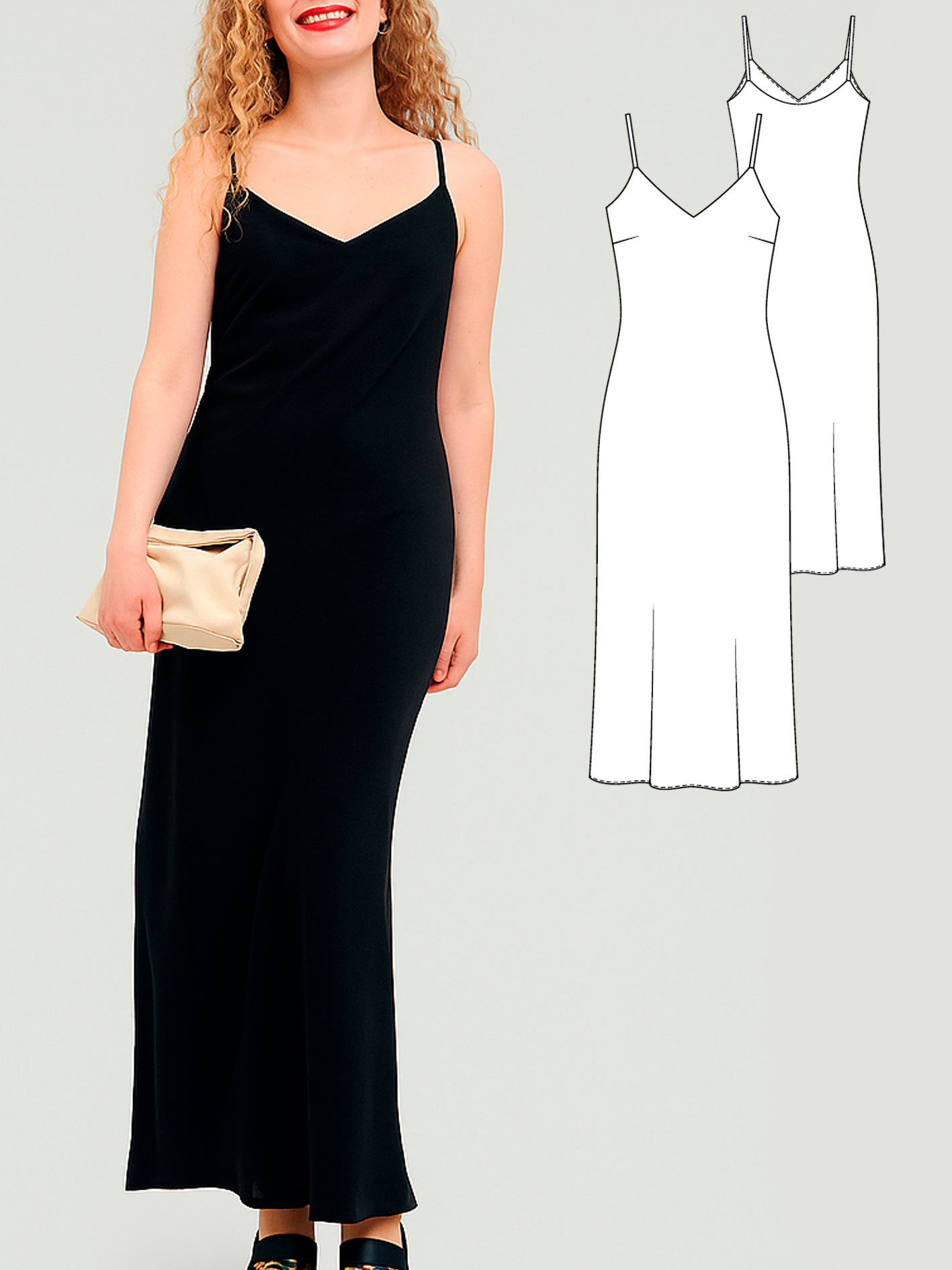
Victoria V-neck dress — A-line silhouette, V-neckline, clean and simple.
Waist definition with an adjustable fit
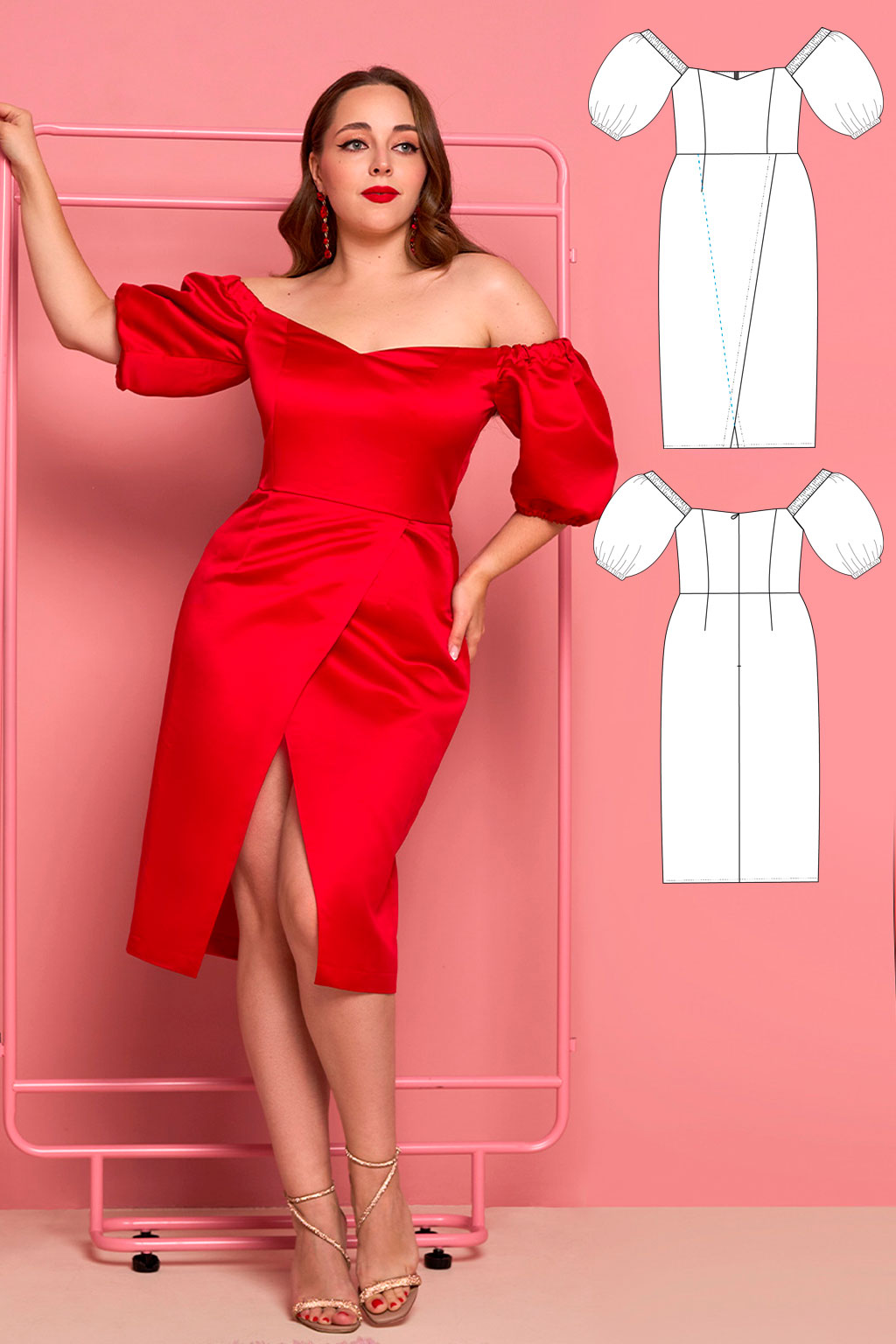
Marbella wrap dress — the wrap front adjusts to your own body naturally.
Drama and movement
Vivien or Barbara party dress — fitted bodice, fuller skirt, maximum occasion impact.
Relaxed and easy to wear
Margaret dress — a relaxed fit that flatters without requiring precise fitting.
Every Fabrico pattern comes with a full video tutorial and a complete size range. Browse the full collection and find the shape that feels right for you.
Frequently Asked Questions
What is the most universally flattering dress silhouette?
The A-line dress is the most universally flattering silhouette. Fitted through the bodice and flaring gently from the waist, it creates a defined waist while allowing room through the hips and thighs without clinging. It works well on almost every body shape — pear, apple, hourglass, straight, petite, and tall — which is why it has remained a favourite since Christian Dior named it in the 1950s.
What dress silhouette is best for a pear-shaped body?
For a pear-shaped figure (narrower shoulders, fuller hips), the A-line dress works especially well because the gentle flare of the skirt brings the upper and lower body into visual balance. A wrap dress is also effective, since its V-neckline draws the eye upward and the tied waist can be positioned at the narrowest point of the torso. Both create balance without clinging at the hips.
What dress is best for an apple-shaped body?
For an apple-shaped figure (fuller at the midsection), the A-line and empire-waist silhouettes work well because nothing clings at the waist. The empire waist sits just below the bust and falls in an uninterrupted line, while the A-line skims the midsection with ease. The shift dress is another comfortable option, as its straight line creates a clean, elongated silhouette.
What dress silhouette suits an hourglass figure?
An hourglass figure (defined waist, balanced shoulders and hips) is beautifully suited to the wrap dress, which follows the natural waist, and the fit-and-flare, which showcases the waist definition. Both silhouettes highlight the natural balance of the figure rather than imposing or hiding any proportion.
What is an A-line dress?
An A-line dress is fitted through the bodice and flares gently from the waist to the hem, creating a shape that mirrors the letter A. First named by Christian Dior in the 1950s, it defines the waist while allowing ease through the hips, which makes it one of the most consistently flattering and beginner-friendly silhouettes.
What body type is a wrap dress good for?
The wrap dress suits almost every body type because it adjusts to the wearer. It ties at the waist — so it adapts to the individual's waist position and fullness — and creates a vertically lengthening V-neckline. It is especially celebrated for hourglass figures, fuller busts (the neckline depth is adjustable), and pear shapes (the V-neck draws the eye upward).
What is a fit-and-flare dress?
A fit-and-flare dress (also called a swing or skater dress) is fitted closely through the bodice and flares dramatically at the waist into a full, circular or gathered skirt. Most associated with the 1950s, it creates the suggestion of an hourglass on every figure — making it especially effective for straight or rectangular figures and for petite figures, where the full skirt is proportionate.
Does body shape really determine which dress I should wear?
No — these are principles, not rules. The logic of proportion and visual balance is real, but the most important factor in how a dress looks is how the person wearing it feels in it. Confidence changes how a garment reads. The value of understanding silhouettes is to make informed choices, not to limit what you're "allowed" to wear — and when you sew your own clothes, you can adjust any silhouette to suit your body and taste exactly.
Shop these patterns
Keep reading
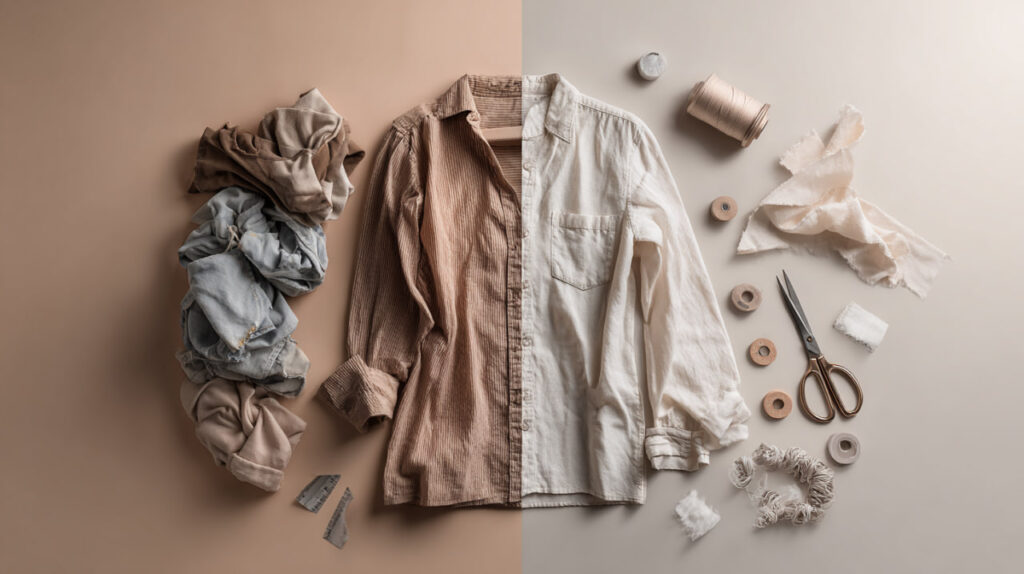
Why Choosing the Right Fabric Matters
The same silhouette behaves completely differently in crisp cotton versus drapey viscose. Here's how to choose.
Read more
Press to Impress
The ironing trick that instantly upgrades your sewing — the silent hero of every well-finished garment.
Read more
Behind the Pattern
What actually goes into the PDF that lands in your inbox — and why a well-graded pattern is worth more than its price tag.
Read more
Thread, Click, Sew.
Free online sewing resources every beginner should know — courses, channels, and communities worth bookmarking.
Read more
Beyond the Seam
From sewing alone to finding your creative community — where to look and what changes when you do.
Read more
From Tossed to Treasured
A quiet revolution in sewing rooms — turning fast-fashion castoffs into the wardrobe you actually want.
Read more