
Why Choosing the Right Fabric Matters

And How to Avoid Project Disasters!

Have you ever spent hours sewing a project, only to realize that something just… isn’t right? Maybe your dress is stiff and uncomfortable, your tote bag feels too flimsy, or your gathered skirt refuses to drape properly. If this sounds familiar, chances are the culprit was your fabric choice! One of the biggest mistakes beginners make is underestimating how much fabric type affects the final result. Even the best sewing skills can’t save a project made from the wrong material. But don’t worry! In this guide, we’ll cover why fabric matters, common fabric mistakes, and how to choose the perfect fabric for your next project.

Why Fabric Choice Can Make or Break a Project

Think of fabric as the foundation of your sewing project. The wrong material can lead to:

  • Wrong Fit – Too stiff or too stretchy fabrics can ruin the intended shape.
  • Difficult Sewing Process – Slippery, fraying, or thick fabrics can be frustrating.
  • Disappointing Look and Feel – Fabric that doesn’t drape correctly or is uncomfortable to wear.
  • Project Falling Apart – Weak fabrics may not hold seams well, leading to tearing or distortion.

Many sewing disasters can be traced back to choosing the wrong fabric. But don’t worry—by understanding fabric properties, you’ll gain confidence in selecting the best material for each project!

Common Fabric Mistakes (And How to Avoid Them!)

1.Choosing the Wrong Weight

Fabric weight refers to how heavy or light a material is, and it’s one of the most important factors to consider.

  • Too heavy? A stiff fabric can make a design look bulky instead of flowy.
  • Too light? A flimsy fabric might not hold its shape or be too sheer.

🧵 Avoid the mistake: If your pattern recommends “lightweight cotton,” avoid thick canvas or heavy denim. Likewise, a structured jacket pattern won’t work with flimsy chiffon!

2.Ignoring Fabric Stretch

Stretch fabrics behave differently than woven fabrics. If a pattern is designed for non-stretch fabric, using stretchy material can make the fit too loose. Conversely, using a stiff fabric for a stretch-based design can make it impossible to wear!
🧵 Avoid the mistake: Pay attention to whether a pattern requires knit (stretch) or woven (non-stretch) fabric. If in doubt, stretch the fabric at the store—if it doesn’t bounce back, it’s likely a woven fabric.

3.Using Slippery Fabrics Too Soon

Satin, silk, and other slippery fabrics are beautiful, but they can be a nightmare for beginners. They shift while cutting, fray easily, and are hard to control while sewing.

🧵 Avoid the mistake: If you’re just starting out, stick to stable fabrics like cotton poplin or linen. Save slippery fabrics for when you have more sewing experience!

4.Forgetting About Fabric Drape

Drape refers to how a fabric falls or moves. A stiff fabric like canvas will hold its shape, while a soft fabric like rayon will flow around the body.

🧵 Avoid the mistake: If your project needs movement (like a flowy dress), choose fabrics with a soft drape. If you need structure (like a corset or structured bag), pick a firm fabric.

5.Not Considering Fabric Care

Some fabrics require special washing and ironing. If you choose high-maintenance fabric for a casual project, it may end up sitting in your closet unworn.

🧵 Avoid the mistake: Always check fabric care instructions before you buy! If you hate ironing, avoid linen. If you don’t want to hand wash, stay away from delicate silk.

How to Choose the Right Fabric for Your Project

Now that we know what not to do, here’s how to select the best fabric:

1.Check Your Sewing Pattern Recommendations

Patterns usually list suggested fabrics for a reason. If a pattern recommends “lightweight woven fabrics” like cotton voile or rayon challis, don’t substitute with heavy canvas!

2.Consider the Fabric’s Drape

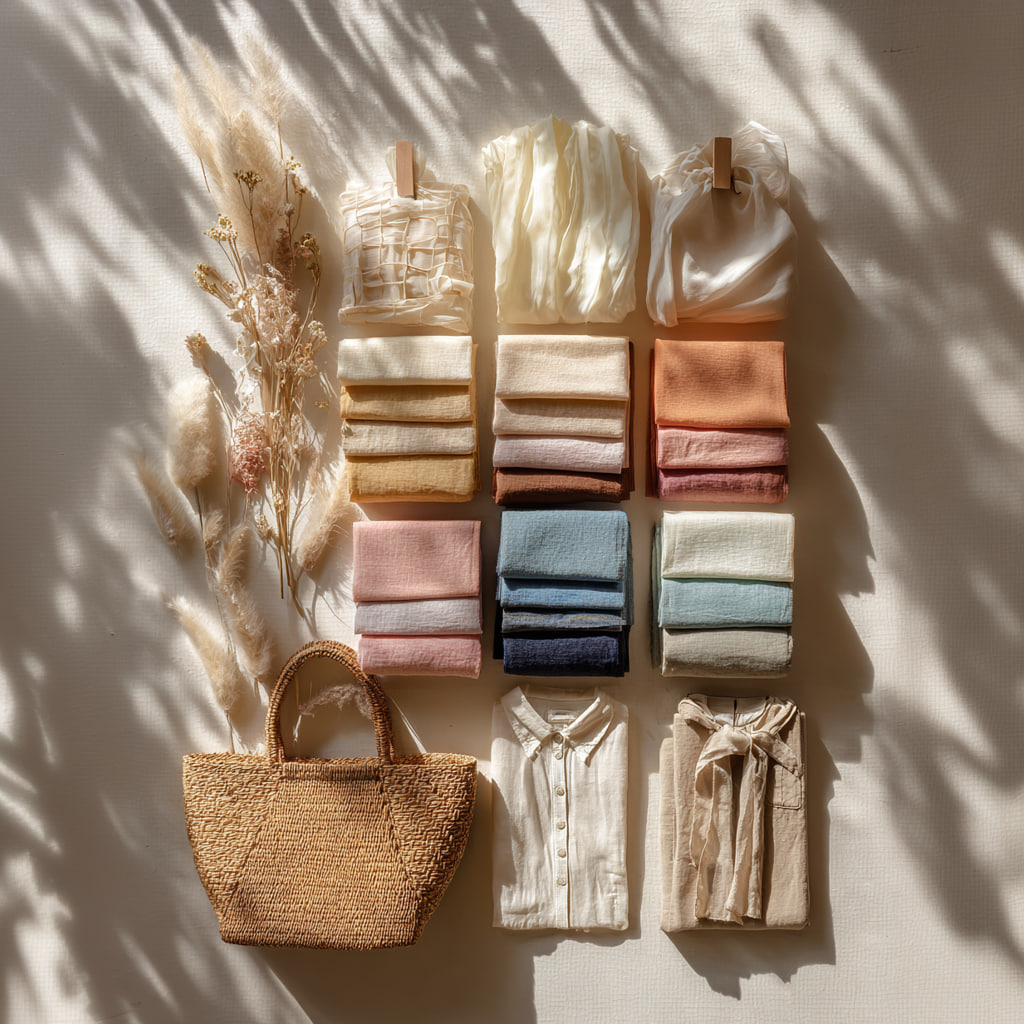
  • Soft drape: Rayon, silk, chiffon (good for dresses, skirts, and flowy blouses).
  • Medium drape: Cotton, linen, crepe (good for structured tops, dresses, and pants).
  • No drape (stiff): Denim, canvas, brocade (good for jackets, corsets, structured garments).

3.Think About Comfort and Use

  • For clothing: Choose breathable fabrics like cotton for casual wear, and more formal fabrics like silk or wool for special occasions.
  • For home decor: Consider durability—cotton canvas is great for pillows, while fleece works well for blankets.
  • For bags & accessories: Opt for sturdy fabrics like denim or faux leather.

4. Always Pre-Wash Your Fabric!

Many fabrics shrink after washing. Pre-washing ensures your final garment stays the size you intended!

Final Thoughts: Fabric Choice is Key to Sewing Success!

Understanding fabric properties will save you time, frustration, and wasted materials. If you’re unsure, start with beginner-friendly fabrics like cotton poplin or linen, and build up to more challenging materials as you gain confidence.
Sewing is a journey, and every project is a learning experience. By choosing the right fabric, you’ll set yourself up for success and create garments and accessories you truly love. Happy sewing!

Want some more? Here...

Press to Impress

The Ironing Trick That Instantly Upgrades Your Sewing
There’s a silent hero in every well-sewn garment, and it’s not the machine, the fabric, or even the hands that stitched it. It’s the iron. While it may seem mundane compared to the thrill of cutting fabric or the satisfaction of topstitching, pressing is one of the most powerful tools in your sewing arsenal. And yet,it’s often skipped or rushed, especially by beginners eager to see a project come together.

Read more

Pajamas as Outerwear

Pajamas as Outerwear: The Rise of Relaxed Luxury in Fashion

Pajamas have long been associated with comfort, relaxation, and bedtime rituals.

Read more