10 min read Fabric guide Sewing technique
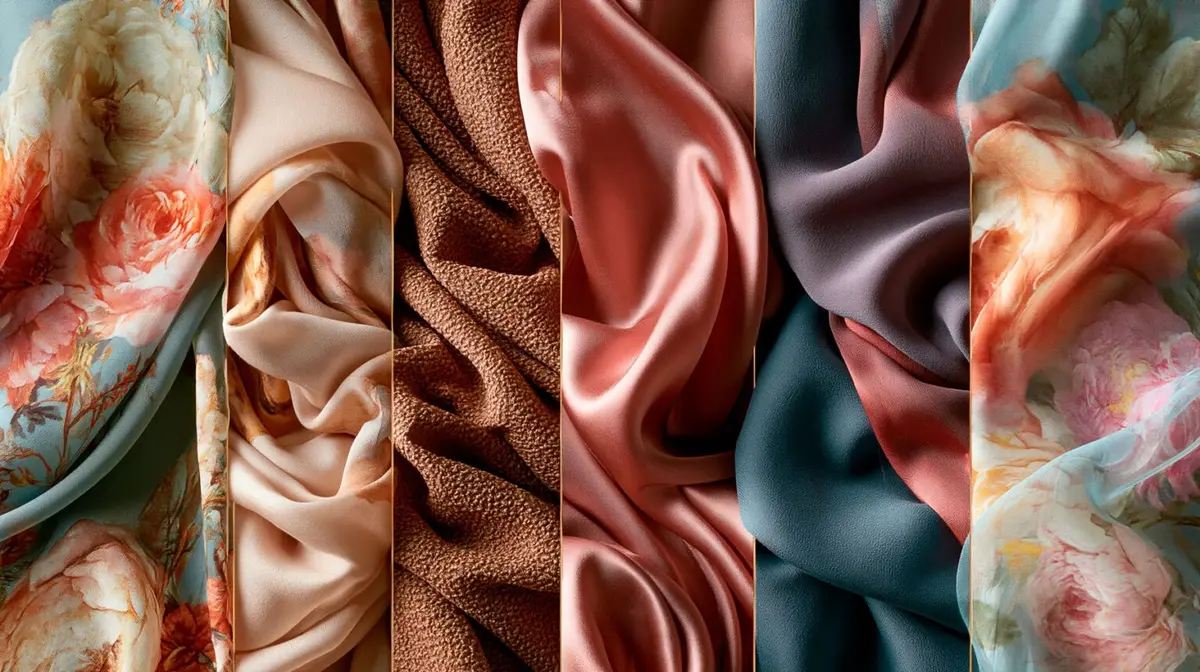
You are reading through the fabric recommendations on a Fabrico pattern — or any dress pattern — and you see "viscose" in the list of suitable fabrics. You might also see it listed as rayon, viscose challis, or viscose crepe. If you are new to dressmaking, this may be a fabric you have encountered in shops without fully understanding what it is, why it is recommended, and why it produces such beautiful results in dresses.
This article answers all of those questions — along with the practical information about how to work with viscose that will save you from the specific frustrations it can produce if you approach it the same way you would cotton.
The Quick TakeViscose (also called rayon) is a semi-synthetic fabric made from wood pulp — it begins as a natural material but is converted into fibre through a chemical process. Patterns recommend it because it drapes like silk, breathes like cotton, takes prints beautifully, and costs a fraction of silk. The trade-off: it slips, frays, and shrinks if not handled correctly. Once you know its quirks, viscose produces the most luxurious-looking summer dresses you can sew at home.
What Viscose Actually Is
Viscose — also called rayon, and sometimes sold under the names modal or Tencel when processed differently — is a semi-synthetic fabric. This puts it in an interesting middle category between fully natural fibres (cotton, linen, silk) and fully synthetic ones (polyester, acrylic, nylon).
It is semi-synthetic because it begins as a natural material — typically wood pulp from trees like beech, pine, or eucalyptus — but is converted into fibre through a chemical process. The cellulose from the wood is dissolved using chemicals and then extruded through tiny holes into long, smooth fibres that are spun into yarn and woven into fabric.
Viscose was first developed in 1883 specifically as a cheaper alternative to silk — and it largely succeeded, replicating silk's smoothness, drape, and lustre at a fraction of the cost.
Today, viscose is one of the most widely used fabrics in fashion globally, and it is the fabric that appears most frequently in printed summer dresses available in high-street shops.
Why patterns recommend it
The Five Properties That Make Viscose Ideal for Dresses
When a pattern specifies viscose, it is asking for a fabric that brings together a specific set of properties difficult to find in any single natural fibre:
1Drape
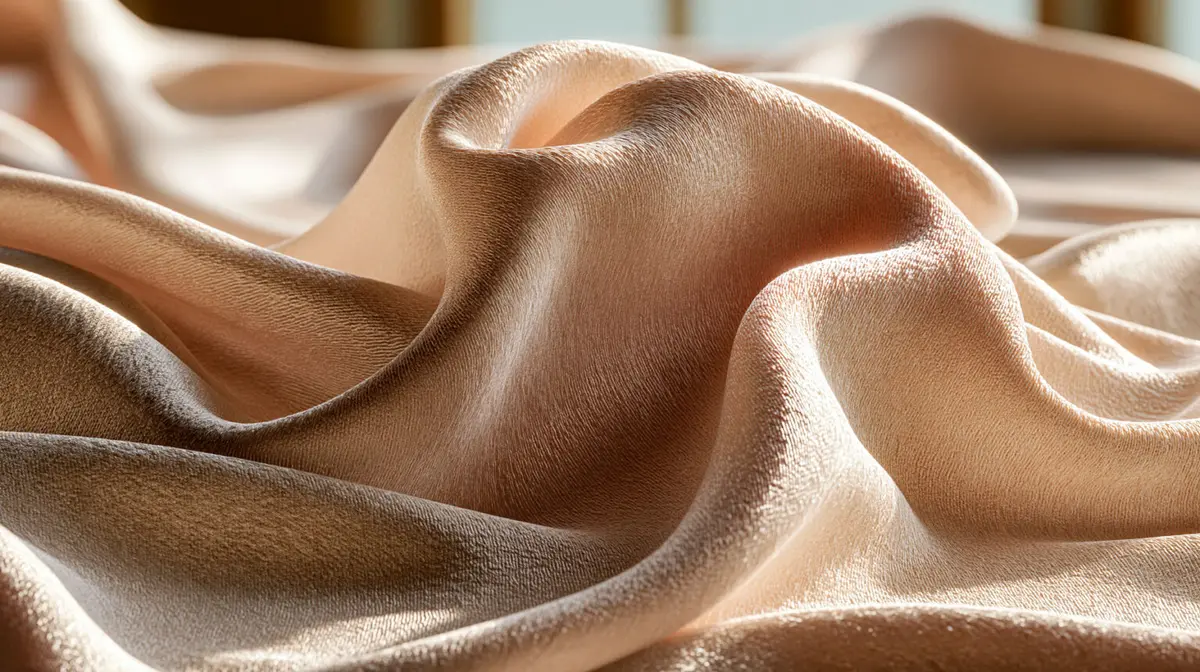
The defining quality. Viscose falls from a seam in a smooth, fluid line — following the body's curves without clinging. Cotton at the same weight sits stiffer; linen even more so. Viscose drapes like silk, without silk's cost.
2Softness
Smooth and cool against the skin from the first wear — without the stiffness of linen or the crispness of some cottons. Particularly comfortable for garments worn all day in warm weather.
3Breathability
Does not trap heat against the body. Allows air to circulate and absorbs moisture — not quite as efficiently as linen, but well enough to be comfortable in genuine summer heat.
4Print quality
Takes dye and print exceptionally well. The most beautiful printed summer fabrics in shops — clear florals, rich geometrics — are frequently printed on viscose for this reason.
5Affordability
Considerably cheaper than silk, which it most closely resembles. A viscose dress fabric can cost a fraction of comparable silk while producing finished garments that are, for practical purposes, indistinguishable.
Know your viscose
The Types of Viscose You'll Find in Fabric Shops
Viscose is not a single fabric but a category that includes several distinct types, each with different properties. Understanding which type you are working with affects how the finished garment will look and feel:
Most common
Viscose challis (flat woven)
The most common type for summer dresses. Lightweight, fluid, and soft — looks and feels like fine cotton lawn but with more drape. The fabric that produces the beautiful floral and geometric prints on summer dress rails. Slightly transparent at lighter weights.
Structured
Viscose crepe
Heavier viscose with a slightly textured, crinkled surface. More body than flat woven, drapes with elegant weight. Particularly suited to structured silhouettes, wide-leg trousers, and occasion dresses. Creases less than flat viscose, slightly more opaque.
Luxurious
Viscose satin
Woven using a satin weave — creates a smooth, lightly lustrous surface. Subtle sheen reads as luxurious without being overtly formal. Suited to slip dresses, bias-cut skirts, and occasion blouses.
Sheer
Viscose georgette
Lightweight, slightly sheer viscose with a slightly gritty hand feel. Suited to floaty, layered styles and blouses where sheerness adds to the visual effect rather than requiring a lining.
Knit
Viscose jersey
A knit rather than a woven viscose — stretchy, soft, drapey. Requires different sewing techniques (stretch stitches, ballpoint needle). Recommended for patterns specifically designed for stretch fabrics.
Blend
Viscose-linen blend
Combines linen's breathability and texture with viscose's drape and softness. Particularly popular for summer dress fabrics — simultaneously comfortable in heat and beautifully fluid.
For most Fabrico patterns A flat woven viscose (viscose challis) or viscose crepe will produce the best results. The pattern instructions specify which type is most suitable for that particular design.
The viscose paradox
Beautiful to Wear, Challenging to Sew
There is a reason viscose has the reputation it does among home sewists: it produces beautiful results, but it requires specific handling techniques that differ from cotton. The same properties that make it fluid and drapey — smooth, fine fibres with a slight slip — are the properties that cause the classic viscose frustrations at the cutting table and under the presser foot.
Understanding why viscose behaves the way it does makes it considerably easier to manage:
- It slips. Viscose is smooth-fibred and wants to slide across itself and across any surface. When folded for cutting, the layers slip relative to each other, producing pieces that are slightly different sizes. Under the needle, the top layer can slide forward relative to the bottom.
- It frays. Cut viscose frays readily. The moment you cut a piece, the raw edge begins to fray — and continues fraying through construction if seam allowances are not finished promptly.
- It stretches when wet. Viscose loses some of its structural integrity when wet — which is why unpressed pieces can stretch slightly out of shape and why viscose that has not been pre-washed shrinks significantly after the first launder.
None of these are reasons to avoid viscose — they are reasons to sew it with the specific techniques below rather than treating it like cotton.
 Practical techniques
 Ten Techniques for Sewing Viscose Successfully
The viscose toolkit- Pre-wash before cutting. Not optional for viscose — it shrinks 5–10% on its first wash. Pre-wash in cold or lukewarm water on a gentle cycle, reshape while damp, air dry flat. Do not wring.
- Cut on a single layer. Rather than folding the fabric for two mirrored pieces simultaneously, cut viscose flat, pattern pieces right side up. Flip the pattern and cut the mirror image separately. Eliminates the slipping that produces unequal pieces.
- Use weights instead of pins. Pinning through viscose at the pattern edges can distort the fabric. Fabric weights (or improvised: tins, books, anything flat and heavy) produce more accurate pieces.
- Try the tissue paper technique. Lay the fabric on tissue or tracing paper, pin through all layers, cut through fabric and paper together. The paper stabilises the fabric and can be torn away afterward.
- Use sharp scissors or a rotary cutter. Dull scissors drag through viscose rather than cutting cleanly. A sharp rotary cutter on a self-healing mat is ideal.
- Finish seam allowances immediately. After cutting each piece, zigzag stitch or serge all raw edges before construction begins. Leave this step until later and your allowances may have frayed significantly.
- Use a fine needle — 70/10 or 80/12. A fine needle creates smaller holes and reduces puckering. Change the needle if it's been used for previous projects — a slightly dull needle causes problems on viscose it wouldn't cause on cotton.
- Reduce stitch length slightly. 2–2.5mm rather than the standard 2.5–3mm helps prevent puckering on lightweight viscose.
- Pin perpendicular to the seam. Place pins at right angles to the seam rather than parallel — you can remove them just before the needle reaches them without the foot dragging the fabric off course.
- Use a walking foot if available. A walking foot feeds both layers at the same rate, preventing the top from sliding forward. For particularly slippery viscose, a significant improvement.
Pressing viscose — one important rule Always use a pressing cloth between the iron and the fabric. Viscose is heat-sensitive and can develop a shine if ironed directly. Press on the wrong side where possible, at low to medium temperature. Press seams open for the flattest finish.
Aftercare
Caring for Viscose Garments
Viscose is more delicate in the wash than cotton or linen, and treating it accordingly will extend the garment's life significantly:
Five rules for viscose care- Wash cold on a gentle cycle — or hand wash in cool water with a gentle detergent. Avoid hot water, which causes significant shrinkage and distortion.
- Do not wring. Viscose loses strength when wet and can distort if wrung. Gently squeeze excess water and reshape while damp.
- Air dry flat or on a hanger. Tumble drying at high heat shrinks viscose and can permanently alter the drape. Air drying preserves both size and fluid quality.
- Iron on a low setting with a pressing cloth. Viscose wrinkles easily but presses out without difficulty at low temperature with steam.
- Avoid fabric softener. Like linen, viscose benefits from being washed without softener — it coats the fibres and reduces breathability over time.
Is Viscose Worth the Extra Handling Care?
Yes. The reason viscose appears so consistently in pattern recommendations for summer dresses — and the reason the most beautiful printed summer fabrics in fabric shops are so frequently printed on viscose — is that the finished result justifies the additional care at the sewing table.
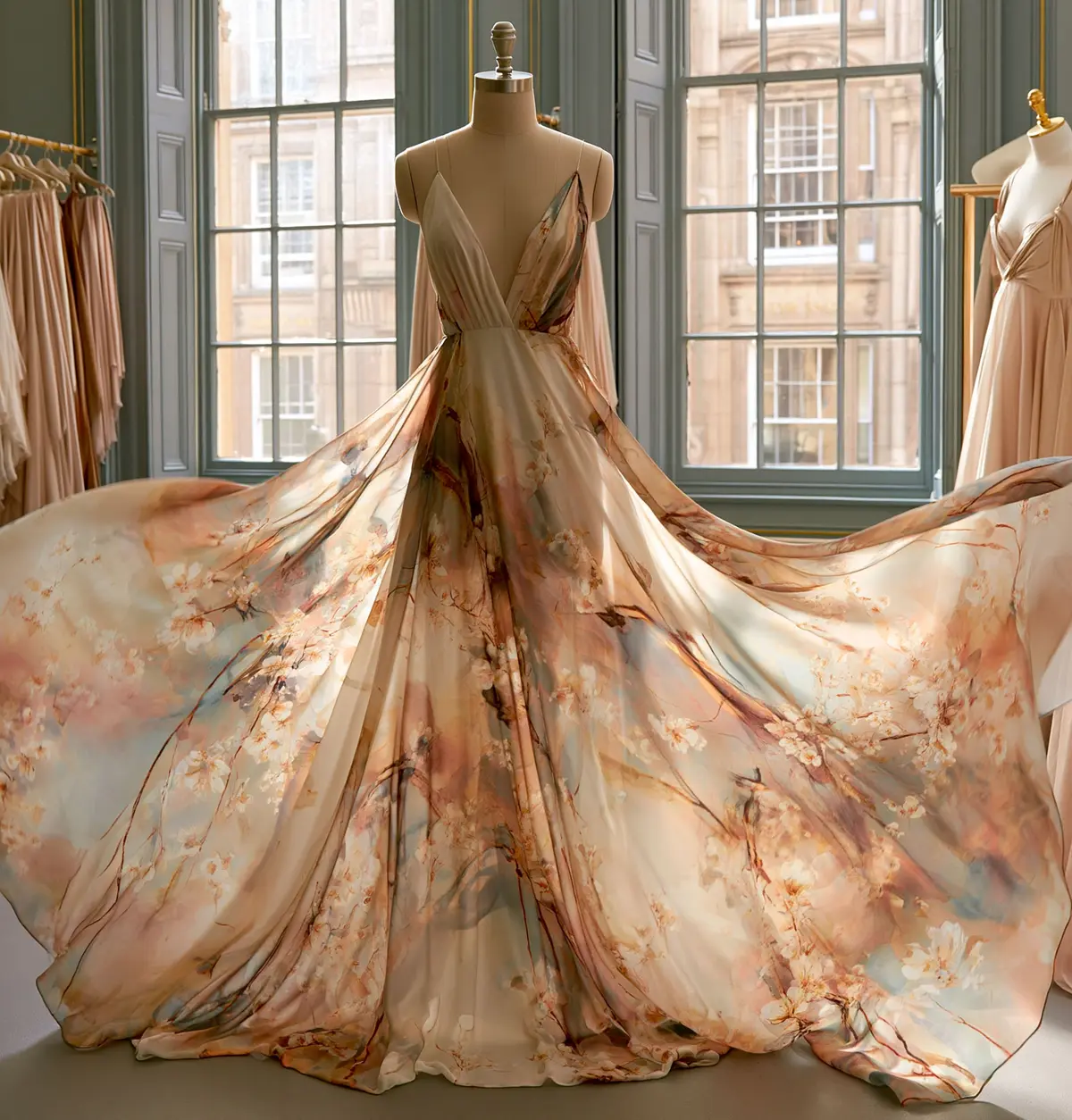
A summer dress in a beautiful viscose print, well cut and well sewn, looks and feels like a garment that cost significantly more than the materials it was made from. The drape is beautiful. The colours are vivid. The weight is exactly right for warm weather. And the fabric, cared for properly, will last several seasons and continue to look good.
Viscose is not the easiest fabric to sew. But it is the fabric that, once you've learned its requirements, will produce the summer dresses you most want to make and wear.
At Fabrico Any Fabrico pattern that specifies viscose in its fabric recommendations will produce beautiful results — the video tutorial for each pattern includes specific fabric handling guidance. Patterns with flowing skirts, relaxed silhouettes, and styles that rely on drape rather than structure are particularly well-suited to viscose.
Frequently Asked Questions
What is viscose fabric?
Viscose — also called rayon — is a semi-synthetic fabric made from cellulose derived from wood pulp (typically beech, pine, or eucalyptus). The natural cellulose is dissolved chemically and extruded into long, smooth fibres that are then spun into yarn and woven into fabric. Viscose was first developed in 1883 as a cheaper alternative to silk, and it successfully replicates silk's smoothness, drape, and lustre at a fraction of the cost. It sits in a middle category between fully natural fibres (cotton, linen, silk) and fully synthetic ones (polyester, acrylic, nylon).
Is viscose natural or synthetic?
Viscose is semi-synthetic. It begins as a natural material — wood pulp from trees — but is converted into fibre through a chemical process. The cellulose is technically natural, but the fabric itself is manufactured rather than spun from a natural fibre directly. For practical purposes, viscose behaves much more like a natural fibre than a synthetic one: it breathes, absorbs moisture, and feels cool against the skin in a way that polyester and other true synthetics do not.
Is viscose good for summer?
Yes — viscose is one of the best summer fabrics for drapey, fluid summer dresses. It feels cool against the skin, drapes beautifully without clinging, takes prints exceptionally well, and is genuinely breathable. It is not as breathable as linen in raw airflow terms, but its surface-contact properties make it feel significantly cooler than it looks. The most beautiful printed summer dress fabrics found in shops are frequently printed on viscose for this reason.
What is the difference between viscose and rayon?
There is no meaningful difference — viscose and rayon are different names for essentially the same fabric. Rayon is the older American term; viscose is more commonly used in Europe and the UK. Both refer to semi-synthetic cellulose fibre made from wood pulp. You may also see related terms like modal or Tencel (lyocell), which are produced using slightly different chemical processes but share the same fundamental properties.
How do I sew viscose successfully?
Five key techniques: pre-wash before cutting (viscose shrinks 5-10% on first wash), cut on a single layer rather than folded (eliminates layer slipping), use weights or tissue paper to stabilise during cutting, finish all seam allowances immediately after cutting (viscose frays readily), and use a fine needle (70/10 or 80/12) with a slightly shorter stitch length (2-2.5mm). A walking foot is helpful if your machine has one. Press with a pressing cloth at low to medium temperature to avoid shine.
Does viscose shrink?
Yes — viscose shrinks 5-10% on its first wash if not pre-treated. This is one of the most important reasons to pre-wash viscose before cutting. Pre-wash in cold or lukewarm water on a gentle cycle, reshape while damp, and air dry flat. After this initial wash, the fabric is stable for cutting and the finished garment will not shrink further if washed the same way.
Is viscose better than cotton for a dress?
It depends on the silhouette. Viscose drapes more fluidly than cotton and is better for styles that rely on flowing movement — bias-cut skirts, wrap dresses, fluid blouses, and gathered styles where the fabric needs to fall softly. Cotton is more structured and better for clean A-lines, fitted bodices, and crisper silhouettes. Cotton is easier to sew; viscose produces a more luxurious-looking finished result. Both are excellent summer fabrics for the right project.
Patterns that shine in viscose
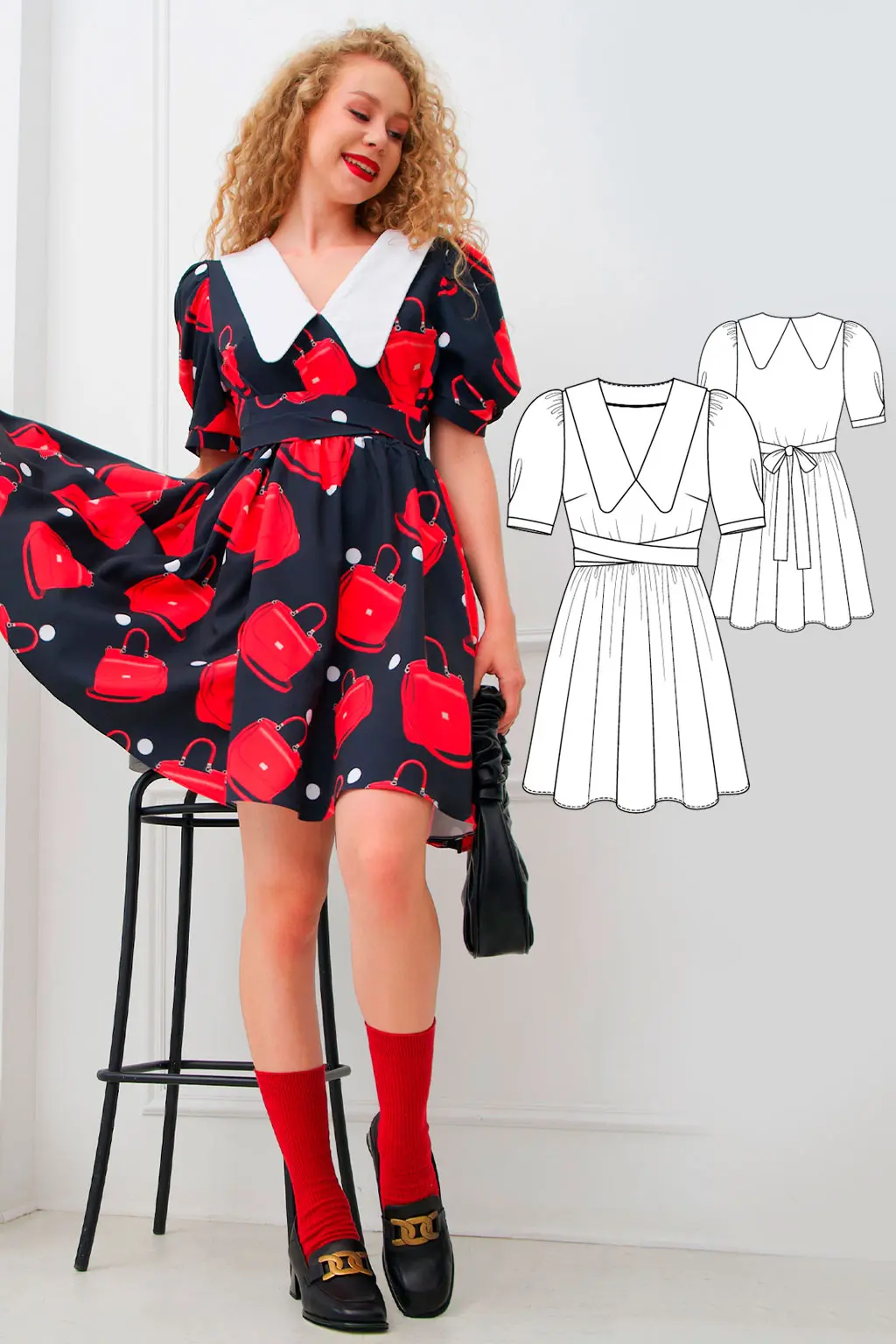 Challis or crepe
 Victoria V-neck dress
PDF pattern · Video tutorial
from 3,99 €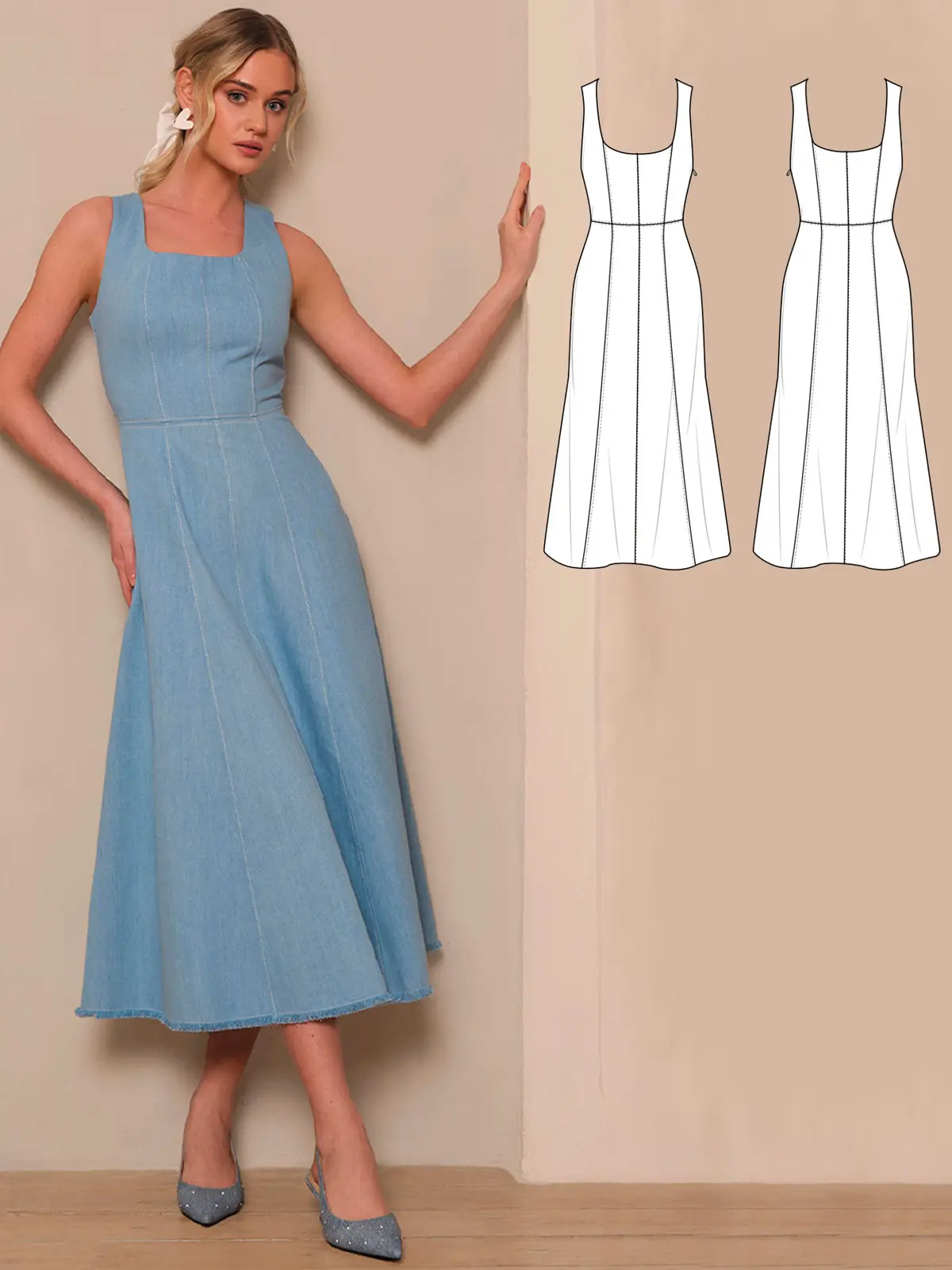 Viscose challis
 Margaret dress
PDF pattern · Video tutorial
from 3,99 €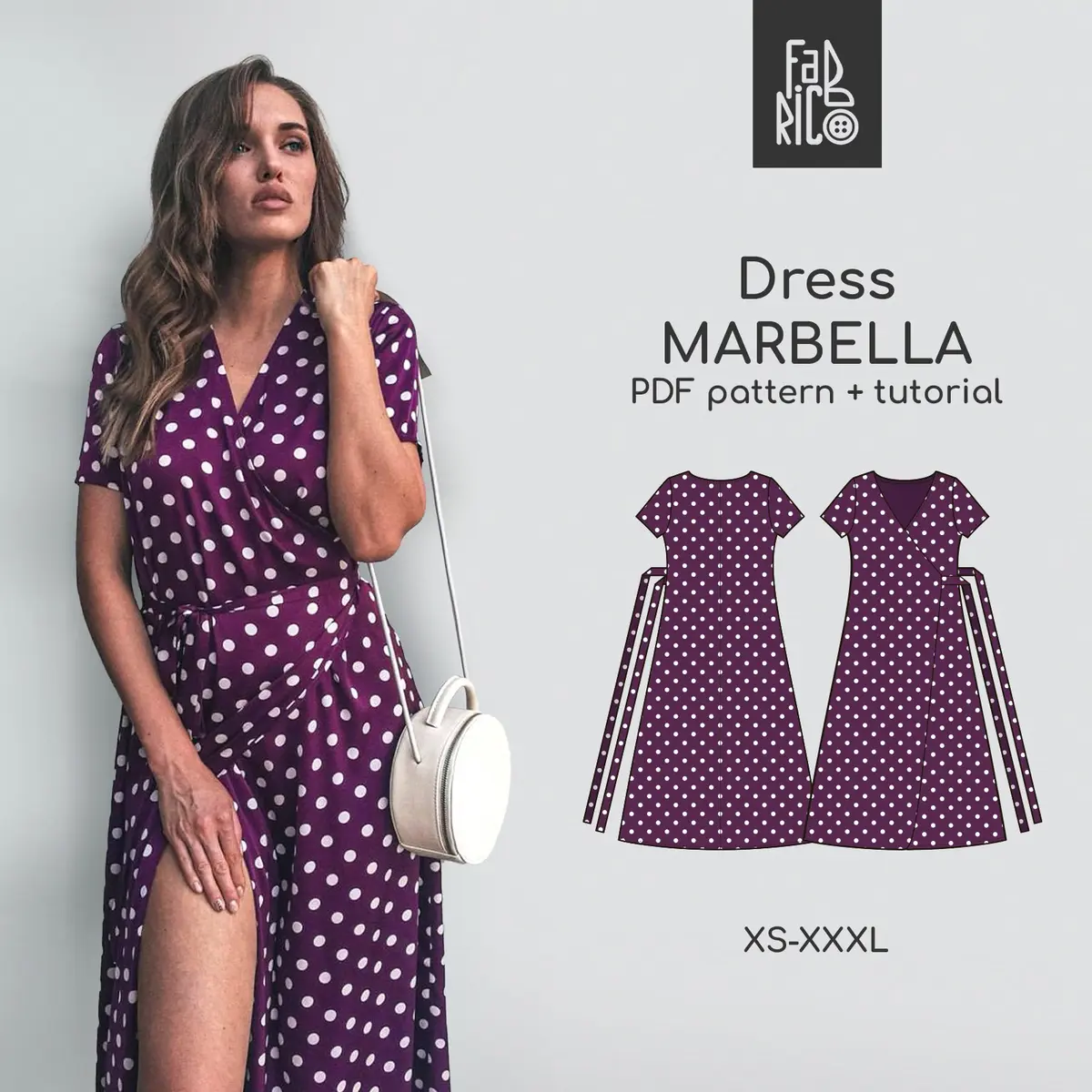 Viscose challis
 Marbella wrap dress
PDF pattern · Video tutorial
from 4,50 €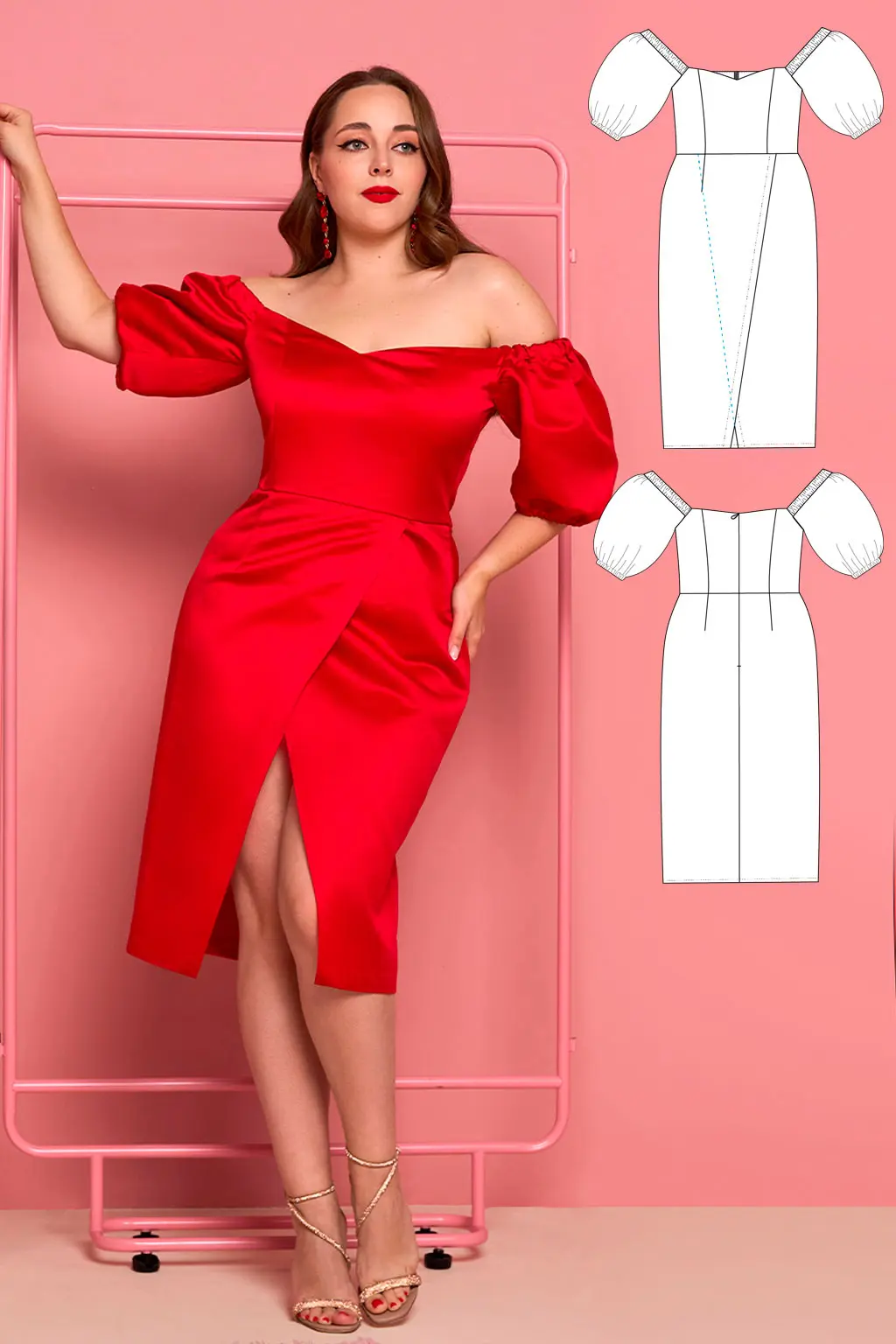 Crepe or satin
 Vivien party dress
PDF pattern · Video tutorial
from 4,50 €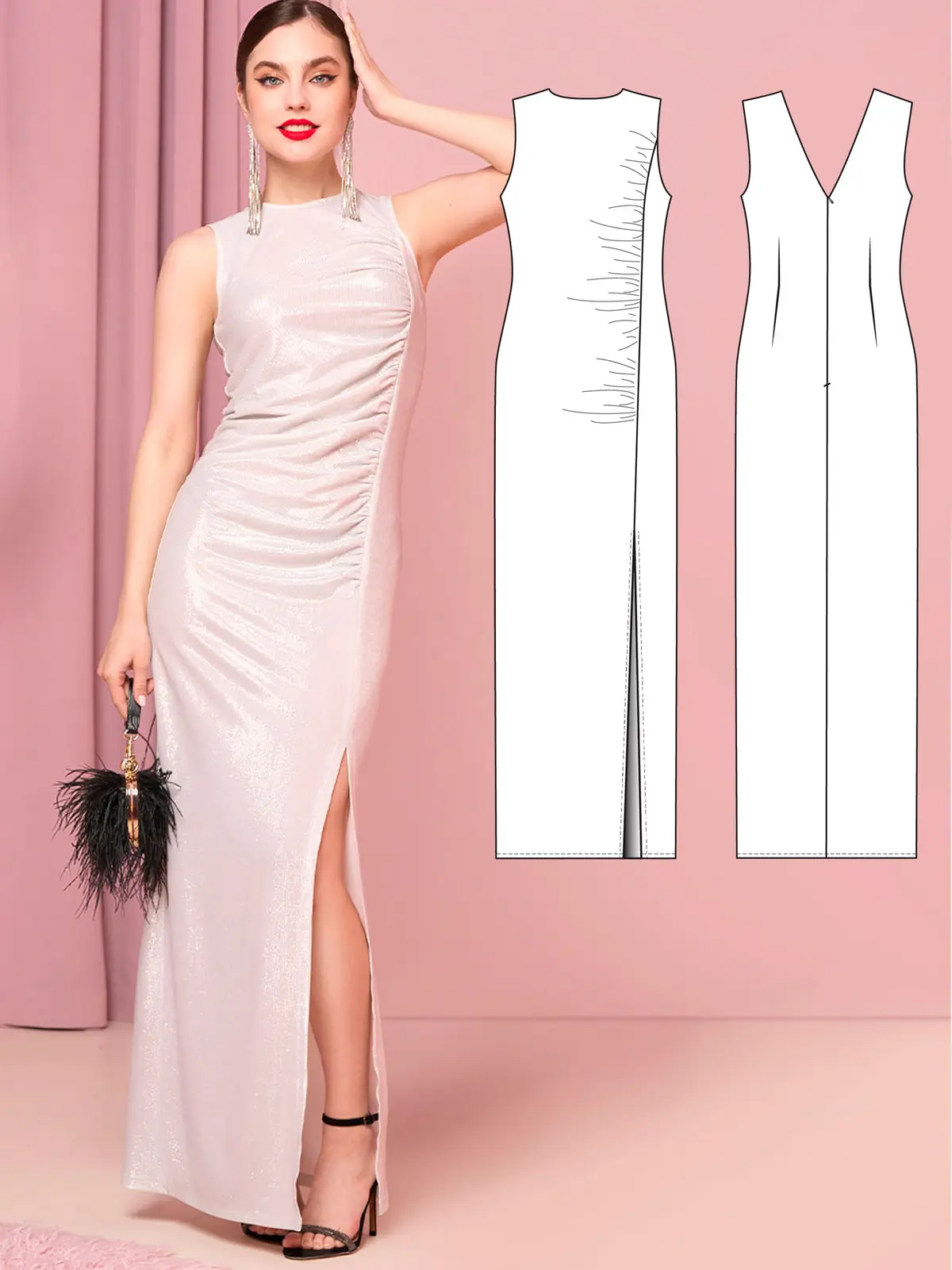 Viscose satin
 Sharlize evening dress
PDF pattern · Video tutorial
from 3,99 €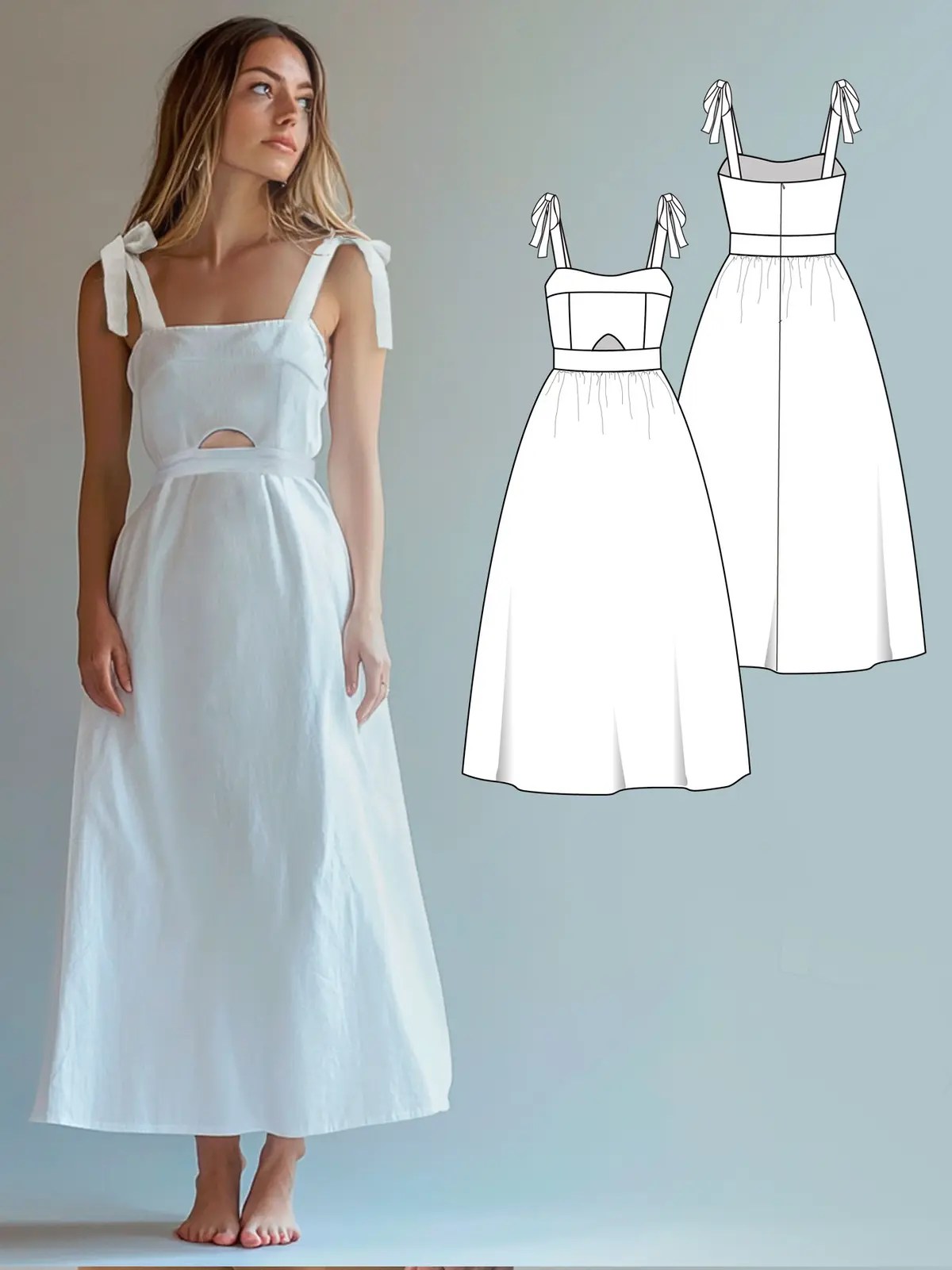 Challis or linen blend
 Vanilla sundress
PDF pattern · Video tutorial
from 4,50 €→ Browse all women's patterns
Keep reading
 Fabric guide
 Linen vs Cotton: Which Fabric Should You Choose
A head-to-head comparison — breathability, drape, ease of sewing, cost, and care.
Read more Fabric guide
 How to Choose the Right Fabric Weight for Your Pattern
What GSM means, why it matters, and how to use it confidently in any fabric shop.
Read more Fabric guide
 Summer Fabrics You Should Avoid
Polyester, acrylic, heavy denim — why they fail in real summer heat, and what to choose instead.
Read more Fabric guide
 The Best Prints and Patterns for a Summer Dress
Most beautiful printed summer fabrics are on viscose — here's how to choose the print itself.
Read more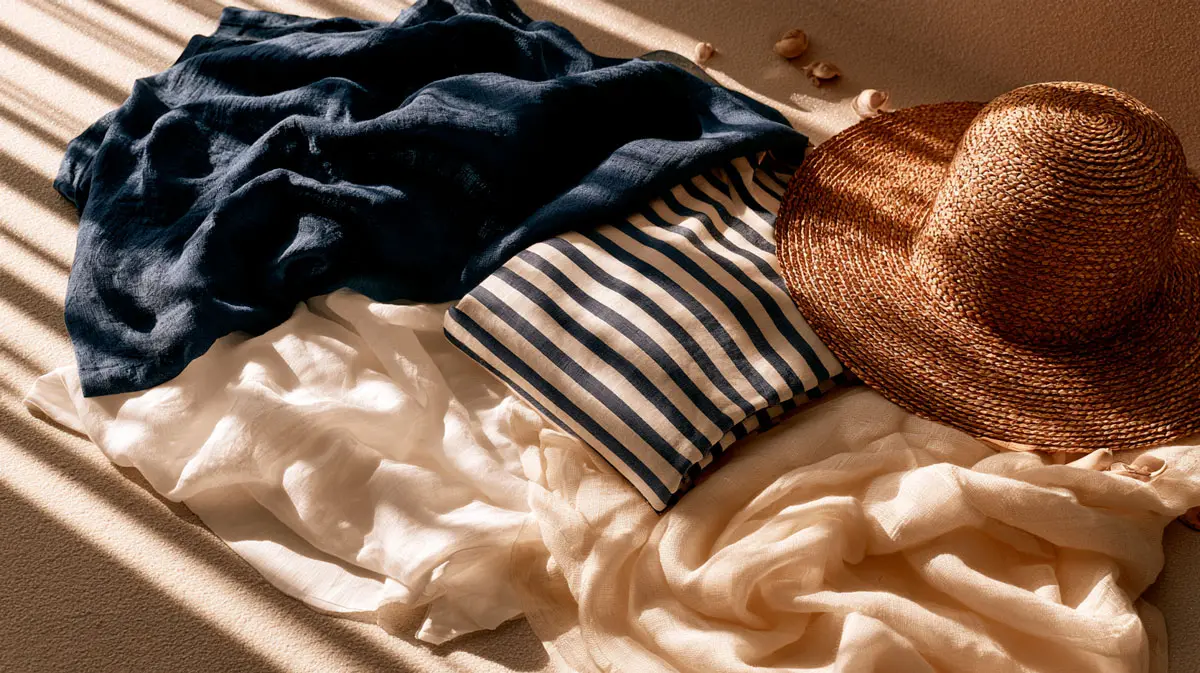 Colour & history
 Why Navy, White, and Linen Are the Colours of Summer
The history of the palette that never goes out of fashion.
Read more Sewing essentials
 Press to Impress
Especially important for viscose — pressing with a cloth at low temperature is essential.
Read more