THE LUXURY OF LINEN

A FABRIC OF HISTORY, FASHION, AND ELEGANCE

For over 7,000 years, linen has been the choice of pharaohs, aristocrats, and modern-day fashion connoisseurs. This ancient textile, woven from the flax plant, has stood the test of time, remaining a symbol of sophistication and effortless elegance. From the flowing garments of ancient Egypt to the runways of Paris, linen continues to captivate designers and style icons alike. Let’s explore its rich history, modern-day uses, and why luxury lovers adore this breathable, natural fabric.

A Fabric with an Ancient Past

Linen is among the oldest textiles known to man, with evidence of its use dating back to 5000 BCE in Mesopotamia and Egypt. The Egyptians prized linen for its purity, using it not only for clothing but also for wrapping mummies in elaborate burial rituals. In the Roman Empire, linen became a mark of nobility, often used for togas and undergarments. By the Middle Ages, fine linen was reserved for the wealthy, seen in the crisp chemises and bed linens of European aristocracy. During the Renaissance, the demand for high-quality linen surged, fueling the textile trade in France, Belgium, and Ireland. Fast forward to the 20th and 21st centuries, and linen continues to be associated with luxury, especially in summer fashion. It’s beloved for its natural elegance, breathability, and effortless drape, making it a staple in the wardrobes of the well-dressed elite.

How Linen is Used in Fashion Today

Linen has long been associated with warm-weather sophistication, thanks to its lightweight, airy nature. It is the go-to fabric for effortless chic, favored by designers who appreciate both its aesthetic and sustainability.

Some of today’s top designers incorporating linen into their collections include:

✔ Giorgio Armani – Known for impeccable tailoring, Armani frequently uses linen for luxurious summer suits and relaxed, yet refined, resort wear.

✔ Ralph Lauren – Linen is a key component in Ralph Lauren’s classic American style, appearing in linen shirts, jackets, and elegant beachwear.

✔ Max Mara – This Italian fashion house elevates linen with structured yet soft silhouettes, ideal for power dressing with a breezy touch.

✔ Brunello Cucinelli – The king of understated luxury, Cucinelli incorporates linen into sophisticated, neutral-toned ensembles that exude effortless wealth.

✔ Jacquemus – A newer designer with a cult following, Jacquemus embraces linen for his signature minimalist, sun-drenched aesthetic.

Linen is not only stylish but also practical. The fabric keeps the body cool and absorbs moisture, making it perfect for summer suits, flowing dresses, and crisp button-down shirts.

Why the Wealthy Love Linen

Linen carries an aura of understated luxury, appealing to those who prefer refined simplicity over flashy excess. Here’s why the well-dressed elite continue to favor linen:

 Natural and Sustainable – Linen is biodegradable, eco-friendly, and requires less water than cotton to produce—ideal for those who value both style and sustainability.

 Timeless Elegance – Unlike synthetic fabrics, linen ages gracefully. Its slightly wrinkled texture adds to its charm, conveying effortless style rather than stiffness.

 Exclusive and Expensive – High-quality linen is costly due to its labor-intensive production. The best linen comes from Belgium and France, making it a symbol of refined taste.

 Versatility – Whether worn as a breezy sundress in the Hamptons or as a tailored linen suit in Milan, linen seamlessly transitions from casual to formal wear.

What Can Be Made with Linen?

Linen is one of the most versatile fabrics, used not just in fashion but also in home textiles and accessories. Here are some of its most popular uses:

Fashion

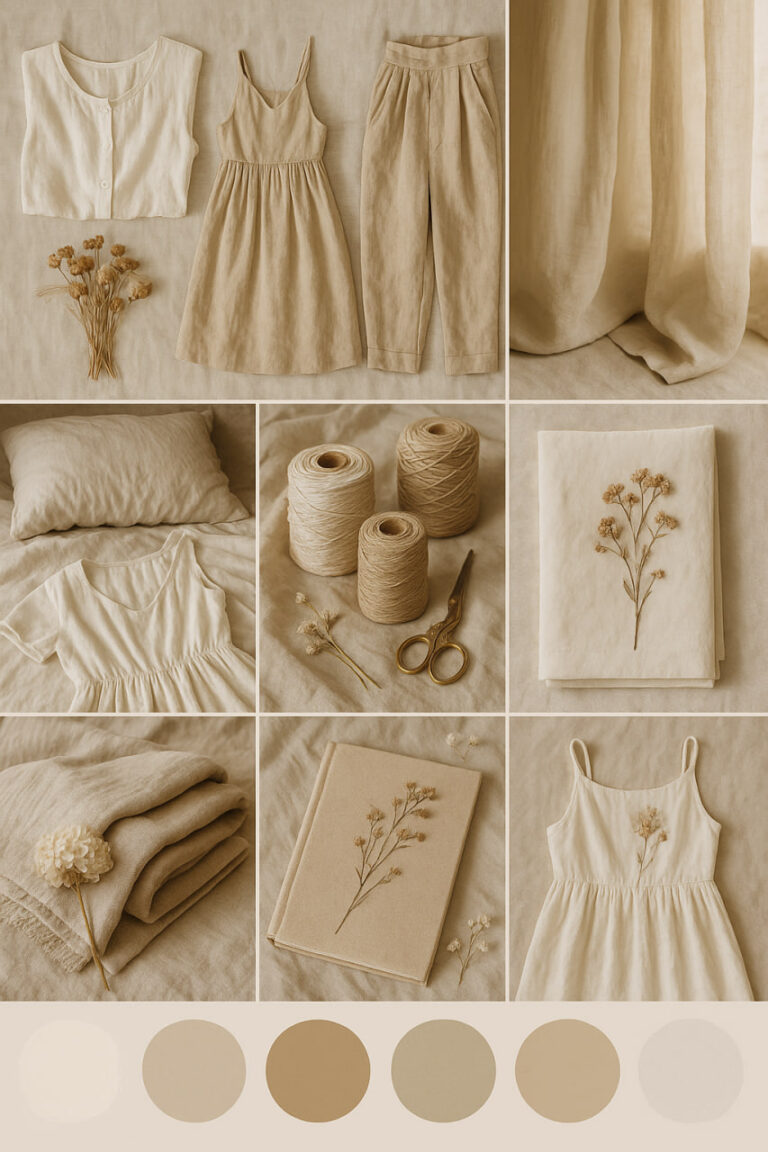
✔ Linen suits (both men’s and women’s, ideal for summer)

✔ Lightweight dresses and skirts

✔ Wide-leg trousers and tailored shorts

✔ Crisp linen shirts and blouses

✔ Beachwear and kaftans

Luxury Home Goods

✔ High-end bed linens (prized for their breathability and softness)

✔ Linen tablecloths and napkins (a staple in elegant dining settings)

✔ Upholstery fabric (used in French country and Scandinavian interiors)

✔ Curtains (light and airy, providing a relaxed, natural look)

Accessories

✔ Linen tote bags (sustainable and stylish for summer outings)

✔ Scarves (light enough for transitional seasons)

✔ Handmade journals with linen covers

Linen’s Future: Sustainable and Chic

As the fashion industry moves toward sustainability, linen is becoming even more desirable. Its durability and eco-friendly production process make it a favorite among designers and consumers looking to reduce their environmental impact. From the linen-wrapped pharaohs of ancient Egypt to the well-heeled vacationers of the French Riviera, linen has always been a fabric of luxury. Its breathable comfort, natural elegance, and rich history ensure that it will remain a beloved choice for generations to come. So the next time you slip into a linen blazer or sink into crisp linen sheets, remember—you are embracing thousands of years of tradition, refinement, and timeless style.

Want some more? Here...

The Evolution of Purses and Handbags

Purses and handbags have long been both functional and fashionable accessories. Used to carry personal items, they also serve as markers of social status, cultural identity, and individual style……..

Read more

Stiff Lesson

It happens to every beginner sewist at some point. You follow the pattern. You cut the fabric. You sew each seam with care………

Read more