Comfort and Design Considerations
Handbags, while primarily visual accessories, must also meet practical and ergonomic needs.
✔ Weight Distribution: Backpacks and crossbody bags distribute weight evenly, reducing shoulder strain.
✔ Accessibility: Magnetic closures, zippers, and organizational compartments enhance ease of use.
✔ Materials: Soft leathers, lightweight canvas, and breathable fabrics improve comfort for extended wear.
✔ Straps and Handles: Adjustable and padded straps increase user comfort, especially for daily use.
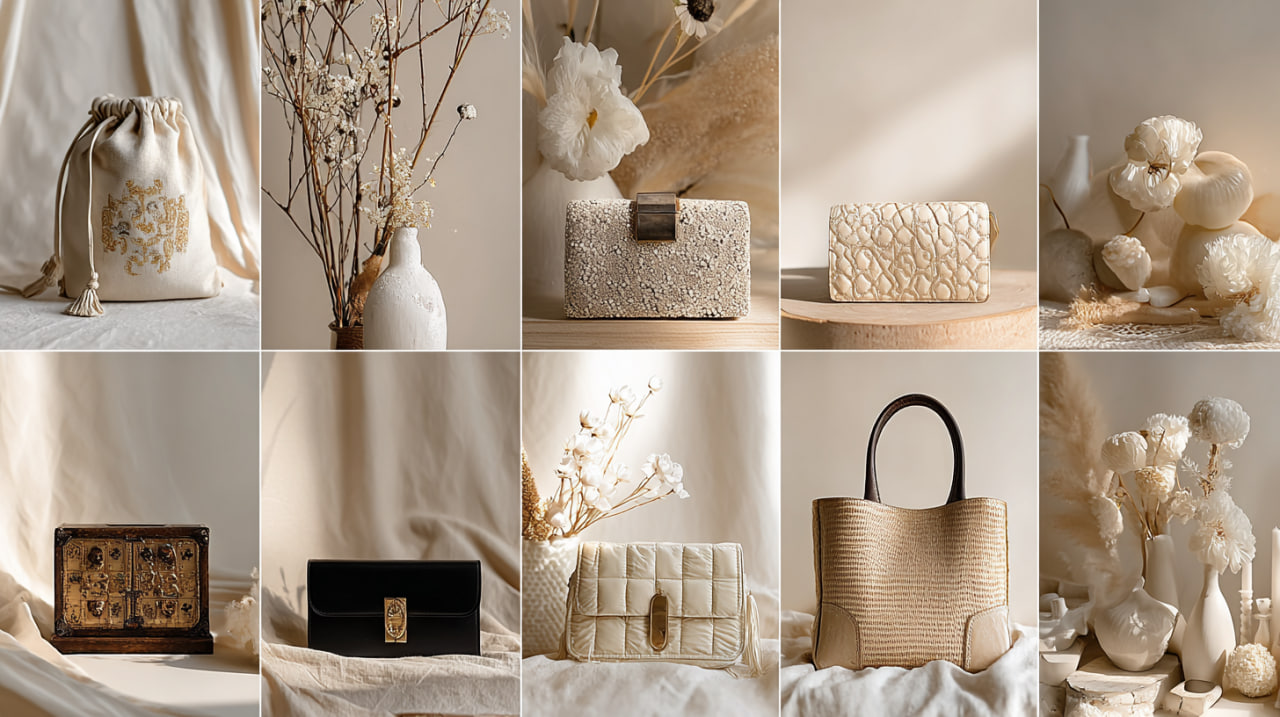
Design-wise, current trends include oversized slouchy bags, structured box bags, and geometric silhouettes. Playful elements like bold colors, hardware embellishments, and mixed textures add visual interest.
Sewing Your Own Handbags: A DIY Overview
Home sewers can create a variety of stylish and practical handbags with basic tools and moderate skill. Sewing your own bag allows for customization, sustainability, and personal creativity.
1.Tote Bags
✔ Skill Level: Beginner
✔ Materials: Canvas, denim, or cotton
✔ Tips: Reinforce handles and use interfacing for structure. Great for shopping or school.
2. Zipper Pouches and Clutches
✔ Skill Level: Beginner to intermediate
✔ Materials: Quilting cotton, faux leather, or brocade
✔ Tips: Practice zipper installation and lining construction. Ideal for evening events or organizing.
3.Crossbody Bags
✔ Skill Level: Intermediate
✔ Materials: Canvas, waxed cotton, or faux suede
✔ Tips: Use D-rings and adjustable straps. Incorporate zippered pockets and magnetic snaps.
4. Drawstring Bags and Backpacks
✔ Skill Level: Intermediate
✔ Materials: Nylon, cotton twill, or outdoor fabric
✔ Tips: Add grommets and a lining for durability. Ideal for travel or gym use.
5. Quilted and Patchwork Bags
✔ Skill Level: Advanced
✔ Materials: Cotton scraps, batting, recycled textiles
✔ Tips: Combine quilting and bag-making techniques for personalized designs.
Conclusion
From humble coin pouches to fashion’s most coveted accessories, purses and handbags have journeyed through centuries of social, economic, and artistic transformation. Today’s handbags are more than functional—they are statements of identity, design, and innovation. With options ranging from high-end luxury to handmade DIY creations, the handbag remains one of the most expressive and versatile elements in modern fashion. As both craft and couture embrace sustainability and creativity, the future of handbags is poised to reflect the evolving values of society and individual style alike.