Comfort and Wearability
One of the greatest evolutions of the bodice is its shift toward comfort. While historical bodices were often rigid and uncomfortable, today’s designs prioritize flexibility, breathable fabrics, and modern tailoring.
✔ Boning Alternatives – Many modern bodices use lightweight plastic boning or structured seams rather than metal or whalebone, providing support without discomfort.
✔ Stretch Fabrics – Materials like spandex blends, mesh, and jersey allow for more movement and adaptability.
✔ Lacing and Adjustable Fits – Unlike the tightly cinched corsets of the past, contemporary bodices often feature adjustable lacing, elastic panels, or zippers
for a comfortable yet flattering fit.
✔ Layering Potential – Bodices can be styled over shirts, under blazers, or paired with skirts and jeans, making them an adaptable addition to any wardrobe.
The Many Designs of the Bodice
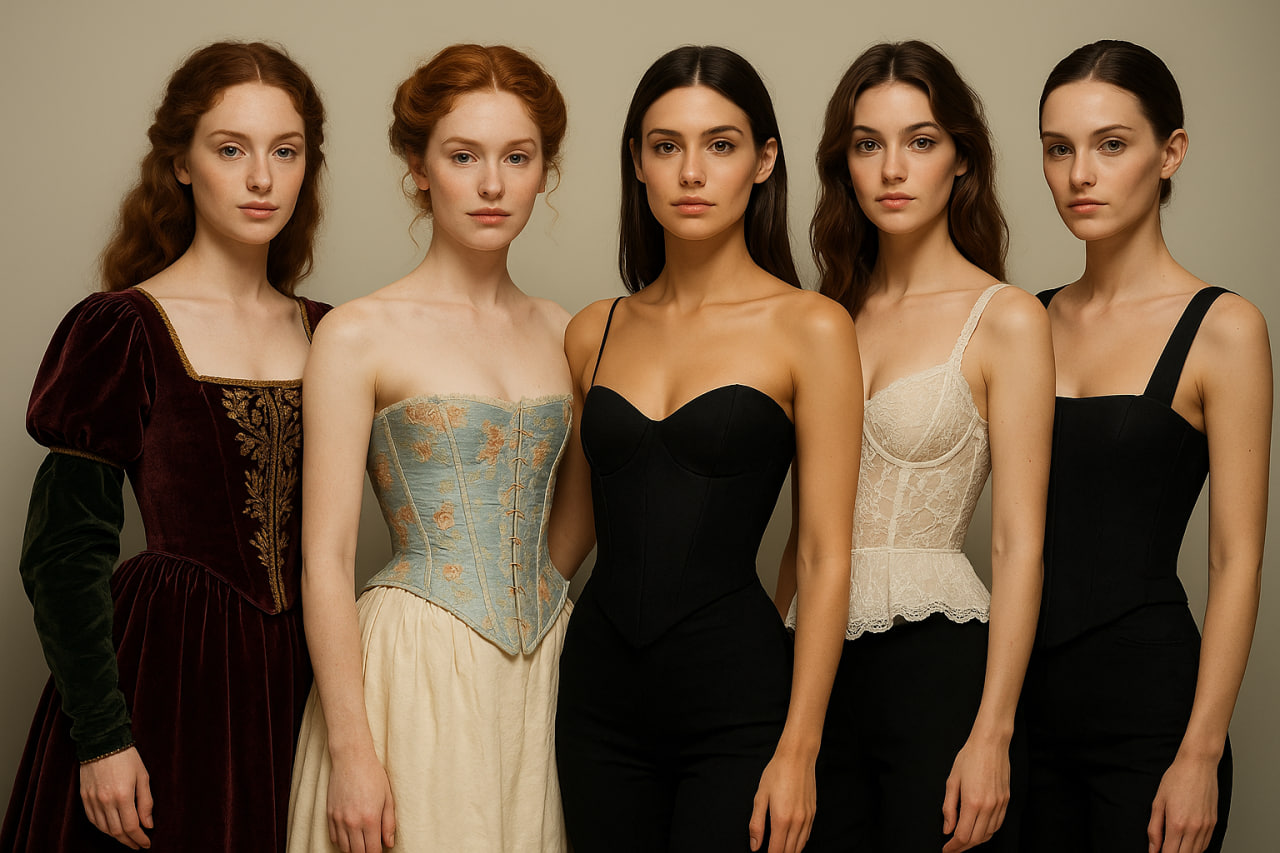
Today’s bodice designs cater to a wide range of aesthetics and occasions. Some of the most popular variations include:
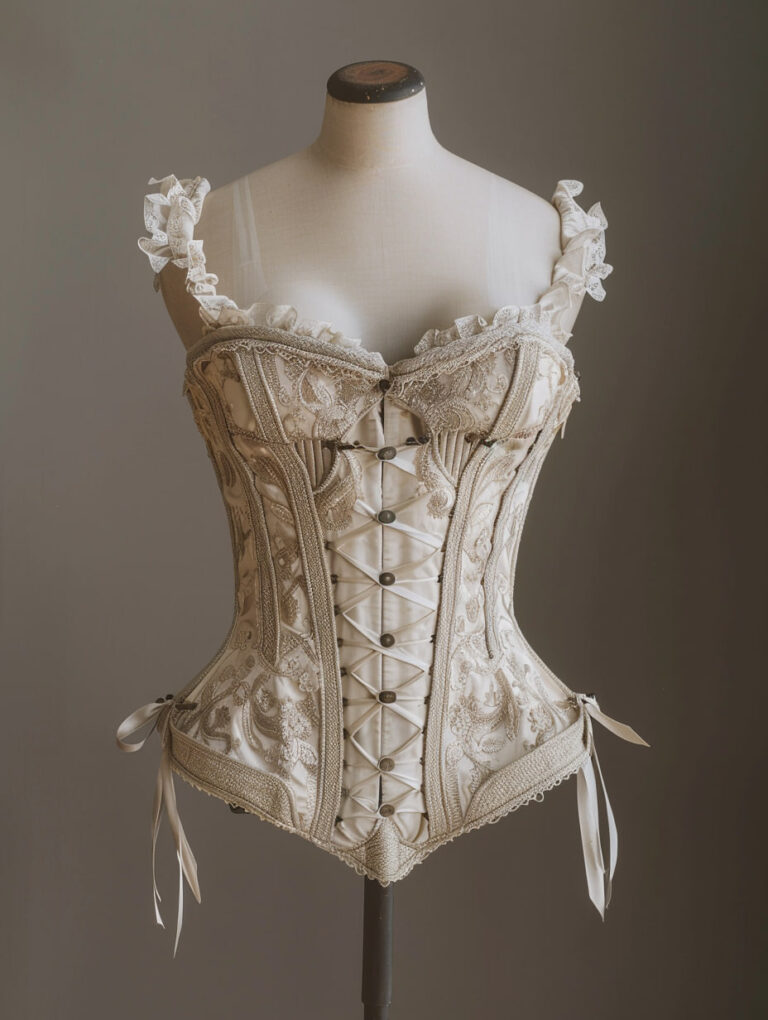
✔ Corset-Style Bodices – Lace-up bodices with structured cups and boning, often worn as outerwear for a bold, statement look.
✔ Bustier Tops – Sleek, fitted tops that highlight the waist while offering a more casual and wearable take on the traditional bodice.
✔ Peplum Bodices – Featuring a flared lower section, peplum bodices create a flattering and feminine silhouette.
✔ Romantic and Lace Bodices – Soft, delicate designs incorporating lace, sheer fabrics, and embroidery for an ethereal, vintage-inspired look.
✔ Minimalist and Modern Bodices – Clean lines and monochrome designs cater to contemporary, high-fashion aesthetics.
With endless possibilities, bodices allow wearers to experiment with their personal style, embracing both structure and fluidity in fashion.
The Future of the Bodice
As fashion continues to cycle through trends, the bodice remains a garment that adapts and reinvents itself. With sustainability becoming a key focus in fashion, designers are creating eco-friendly bodices using ethical materials and responsible production methods.
Additionally, gender-fluid fashion is reshaping the way bodices are worn, with many designers introducing unisex and androgynous variations. The bodice, once a symbol of rigid femininity, is now a garment of empowerment, self-expression, and versatility.
A Fashion Staple Through the Ages
As iconic designer Christian Dior once said, “Individuality will always be one of the conditions of real elegance.” The bodice embodies this philosophy—it is a garment that has adapted to changing ideals while maintaining its signature elegance and structure. From its origins in royal courts to its place in modern street fashion, the bodice continues to be a beloved piece of clothing, proving that style, innovation, and history can seamlessly come together in one timeless design.