10 min read Men's sewing Summer style
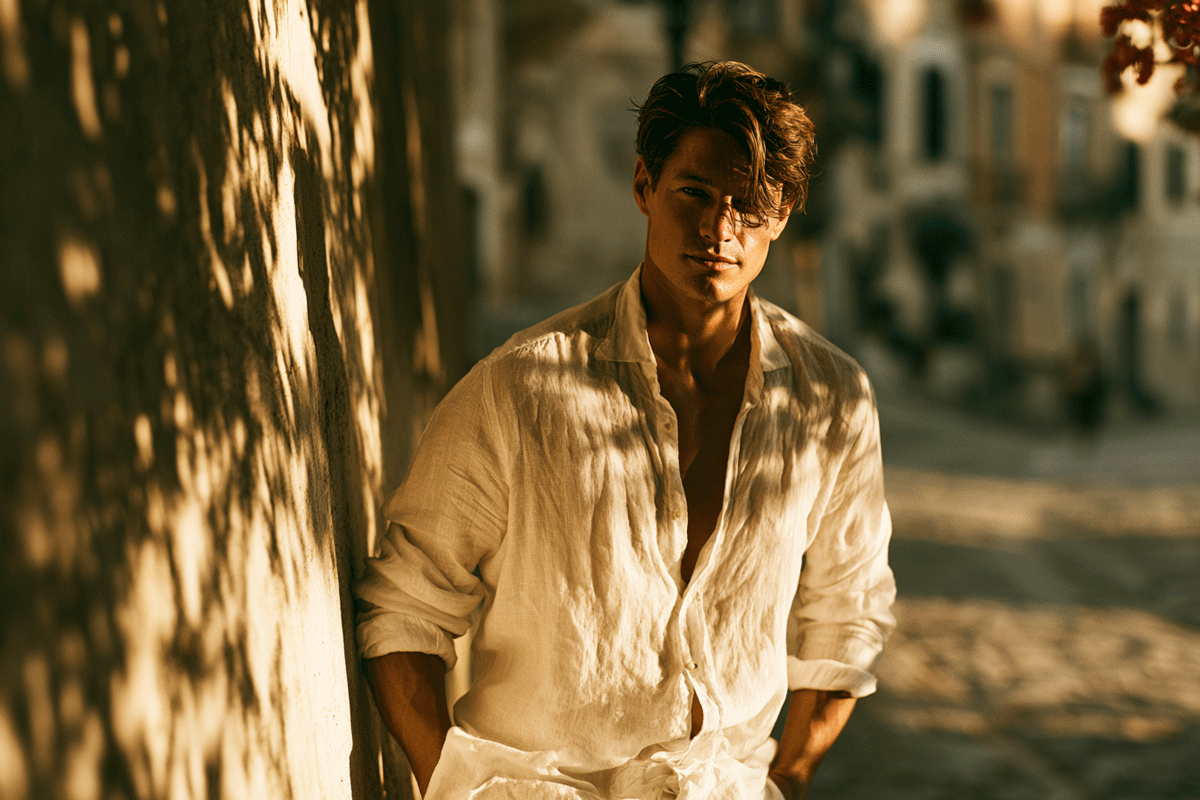
There is a case to be made that the men's summer shirt is the most important garment in any warm-weather wardrobe. Unlike a T-shirt, it works across a genuinely wide range of occasions — casual lunch, outdoor dinner, beach bar, garden party, even a smart-casual work environment with the right trousers. Unlike a jacket, it handles heat well when made from the right fabric. The problem is that most shirts available in shops in the summer are not, in fact, good summer shirts.
They are regular shirts made in summer colours — the same polyester-cotton blends or heavy oxford cloths that were on the same rails in winter, now available in pale blue and white rather than dark green and burgundy. Understanding what actually makes a summer shirt work in heat — and what to look for when you are choosing fabric to sew one — is the starting point for building a summer wardrobe that works.
The Quick TakeLinen is the best summer shirt fabric — hollow fibres, genuine ventilation, fast-drying. Cotton poplin for smart-casual occasions. Chambray for relaxed versatility. Seersucker for the most thermally ingenious option. The camp collar worn open is more comfortable in heat than a traditional collar. A slightly relaxed fit allows air to circulate. The Fabrico Vicenza men's shirt pattern is designed for all of the above.
The Three Things That Matter Most
1Fabric
By far the most important consideration. A shirt in the wrong fabric will be uncomfortable regardless of how well it is cut. A shirt in the right fabric will be comfortable regardless of minor fit imperfections. The fabric choice is where the temperature management happens.
2Fit and ease
A shirt that fits close to the body traps heat against the skin. A shirt with reasonable ease — not baggy, but not tight — allows air to circulate between the fabric and the body. For summer specifically, a slightly relaxed fit is more comfortable than a close-fit shirt in the same fabric.
3Construction details
Collar style, sleeve length, and whether the shirt is tucked or untucked all affect comfort in heat. The camp collar and the simple open collar allow more airflow than a traditional collar with button-down points — and a less enclosed neckline is noticeably cooler in sustained heat.
Fabrics
The Fabrics That Work in Summer Heat
The championLinen
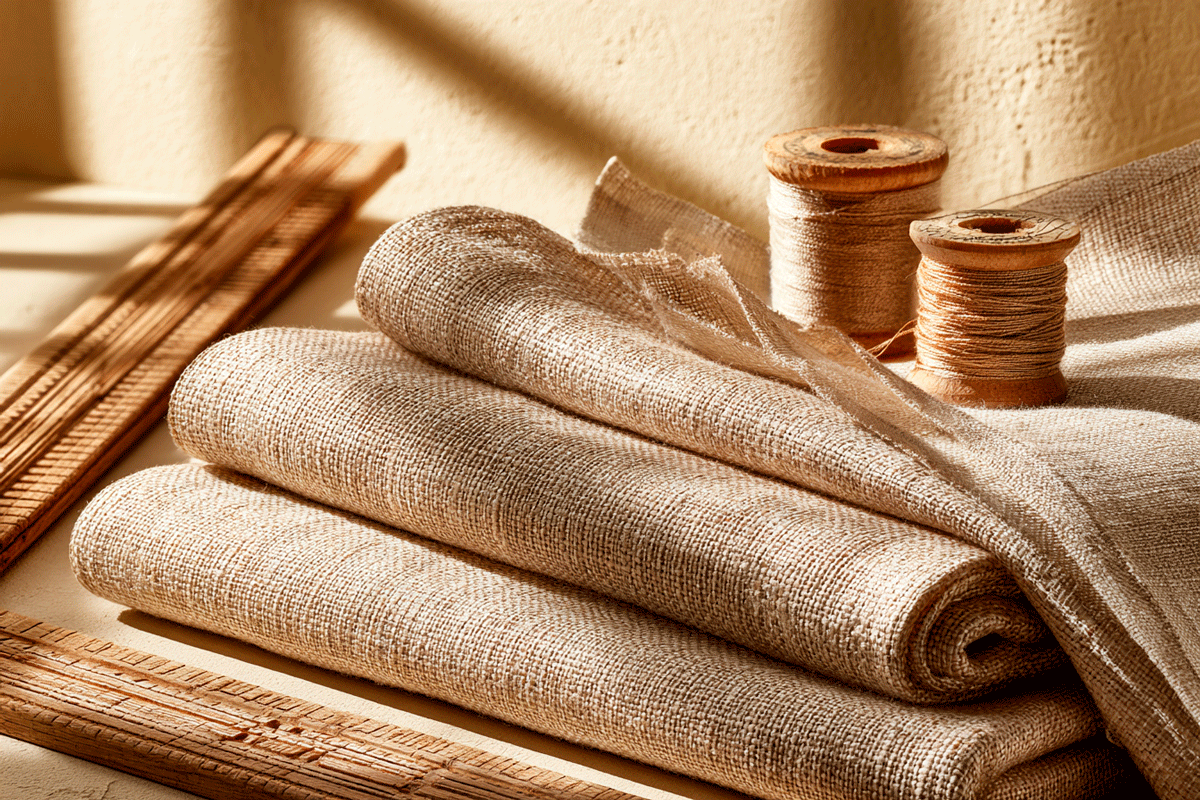
Linen is the best fabric for a summer shirt — a thermal fact, not a fashion preference. Linen fibres are hollow, which means air moves through them actively rather than passively. The fabric allows genuine ventilation, wicks moisture quickly, and dries fast. A linen shirt in 30°C heat is noticeably cooler than any other fabric at the same weight. It wrinkles — but the lived-in, slightly rumpled quality of a worn linen shirt is now considered attractive rather than sloppy in most contexts.
Smart-casualCotton poplin
Where linen is the casual and resort choice, cotton poplin is the smart-casual choice. A lightweight, plain-weave cotton with a slight sheen and a crisp hand. It is cooler than the heavier oxford cloth used in traditional dress shirts, sits neatly against the body, and presses to a clean, professional finish. In white, it is as close to a classic dress shirt as a genuinely summer-appropriate fabric can get.
RelaxedChambray
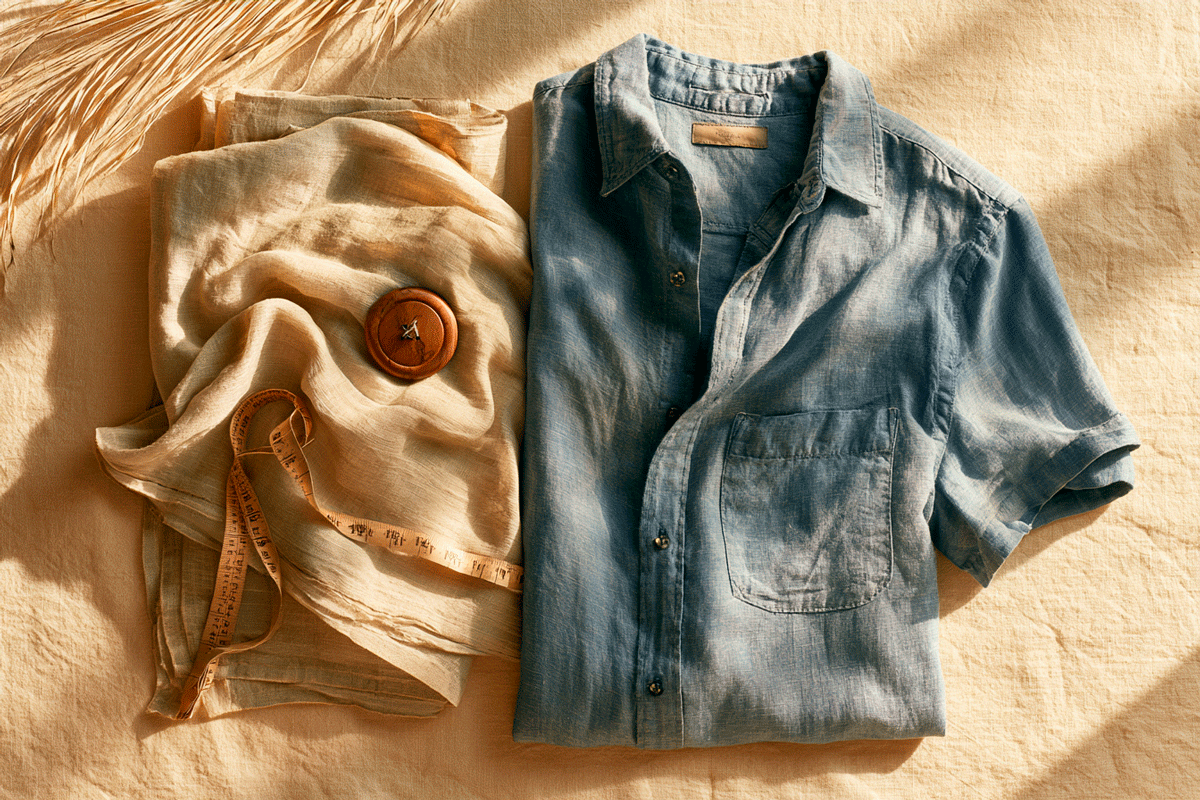
Chambray looks like lightweight denim but weighs a fraction as much and breathes considerably better. It reads as casual without reading as sloppy, and it is one of the most useful fabrics in a summer wardrobe precisely because it is dressed-up enough for a restaurant but relaxed enough for a beach walk. For a first men's shirt project, chambray in a mid-blue or natural blue is an excellent fabric choice.
Thermally ingeniousSeersucker
A cotton fabric with a characteristic puckered texture created during weaving. The puckered sections stand away from the body, creating air channels between skin and fabric. This makes seersucker one of the most effective fabrics for summer heat — it does not cling, does not stick when perspiring, and requires no ironing. The seersucker stripe is one of the more recognisable summer style statements in menswear.
Most relaxedCotton gauze
Cotton gauze — particularly double gauze — is among the lightest, most breathable cotton fabrics available. It has a textured appearance similar to linen but is softer and less prone to stiff creasing. Best suited to casual shirts and relaxed silhouettes where an informal, vacation-appropriate aesthetic is the goal.
The linen-cotton compromise If wrinkling is a genuine concern for a specific occasion, a linen-cotton blend (typically 55% linen, 45% cotton) offers most of linen's breathability with considerably less creasing. It sews similarly to cotton, presses more easily than pure linen, and produces a shirt that holds its shape through a warm day better than pure linen.
Cut and construction
The Cuts That Work in Summer
Long-sleeve or short-sleeve?
Both work in summer, and the choice depends on context rather than temperature alone. A long-sleeve shirt in a lightweight fabric provides sun protection on the arms — genuinely useful in outdoor settings. It is also more versatile across occasions: a long-sleeve linen shirt can go from a beach lunch to a smart dinner with different trousers and shoes, while a short-sleeve shirt is usually less adaptable to formal contexts. Short sleeves are cooler in the most direct sense and are the more comfortable choice for sustained outdoor activity in heat.
The collar — and why the camp collar wins in summer
The collar style has a meaningful effect on how a shirt feels in heat. A traditional collar with collar stays or button-down points requires wearing the collar at least partially buttoned to look correct — meaning fabric close to the throat, which is less comfortable in heat than an open collar allows.
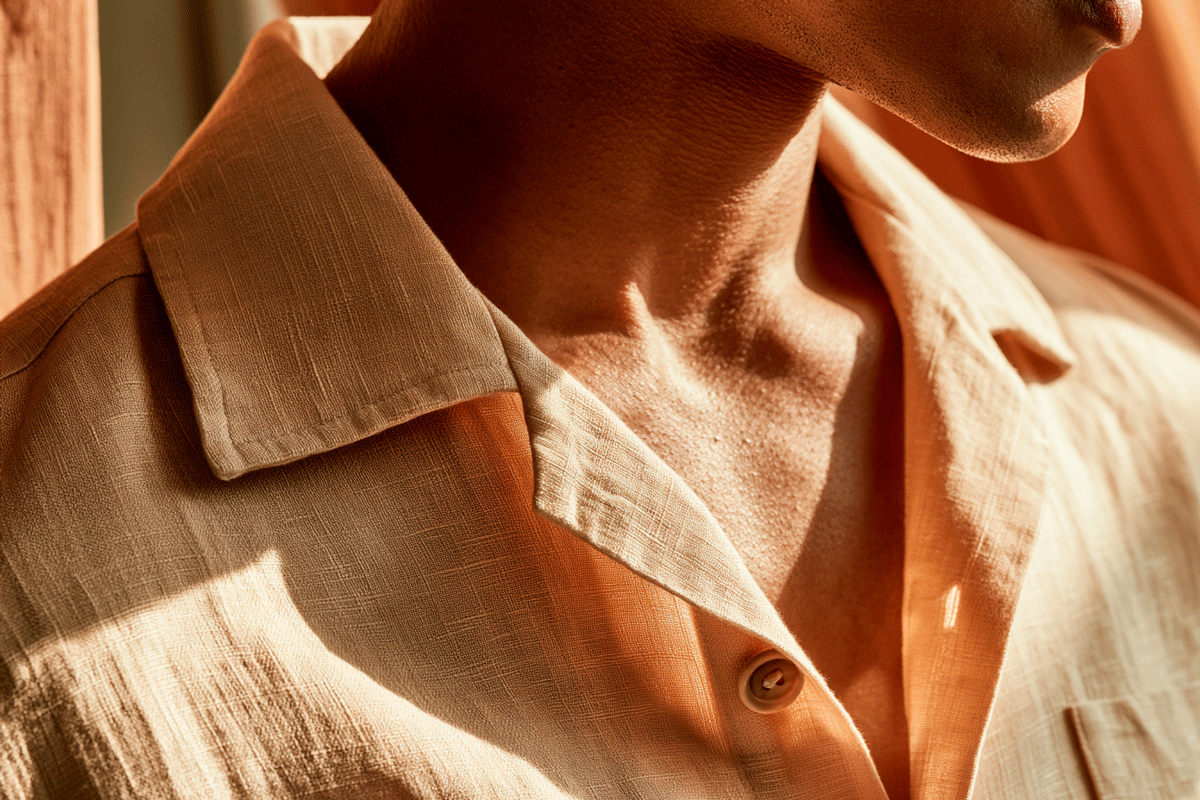
The camp collar (also called the Cuban collar) has a wider, shorter point and is designed to be worn open without looking incomplete. It eliminates the question of whether to button the collar because it is designed to work unbuttoned.
The camp collar has been one of the consistently fashionable shirt styles in menswear for the past several years, and it is particularly well-suited to summer and resort wear. In a lightweight printed fabric or a solid linen, it is one of the most effective single garment upgrades for a summer wardrobe.
Tucked or untucked?
For casual and smart-casual summer contexts, an untucked shirt in a longer length is both more comfortable and increasingly more acceptable. A shirt designed to be worn untucked typically has a slightly longer back hem, a curved hemline, and sufficient length to cover the waistband of the trousers comfortably. For formal contexts — smart summer dinners, weddings, business meetings — a tucked shirt in a poplin or fine linen remains the appropriate choice.
Colour and pattern
What Colour and Pattern to Choose
For practical summer comfort, pale and mid-toned colours reflect more heat than dark ones. White, cream, pale blue, light grey, and soft coral are the most comfortable in direct sun. Navy and other deep colours are stylish but warmer in outdoor settings.
Four classic optionsSolid colours
In a linen or chambray — the most versatile and the most classically appropriate for every context from casual to smart-casual. White, pale blue, natural linen, and soft sage all work across the widest range of occasions.
Breton and horizontal stripes
In navy and white, or blue and white — provide the nautical-adjacent aesthetic that works well with summer's general visual vocabulary. One of the most consistently appropriate summer patterns for menswear.
Tropical and botanical prints
Large-scale floral and leaf prints in muted or vibrant tones have been a strong menswear trend for several seasons and work particularly well in the camp-collar silhouette. A Hawaiian-style print in a quality fabric is a genuinely stylish summer choice.
Checks and gingham
In fine scales and light colours, checks are traditional summer shirting patterns that remain as current as they have ever been. A fine blue-and-white gingham in poplin is one of the most enduring summer shirt patterns in menswear.
The Vicenza pattern
Sewing a Men's Summer Shirt
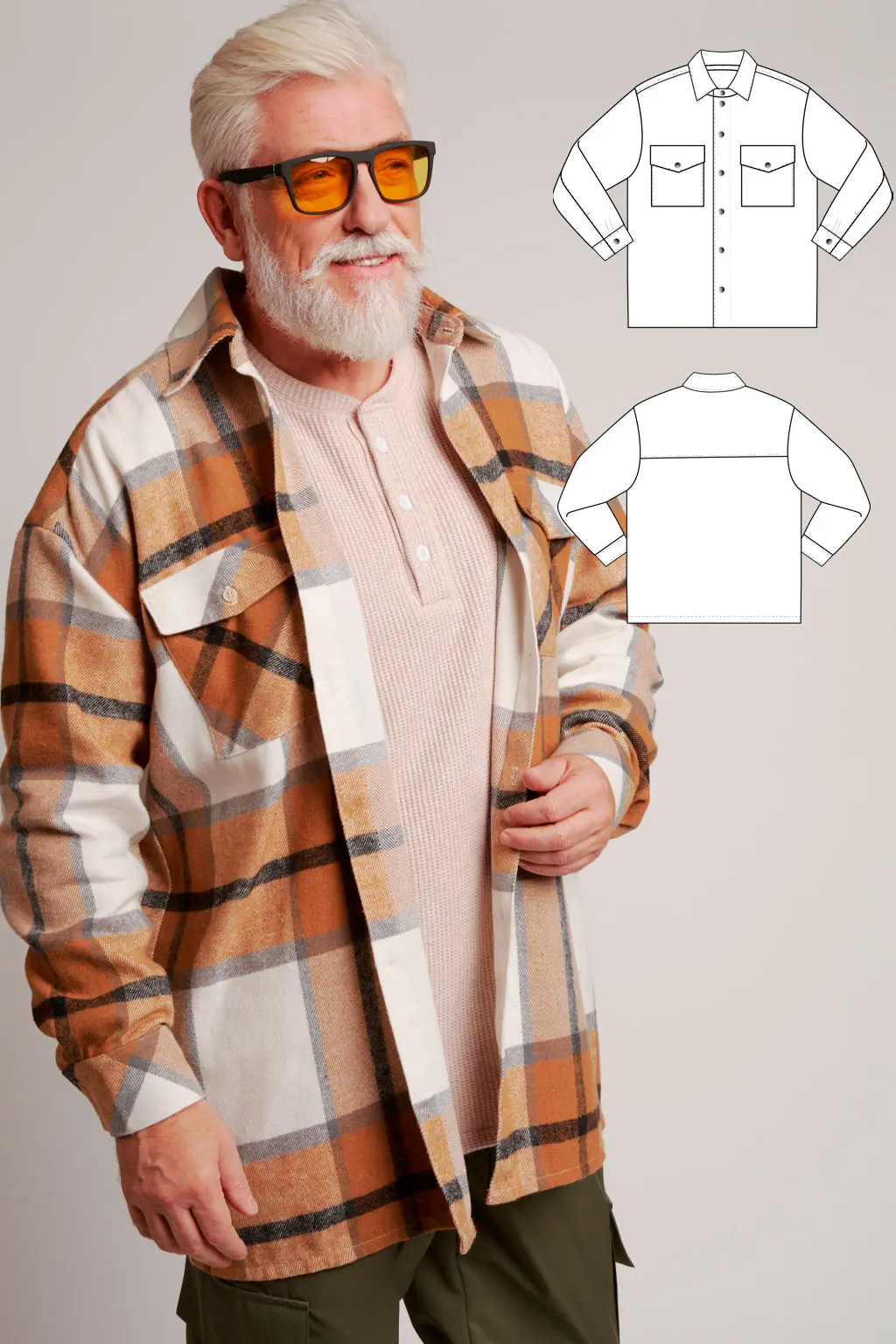
At Fabrico, the Vicenza men's shirt is the pattern designed for exactly the summer shirt described above. It features a classic shirt construction with a collar and cuffs, adapted for a relaxed fit that works in lightweight fabrics, and comes with a complete step-by-step video tutorial.
A shirt is a more technically involved project than a dress — it involves collar attachment, cuffs, and a button placket that require care and patience — but it is entirely achievable for a sewist with some experience, and the result is a garment that is both genuinely custom-fit and made in exactly the fabric you choose.
Recommended fabrics for the Vicenza shirt Cotton poplin in white, pale blue, or a fine stripe — crisp, easy to sew, produces a clean professional result. Linen-cotton blend in natural, white, or pale blue — slightly more relaxed in appearance, excellent for summer wear, manageable at the machine. Chambray — relaxed but refined, sews like cotton, produces a shirt that is both casual and put-together.
Frequently Asked Questions
What is the best fabric for a men's summer shirt?
Linen is the best fabric for a summer shirt — a thermal fact, not a fashion preference. Linen fibres are hollow, which means air moves through them actively. The fabric allows genuine ventilation, wicks moisture quickly, and dries fast. A linen shirt in 30°C heat is noticeably cooler than any other fabric at the same weight. For a slightly less wrinkle-prone alternative, a linen-cotton blend offers most of linen's breathability with considerably less creasing. Cotton poplin, chambray, and seersucker are also excellent choices for different contexts.
What is a camp collar shirt?
A camp collar (also called a Cuban collar) is a shirt collar with a wider, shorter point that is designed to be worn open without looking incomplete. Unlike a traditional collar, the camp collar lies flat and wide across the chest when open — providing the ventilation of an open neck while looking intentional rather than merely unfastened. It has been one of the consistently fashionable shirt styles in menswear for several years and is particularly well-suited to summer and resort wear.
Should a summer shirt be tucked or untucked?
For casual and smart-casual summer contexts, an untucked shirt in a longer length is both more comfortable and increasingly acceptable. A shirt designed to be worn untucked typically has a slightly longer back hem, a curved hemline, and sufficient length to cover the waistband comfortably. For formal contexts — smart summer dinners, weddings, business meetings — a tucked shirt in poplin or fine linen remains the appropriate choice.
What is seersucker fabric?
Seersucker is a cotton fabric with a characteristic puckered texture created during the weaving process. The puckered sections stand away from the body, creating small air channels between skin and fabric — making it one of the most effective fabrics for summer heat. It does not cling, does not stick when you perspire, and requires no ironing. Seersucker in stripe form is one of the more recognisable summer style statements in menswear.
What is the difference between chambray and denim?
Chambray uses a similar colour arrangement to denim — coloured warp threads and white weft threads — but weighs a fraction as much and breathes considerably better. Chambray is lightweight enough to be a genuinely comfortable summer fabric, while denim in standard weights is too heavy and dense for warm-weather wear. The result is a fabric that has the visual character of denim but the summer suitability of lightweight cotton.
Men's sewing patterns
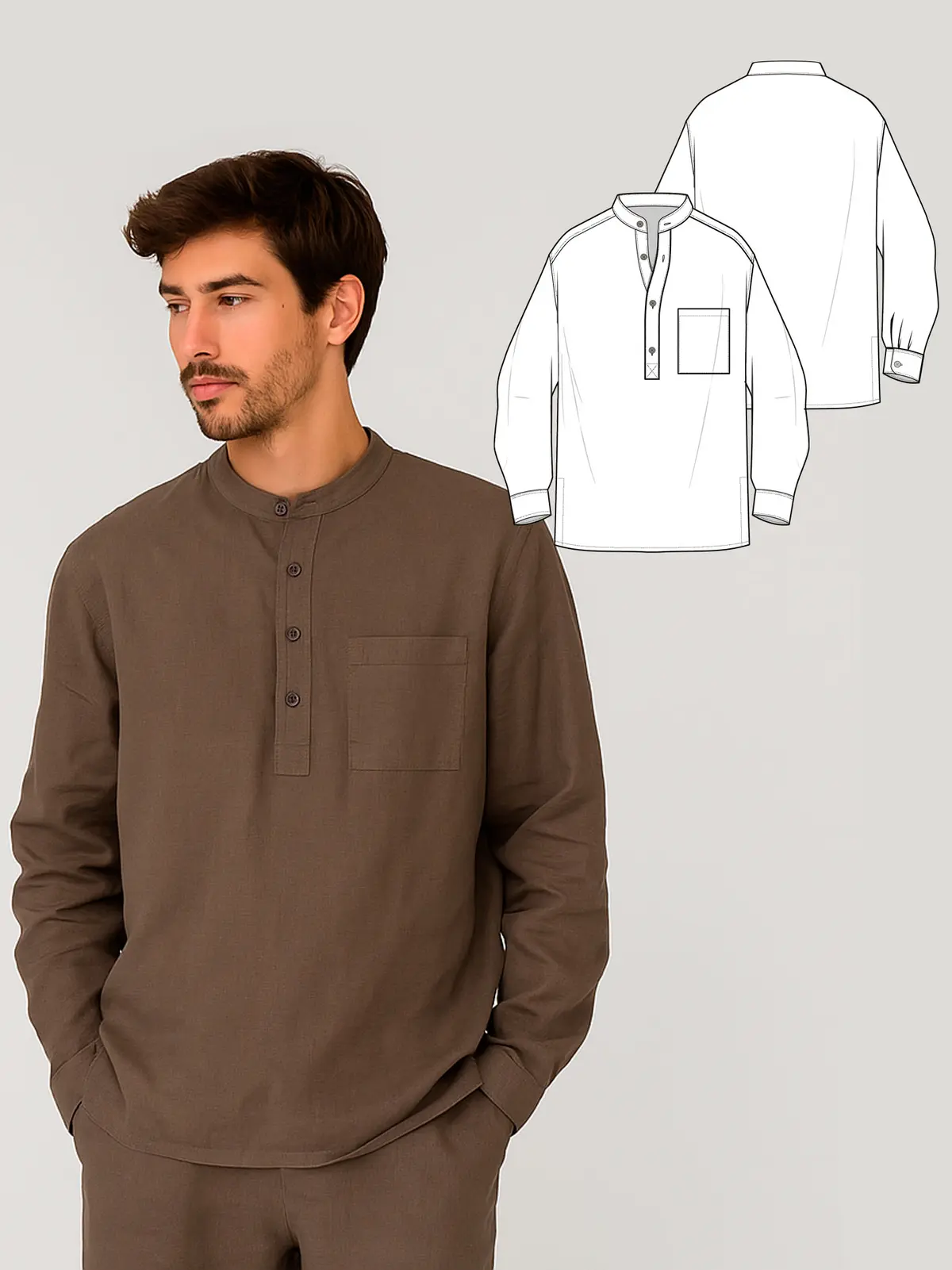 Men's shirt
 Vicenza men's shirt
PDF pattern · Video tutorial
from 3,99 €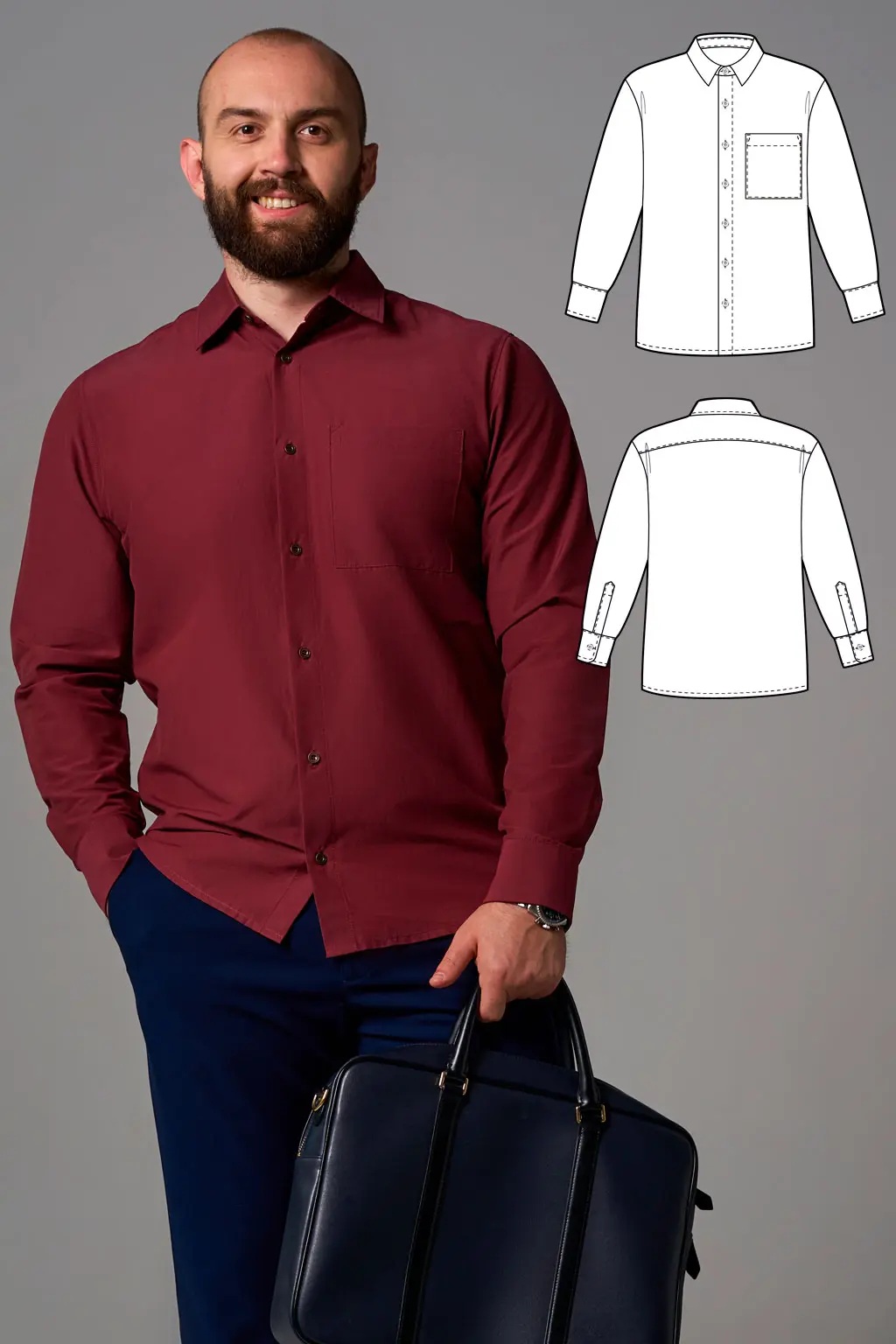 Men's shirt
 Portland men's shirt
PDF pattern · Video tutorial
from 3,99 €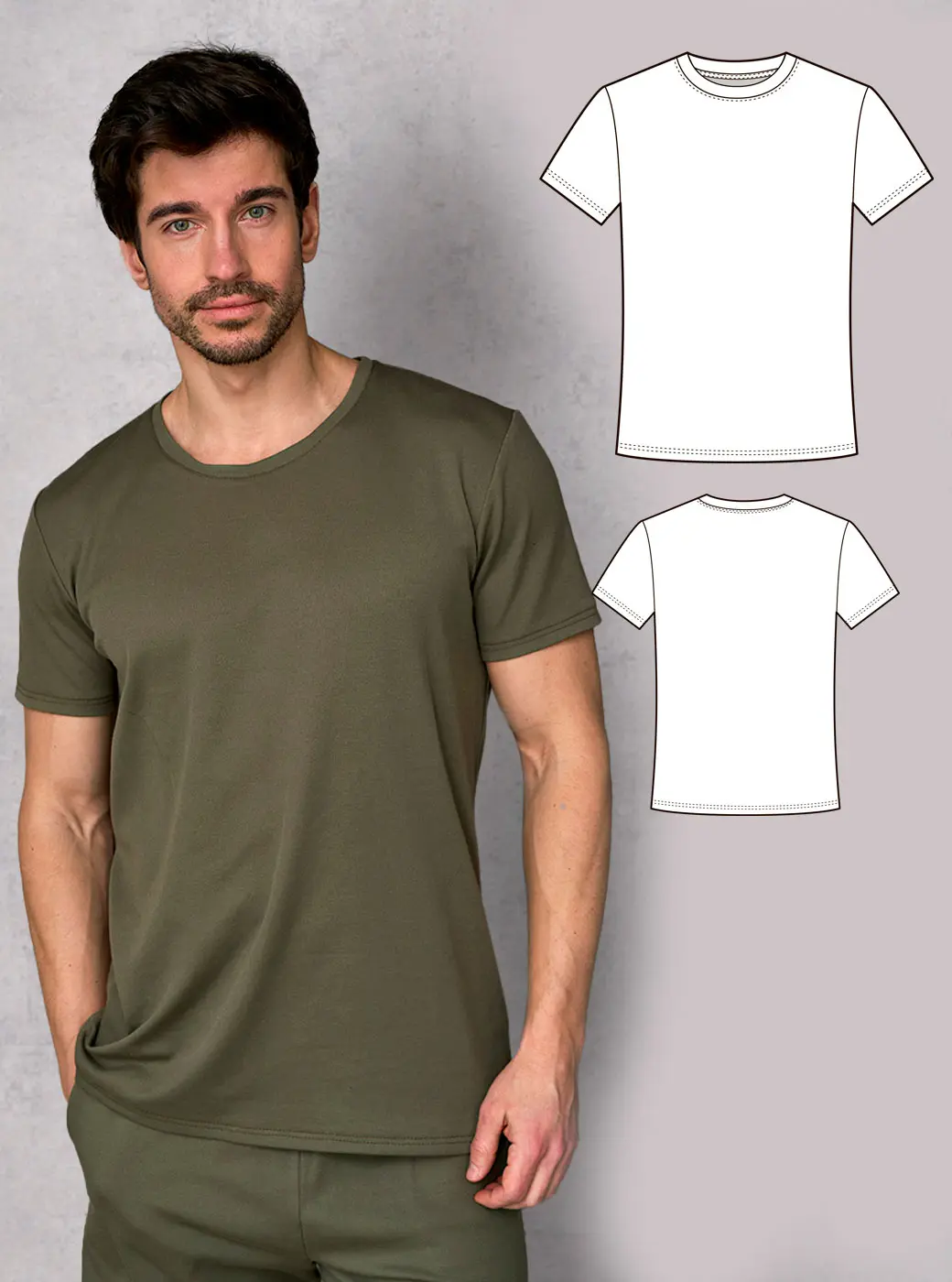 Men's T-shirt
 Dallas men's T-shirt
PDF pattern · Video tutorial
from 2,99 €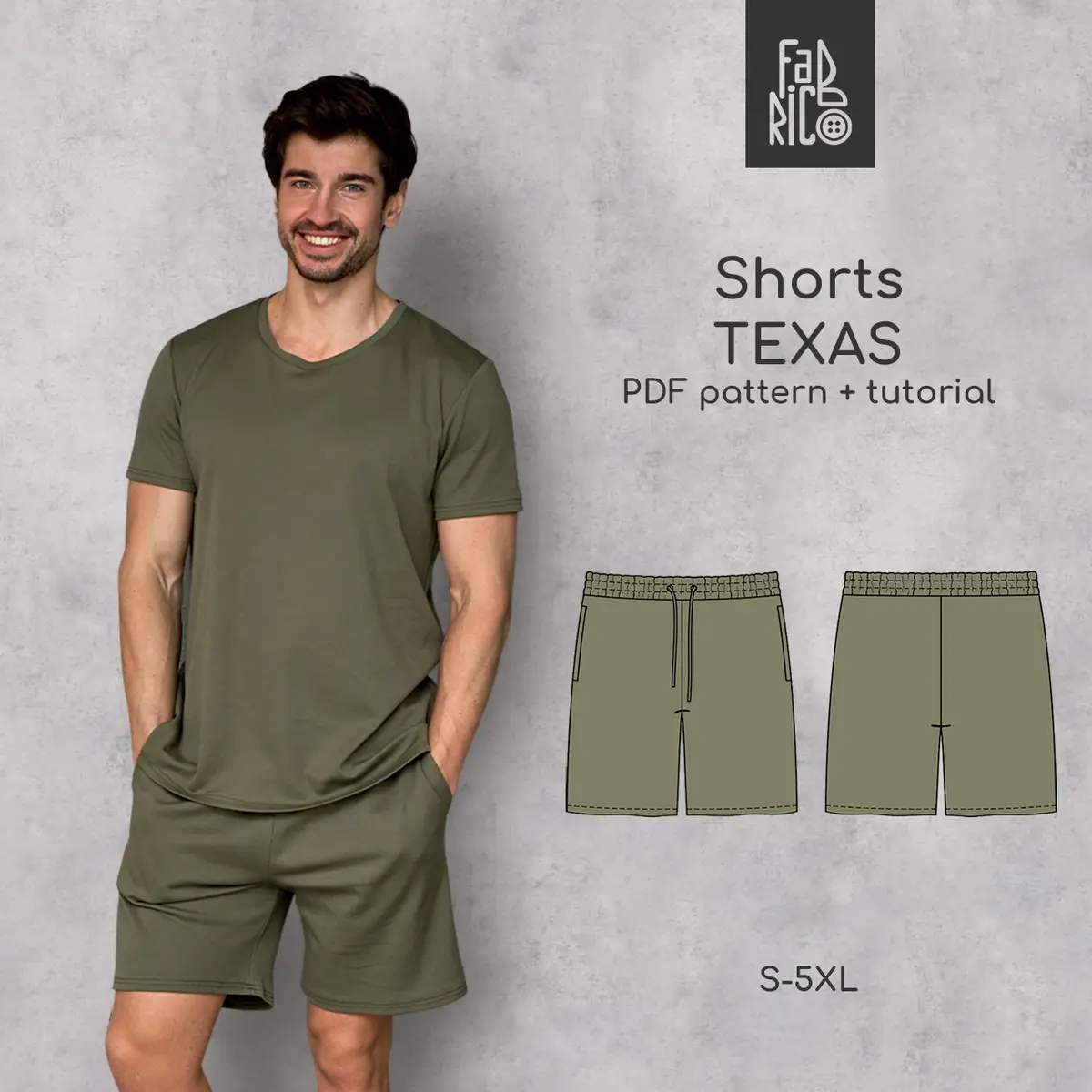 Men's shorts
 Texas men's shorts
PDF pattern · Video tutorial
from 3,99 €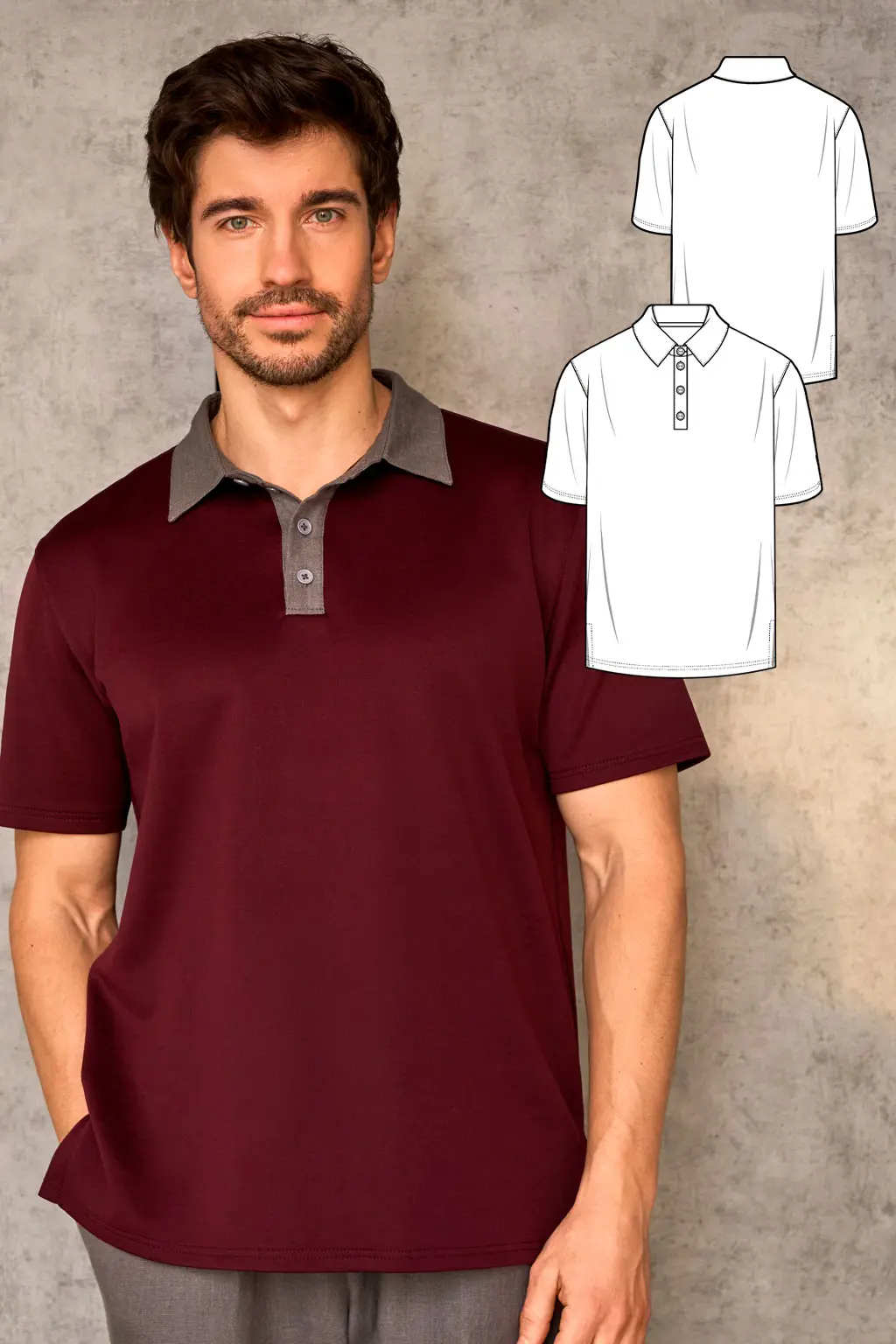 Men's polo shirt
 Sorrento polo shirt
PDF pattern · Video tutorial
from 3,99 €→ Browse all men's patterns
Keep reading
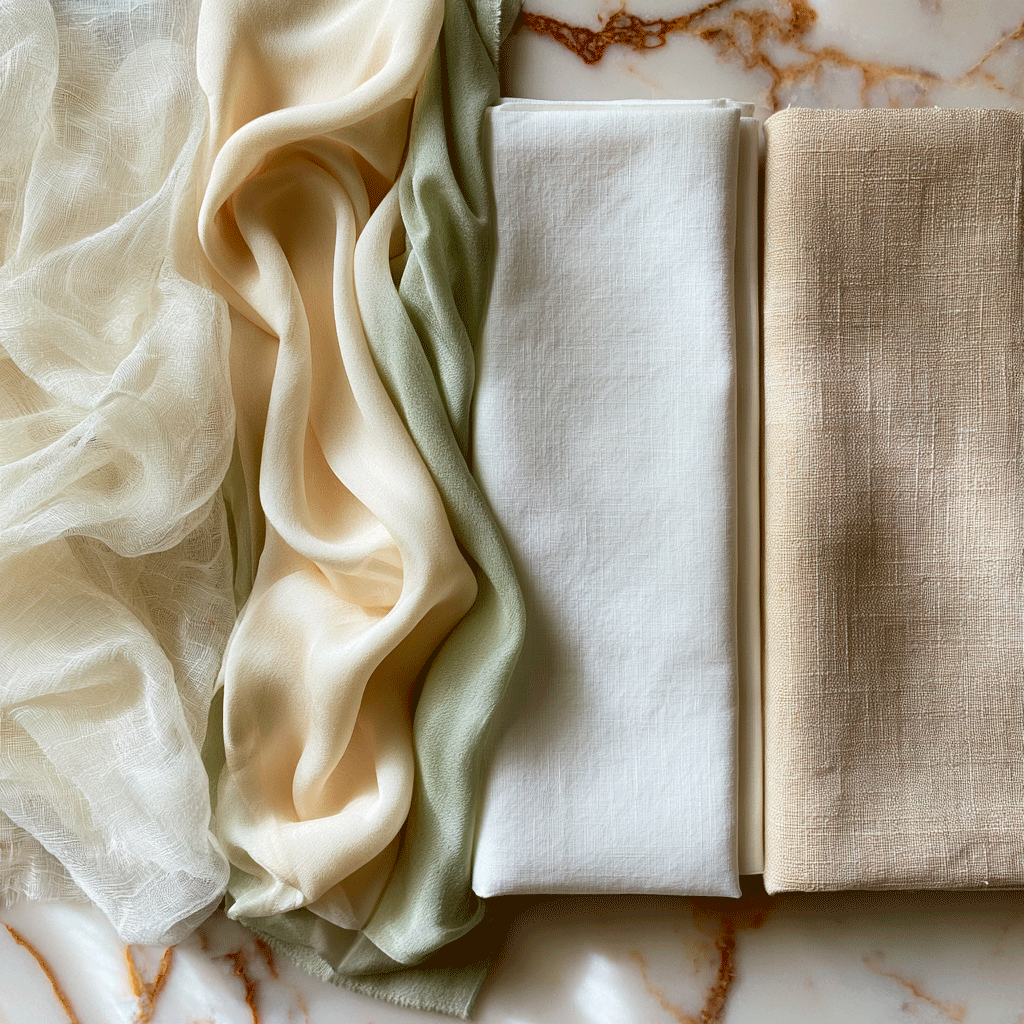 Fabric guide
 The Best Fabrics for Hot Weather
Linen, cotton, viscose — what works in real summer heat and why.
Read more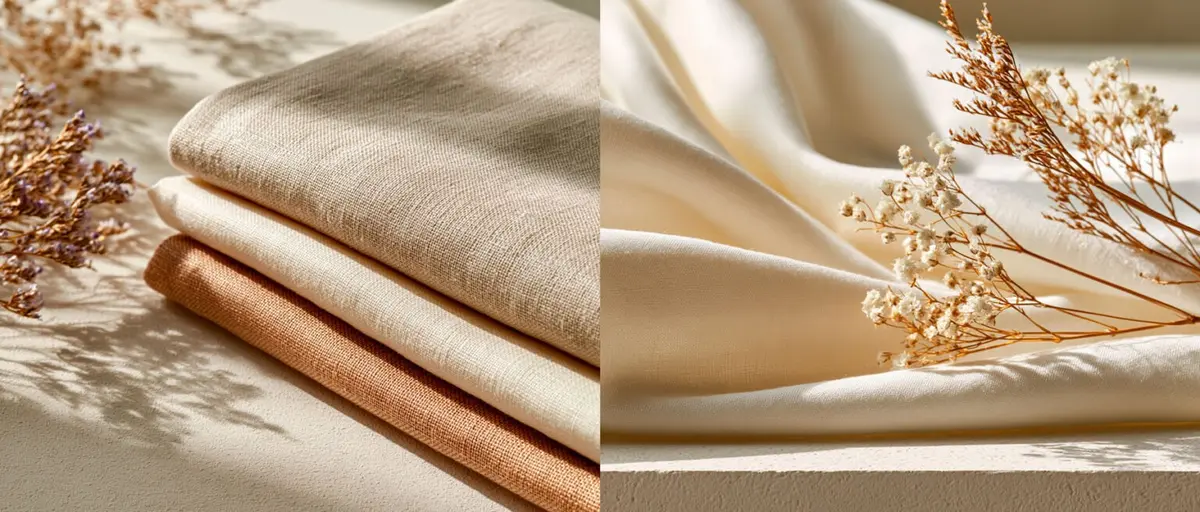 Fabric guide
 Linen vs Cotton: Which Fabric Should You Choose
A head-to-head comparison — breathability, drape, ease of sewing, cost, and care.
Read more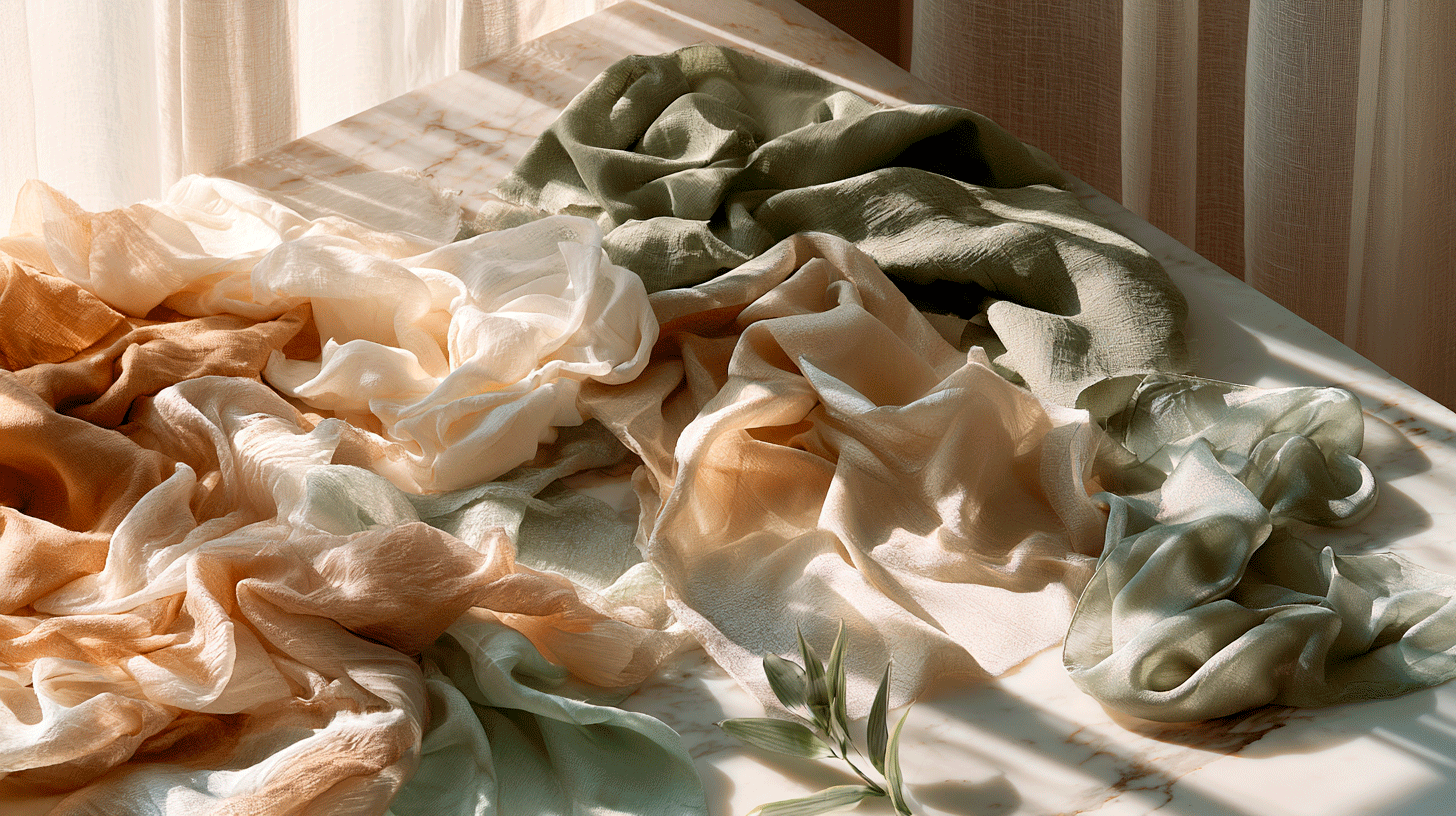 Fabric guide
 Summer Fabrics You Should Avoid
Polyester, acrylic, heavy denim — why they fail in real heat and what to choose instead.
Read more Colour & heat
 The Best Colours to Wear in Hot Weather
Why pale colours reflect heat — and what the research really shows.
Read more Sewing essentials
 How to Pre-Wash Your Fabric Before Sewing
The step most beginners skip — and the one most consistently regretted.
Read more Summer sewingBeach Cover-Up or Summer Dress?
How to sew one garment that works from the beach to the restaurant without changing.
Read more