8 min read Fabric & colour Summer dressing

Every summer, the same advice appears in every magazine: wear white, wear light colours, avoid black. It's such familiar guidance that most of us have stopped questioning it. But is it true? And if so, why? And what about all the other colours in between — the pale yellows, the dusty blues, the soft corals that fill summer wardrobes every year?
The science of colour and heat is genuinely interesting, and the answers are slightly more nuanced than the standard advice suggests. Here's what the research actually shows — along with some practical guidance for choosing colours when you're sewing your own summer wardrobe and want to look beautiful and feel comfortable in the heat.
The Quick TakeWhite, pale yellow, and pastels stay the coolest in direct sun — research shows up to a 20°C surface-temperature difference compared with dark green or black. Medium red is surprisingly cool; dark navy, dark green, and burgundy are the warmest. But colour is only half the story — fit and fabric matter more. A loose white cotton dress is cooler than a tight white synthetic; a loose black linen dress is cooler than a tight black anything. Choose both well.
The Physics: Why Colour and Temperature Are Connected
The relationship between colour and heat comes down to how different surfaces interact with light.
When sunlight hits a fabric, one of three things happens: the light is absorbed (converted into heat energy, which warms the fabric and the body beneath), reflected (bounced away from the fabric, reducing heat absorption), or transmitted (passed through the fabric). The proportion of light that's absorbed versus reflected depends primarily on the colour of the fabric.
Dark colours — black, navy, dark green, deep burgundy — absorb a larger proportion of the light spectrum, converting more of that incoming light into heat. The fabric gets warmer, and that warmth is conducted to the skin beneath. Light colours — white, pale yellow, cream, soft pastels — reflect more of the incoming light rather than absorbing it, so less energy is converted into heat and the fabric stays cooler.
This principle is called the albedo effect — the same phenomenon that causes snow-covered ground to stay cooler than dark soil. It's well established in physics and has been confirmed by clothing-specific research.
A study led by Japanese researcher Toshiaki Ichinose set up polo shirts on mannequins in nine colours and exposed them to sunlight. Using a thermographic camera to measure surface temperature, the study found that white shirts stayed around 30°C, compared to dark green shirts which reached around 50°C — a difference of approximately 20 degrees in the same conditions.
A 20°C difference in fabric surface temperature is significant. Whether that translates directly to 20°C felt by the body beneath is more complicated — which is where the story gets interesting.
The Complication: It's Not Just About Colour
Here's the detail that the standard "wear white" advice tends to skip: the colour of the fabric affects how much heat the fabric itself absorbs, but how much of that heat reaches your body also depends on the fabric's structure, weight, and fit.
Research on Bedouin desert clothing found that while black robes did absorb more heat than white ones, the extra heat was largely dissipated before reaching the skin. The reason the Bedouins stayed cool in black robes was primarily the looseness and billowing structure of the garment, which created airflow between the fabric and the body. The researchers concluded that fit and airflow play a more critical role in keeping cool than colour alone.
This doesn't mean colour is irrelevant — it means colour works in combination with fabric and fit, not in isolation. A loose white cotton dress in 30°C heat is cooler than a tight white synthetic one, which is in turn cooler than a tight black synthetic one. The colour contributes, but it isn't the only factor.
For a home sewist, this is useful: when you choose both the colour and the fabric for a summer dress, you're making two decisions that together determine how comfortable the finished garment will be.
The Colours That Work Best in Heat
Based on the available research, here's where different colours sit on the heat spectrum.
White & CreamThe Most Reflective Colours Available
Temperature readings in the Japanese study showed white shirt surfaces staying around 30°C — the coolest of all colours tested. White reflects the full visible spectrum of light rather than absorbing it, which is why it appears white to the eye and why it stays the coolest at the surface.
One practical consideration Opacity matters. A very lightweight white fabric may be partially transparent, requiring either a lining or careful undergarment choices. Cotton and linen in white are generally opaque at reasonable weights; cotton voile and fine viscose may need a slip lining. Easy to test: hold the fabric up to the light before buying.
Pale Yellow & Soft OrangeAlmost as Cool, More Warmth in Tone
Yellow followed white closely in the research, also registering around 30°C surface temperature. These colours reflect most visible wavelengths effectively and absorb less heat. Pale yellow and soft orange have the added advantage of looking warmer and more vibrant than white — better for olive and darker skin tones, where pure white can sometimes read as harsh.
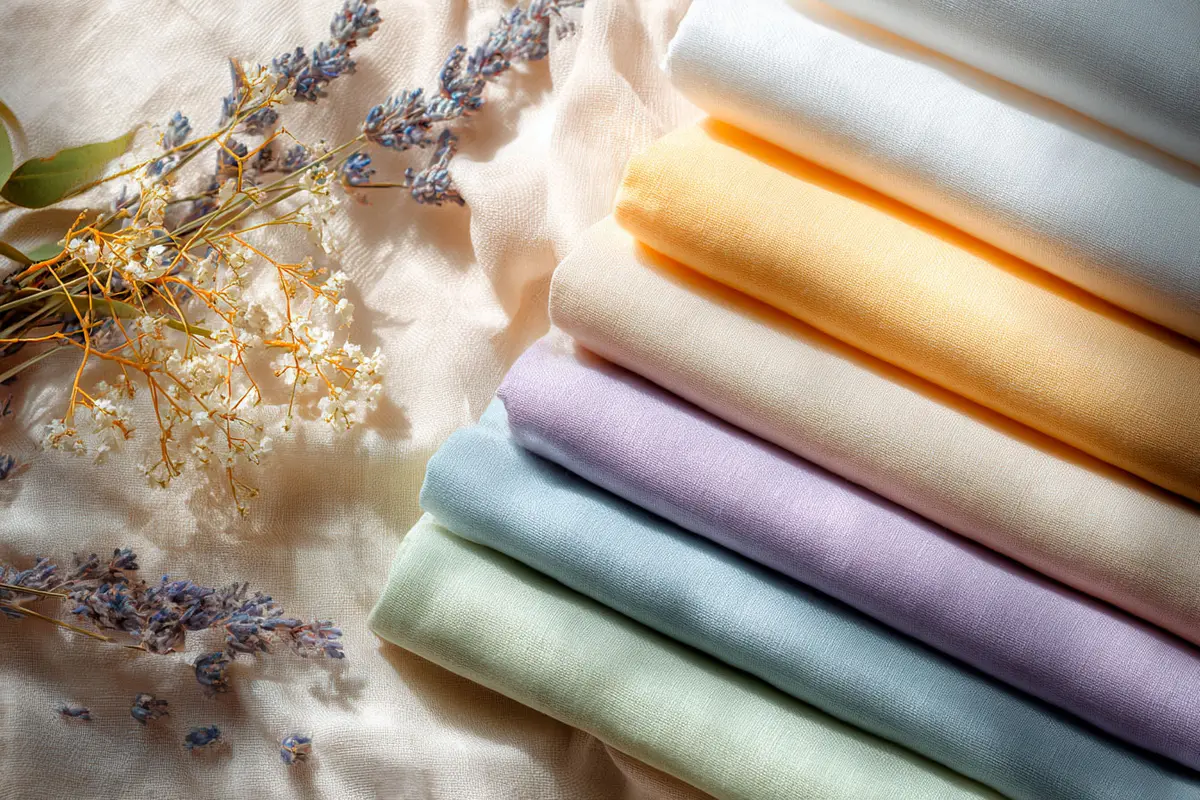
PastelsMint, Lavender, Soft Pink, Sky Blue
Pastel colours sit comfortably in the reflective range. They reflect light well and offer a light, airy feel, making them a practical and stylish choice for hot weather.
For summer dress fabric, pastels in natural fibres — cotton lawn, linen, fine viscose — are both thermally sensible and aesthetically wonderful. The combination of a cool pastel colour and a breathable natural fabric produces the best possible result in terms of comfort.
Light GreyThe Quiet Alternative to White
Light grey reflects approximately 90 to 95% of available light, making it an excellent alternative to white for those who prefer a slightly more muted palette. The key qualifier is light — medium and dark greys absorb progressively more heat and aren't useful substitutes for white or cream in very hot conditions.
Red — the surprising oneCooler Than It Looks
Red rated as one of the cooler colours in tests, despite its warm visual associations. It reflects more sunlight than darker tones and can help keep the body cool in outdoor heat. This is somewhat counterintuitive — red feels warm and energetic — but from a purely thermal perspective, a medium-toned red is considerably cooler than navy, dark green, or black. For a summer party dress or outdoor occasion dress, red is a legitimate cool choice.
The Colours to Use More Carefully
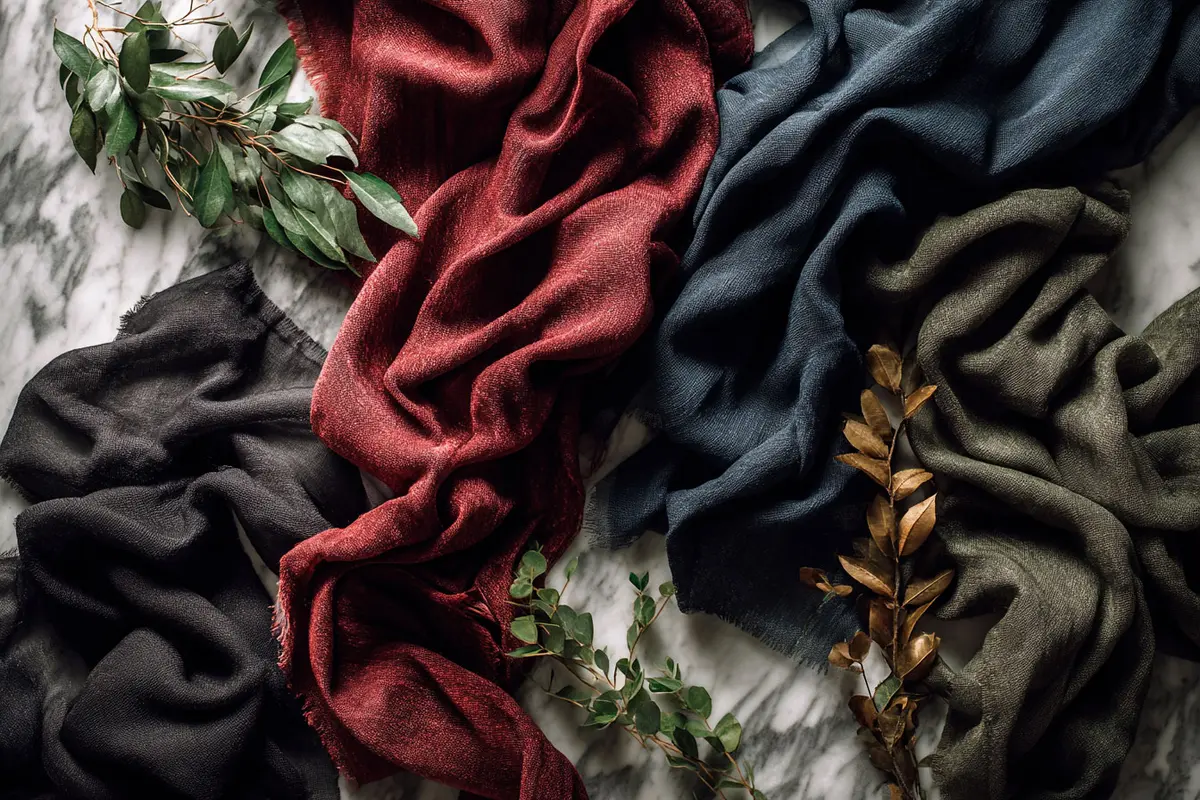
The Most Absorbent — and More Complicated Than It Sounds
A black object absorbs all wavelengths of light and converts them into heat. In the Japanese study, black shirts finished approximately 60°F hotter than white shirts after five minutes in direct sun.
Black absorbs the most heat of any colour, which is why it's traditionally avoided for hot-weather outdoor wear. That said, the Bedouin research shows that a loose, flowing black garment in a breathable fabric is more comfortable than a tight, fitted one — so if you love black and want to wear it in summer, prioritise structure and airflow over colour avoidance.
Two genuine advantages Black provides better UV protection than white (absorbing rather than transmitting UV rays to the skin), and it doesn't show sweat marks — a very practical consideration for a summer occasion.
Dark Navy & Dark GreenThe Warmest of All
In the Japanese study, dark green shirts reached the highest surface temperatures of all, around 50°C. Dark navy behaves similarly, absorbing a large proportion of the light spectrum. These are the colours to avoid most actively if thermal comfort in direct sun is the priority.
Dark Red & BurgundyHue Matters Less Than Depth
Dark red absorbs heat faster and more strongly than lighter colours, and is best avoided on days when you expect to be outside for extended periods.
The distinction between red (reflective, cooler) and dark red or burgundy (absorptive, warmer) is worth noting — it's the depth of the tone that determines the thermal behaviour, not the hue itself.
What This Means for Your Summer Sewing
When you're choosing fabric for a summer dress, you're making decisions about colour and fabric simultaneously — and the combination matters more than either element alone.
The ideal combination for a hot-weather summer dress: a light colour (white, pale yellow, soft coral, mint, lavender, sky blue) in a natural, breathable fabric (cotton, linen, cotton-linen blend, or viscose), cut in a loose or semi-fitted silhouette. This maximises heat reflection, maximises airflow, and lets the body's natural cooling mechanisms — perspiration and evaporation — work effectively.
For occasion dresses where you want a richer or more dramatic colour: medium tones rather than deep ones, and a fabric with good drape (viscose, cotton crepe) rather than a heavy or synthetic one. Red is a better choice than navy for a summer party dress if thermal comfort matters alongside aesthetics.
For white dresses: check opacity before cutting and consider whether a simple cotton lawn slip lining is needed under lightweight fabrics.
The Colour Summary, at a Glance
From coolest to warmestCoolest
White, cream, pale yellow, soft orange. The most reflective end of the spectrum.
Very good
Mint, lavender, soft pink, sky blue, light grey. Pastels and light neutrals — almost as reflective as white.
Good
Medium red, medium coral, medium turquoise. Surprisingly cool — depth, not hue, is what raises absorption.
Warmer
Medium navy, medium olive, medium purple. Use with breathable fabric and a loose cut.
Warmest
Dark navy, dark green, dark burgundy, black. Avoid in fitted synthetics; in loose linen, much more comfortable than you'd expect.
The difference between the top and bottom of this list is significant in direct sunlight — potentially 20°C of surface temperature difference. In a loose, breathable garment made from natural fabric, this difference narrows considerably. In a fitted, synthetic garment, it widens.
At Fabrico Every Fabrico pattern is designed to work in the fabric and colour of your choosing — from light cotton sundresses in white and pastels to richer-toned party dresses in coral or red. Each comes with a complete video tutorial so you can sew with confidence from the first cut to the finished hem.
Frequently Asked Questions
What is the coolest colour to wear in hot weather?
White is the coolest colour to wear in hot weather. It reflects the full visible spectrum of light rather than absorbing it, which means less light energy is converted into heat. In a Japanese study comparing nine shirt colours in direct sunlight, white surfaces stayed around 30°C, compared to around 50°C for dark green — a difference of approximately 20 degrees in the same conditions. Pale yellow and very light cream perform almost as well.
Is it bad to wear black in summer?
It depends more on the cut and fabric than on the colour. Black does absorb the most heat of any colour, but the famous research on Bedouin desert clothing showed that loose, flowing black robes stay cool because of airflow between the fabric and the body — the heat is dissipated before reaching the skin. A loose black dress in breathable natural fabric is more comfortable than a tight white synthetic one. Black also offers better UV protection than white and doesn't show sweat marks.
Does red absorb heat?
Medium-toned red is actually one of the cooler colours, despite its warm visual associations. It reflects more sunlight than darker tones and is a legitimate choice for summer dresses where thermal comfort matters. The distinction is between bright or medium red (reflective, cooler) and dark red or burgundy (absorptive, warmer) — depth of tone determines thermal behaviour, not hue.
What colours should I avoid in hot weather?
The colours to avoid most actively in direct sun are dark green, dark navy, dark burgundy and black, especially in fitted, tightly-woven, or synthetic fabrics. In the Japanese study, dark green shirts reached the highest surface temperatures of all, around 50°C. If you love a dark colour and want to wear it in summer, prioritise a loose silhouette and a breathable natural fabric like cotton or linen.
Do pastel colours keep you cool?
Yes. Pastel colours — mint green, lavender, soft pink, sky blue, pale yellow — sit comfortably in the reflective range and behave very similarly to white in terms of heat absorption. They reflect light well and offer a light, airy feel, making them a practical and stylish choice for hot weather. In natural fibres like cotton lawn, linen, or fine viscose, they're an ideal combination of thermal comfort and aesthetic warmth.
Is colour or fabric more important for staying cool?
Fit and airflow matter more than colour alone. Research on Bedouin desert clothing concluded that the looseness and structure of a garment plays a more critical role in keeping cool than its colour. Colour contributes — a light colour in a natural fabric cut loosely is the ideal — but fit and fabric breathability are the foundation. A loose white cotton dress is cooler than a tight white synthetic one, which is in turn cooler than a tight black synthetic one.
What colour reflects the most sunlight?
White reflects the most visible sunlight — close to 100% of the visible spectrum at the surface. Pale yellow and very light cream are next, followed by light grey (which reflects approximately 90–95% of available light). This is the same physical principle, called the albedo effect, that causes snow-covered ground to stay cooler than dark soil.
Choose your colour, sew your dress
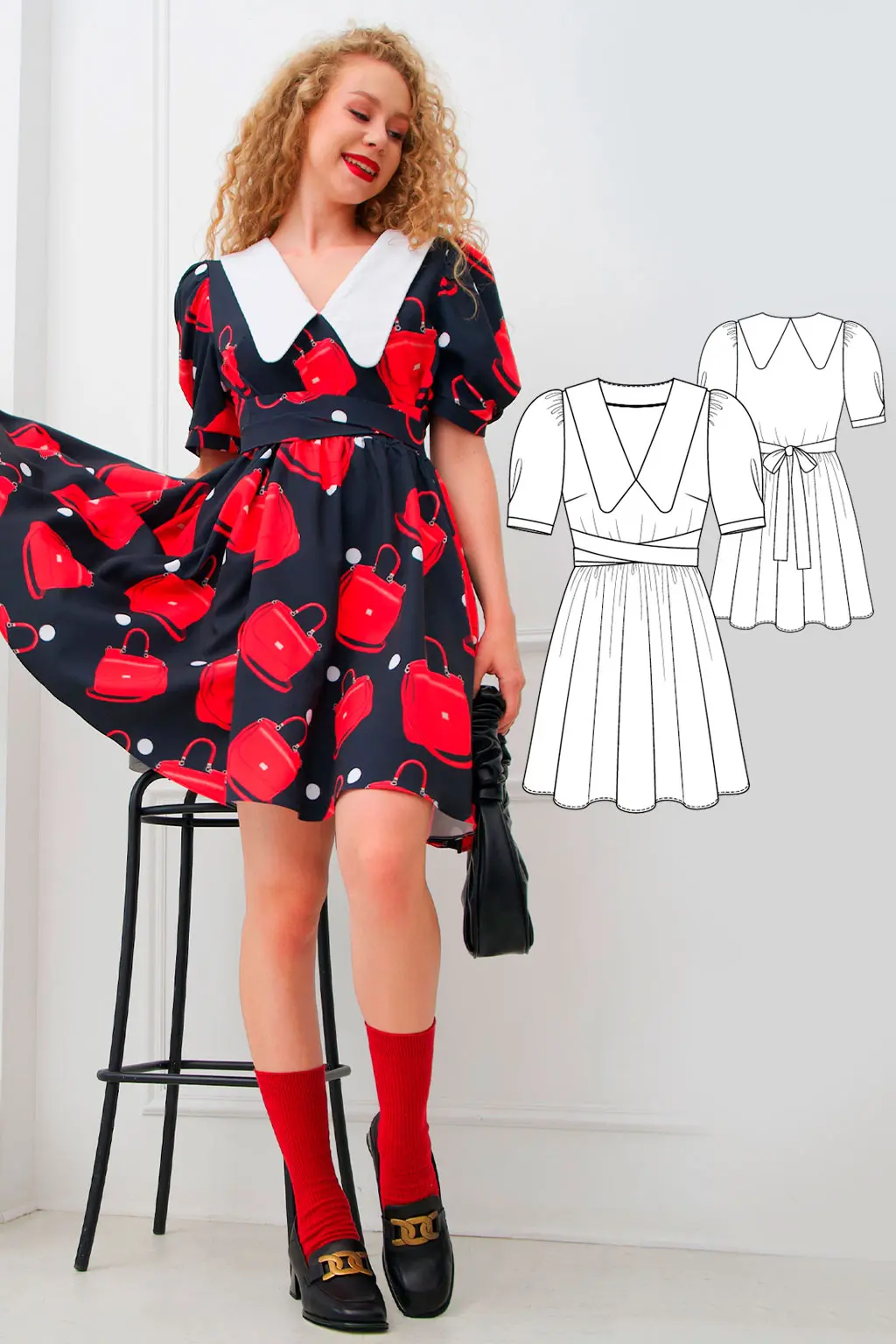 Everyday
 Victoria V-neck dress
PDF pattern · Video tutorial
from 3,99 €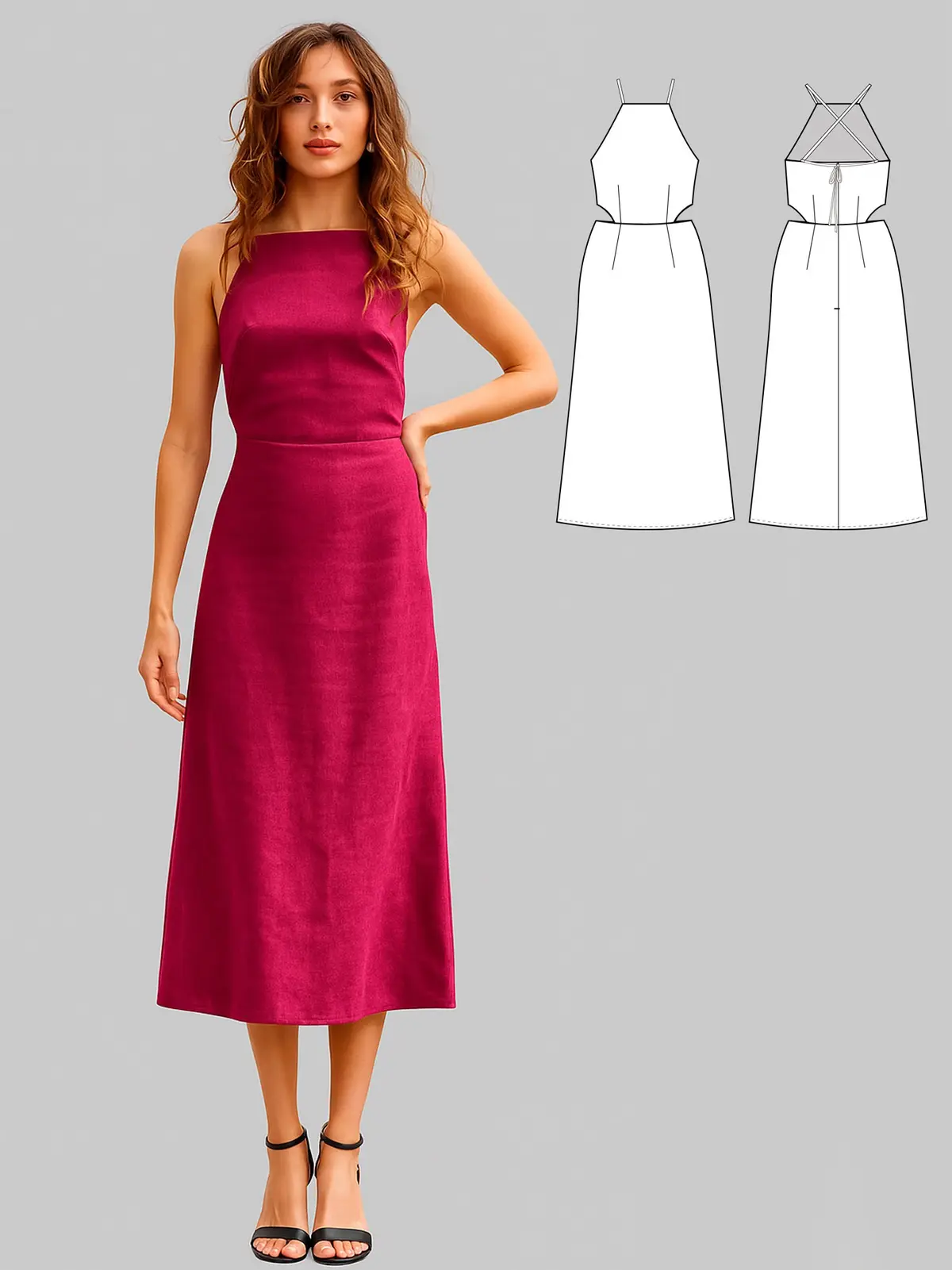 Sundress
 Muffin sundress
PDF pattern · Video tutorial
from 4,50 €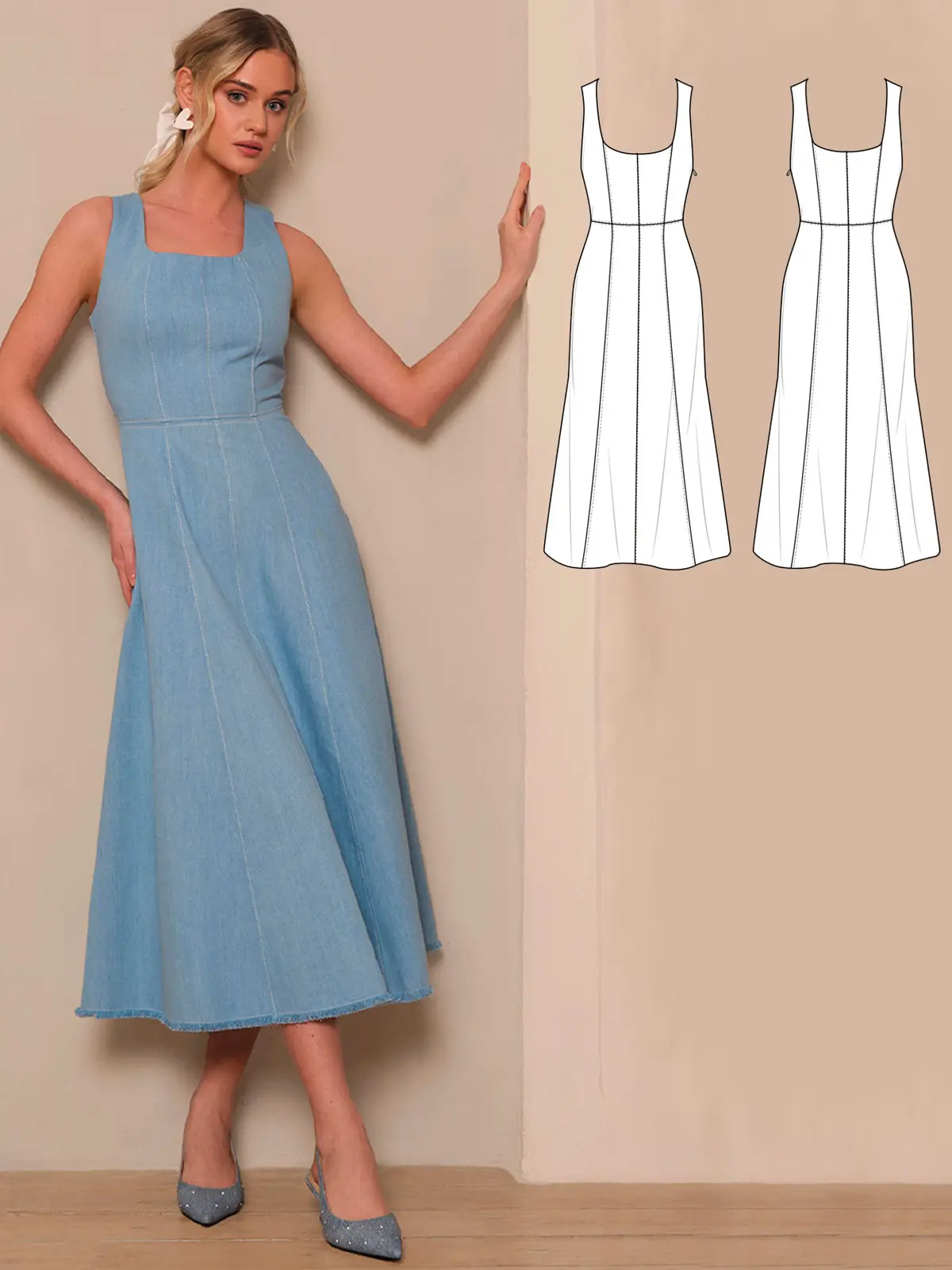 Relaxed
 Margaret dress
PDF pattern · Video tutorial
from 3,99 €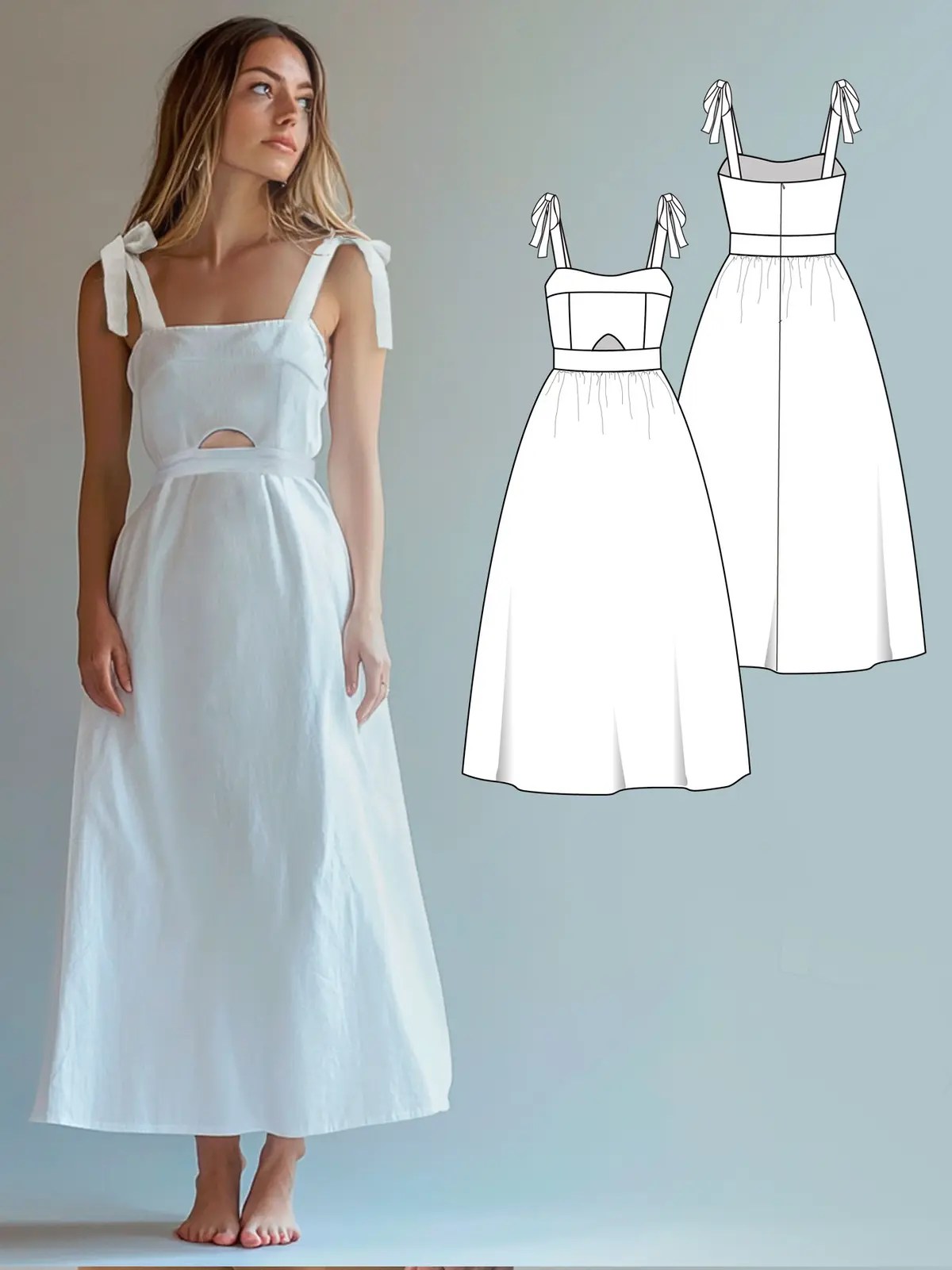 Day-to-night
 Vanilla sundress
PDF pattern · Video tutorial
from 4,50 €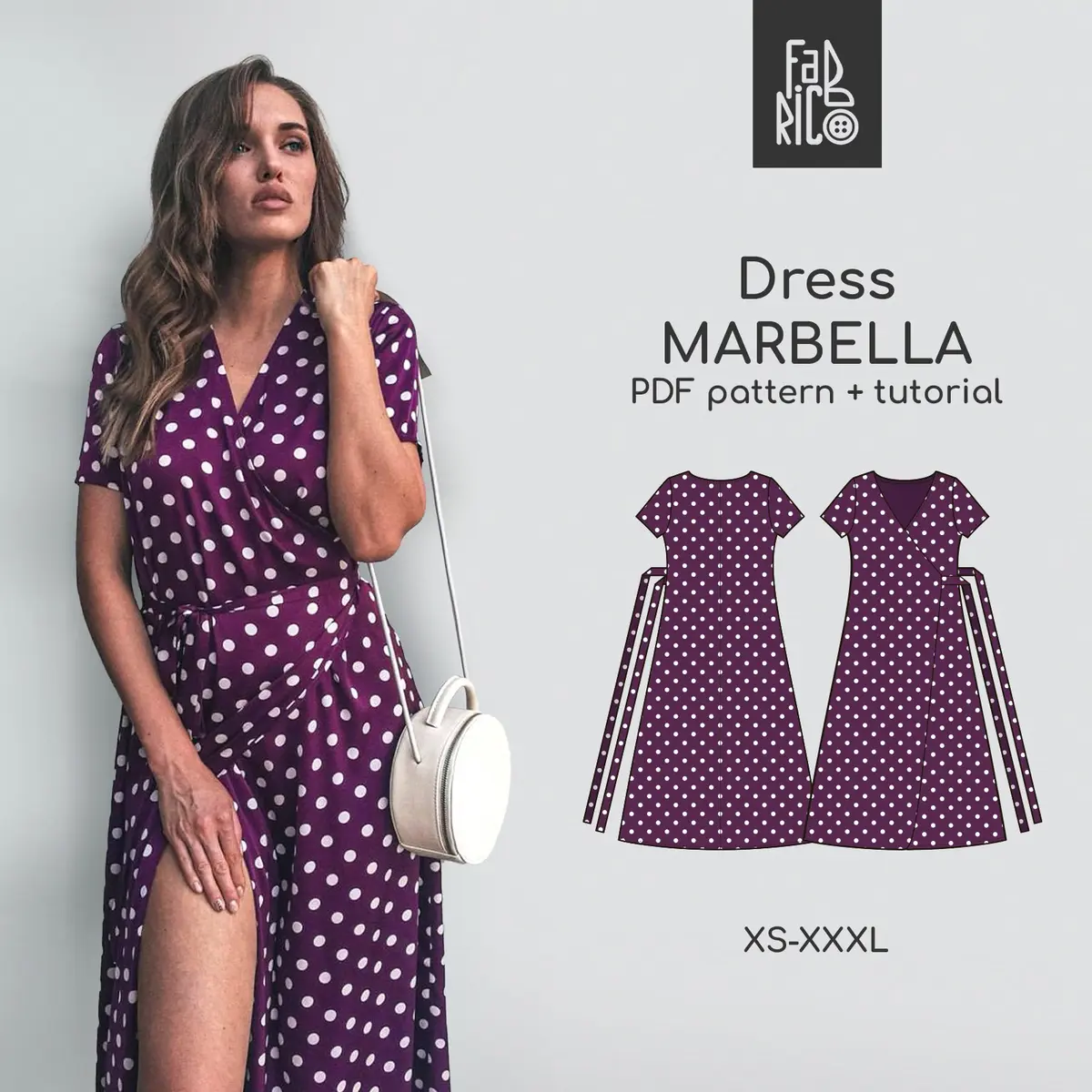 Wrap
Wrap Marbella wrap dress
PDF pattern · Video tutorial
from 4,50 €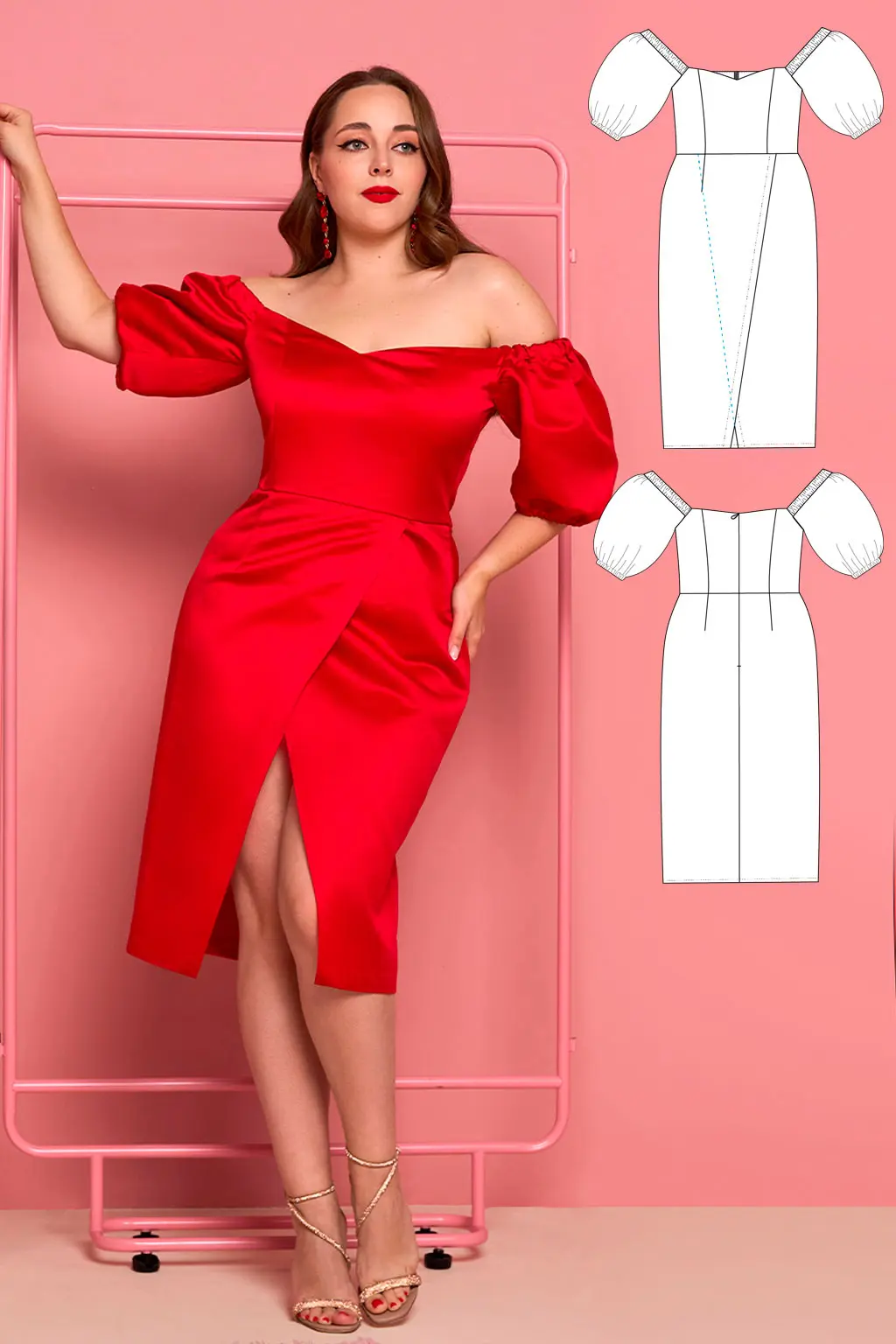 Party
Party Vivien party dress
PDF pattern · Video tutorial
from 4,50 €→ Browse all dress patterns
Keep reading
 Fabric guide
 Why Choosing the Right Fabric Matters
Colour matters; fabric matters more. Here's how to choose the right fabric for the colour you've already fallen for.
Read more Sewing essentials
 Press to Impress
A crisply pressed seam is what makes a summer dress look professional — colour or no colour.
Read more How it works
 Behind the Pattern
What actually goes into the PDF that lands in your inbox — and why a well-graded pattern is worth more than its price tag.
Read more For beginners
 Thread, Click, Sew.
Free online sewing resources every beginner should know — courses, channels, and communities worth bookmarking.
Read more Community
 Beyond the Seam
From sewing alone to finding your creative community — where to look and what changes when you do.
Read more Sustainability
 From Tossed to Treasured
A quiet revolution in sewing rooms — turning fast-fashion castoffs into the wardrobe you actually want.
Read more