10 min read Fabric guide What not to wear
Most fabric guidance for summer focuses on what to wear — cotton, linen, viscose, the reliable natural fibres that have kept people comfortable in warm weather for centuries. What gets less attention is what not to wear, and why the wrong fabric can turn a beautiful dress into a source of genuine discomfort on a hot day.
This article is the other side of the summer fabric conversation. Here is what to avoid, explained clearly so you understand the mechanism behind the discomfort rather than just following a rule — followed by the specific alternatives that will serve you better.
The Quick TakeThe fabrics to avoid for summer dresses: polyester, acrylic, nylon, heavy denim, polyester satin, standard wool, velvet, and brocade. The reason is consistent across all of them — synthetic fibres don't manage moisture, and dense/heavy weaves block the airflow your body needs to cool itself. The reliable alternatives: cotton, linen, viscose in lightweight (100–150 gsm) summer forms, plus silk for occasion wear. Read the fibre content label before you buy.
Why Some Fabrics Are Uncomfortable in Heat
Before the list, a brief explanation of why fabric choice matters so much in warm weather — because understanding the mechanism makes the advice considerably easier to apply.
Your body cools itself primarily through perspiration. For this to work effectively, the sweat needs to evaporate from the skin's surface, which carries heat away from the body. If the fabric prevents that evaporation — by trapping moisture against the skin, or by blocking the airflow that facilitates evaporation — the cooling mechanism fails. You feel hot, sticky, and uncomfortable.
Four characteristics of problematic summer fabrics 1Dense fibre structure
Tightly woven fibres trap air — and therefore heat — close to the body. Airflow stops at the fabric surface.
2Low moisture absorption
The fabric cannot draw sweat away from the skin. Moisture stays at the body surface where it re-warms.
3Low moisture release
Even when the fabric absorbs sweat, it holds it rather than letting it evaporate. The garment stays damp.
4Hydrophobic synthetic fibre
The fibres themselves repel water and cannot participate in any meaningful moisture management.
With this framework, the problems with specific fabrics become immediately logical.

Polyester
The Most Common Problem Fabric
Polyester is the most widely used synthetic fabric in fashion — it is cheap to produce, holds dye vividly, resists wrinkling, is durable, and machine-washes easily. For a manufacturer, it is almost ideal. For a wearer on a hot summer day, it is frequently miserable.
Polyester is made from petroleum-based synthetic fibres that are hydrophobic — they repel water rather than absorbing it. This means polyester does not draw sweat away from the skin effectively. It does not breathe in the sense that cotton or linen breathe, because the fibres themselves do not participate in moisture exchange. The tight weave structure of most woven polyester blocks airflow.
The specific experience of wearing polyester in heat is the sticky, clammy feeling of sweat trapped between your skin and the fabric. Unlike cotton or linen, which absorb sweat and allow it to evaporate, polyester keeps sweat at the skin's surface, where it re-warms and accumulates rather than evaporating.
Polyester also retains odours more aggressively than natural fibres. The bacteria that cause the characteristic smell of worn clothing thrive in the warm, moisture-rich environment that polyester creates, and those odours can be difficult to remove even with washing.
Performance polyester engineered for activewear is a different material from standard fashion polyester — chemically modified to wick moisture. The activewear logic does not transfer to standard woven polyester dress fabric.
Use instead Cotton, linen, or viscose in any of their summer-weight forms. All three manage moisture effectively and allow airflow in ways that polyester does not. For home sewists: check the fibre content label before buying. 100% cotton, linen, or viscose performs well in summer heat. 100% polyester (or any blend where polyester dominates) does not.
Acrylic
The Synthetic Wool Lookalike
Acrylic is a synthetic fibre designed to mimic the appearance and feel of wool — soft, warm, and commonly used in knitwear. In cool weather, these are genuine virtues. In summer heat, acrylic is one of the worst fabric choices available.
Acrylic has essentially no breathability. Its fibres are dense and tightly structured, trapping heat close to the body. It does not absorb moisture meaningfully and does not release what moisture it does take in. The experience of wearing acrylic in heat is similar to polyester — warmth accumulation, moisture retention, discomfort — but often worse because acrylic knitwear tends to be thicker and heavier than standard woven polyester.
Acrylic also retains odours and can cause skin irritation in some people, particularly in heat where the skin is more reactive.
Use instead If you want a knit fabric for summer, a cotton jersey, viscose jersey, or lightweight bamboo jersey will give you the comfort and stretch of knitwear without the thermal problems of acrylic.
Nylon
Useful in the Right Context, Wrong for Summer Dresses
Nylon is another synthetic fibre that has legitimate uses — in bags, swimwear, and some types of activewear — but performs poorly as a summer dress fabric. Like polyester, nylon does not breathe well. It traps heat and moisture, and unlike cotton or linen, it does not participate in the evaporative cooling process that makes those fabrics comfortable in heat.
Nylon can feel slightly tacky against damp skin, and it generates static electricity more readily than natural fibres — producing the uncomfortable clinging that makes a garment feel like it is wearing you rather than vice versa.
Use instead For a summer dress, there is no meaningful advantage to nylon that natural fibres do not provide more comfortably. Cotton, linen, and viscose in lightweight summer weights all outperform nylon in every relevant quality except possibly durability — and durability is not a primary concern for a summer dress.
Heavy denim
The Wrong Weight for the Season
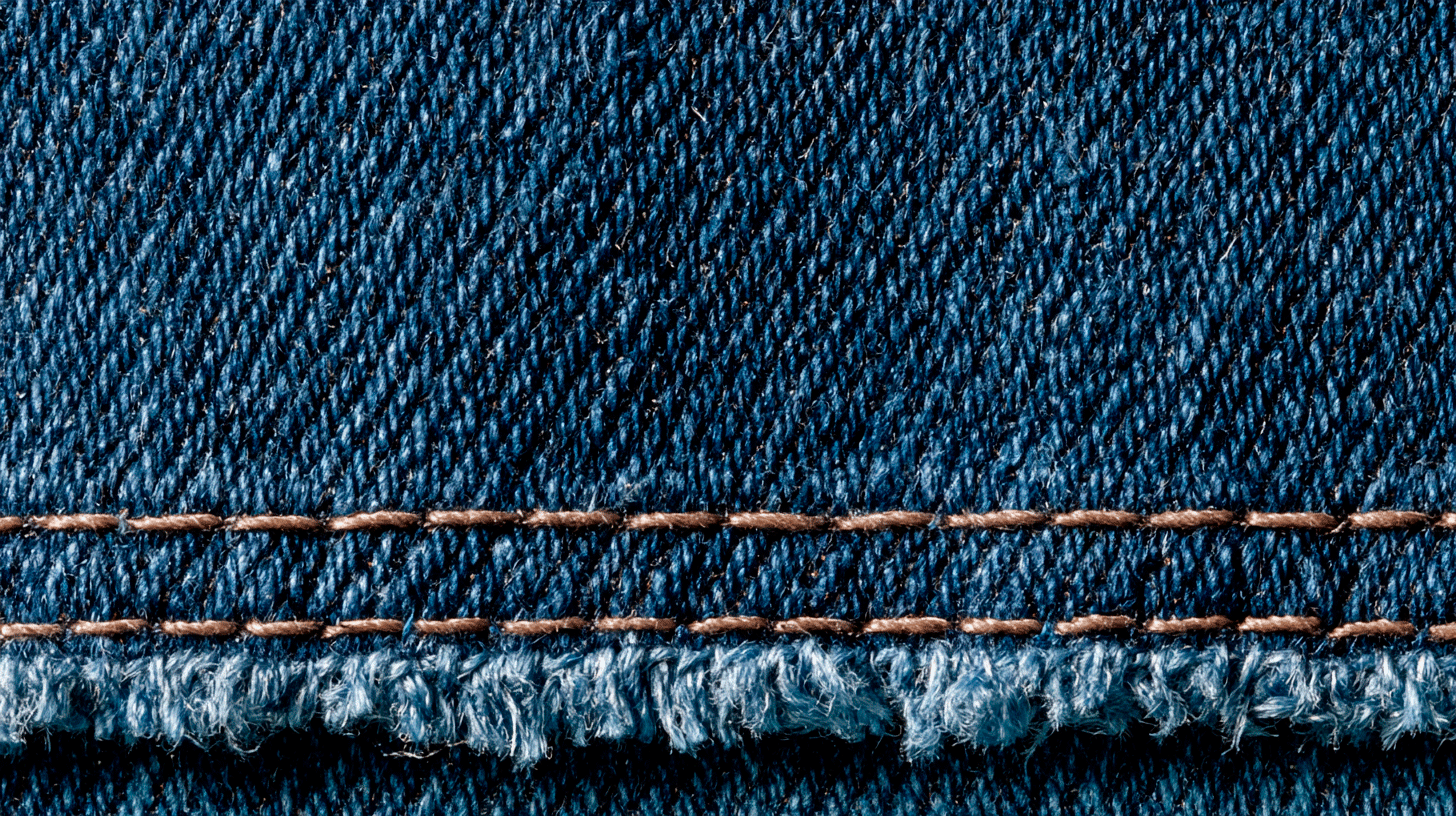
Denim is cotton — and therefore technically breathable — but the characteristic tightly woven, heavy structure makes it thermally impractical for summer dresses in the warmest weather. Standard denim is woven in weights that range from around 200 to 400 gsm, and at the heavier end, the fabric traps heat through sheer density.
The qualifier here is significant: not all denim is equally heavy. Lightweight denim (under 150 gsm) and chambray — the lightweight denim lookalike — are genuinely practical summer fabrics and are comfortable in warm weather. The fabric to avoid is heavy, dark, stiff denim: the kind that takes an hour to dry and weighs noticeably in your hand.
Use instead For dressmaking, chambray (a lightweight cotton woven with coloured warp and white weft, producing the visual appearance of denim at a fraction of the weight) is an excellent summer fabric. It gives you the aesthetic of denim without the thermal problems.
 Polyester satin
 Beautiful but Uncomfortable
Satin weave fabrics in polyester or acetate are among the most visually appealing fabrics available — lustrous, smooth, and elegant in appearance. They are also among the most uncomfortable fabrics to wear in sustained heat.
The reason is a combination of the synthetic fibre's poor moisture management and the smooth, dense surface that a satin weave creates. Polyester satin does not breathe, does not absorb moisture, and its smooth surface means it tends to cling to damp skin rather than allowing the small layer of air between skin and fabric that keeps you comfortable.
For occasion dresses in summer — the kind of garment that needs to look beautiful — this creates a genuine dilemma.
Use instead Look for silk satin or silk-blend satin. These have many of the same visual properties (the smooth surface, the subtle lustre) with dramatically better thermal performance. Silk naturally regulates temperature, absorbs moisture efficiently, and releases it through evaporation. A silk or silk-blend satin is a genuinely appropriate summer occasion fabric; polyester satin in sustained heat is not.
Standard wool
Keep It for Autumn
Wool's extraordinary thermal properties — its ability to regulate body temperature across a wide range of conditions — make it an excellent fabric for most of the year. In genuine summer heat, those same properties become a disadvantage. Wool's insulating structure traps warm air close to the body to regulate temperature in cold conditions — which means it continues to retain heat when you do not want it to.
The exception, worth noting, is lightweight Merino wool — a specific type of wool with very fine fibres that manages moisture exceptionally well and can be surprisingly comfortable in warm conditions. But for summer dresses in hot weather, standard wool of any weight is better reserved for autumn.
Use instead Linen, which has excellent thermal regulation in warm conditions and allows air movement through its open fibre structure.
Velvet & brocade
Not for Summer at All
These belong in a category of their own — fabrics that are simply too heavy and structurally too dense for any summer wear in warm conditions.
Velvet is a pile fabric with a deep, soft surface that is beautifully insulating in cold weather and genuinely uncomfortable in heat. Heavy brocade is a thick, structured woven fabric with a complex raised pattern — beautiful, formal, and entirely wrong for summer temperatures.
Both fabrics trap heat aggressively and do not allow meaningful airflow. The occasions for which they are most appropriate — formal winter events — are precisely the conditions in which their thermal properties are an advantage.
The Short Guide: What to Avoid and What to Use Instead
The complete reference at a glance:
| Avoid | Because | Use instead |
|---|---|---|
| Polyester | Traps heat, no moisture management | Cotton, linen, viscose |
| Acrylic | No breathability, retains heat | Cotton jersey, viscose jersey |
| Nylon | Non-breathable, clings when damp | Lightweight cotton, viscose |
| Heavy denim (200+ gsm) | Too dense for airflow | Chambray, lightweight cotton |
| Polyester satin | No breathability, clings to skin | Silk or silk-blend satin |
| Standard wool | Too insulating | Linen, lightweight cotton |
| Velvet, heavy brocade | Far too heavy and insulating | Not summer fabrics |
The Practical Fabric Check for Sewists
When you are standing in a fabric shop or browsing online and want to quickly assess whether a fabric is appropriate for a summer dress, three checks will identify the problematic fabrics:
Three checks before you buy 1The fibre content label
Look for 100% cotton, linen, or viscose/rayon — or blends dominated by these. Be cautious where polyester, acrylic, or nylon is the primary fibre content. 90% cotton + 10% elastane is fine; 60% polyester + 40% cotton is not the summer choice.
2The weight
Even good fibres become uncomfortable at high weights. A 350 gsm cotton twill is too heavy for a summer dress regardless of fibre content. For most summer dress patterns: 100–150 gsm in a natural or semi-natural fibre.
3The feel against skin
Hold the fabric against the inside of your wrist for 10 seconds. Does it feel neutral or cool? Good. Does it feel slightly warm or create a sense of static? Problematic. The hand test is not infallible, but it is the most direct way to assess thermal behaviour before you commit.
A Note on Blends
Not all blended fabrics are problematic. A small percentage of synthetic fibre in a primarily natural fabric can be useful: a 95% linen, 5% elastane blend may have slightly less wrinkling tendency than pure linen; a 90% cotton, 10% polyester blend may be more wrinkle-resistant and easier to iron than pure cotton.
The issue arises when the synthetic component dominates — when polyester or acrylic is the primary fibre rather than a minor addition. A quick look at the fibre content percentage on the bolt label, when available, will tell you which situation you are in.
The rule of thumb If natural fibre (cotton, linen, viscose, silk, wool) is more than 70% of the blend, the fabric will generally behave like that natural fibre and be comfortable accordingly. If natural fibre is less than 70%, expect summer-comfort properties to decline noticeably.

Sew Something You Will Actually Want to Wear
Every Fabrico dress pattern is designed for lightweight natural and semi-natural fabrics — the ones that will be genuinely comfortable in summer heat. Cotton, linen, and viscose in their summer weights all work beautifully in our dress silhouettes.
At Fabrico Every Fabrico pattern includes specific fabric recommendations in the pattern instructions and video tutorial — natural fibres, lightweight weaves, the fabrics that turn a beautiful design into a dress you'll reach for repeatedly. No guessing required.
Frequently Asked Questions
Is polyester hot in summer?
Yes — standard fashion polyester is genuinely uncomfortable in sustained heat. Made from petroleum-based synthetic fibres that are hydrophobic (water-repelling), polyester does not draw sweat away from the skin and does not breathe in the sense that cotton or linen breathe. The tight weave structure blocks airflow, and the result is the characteristic sticky, clammy feeling of sweat trapped between skin and fabric. Performance polyester engineered for activewear is a different material — chemically modified to wick moisture and dry rapidly — but standard fashion polyester does not have these properties.
Why is acrylic bad for summer?
Acrylic is a synthetic fibre designed to mimic wool — soft and warm, ideal for cool weather and one of the worst fabric choices for summer heat. Its fibres are dense and tightly structured, trapping heat close to the body. It does not absorb moisture meaningfully and does not release what little moisture it takes in. The experience of wearing acrylic in heat is warmth accumulation, moisture retention, and discomfort — often worse than polyester because acrylic knitwear tends to be thicker and heavier than woven polyester.
Is denim too hot for summer?
Heavy denim (200-400 gsm) is impractical for summer dresses — the dense weave blocks airflow despite the fact that denim is technically cotton. However, lightweight denim (under 150 gsm) and chambray (a lightweight denim lookalike with coloured warp and white weft) are genuinely comfortable summer fabrics. For dressmaking specifically, chambray gives you the visual aesthetic of denim at a fraction of the weight and is an excellent summer choice.
Is wool too hot to wear in summer?
Yes — standard wool is too insulating for summer heat. Wool's thermal regulation properties trap warm air close to the body, which is excellent in cool weather and counterproductive in hot weather. The one exception is lightweight Merino wool, which has very fine fibres that manage moisture exceptionally well and can be surprisingly comfortable in warm conditions. But for summer dresses in genuine heat, standard wool is better reserved for autumn.
What can I use instead of polyester satin for a summer occasion dress?
Silk satin or silk-blend satin. These have many of the same visual properties as polyester satin — the smooth surface, the subtle lustre, the elegant drape — with dramatically better thermal performance. Silk naturally regulates temperature, absorbs moisture efficiently, and releases it through evaporation. For a summer occasion dress, silk satin is genuinely comfortable in heat in a way that polyester satin is not.
Are blended fabrics always bad for summer?
No — not all blends are problematic. A small percentage of synthetic fibre in a primarily natural fabric can be useful: a 95% linen 5% elastane blend may have less wrinkling than pure linen; a 90% cotton 10% polyester blend may be more wrinkle-resistant. The issue arises when the synthetic component dominates — when polyester or acrylic is the primary fibre rather than a minor addition. Check the fibre content percentage on the bolt label: if synthetic is over 30-40% of the blend, expect summer comfort to suffer.
How can I quickly check if a fabric is good for summer?
Three quick checks: read the fibre content label (look for 100% cotton, linen, or viscose — be cautious of polyester, acrylic, or nylon as the primary fibre), check the weight (aim for 100-150 gsm for most summer dresses, even good fibres are uncomfortable at high weights), and feel the fabric against the inside of your wrist for 10 seconds (should feel neutral or cool, not warm or static-feeling). All three together give a reliable assessment.
Patterns made for natural fabrics
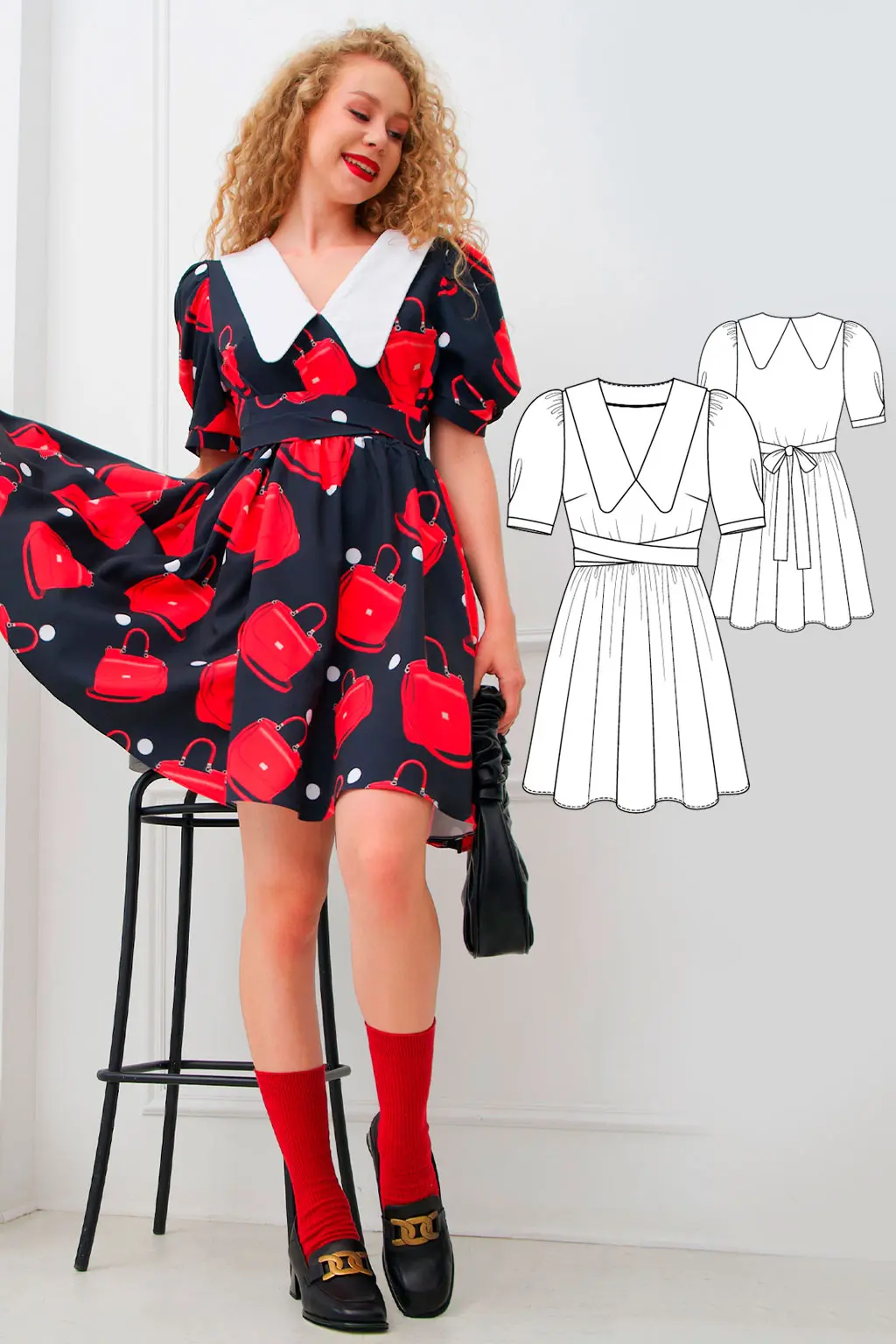 Linen · cotton · viscose
 Victoria V-neck dress
PDF pattern · Video tutorial
from 3,99 €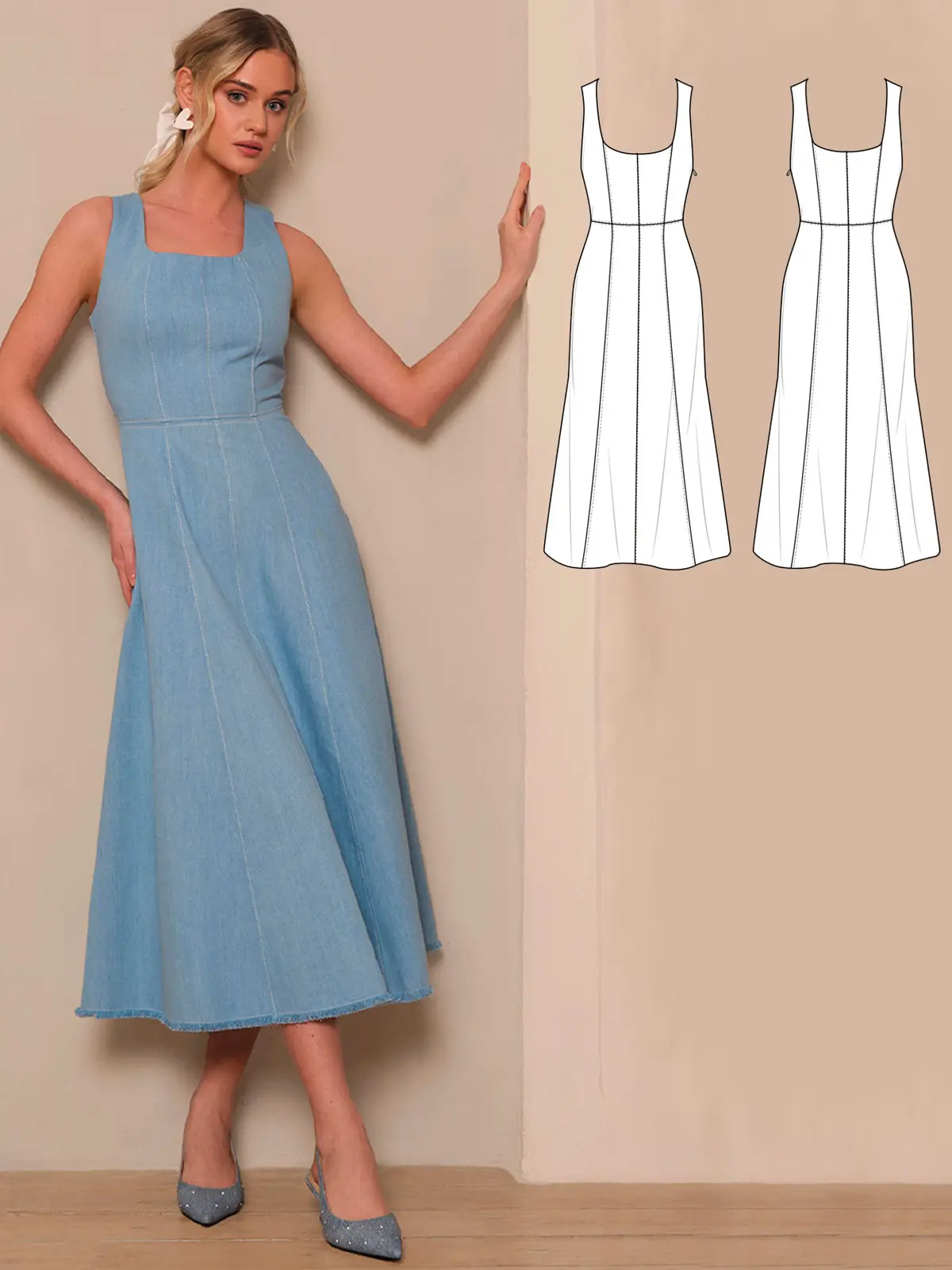 Linen · viscose
 Margaret dress
PDF pattern · Video tutorial
from 3,99 €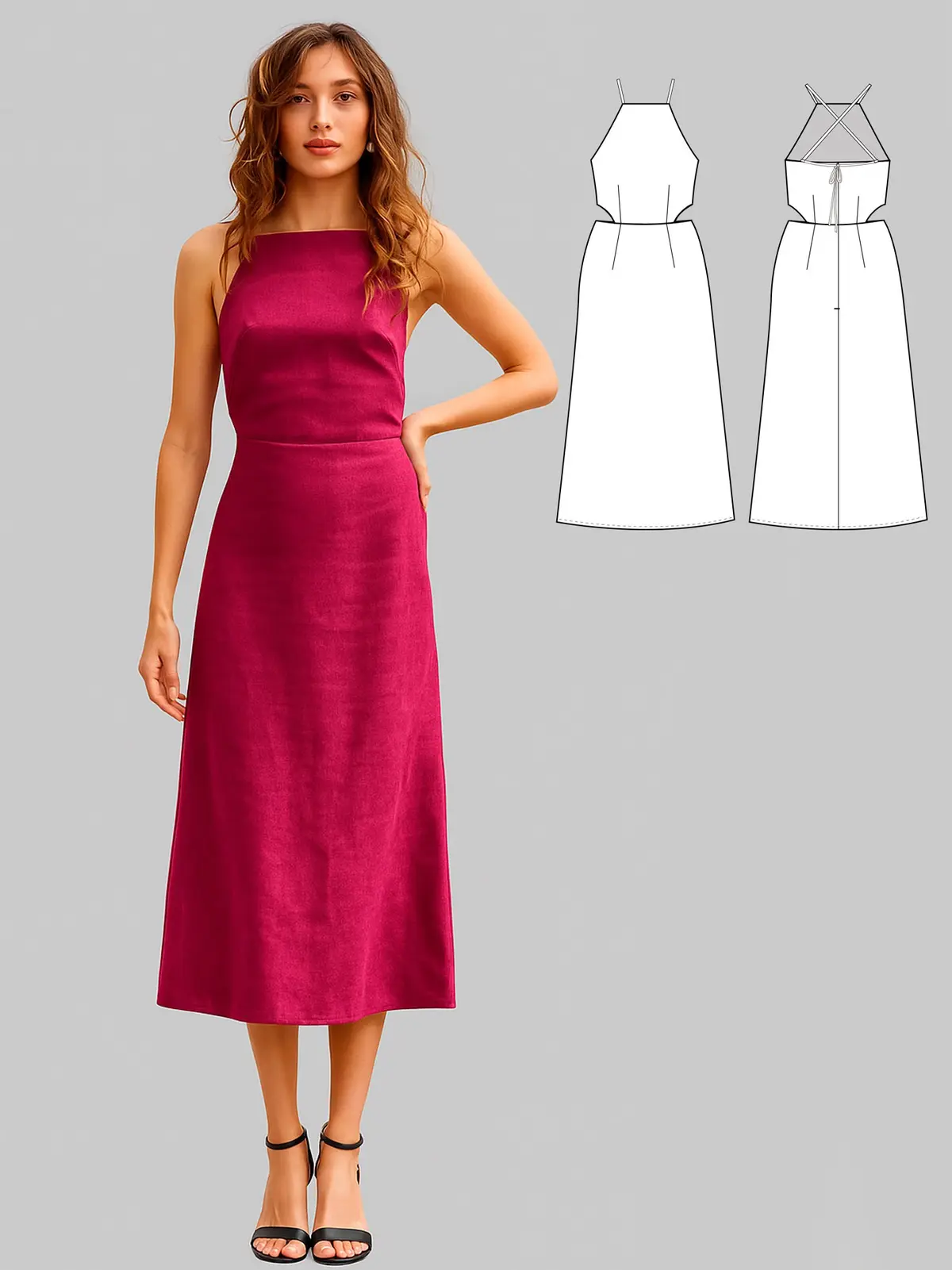 Cotton lawn · voile
 Muffin sundress
PDF pattern · Video tutorial
from 4,50 €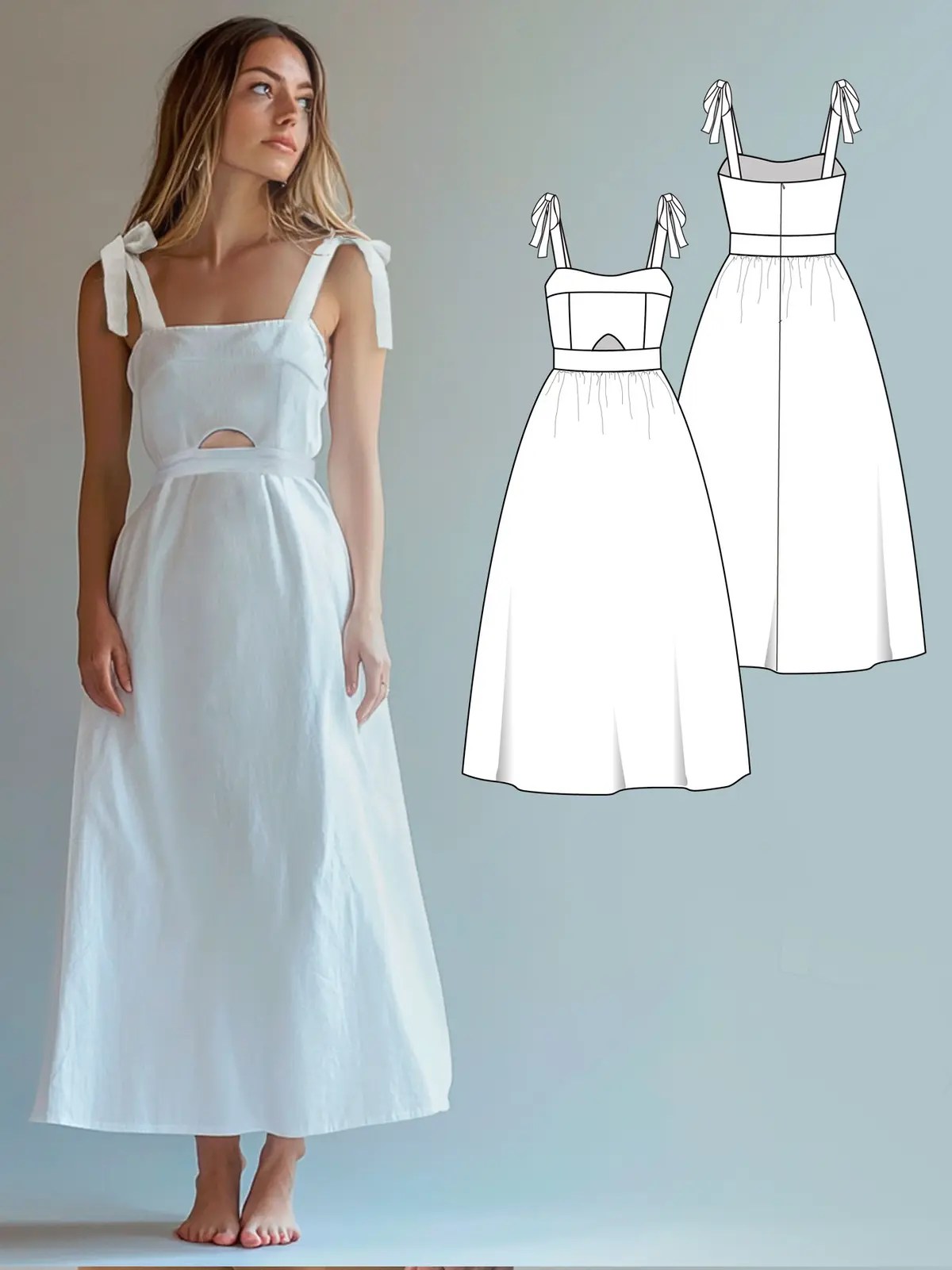 Linen · viscose
 Vanilla sundress
PDF pattern · Video tutorial
from 4,50 €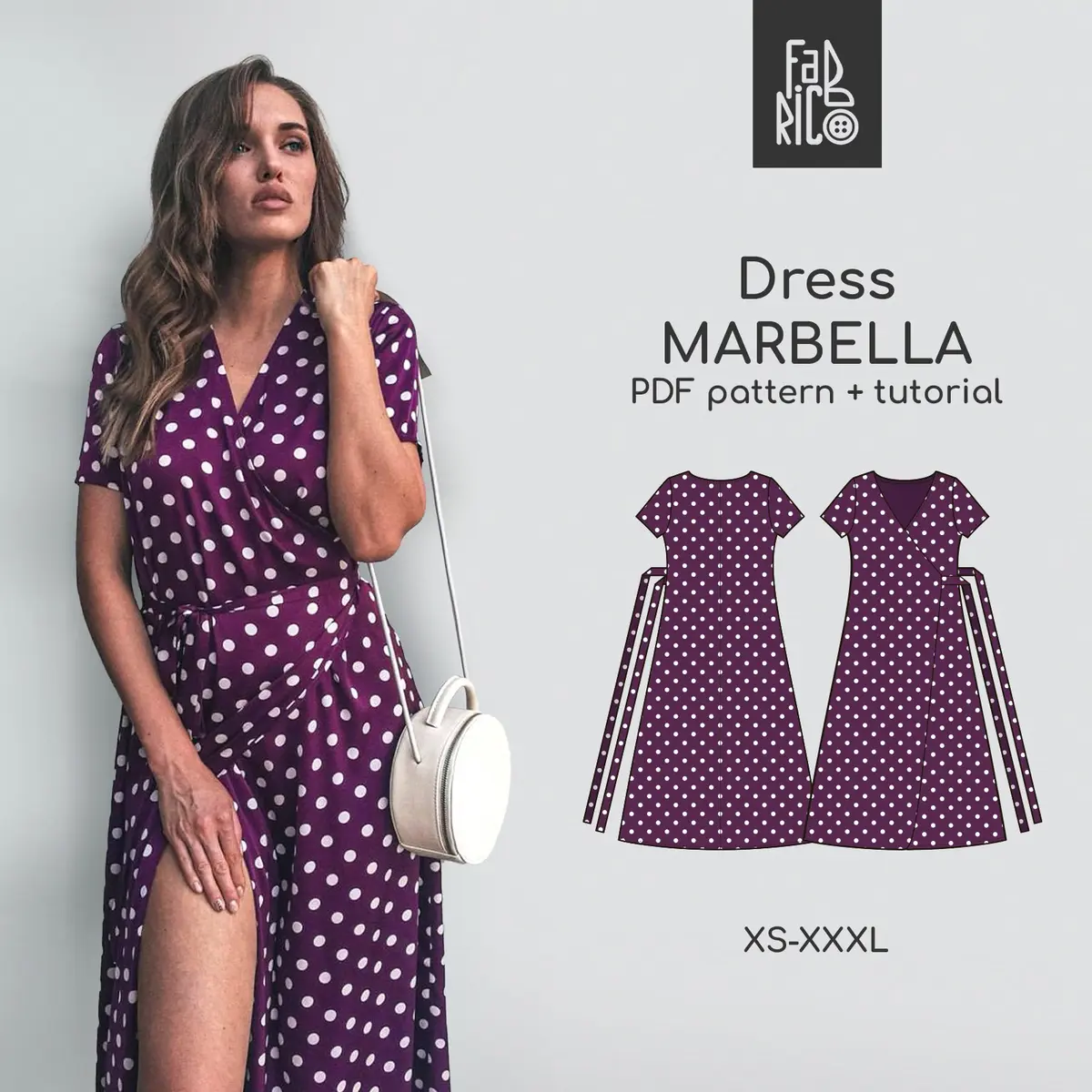 Viscose · cotton
 Marbella wrap dress
PDF pattern · Video tutorial
from 4,50 €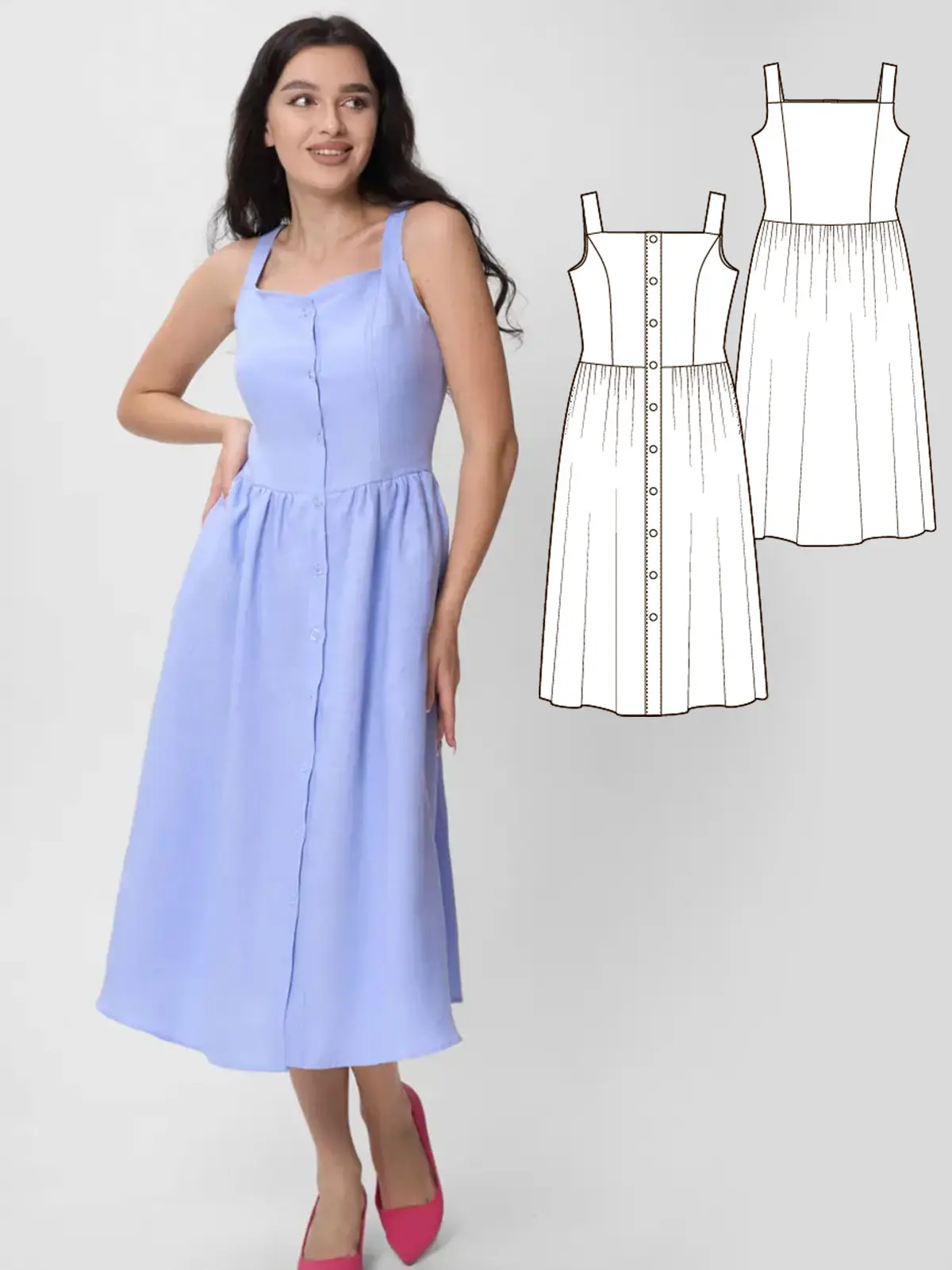 Cotton · chambray
 Florence dress
PDF pattern · Video tutorial
from 3,99 €→ Browse all women's patterns
Keep reading
Fabric guide Summer Fabrics You Should Avoid
Which fabrics should you avoid sewing for summer — and what works well in their place.
Read more Fabric guide
 Linen vs Cotton: Which Fabric Should You Choose
A head-to-head comparison of the two best natural summer fabrics.
Read more Fabric guide
 What Is Viscose and Why Do So Many Patterns Call for It
The semi-synthetic fabric that drapes like silk and breathes like cotton.
Read more Fabric guide
 How to Choose the Right Fabric Weight for Your Pattern
What GSM means, why it matters, and how to use it confidently.
Read more Colour & heat
 The Best Colours to Wear in Hot Weather
Why white reflects heat and what the research really shows about colour and heat.
Read more Fabric guide
 Why Choosing the Right Fabric Matters
Beyond hot weather — how to match fabric to project across the whole sewing year.
Read more