
Expectation vs. Reality
You chose the pattern. You picked out the fabric. You even watched three different …….
In today’s fashion world, consumers are faced with a fundamental choice: mass-produced clothing or handmade garments. While mass market fashion dominates retail stores with its affordability and accessibility, handmade clothing offers a level of quality, uniqueness, and craftsmanship that cannot be replicated by machines. As fashion trends shift towards sustainability and individuality, both mass market and handmade clothing continue to shape the way we dress.
Before the Industrial Revolution, all clothing was essentially handmade. Tailors, seamstresses, and artisans crafted garments for local markets or private clients. Each piece was carefully sewn, with unique details and a personal touch. However, with the rise of industrialization in the 19th and 20th centuries, fashion production changed dramatically. Factories began producing clothing on a large scale, using machines to cut, sew, and assemble garments much faster than traditional handcrafting methods. By the mid-20th century, mass-market fashion had taken over, offering inexpensive and trendy clothing to the growing consumer population. Despite the dominance of fast fashion, handmade clothing has not disappeared. In fact, it has seen a resurgence in recent years as people seek out sustainable and unique alternatives to mass production. Today, independent designers, small workshops, and luxury fashion houses continue to produce handmade garments, emphasizing quality and individuality.
Mass market fashion—often referred to as “fast fashion”—is defined by its ability to quickly produce trendy, affordable clothing in large quantities. Brands such as Zara, H&M, and Shein dominate this space, offering new collections almost every week to keep up with changing fashion trends.
✔ Affordability – Mass market fashion is accessible to a wide range of consumers, providing stylish options at low prices.
✔ Trendy and Fast-Paced – Fast fashion brands quickly replicate runway trends and celebrity styles, making fashion more democratic.
✔ Convenience – With global retail stores and online shopping, mass-market clothing is available to consumers anytime, anywhere.
✔ Standardized Sizing – Mass-produced clothing follows consistent sizing charts, making it easier for consumers to find what they need.
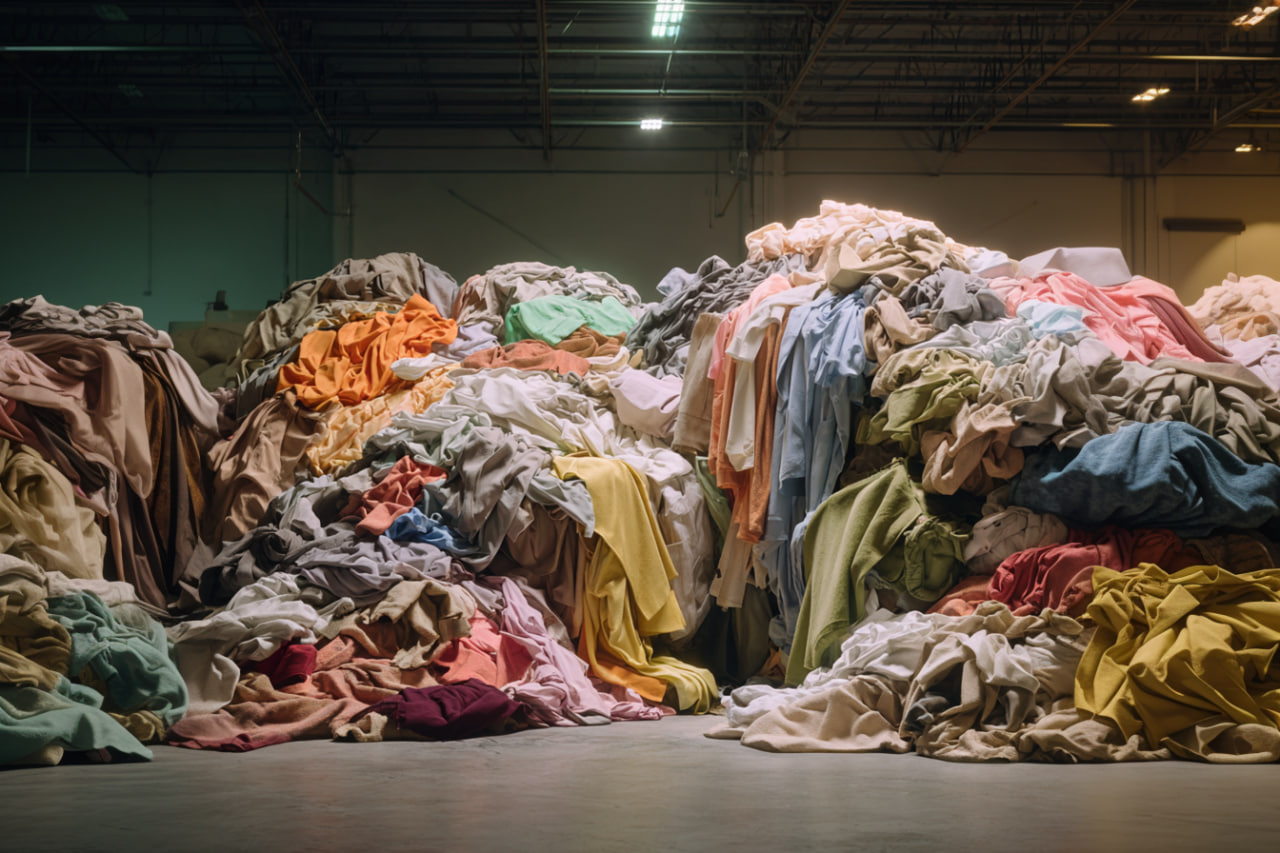
While mass market fashion is popular, it also faces criticism for contributing to waste, unethical labor practices, and lower garment quality. Many consumers are now reconsidering their shopping habits and turning to handmade or sustainable alternatives.
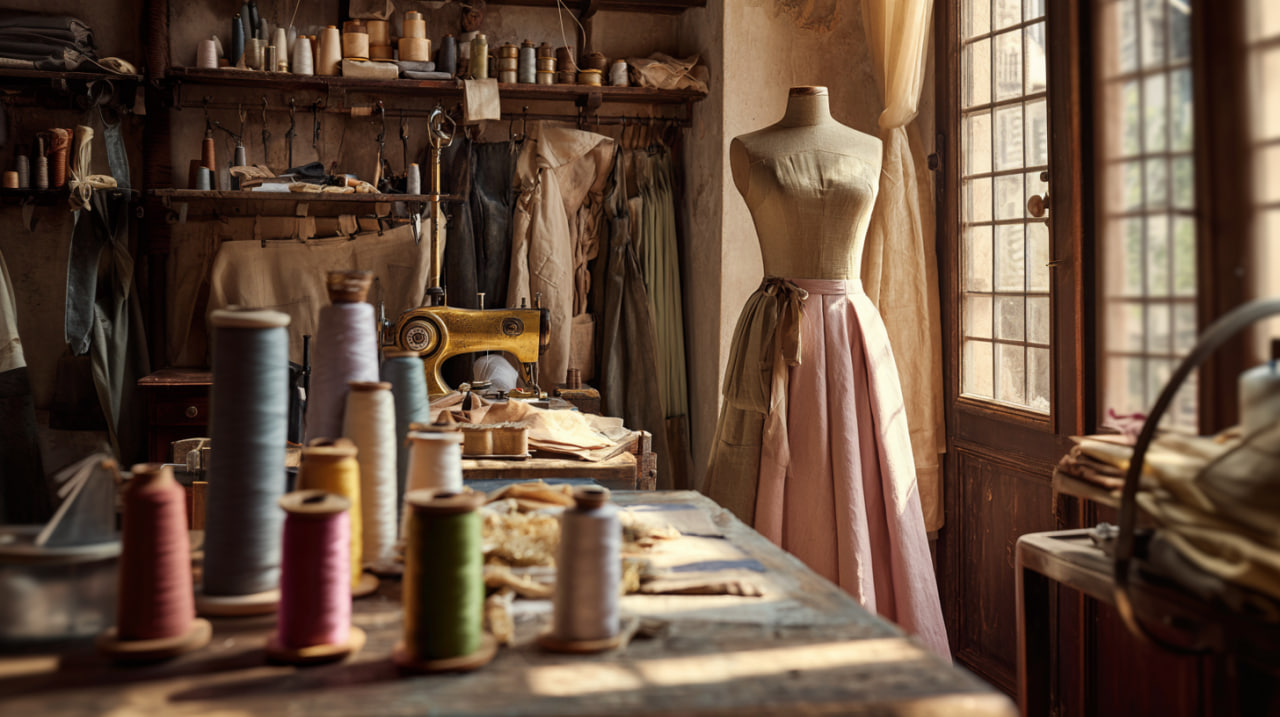
Handmade clothing represents the artistry and tradition of garment-making. Unlike mass-produced clothing, handmade garments are crafted by skilled artisans who focus on precision, durability, and individuality.
✔ Quality and Longevity – Handmade clothing often uses premium materials and meticulous construction techniques, resulting in garments that last longer than mass-produced alternatives.
✔ Unique Designs – Handmade garments are often produced in limited quantities or customized for the wearer, making each piece special.
✔ Sustainability – Many handmade clothing brands prioritize ethical sourcing, organic fabrics, and waste reduction, appealing to environmentally conscious consumers.
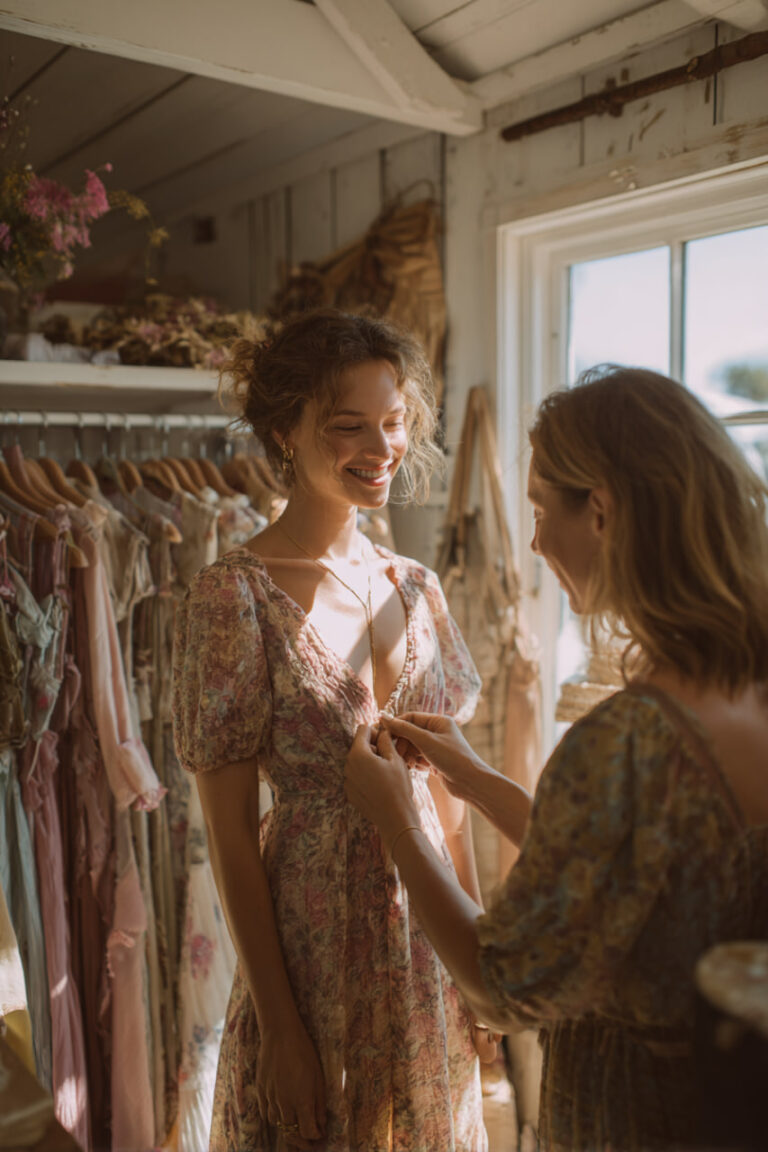
✔ Perfect Fit – Unlike standard sizing in mass-market fashion, handmade clothing can be tailored to fit an individual’s body shape perfectly.
While handmade clothing is more expensive than mass-produced garments, many consumers view it as a long-term investment in both style and sustainability.
Comfort is a major factor when choosing between mass-market and handmade clothing. While both options have their advantages, handmade garments often prioritize natural materials and superior tailoring.
✔ Fabric Choices – Handmade clothing often uses higher-quality, breathable fabrics like organic cotton, wool, silk, and linen, while mass-market fashion may rely on synthetic blends for cost efficiency.
✔ Seam Quality – Mass-market garments are assembled quickly, sometimes leading to rough seams or uneven stitching. Handmade clothing features carefully finished seams, ensuring comfort and longevity.
✔ Personalized Fit – Custom-made clothing allows for precise tailoring, making garments more comfortable and flattering compared to generic mass-market sizing.
✔ Durability – Handmade clothing is designed to last, whereas many fast fashion items are made for short-term wear and may deteriorate after a few washes.
Design philosophies differ significantly between mass-market and handmade clothing.
✔ Fast Fashion – Driven by ever-changing trends, mass market brands produce trendy styles that may go out of fashion within months.
✔ Handmade Fashion – Often inspired by timeless designs, handmade clothing focuses on classic cuts, intricate embroidery, and artisanal details that stand the test of time.
✔ Customization – Handmade clothing allows for customization, enabling customers to choose fabrics, colors, and cuts that suit their personal style.
✔ Limited Editions – Unlike mass-market items, handmade pieces are often produced in limited quantities, giving wearers a sense of exclusivity.
Design philosophies differ significantly between mass-market and handmade clothing.
✔ Fast Fashion – Driven by ever-changing trends, mass market brands produce trendy styles that may go out of fashion within months.
✔ Handmade Fashion – Often inspired by timeless designs, handmade clothing focuses on classic cuts, intricate embroidery, and artisanal details that stand the test of time.
✔ Customization – Handmade clothing allows for customization, enabling customers to choose fabrics, colors, and cuts that suit their personal style.
✔ Limited Editions – Unlike mass-market items, handmade pieces are often produced in limited quantities, giving wearers a sense of exclusivity.
As the fashion industry becomes more aware of its environmental impact, many brands are finding ways to bridge the gap between mass-market efficiency and handmade craftsmanship.
✔ Sustainable Fast Fashion – Some mass-market brands are incorporating sustainable materials and ethical labor practices into their production models.
✔ Slow Fashion Movement – Consumers are shifting towards “slow fashion,” a movement that emphasizes quality over quantity, promoting handmade and sustainable clothing.
✔ Hybrid Models – Many designers are blending mass-market production with handmade details, creating unique pieces at more affordable price points.
The choice between mass market and handmade clothing depends on personal preferences, lifestyle, and values. As fashion designer Vivienne Westwood famously said, “Buy less, choose well, make it last.” Whether opting for the affordability and convenience of fast fashion or the craftsmanship and sustainability of handmade clothing, consumers hold the power to shape the future of the fashion industry. With an increasing awareness of environmental impact and ethical production, handmade clothing is gaining renewed appreciation. Meanwhile, mass market fashion continues to evolve, finding ways to be more sustainable and consumer-conscious. No matter the choice, both forms of fashion will continue to define how we dress and express ourselves in the modern world.

You chose the pattern. You picked out the fabric. You even watched three different …….

Every seasoned sewist started somewhere — often hunched over a clunky old machine, fabric pinned with more hope than precision, and a pattern that made no sense until the third reread……..