From Sewing Alone to Finding Your Creative Community
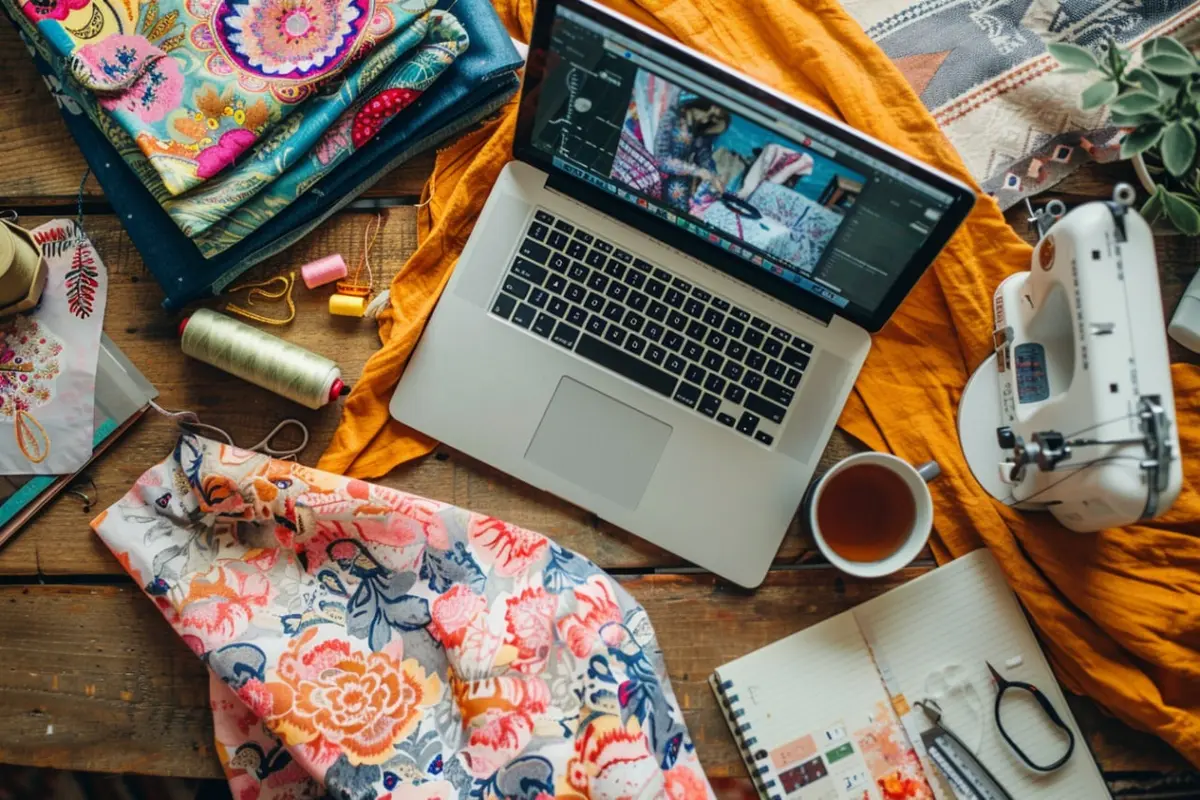
It often starts in a quiet room. A table pushed up against a wall. A machine humming beneath the weight of silence. There’s satisfaction in the stitches, sure. But there’s also something missing. When you sew alone — truly alone — without feedback, without encouragement, without anyone to swap stories or celebrate a finished make, the craft can start to feel like a solitary road. Beautiful, but lonely. And while solitude can be part of sewing’s charm, too much of it can chip away at your motivation. Questions pile up without answers. Mistakes get repeated. Progress slows. Worst of all, you begin to doubt yourself: Is this even good? Am I getting better? Does anyone else struggle like this? The truth is, sewing may be done with one set of hands, but it flourishes in community. And finding your people — whether around the corner or across the world — can breathe new life into your craft.The Hidden Cost of Sewing in Isolation
For many hobbyist sewists, isolation isn’t a choice — it’s circumstance. Maybe you’re self-taught, living in a rural area, or simply don’t know anyone else who sews. Maybe you tried a class once, but felt out of place. Maybe you’re shy about sharing your work, especially when social media makes everything look effortless and perfect.
But sewing without feedback or support can stunt your growth and dampen your joy. There’s no one to ask, “Does this sleeve look right?” No one to say, “That hem looksamazing — don’t rip it out!” No one to swap fabric scraps with or laugh about a pattern gone wrong.
Over time, this silence can lead to creative burnout, imposter syndrome, or projects that stall indefinitely.
Why Sewing Communities Matter
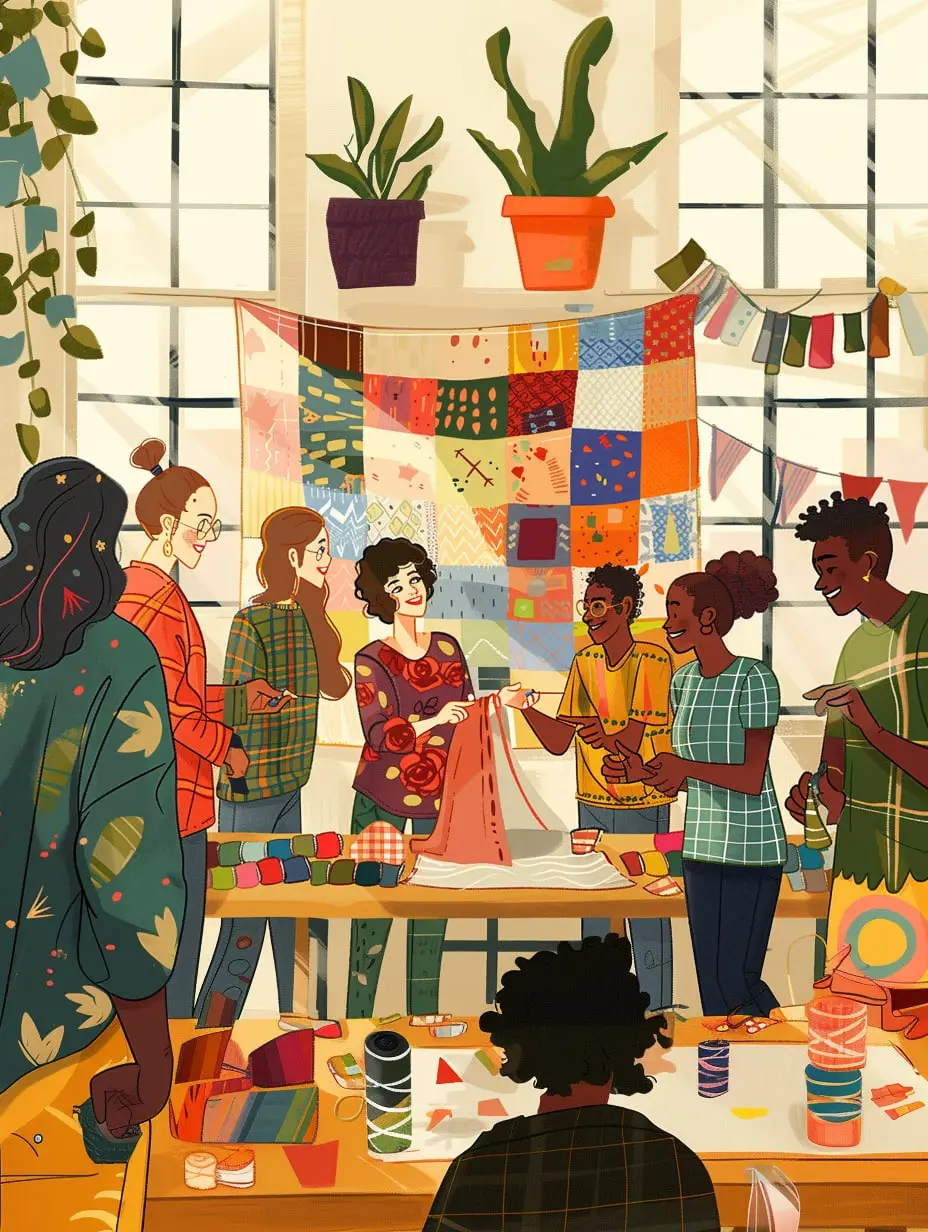
Sewing with others doesn’t mean sewing in the same room. It means being connected to a network of encouragement, knowledge, and shared passion. A sewing community can:
✔ Offer advice when you’re stuck on a tricky step
✔ Share resources, techniques, and inspiration
✔ Celebrate your wins — even the small ones
✔ Normalize mistakes, messes, and muslins
✔ Help you feel seen, understood, and supported
In short, it turns sewing from a solo pursuit into a shared adventure.
Finding Your People
The good news? You don’t have to wait for a guild meeting or a local class to find your sewing tribe. The modern sewing world is vibrant, inclusive, and just a few clicks away.
1. Join Online Sewing Groups
Facebook hosts thousands of niche sewing communities — from vintage lovers to plus- size pattern sewists, slow fashion supporters to quilters. Reddit’s r/sewing is another welcoming space for questions, projects, and rants alike.
2. Follow and Engage on Instagram
Instagram has become a hub for modern sewists. Follow hashtags like #memade, #handmadewardrobe, or #sewistsofinstagram. Leave comments. Ask questions. Most sewists love to share tips and connect with others who “get it.”
3. Take a Virtual Class or Workshop
Online platforms like Skillshare, Creativebug, and independent sewing schools offer interactive classes — many with built-in community forums or Q&A sessions where you can connect with classmates and instructors.
4. Join a Pattern Challenge or Sew-Along
Sew-alongs (SALs) are community-led events where everyone sews the same pattern or theme. You’ll get real-time feedback, pattern hacks, and a big dose of accountability. Think of it as a virtual sewing circle.
5. Find Local Groups — or Start One
Check your local fabric shop, library, or community center for sewing meetups. If there aren’t any, consider starting one. Even a monthly gathering with two or three fellow makers can spark inspiration and create lasting friendships.
Opening the Door to Connection
If you’re hesitant to share your work, know this: you’re not alone. Many sewists feel vulnerable putting their makes out into the world, especially if they’re self-taught or still learning. But vulnerability is also the gateway to connection.
You don’t have to be perfect to participate. You just have to be present.
Share your wins. Share your flops. Share your learning process. In doing so, you give others permission to do the same.
Together, We Sew Stronger
Sewing will always have its quiet, solitary moments — and there’s beauty in that. But community gives those moments context, meaning, and momentum. It reminds you that your skills are growing. That your creativity matters. That someone, somewhere, is inspired by your journey.
So if you’ve been sewing in silence, consider this your invitation.
The community is out there — and it’s waiting to welcome you.