
Beach Cover-Up or Summer Dress? How to Sew One Garment That Does Both

There is a particular kind of travel packing problem that most women who swim will recognise: you need something to wear over your swimsuit (to the pool bar, along the beach, into the café at the end of the day) but you do not want to pack an entirely separate category of clothing just for that. The beach cover-up that looks like a beach cover-up is useful at the beach and slightly awkward everywhere else. The summer dress that works everywhere else is sometimes too structured to feel right poolside.
The solution is a garment designed deliberately to do both: relaxed enough to throw over a swimsuit and walk to lunch, polished enough to wear as a standalone dress for an afternoon that does not involve swimming at all. This article covers which silhouettes, fabrics, and design features make a garment genuinely dual-purpose, and how to choose and adapt a Fabrico pattern to create one.
Yes, one dress can do both jobs. Look for a relaxed, slightly oversized silhouette, a lightweight, quick-drying fabric (linen, cotton gauze, cotton voile, or viscose), easy on-and-off styling (a pullover or wrap rather than a fiddly zip), and a midi or maxi hem. The Victoria V-neck and Margaret dresses from Fabrico both adapt well: just add a little extra ease through the bodice.
What Makes a Garment Work as Both
Not every summer dress works as a beach cover-up, and not every beach cover-up works as a standalone dress. The ones that succeed at both share specific characteristics:
A relaxed, slightly oversized silhouette
A dress that fits close to the body looks and feels uncomfortable worn over a swimsuit. A dress with ease, cut to skim rather than hug, works over swimwear and looks intentional rather than merely loose when worn without. A defined waist through a belt, a drawstring, or fabric placement can add structure without tightness.
Lightweight, quick-drying fabric
At the beach or pool, fabric that absorbs water and stays damp for hours is genuinely unpleasant to wear. Linen, cotton gauze, cotton voile, and viscose all dry relatively quickly and feel comfortable when slightly damp, and they look good even slightly rumpled.
Easy entry and exit
A dress that slips on and off over a swimsuit without assistance (no zips in difficult positions, no tight armholes that catch on wet skin) is far more useful at the beach. Pullover styles, wrap closures, and front-tie designs all work well; a back-centre zip is manageable but less convenient.
A hemline that works for both contexts
Midi length (knee to mid-calf) and maxi length (floor or ankle) both work well as beach cover-ups and as standalone dresses. Mini length works poolside but can feel underdressed once you move away from the beach.
Neutral or versatile colour
A dress that works as a cover-up over any swimsuit colour is more useful than one that only works with a specific suit. White, cream, navy, and natural linen tones all work over any swimsuit colour; bold or dark prints can also work, particularly if the swimsuit underneath will not be visible.
Silhouettes
The Best Silhouettes for Dual-Purpose Summer Dressing
The kaftan or tunic
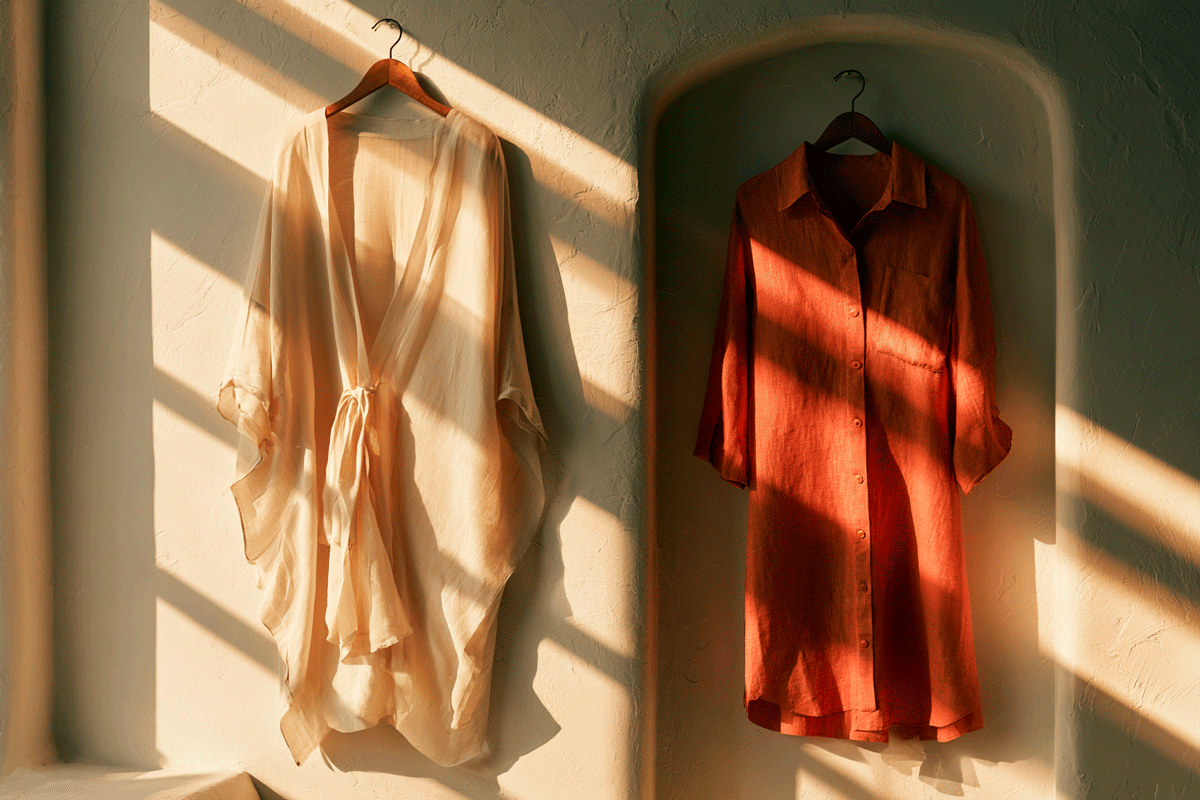
The classic beach cover-up silhouette: a wide, flowing garment with generous ease throughout, sometimes with side slits to allow movement. In a beautiful print or a quality fabric, a kaftan reads as a deliberate fashion choice rather than something simply thrown over a swimsuit. It requires no fitting, goes on and off instantly, and looks equally at home at a beach bar or an outdoor restaurant lunch.
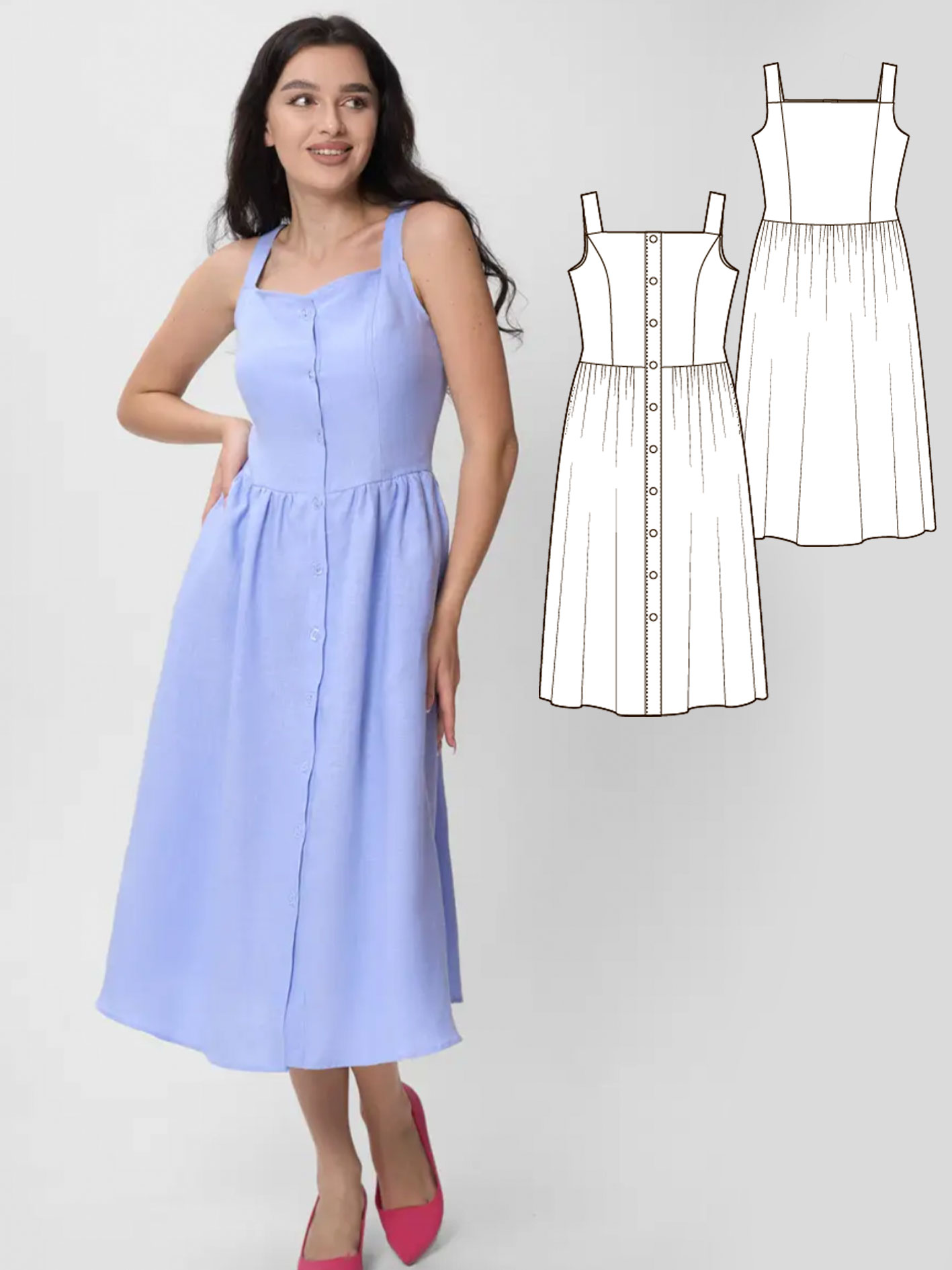
The shirt dress
An A-line or relaxed shirt dress with a button-through front is one of the most versatile beach-to-elsewhere garments available. Fully buttoned, it is a proper dress for a restaurant or bar. Partially unbuttoned and loose, it is an easy cover-up over a swimsuit. In lightweight cotton or linen, it packs flat, dries quickly, and looks good in either context.
The wrap dress
A wrap dress with a relatively full skirt and a relaxed bodice works over swimwear and functions independently as a full dress. The wrap closure means the fit adjusts to whatever is worn underneath. In a fluid viscose or a lightweight cotton, the wrap silhouette has the ease to cover a swimsuit comfortably while still looking polished as a standalone garment.
The simple A-line dress
A relaxed A-line with enough ease in the bodice to go over swimwear (cut slightly larger than a fitted dress would be) is perhaps the most understated dual-purpose option. It does not read specifically as a cover-up; it reads as a summer dress. It just happens to also function beautifully over a swimsuit.
The maxi dress
A full-length dress in a lightweight fabric creates genuine coverage and genuine elegance. At the beach, it provides shade and modesty. At a restaurant, it looks like exactly what it is: a beautiful summer dress.
What you need
Fabric Choices for the Dual-Purpose Dress
Cotton gauze and double gauze
Extremely lightweight, slightly open-weave cotton with a textured, slightly crinkled hand. It dries very quickly, allows maximum airflow, and looks appealingly relaxed without looking unkempt. Particularly well-suited to the kaftan and loose tunic silhouettes.
Cotton voile
A semi-sheer, very fine plain-weave cotton, lighter than gauze and more traditionally "dress-like" in appearance. It usually needs a lining for opacity, which adds slightly to drying time, though lining the bodice only, with an unlined skirt, is a good compromise.
Viscose challis
The most elegant option for a dual-purpose dress. It dries more slowly than cotton or linen but drapes more beautifully and takes prints with exceptional clarity. Just avoid sitting on damp surfaces in it before it has dried: viscose marks temporarily when wet but recovers fully once dry.
Lightweight linen
The most practical option for beach and outdoor use. It dries quickly, does not cling when slightly damp, and looks deliberately casual in exactly the way that works for a beach cover-up. A slightly rumpled linen dress looks right at a beach restaurant in a way a rumpled silk dress does not.
Cotton seersucker
The puckered surface texture means it does not cling to the body even when damp, making it particularly suited to beach use. It also requires no ironing, which is useful for a travel wardrobe.
Patterns
Adapting a Fabrico Pattern for Dual-Purpose Use
Several Fabrico patterns can be adapted, or simply sized up slightly, to produce a dress that functions as a beach cover-up as well as a standalone garment:
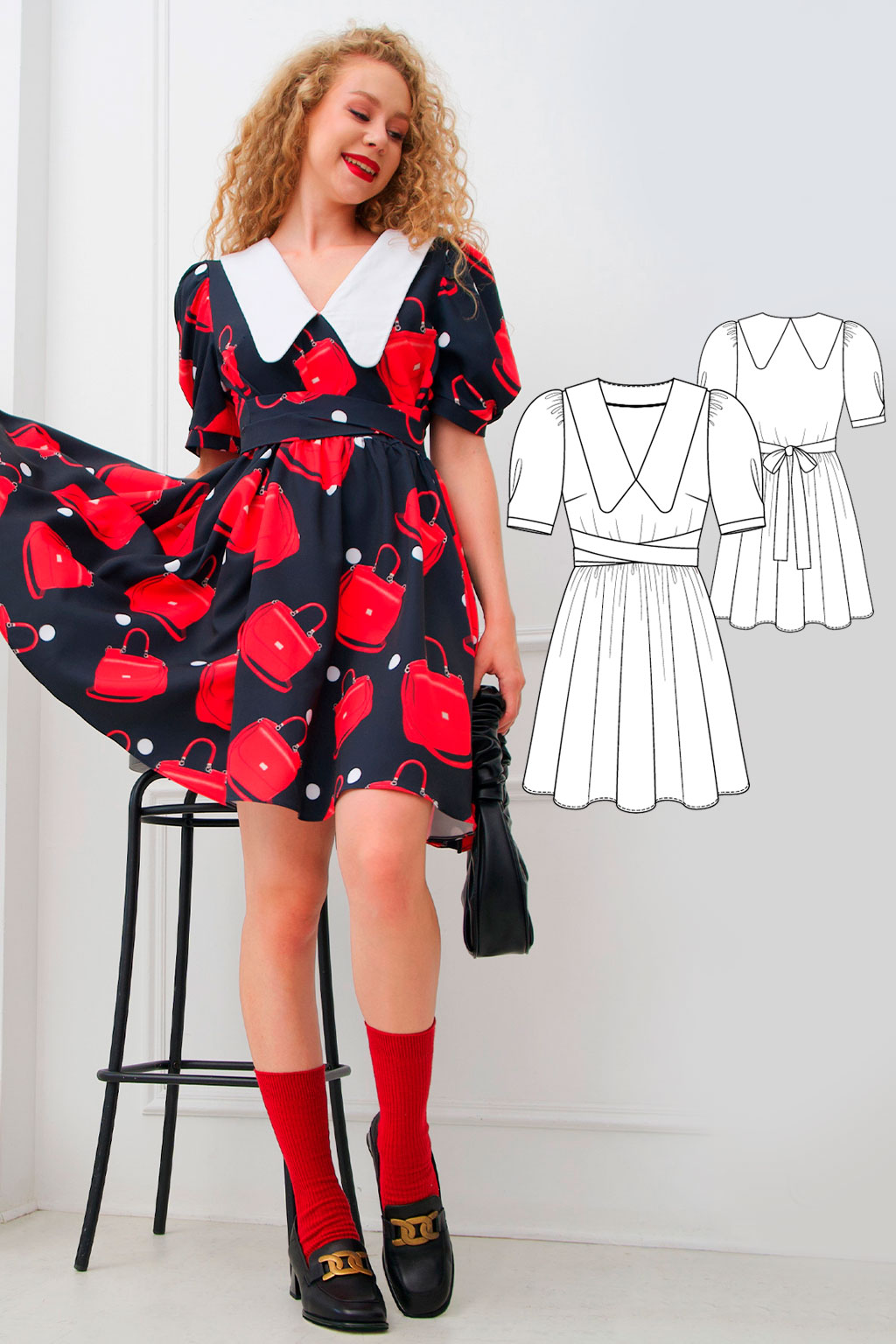
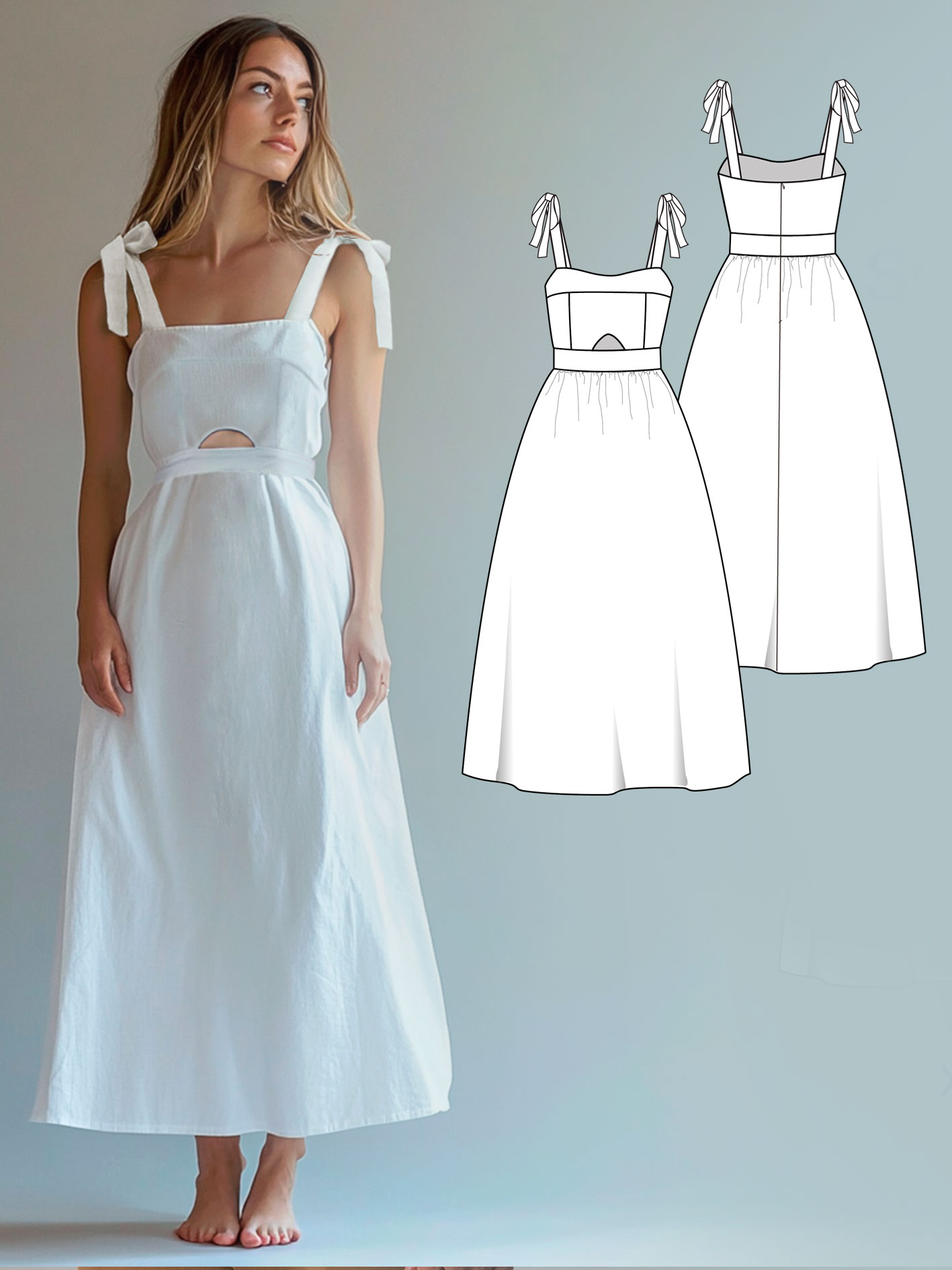
Victoria V-neck dress
The A-line silhouette works naturally as a cover-up when cut with a little additional ease in the bodice: one size larger, or 1-2cm added to the side seams before cutting. In cotton voile or a cotton-linen blend, it goes over a swimsuit comfortably and reads as a beautiful summer dress the moment you walk away from the water.
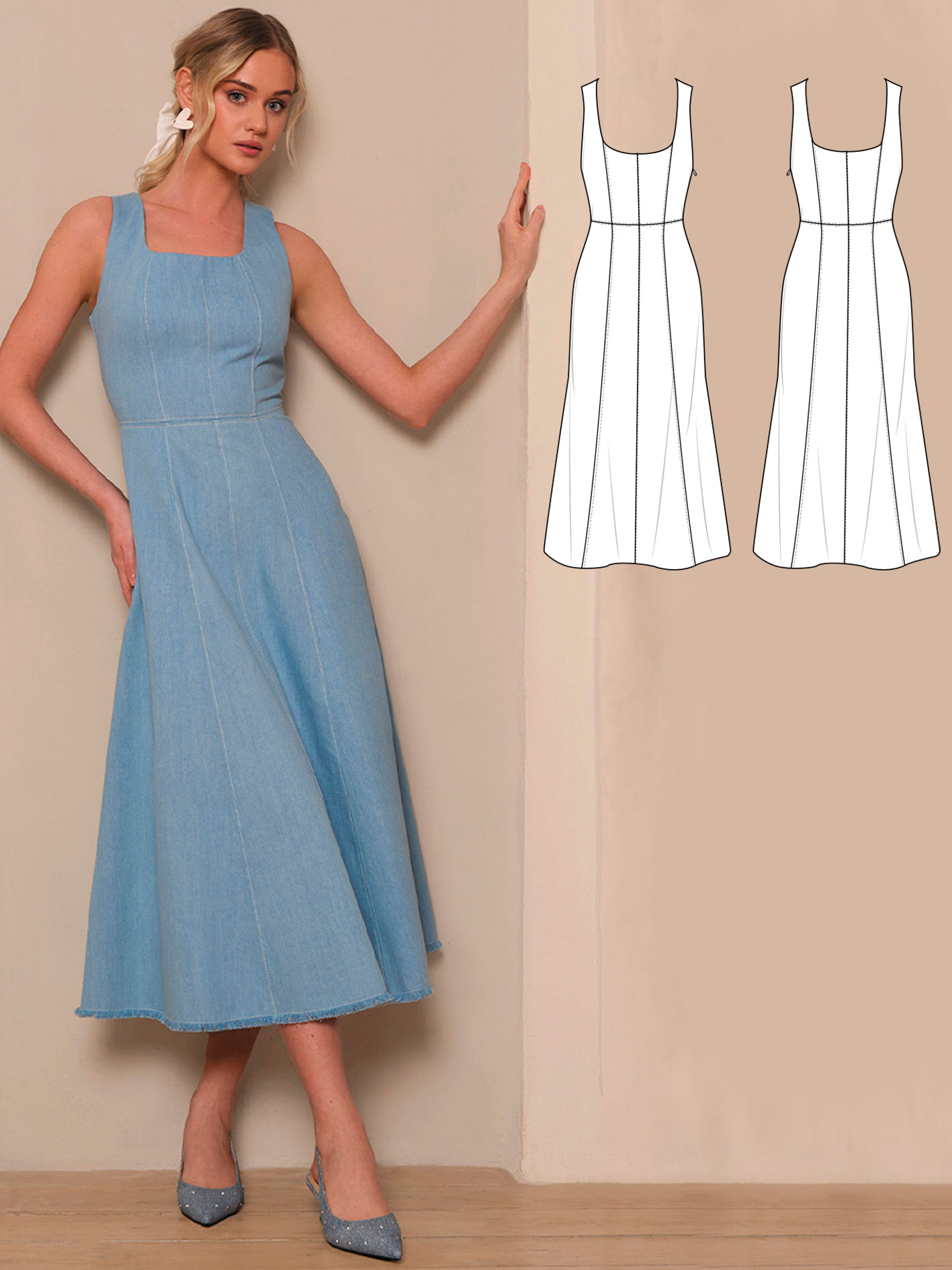
Margaret women's dress
The relaxed silhouette already has the ease to work over swimwear in most cases. In cotton gauze or lightweight viscose, this is perhaps the most naturally dual-purpose dress in the Fabrico collection.
Verona women's jumpsuit
A jumpsuit rather than a dress, but worth mentioning as an alternative: the relaxed cut can go over bikini bottoms and a bralette as a beach cover-up, and functions fully as a sophisticated outfit everywhere else.

The Fabric and Construction Considerations
A few specific considerations for a dress intended for dual-purpose beach and non-beach service:
Skip the zip if possible
Zips and saltwater are not friends: not because salt destroys zips quickly, but because sand gets into zip teeth and makes them uncomfortable to operate. A pullover style or a wrap closure is more practical for beach use.
Choose colourfast fabric
Pre-wash dark fabrics before cutting to ensure they are colourfast before they get wet at the beach. A dark navy dress that bleeds dye when wet is not a beach-appropriate garment, however beautiful it looks dry.
Keep the hem off the floor near water
A floor-length dress at a restaurant looks elegant; the same dress walking along a wet beach collects sand at the hem. Midi length (between knee and ankle) is the most practical compromise for a dress that will genuinely see beach use.
Consider the pocket situation
A cover-up that can hold a phone, a key, and a card for a walk to the café is far more useful than one that cannot. Adding side seam pockets is a straightforward modification. (Full guidance on adding pockets is covered in Article 29 of this series.)
Styling the Dual-Purpose Dress
The styling decisions that make a dual-purpose dress work in both contexts are mostly about what goes with it rather than the dress itself:
At the beach or pool
Worn over a swimsuit with flat sandals or bare feet, a wide-brimmed hat, and sunglasses. The dress provides coverage and sun protection; the swimsuit is visible at the neckline and perhaps the hem. This is the cover-up version: relaxed, sun-appropriate, intentionally casual.
Away from the beach
The same dress, without the swimsuit context. Worn with leather sandals or espadrilles instead of flip-flops, perhaps with a simple necklace and a small bag. The dress that was a cover-up an hour ago is now a summer lunch dress that requires no explanation and no apology.
The transition between these two contexts is the point of the dual-purpose dress, and it happens entirely through accessories and context rather than through changing the garment. This is what makes it worth sewing.

Frequently Asked Questions
Can one dress really work as both a beach cover-up and a going-out dress?
Yes. Look for a relaxed, slightly oversized silhouette, a lightweight, quick-drying fabric (linen, cotton gauze, cotton voile, or viscose), easy on-and-off styling such as a pullover or wrap, and a midi or maxi hem. The Victoria V-neck and Margaret dresses from Fabrico both adapt well with a little extra ease through the bodice.
What fabric is best for a dual-purpose beach dress?
Cotton gauze and double gauze dry fastest and suit kaftan silhouettes. Cotton voile is lighter but usually needs a bodice lining. Viscose challis drapes best and takes prints beautifully. Lightweight linen is the most practical all-rounder, and cotton seersucker never needs ironing and does not cling when damp.
Should a beach cover-up dress have a zip?
It is better to avoid one if possible. Sand gets into zip teeth and makes them uncomfortable to operate, so a pullover style or a wrap closure is more practical for beach use.
What length works best for a dress worn at the beach and afterwards?
Midi (knee to mid-calf) or maxi (floor or ankle) length. Both work well as a beach cover-up and as a standalone dress; mini length can feel underdressed once you move away from the sand.
How do I adjust a Fabrico dress pattern so it works as a beach cover-up?
Add ease through the bodice, enough room to slip the dress on and off over a swimsuit. If the pattern's standard ease feels snug at the fitting stage, add 1-2cm to the side seams above the waist.
Sew your dual-purpose summer dress
Keep reading
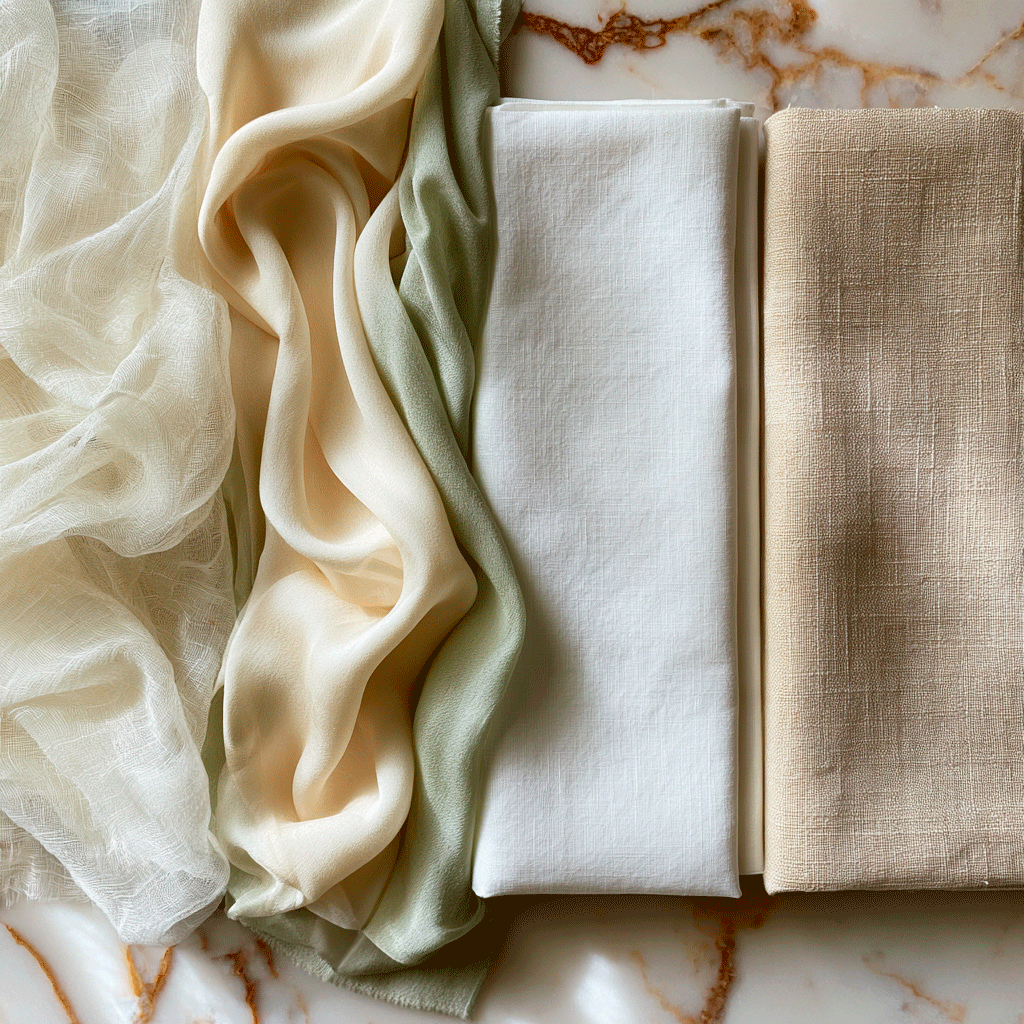
The Best Fabrics for Hot Weather
What works in real summer heat, and how to choose at the fabric shop.
Read more
How to Sew Your First Summer Dress
A complete beginner's guide to sewing a summer dress from a pattern, before you tackle swimwear.
Read more
What Is Viscose and Why Do Patterns Call for It
The semi-synthetic fabric that drapes like silk, and why it needs specific sewing techniques.
Read more
The Best Summer Shirt for Men
What fabric, cut, and pattern actually keep you cool, and how to sew the Vicenza shirt.
Read more
How to Sew a Boy's Polo Shirt
Why it's the perfect beginner project for kids' clothes, placket and all.
Read moreEvery Fabrico pattern is available as an instant PDF download with a complete video tutorial. Share your finished beach-to-dress creation with #FabricoDesign on Instagram, and join our newsletter below for new patterns, fabric guides, and summer sewing inspiration every month.
Fabrico. Design yourself.