
How to Pre-Wash Your Fabric Before Sewing — and Why It Matters
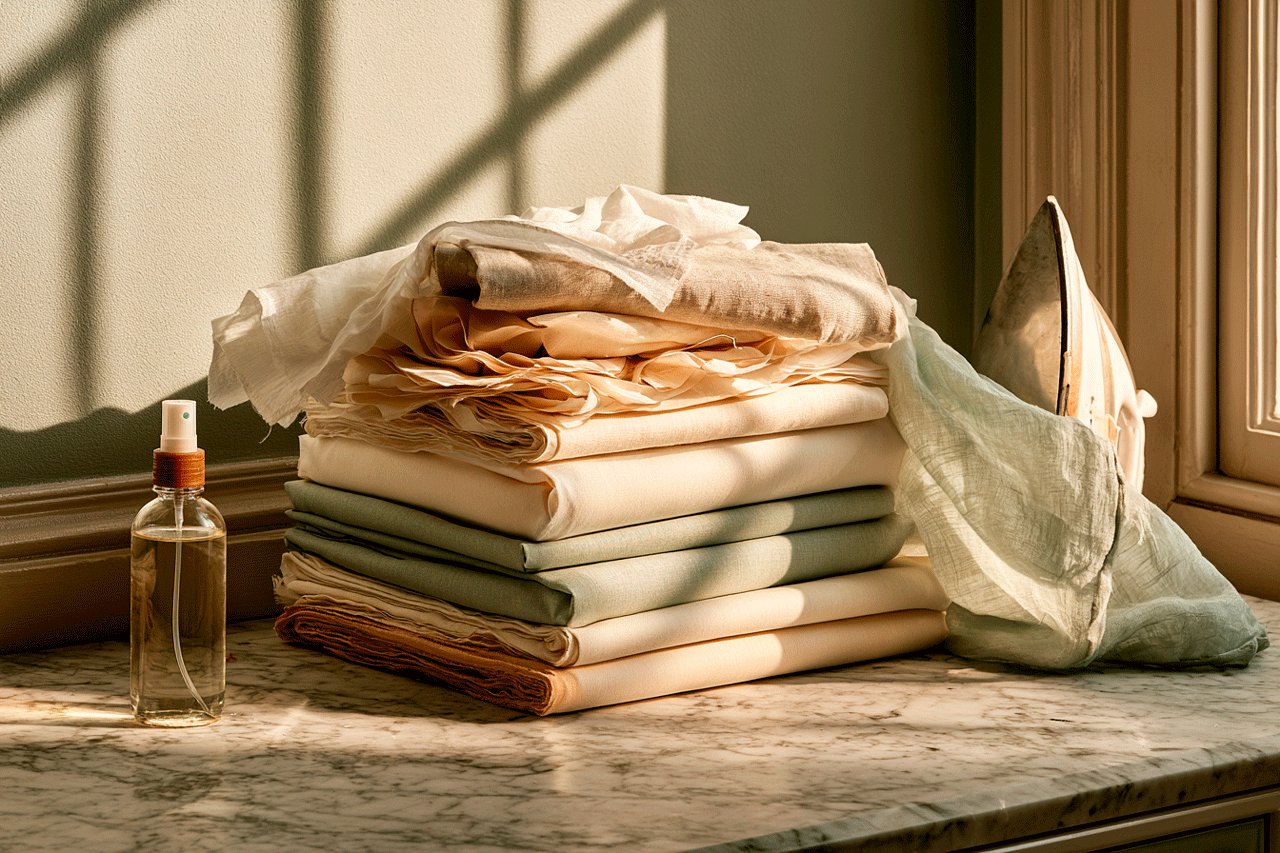
Pre-washing fabric before cutting is the sewing step most often skipped by beginners — and the one most consistently regretted. It takes an afternoon. It is genuinely important. And understanding why it matters will turn it from an optional extra into a non-negotiable part of your process.
Natural and semi-natural fabrics (cotton, linen, viscose) can shrink 5–10% on their first wash. Pre-washing before cutting means the shrinkage happens to the yardage, not to the finished garment. The golden rule: pre-wash exactly as you intend to launder the finished dress. Finish raw edges before washing to prevent fraying. Always press after drying before cutting.
Why Pre-Washing Matters: Three Reasons
Shrinkage
Cotton can shrink 5–10% on the first wash. Linen up to 10%. Viscose 5–10%. These amounts are enough to turn a dress that fits perfectly into one that fits considerably less well. Pre-washing lets the shrinkage happen before you cut the pattern pieces.
Colour bleeding
Deeply dyed fabrics — particularly reds, dark blues, and dark greens — often have excess dye that bleeds out in the first wash. For colour-blocked garments, this can mean dye from a dark fabric bleeding into a light one. Pre-washing removes the excess dye before construction.
Factory finishes
Fabric is manufactured with starch and sizing treatments that make it look crisp on the bolt but affect how it drapes and behaves at the machine. Pre-washing removes these finishes, leaving you with the fabric in its natural state — the state you will be wearing and laundering.
Pre-washed fabric also lies flatter on the cutting table, cuts more accurately, and behaves more predictably under the presser foot. For children's and baby clothing specifically, removing manufacturing chemicals before the garment touches sensitive skin is particularly important.
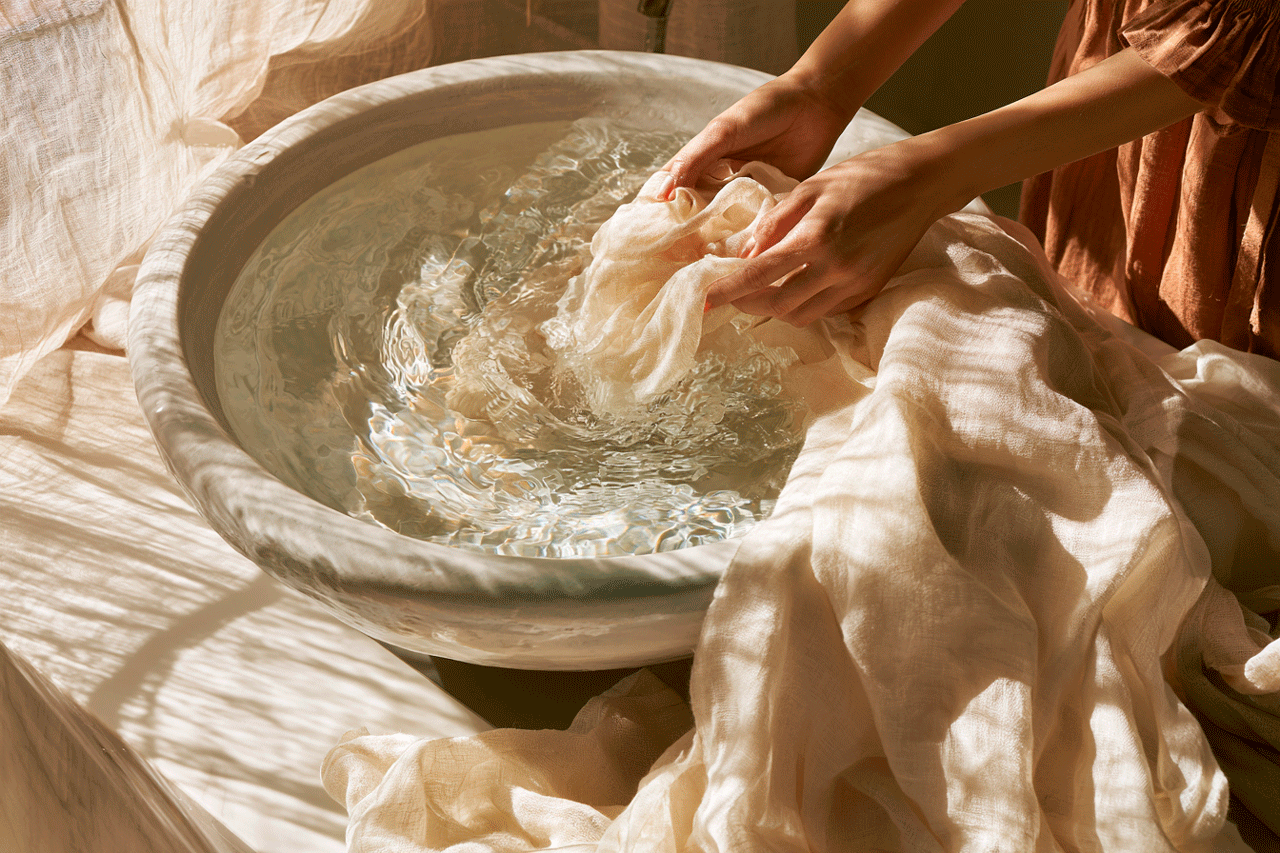
Pre-wash the fabric exactly as you intend to launder the finished garment. If you plan to machine-wash on a cold gentle cycle, pre-wash on a cold gentle cycle. Whatever shrinkage is going to happen to the fabric in that wash method, you want it to happen before you cut the pattern pieces — not after.
If you pre-wash more aggressively than you intend to launder — using hot water when you plan to wash cold, for example — you may cause more shrinkage than the finished garment will ever experience, leaving you with less fabric than you need.
By fabric type
How to Pre-Wash the Most Common Summer Fabrics
Cotton lawn, voile, poplin, chambray, seersucker
Machine wash on a cold or warm gentle cycle. Wash bright colours separately on the first wash. Tumble-dry on low heat, or air-dry flat or on a hanger. Remove from the dryer while slightly damp — cotton that dries completely before pressing will have set creases that are harder to remove. Finish raw edges before washing.
All dress-weight linens
Machine wash on a cold or warm gentle cycle — not hot, which can cause significant additional shrinkage. Use a mild detergent. Linen will look very wrinkled out of the wash — this is normal. Shake gently before drying. Remove from the dryer while slightly damp, or air-dry and press while still just damp. Well-pressed, pre-washed linen is one of the most satisfying fabrics to cut.
Viscose challis, crepe, georgette
Requires the most care. Wash on a cold, very gentle or delicate cycle — hot water and vigorous agitation can cause viscose to stretch and distort significantly. Do not wring. Gently squeeze excess water and lay flat to dry or hang carefully. Avoid tumble-drying above the lowest heat setting. Viscose may look distorted while drying but returns to its correct dimensions once dry and pressed.
50/55% linen blends
Treat as you would linen: cold or warm gentle cycle, finish raw edges first, press while slightly damp. Blends wrinkle slightly less than pure linen and are generally more forgiving.
Puckered cotton weave
Wash on a cold gentle cycle. The puckered texture that gives seersucker its characteristic air-channel effect is structural — created during weaving, not destroyed by washing. Seersucker may relax slightly after washing and re-stiffen with drying; this is entirely normal.
Before the wash
Preventing Fraying During Pre-Washing
When you buy fabric from a shop, the two cut ends of the yardage are raw — unfinished and prone to fraying in the wash. Without finishing these edges, you may lose 5–10cm of fabric length to fraying and tangling in the drum.
- Zigzag stitch or serge the raw edges. Run a zigzag stitch along each cut end of the fabric before placing it in the machine. This takes less than five minutes and is the most reliable method. A serger makes an even cleaner job of it if you have one.
- Stitch the cut ends together. Sew the two cut ends together so the fabric forms a loop, then wash. The loop prevents the ends from fraying against each other in the drum. Useful for longer pieces where zigzagging both ends feels unnecessary.
- Cut a diagonal notch into each corner. A small 45-degree notch into each corner before washing reduces the amount of fabric that catches and frays in the machine. Less reliable than zigzagging but requires no machine setup — useful when you're in a hurry.
The test swatch method
When You're Uncertain About a Fabric
If you are unsure how a fabric will behave in the wash — if it is unfamiliar, the colour is very deep, or the care label is ambiguous — cut a small test swatch (approximately 10×10 cm) from the fabric before committing the whole piece to the machine.
Wash the swatch using your planned method. Include a white scrap of fabric in the wash to check for colour bleeding. After washing and drying, measure the swatch and compare it to the original 10×10 cm to estimate shrinkage percentage.
Red fabrics are the most notorious for bleeding — always wash red fabric separately, even during pre-washing, and include a white scrap in the wash to check how much dye is released.
If the swatch shows significant shrinkage or colour bleeding, you now know what to expect from the full piece — and can either adjust your expectations or choose a different fabric before cutting your pattern pieces.
 When to skip it
When Pre-Washing Is Not Necessary
Dry-clean-only fabrics
Attempting to machine-wash or hand-wash a dry-clean-only fabric can cause permanent damage. If the garment will be dry-cleaned rather than laundered at home, the pre-shrinking step is not relevant.
Pure synthetics
Polyester, nylon, and acrylic do not shrink in the wash, so there is no shrinkage-related reason to pre-wash them. Colour bleeding is still possible and worth checking, but the primary reason for pre-washing does not apply.
Fabrics already pre-treated by the retailer
Some retailers sell "washed linen" or similar pre-treated fabrics that have already been washed and pre-shrunk during manufacture. These can usually be cut without pre-washing, though checking for colour bleeding is still worth doing for deeply dyed versions.
The Final Step: Pressing Before Cutting
Pre-washing is not complete until the fabric has been pressed. After drying — either in the machine to just-damp, or air-dried and still slightly damp — press the fabric on the appropriate temperature for the fibre type.
Pressing at this stage serves two purposes: it removes the creases from washing and drying, and it ensures the fabric is completely on-grain (that the lengthwise and crosswise threads are perpendicular to each other) before you lay pattern pieces on it. Fabric that goes into the wash perfectly square can come out slightly distorted; pressing it back onto the grain produces accurate pattern pieces.
- Cotton and linen: press firmly with steam. Use a high cotton or linen setting.
- Viscose: press on the wrong side with a pressing cloth and a low heat setting to avoid shine.
- Seersucker: press very gently on a low setting — the puckered texture is structural and should not be flattened.
Frequently Asked Questions
Should you wash fabric before sewing?
Yes — pre-washing fabric before cutting is strongly recommended for all natural and semi-natural fibres (cotton, linen, viscose). These fabrics can shrink 5–10% on their first wash. If you skip pre-washing and cut your pattern pieces from unwashed fabric, the finished garment will shrink after its first launder — becoming shorter and potentially tighter than intended. Pre-washing allows the shrinkage to happen to the yardage before cutting, so the finished garment retains its size after future washes.
How much does fabric shrink before sewing?
Shrinkage varies by fibre: cotton typically shrinks 5–10% on its first wash; linen can shrink up to 10%; viscose 5–10%. These amounts are significant — a 5% shrinkage in a dress 100cm long is 5cm, enough to noticeably change the hemline. This is why pre-washing before cutting is important: the shrinkage happens to the fabric length before pattern pieces are cut, not to the finished garment after construction.
What is the golden rule of pre-washing fabric?
Pre-wash the fabric exactly as you intend to launder the finished garment. If you plan to machine-wash on a cold gentle cycle, pre-wash on a cold gentle cycle. If you plan to hand-wash, hand-wash the fabric. Whatever shrinkage and other changes the wash method will cause, you want them to happen before cutting — not after construction.
How do you pre-wash linen fabric?
Machine wash on a cold or warm gentle cycle — not hot, which can cause significant additional shrinkage. Use a mild detergent. Finish the raw edges before washing to prevent fraying. Linen will look very wrinkled coming out of the wash — this is normal. Remove from the dryer while slightly damp, or air-dry and press while still just damp with a warm iron and plenty of steam.
How do you pre-wash viscose fabric?
Viscose requires the most care during pre-washing. Wash on a cold, very gentle or delicate cycle — hot water and vigorous agitation can cause viscose to stretch and distort significantly. Do not wring viscose when removing it from the wash; gently squeeze excess water and lay flat to dry or hang carefully. Avoid tumble-drying at above the lowest heat setting.
How do you prevent fabric from fraying in the wash?
Finish the raw cut edges of the yardage before washing. The most reliable method: run a zigzag stitch along each cut end of the fabric — takes less than five minutes. Alternatively, sew the two cut ends together to form a loop, which prevents the ends from fraying against each other in the drum. A third option: cut a small 45-degree notch into each corner before washing, though this is less reliable than zigzagging.
When is pre-washing not necessary?
Pre-washing is not necessary or advisable in three situations: (1) fabrics labelled 'dry clean only'; (2) pure synthetic fabrics (polyester, nylon, acrylic) which do not shrink; (3) fabrics already pre-treated and pre-shrunk by the retailer. For all natural and semi-natural fibres intended for home laundering, pre-washing is strongly recommended.
Ready to cut and sew
Keep reading
The Best Fabrics for Hot Weather
Linen, cotton, viscose — what works in real summer heat and why. The complete sewist's guide.
Read more
Linen vs Cotton: Which Fabric Should You Choose
A head-to-head comparison — breathability, drape, ease of sewing, cost, and care.
Read more
What Is Viscose and Why Do So Many Patterns Call for It
The semi-synthetic fabric that drapes like silk, breathes like cotton, and requires specific sewing techniques.
Read more
How to Choose the Right Fabric Weight for Your Pattern
What GSM means, why it matters, and how to use it confidently in any fabric shop.
Read more
Press to Impress
The pressing technique that separates a handmade dress from a professional one.
Read more
Summer Fabrics You Should Avoid
Polyester, acrylic, heavy denim — why they fail in real summer heat and what to choose instead.
Read more