
How to Choose the Right Fabric Weight for Your Pattern
You have chosen your pattern. You know what colour you want. You are standing in the fabric shop — or scrolling through an online fabric retailer — looking at a beautiful cotton print that seems perfect. Then you notice a number on the bolt or in the product description: 140 gsm. Or 220 gsm. Or the listing simply says "lightweight." And you wonder whether it matters.
It does matter. Fabric weight is one of the most consequential decisions in any sewing project, and it is one of the least-taught. A pattern designed for a flowing, gathered summer dress made in 100 gsm cotton voile will produce a very different result in 220 gsm cotton twill — technically the same fibre, but a completely different garment. Understanding fabric weight saves you from making expensive and frustrating mistakes, and it gives you the language to evaluate fabrics confidently whether you are handling them in person or reading a description online.
This guide explains what fabric weight means, what the numbers indicate, and how to use this knowledge to choose the right fabric for the Fabrico pattern you are making.
GSM = grams per square metre. Higher number = heavier fabric. For most summer dresses, aim for 100–150 gsm in a natural fibre (cotton lawn, lightweight linen, viscose). Under 100 gsm may need lining; over 200 gsm is too warm for genuine summer wear. GSM alone doesn't tell the whole story — fibre content and weave structure matter alongside weight. When in doubt, follow the pattern's fabric recommendation.
What GSM Means and How It Is Measured
GSM stands for grams per square metre — the weight of one square metre of fabric, measured in grams. It is the standard measurement used in the textile industry to classify how light or heavy a fabric is.
A higher GSM number means a heavier, denser fabric. A lower GSM number means a lighter, more sheer or delicate fabric.
You will also sometimes see fabric weight expressed in ounces per square yard (oz/yd²), particularly in American or vintage pattern contexts. The conversion is simple: multiply oz/yd² by approximately 33.9 to get GSM, or divide GSM by 33.9 to get oz/yd². So 4 oz/yd² is approximately 135 gsm, and 6 oz/yd² is approximately 200 gsm.
Two fabrics with the same GSM can behave quite differently depending on their fibre content and weave structure — the number alone doesn't capture how the fabric drapes or feels.
A 150 gsm cotton poplin will feel crisp and structured, while a 150 gsm viscose challis in the same weight will be soft, drapey, and fluid. GSM tells you about weight, not about drape or handle. Both matter.
The Weight Spectrum — at a Glance
Here is the full range of fabric weights you'll encounter when buying for summer dressmaking, from sheer to too-heavy-for-summer:
 Under 100 gsm
Ultra-Lightweight
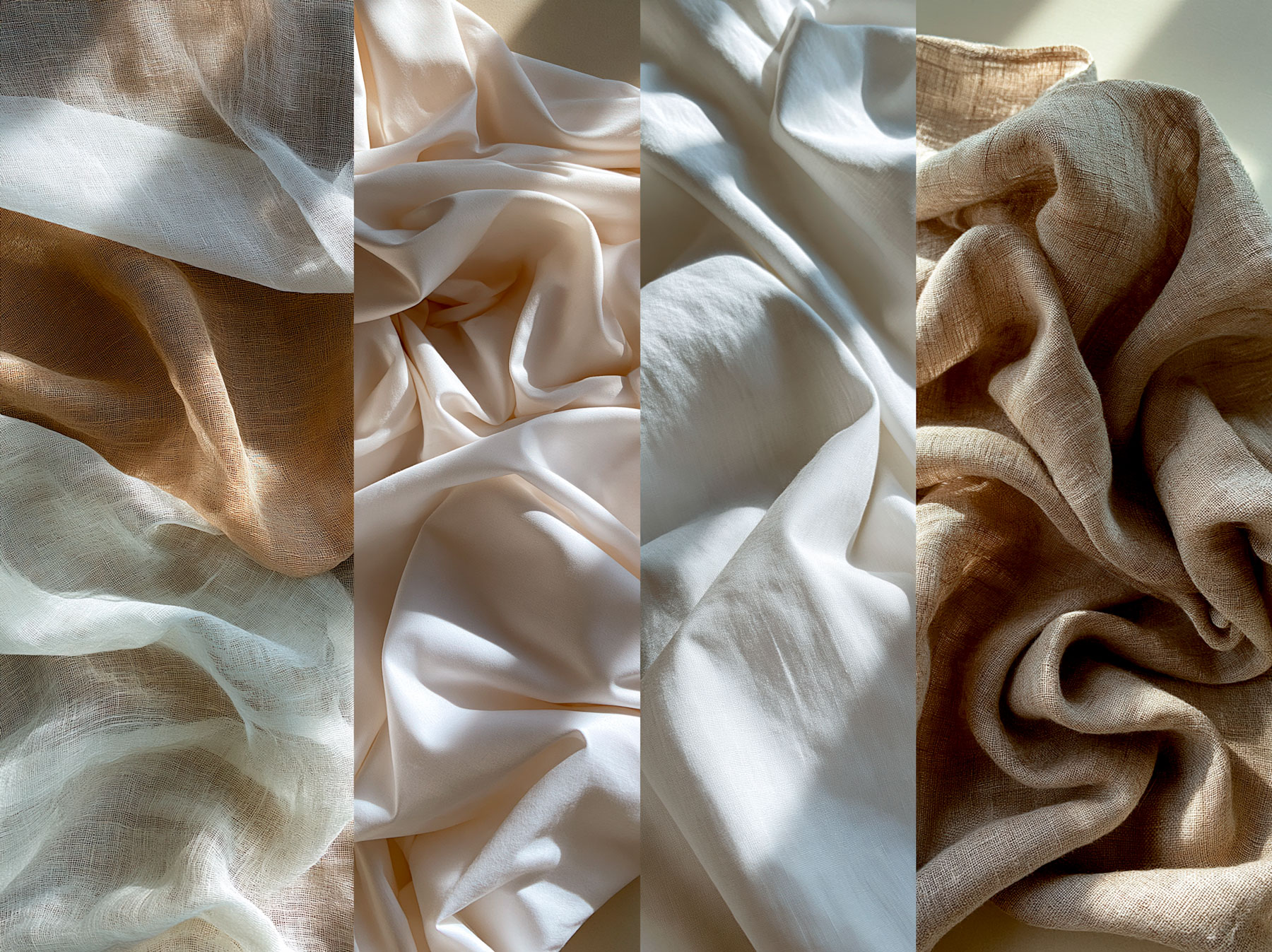
Fabrics in this range are very fine, often semi-transparent, and extremely light. Examples include cotton voile, silk chiffon, cotton gauze, and very fine cotton lawn.
These fabrics produce garments that are exceptionally cool in heat — the sheerness that makes them feel delicate in the hand is the same property that allows maximum airflow. However, they almost always require a lining for opacity. If you use a 90 gsm cotton voile for a summer dress without lining it, the result will be transparent.
For dressmaking, ultra-lightweight fabrics are particularly suited to gathered and smocked bodices (the lightweight fabric creates beautiful volume without bulk), overlay layers, and romantic full-skirted styles where the fabric's movement is part of the design.
Lightweight — the Sweet Spot for Summer
Fabrics in this range include cotton lawn, lightweight linen (around 120–130 gsm), lightweight viscose, chambray, and seersucker.
These fabrics are opaque enough for most garments without lining, light enough to be genuinely comfortable in summer heat, and easy enough to handle that they are accessible to a beginner sewist. They drape well, press cleanly, and produce the flowing, comfortable summer garments that are most flattering and most wearable in warm weather.
Midweight
Midweight fabrics include standard cotton poplin (around 160–180 gsm), mid-weight linen (160–200 gsm), most viscose crepe, and chambray in its heavier varieties.
These fabrics have more body than lightweight options — they hold their shape more clearly, create crisper seam lines, and produce garments with more structure. For a summer dress with a defined silhouette — a fitted bodice, clean A-line skirt, or structured shirt-dress — a midweight fabric will produce a more tailored result than a lightweight one.
The trade-off is thermal: midweight fabrics are slightly warmer than lightweight ones in the same fibre type. For summer wear in genuinely hot conditions, 200 gsm+ is noticeably heavier than 130 gsm, and the difference is felt. Midweight summer fabrics work well in air-conditioned environments, for cooler summer evenings, and for autumn/spring transitional use.
250 gsm+Heavier than Midweight
For summer dresses specifically, fabrics above 250 gsm are generally too heavy for comfort in warm weather. They include heavier linen (which exists in weights up to 400 gsm for upholstery and home use), medium-weight denim, cotton twill, and canvas.
These are excellent fabrics for structured jackets, bags, trousers, and home furnishings — but a summer dress in 300 gsm fabric will be uncomfortably warm and will not have the drape and movement that makes a dress flattering and comfortable in the heat.
The GSM Quick Reference Table
The summary table for choosing summer dress fabrics by weight:
| GSM | Typical fabrics | Best for |
|---|---|---|
| Under 100 | Cotton voile, chiffon, gauze | Gathered, smocked, layered styles — needs lining |
| 100–150 | Cotton lawn, light linen, seersucker, viscose | Most summer dresses — ideal range |
| 150–200 | Poplin, mid-weight linen, chambray | Structured silhouettes, shirt-dresses |
| 200–250 | Heavier viscose crepe, mid-weight cotton | Better for cooler summer evenings |
| 250+ | Heavy linen, cotton twill, denim | Not summer dress weight |
Why Fibre Content and Weave Also Matter
As noted above, GSM tells only part of the story. Two aspects that work alongside weight to determine how a fabric behaves:
Fibre content determines breathability, moisture management, drape, and hand feel — all the properties covered in our earlier guide to summer fabrics to avoid. A 150 gsm linen and a 150 gsm polyester may weigh the same, but the linen breathes actively and wicks moisture while the polyester traps heat and moisture. For summer dresses specifically, natural fibres (cotton, linen) and semi-natural fibres (viscose) at any given weight will be significantly more comfortable than synthetic fibres at the same weight.
Weave structure determines how the fabric drapes and behaves at the machine. A plain weave cotton at 150 gsm (such as poplin) will feel crisp and structured. A twill weave at the same weight will feel softer and have slightly more drape. A seersucker at 130 gsm will have an open, puckered texture that creates air channels against the skin. The number alone does not capture these differences.
The most reliable way to evaluate a fabric is to feel it — which is possible in a physical shop and impossible online. When buying online, use GSM as a starting point and rely on the retailer's description of the drape and handle, customer reviews, and if possible, request a sample before committing to several metres.

How to Read Pattern Fabric Recommendations
Every well-written sewing pattern will specify the types of fabric it is designed for. Fabrico patterns include this guidance in the pattern instructions. Understanding how to read these recommendations is the link between fabric weight knowledge and the specific choices you make for each pattern.
"Lightweight woven fabrics"
Cotton lawn, cotton voile, lightweight linen, lightweight viscose, chambray. For most gathered summer dresses, floaty silhouettes, and styles where movement and softness are central.
"Medium-weight woven fabrics"
Poplin, mid-weight linen, viscose crepe. Used for more structured styles where the fabric needs to hold a shape rather than drape softly.
"Fabrics with good drape"
Viscose, silk-type fabrics, fluid cotton crepe. A descriptor of how the fabric falls — for wrap styles, cowl necklines, and bias-cut garments.
"Avoid stiff fabrics"
Don't use canvas, heavy denim, or structured interfaced fabrics in a pattern designed for fluid movement.
If a pattern specifies "lightweight woven fabrics" and you use a 200 gsm poplin, the finished garment may be stiffer than intended, may not gather as designed in the skirt, and may feel heavier in summer heat than the design intended. This does not mean the dress will be unwearable — but it will be a different dress from the one the pattern was designed to produce.
Testing Fabric Weight Without a Scale
In a fabric shop, you can estimate whether a fabric is in the right weight range for your pattern without any measuring equipment:
The hand drape test
Hold a 30–40cm length loosely in your palm and let the end fall. Soft, immediate fall = lightweight to midweight, suitable for summer dresses. Stiff fold = midweight or heavier.
The fold test
Fold between two fingers. Lightweight fabric folds almost invisibly. Midweight creates a visible but soft fold. Heavier fabric resists folding slightly.
The hold-up test
Hold against a window. See your hand clearly? Under 100 gsm — needs lining. See outline only? 100–150 gsm — opaque enough. Completely opaque? 150 gsm or heavier.
The feel test
Instantly soft and flexible = lightweight range. Slightly crisper or more structured = midweight. Trust your hands — they're calibrated by every fabric you've ever felt.
A Note on Pre-Washing and Shrinkage
One of the most common ways that fabric weight affects a finished garment is through pre-washing behaviour. Most natural fibres shrink on their first wash — typically 3–8% for cotton and up to 10% for linen. Heavier fabrics sometimes shrink more visibly than lightweight ones because the shrinkage affects a larger quantity of material.
Pre-washing your fabric before cutting — using the same temperature and method you will use for the finished garment — ensures that the fabric has already completed its shrinkage before you cut the pattern pieces. A pattern cut from unwashed fabric that then shrinks after the first launder will be shorter and potentially tighter than the intended size.

Ready to Choose Your Fabric?
For most Fabrico summer dress patterns, the ideal fabric weight is 100–150 gsm in a natural or semi-natural fibre — lightweight cotton lawn, cotton voile, lightweight linen, lightweight viscose, or seersucker. This range produces the most comfortable, most beautiful summer dresses and works with the silhouettes and construction methods our patterns are designed for.
Frequently Asked Questions
What is GSM in fabric?
GSM stands for grams per square metre — the weight of one square metre of fabric, measured in grams. It is the standard measurement used in the textile industry to classify how light or heavy a fabric is. A higher GSM number means a heavier, denser fabric; a lower GSM number means a lighter, more sheer fabric. Cotton voile might be 80-100 gsm, lightweight linen 120-140 gsm, poplin 160-180 gsm, and heavy denim 350+ gsm.
What fabric weight is best for a summer dress?
For most summer dresses, the ideal fabric weight is 100-150 gsm in a natural or semi-natural fibre — lightweight cotton lawn, cotton voile, lightweight linen, lightweight viscose, or seersucker. This range produces the most comfortable, most beautiful summer dresses and works with the silhouettes most patterns are designed for. Fabrics under 100 gsm are very lightweight and often need lining; fabrics over 200 gsm are noticeably warmer and better suited to structured silhouettes or cooler summer evenings.
How do I know fabric weight without a label?
Use four quick tests in the shop: the hand drape test (hold a length loosely and let it fall — soft fall means lightweight, stiff fall means heavier), the fold test (lightweight fabrics fold almost invisibly, heavier ones resist folding), the hold-up test (hold against a window — if you can see your hand clearly, under 100 gsm; outline only, 100-150 gsm; completely opaque, 150+ gsm), and the feel test (instantly soft means lightweight, slightly crisp means midweight). Your hands are calibrated by every fabric you've ever touched and give reliable initial impressions.
Does GSM tell me everything I need to know about a fabric?
No — GSM tells you about weight only, not about drape, hand feel, or how the fabric will behave. A 150 gsm cotton poplin feels crisp and structured, while a 150 gsm viscose challis in the same weight is soft and fluid. Fibre content determines breathability and moisture management; weave structure determines drape and behaviour at the machine. Use GSM as a starting point, then consider fibre and weave alongside it for a complete picture.
What does oz/yd² mean and how does it convert to GSM?
Oz/yd² stands for ounces per square yard — the American or imperial measurement of fabric weight, used in older or US-based pattern contexts. To convert: multiply oz/yd² by approximately 33.9 to get GSM, or divide GSM by 33.9 to get oz/yd². So 4 oz/yd² equals approximately 135 gsm (lightweight cotton range), and 6 oz/yd² equals approximately 200 gsm (midweight).
What does 'lightweight woven fabrics' mean on a sewing pattern?
Lightweight woven fabrics refers to fabrics in the 90-150 gsm range in a non-stretch structure — cotton lawn, cotton voile, lightweight linen, lightweight viscose, chambray, or seersucker. This is the recommendation for most gathered summer dresses, floaty silhouettes, and styles where movement and softness are central to the design. If a pattern says lightweight woven and you use a 200 gsm fabric, the result will be stiffer than intended and may not gather as the design requires.
Do I need to pre-wash fabric before cutting?
Yes — pre-washing is recommended for most natural fibres before cutting. Cotton can shrink 3-8% on its first wash, linen up to 10%. Pre-washing using the same temperature and method you will use for the finished garment ensures the fabric has already completed its shrinkage before you cut. A garment cut from unwashed fabric that then shrinks after the first launder will be shorter and potentially tighter than the pattern intended.
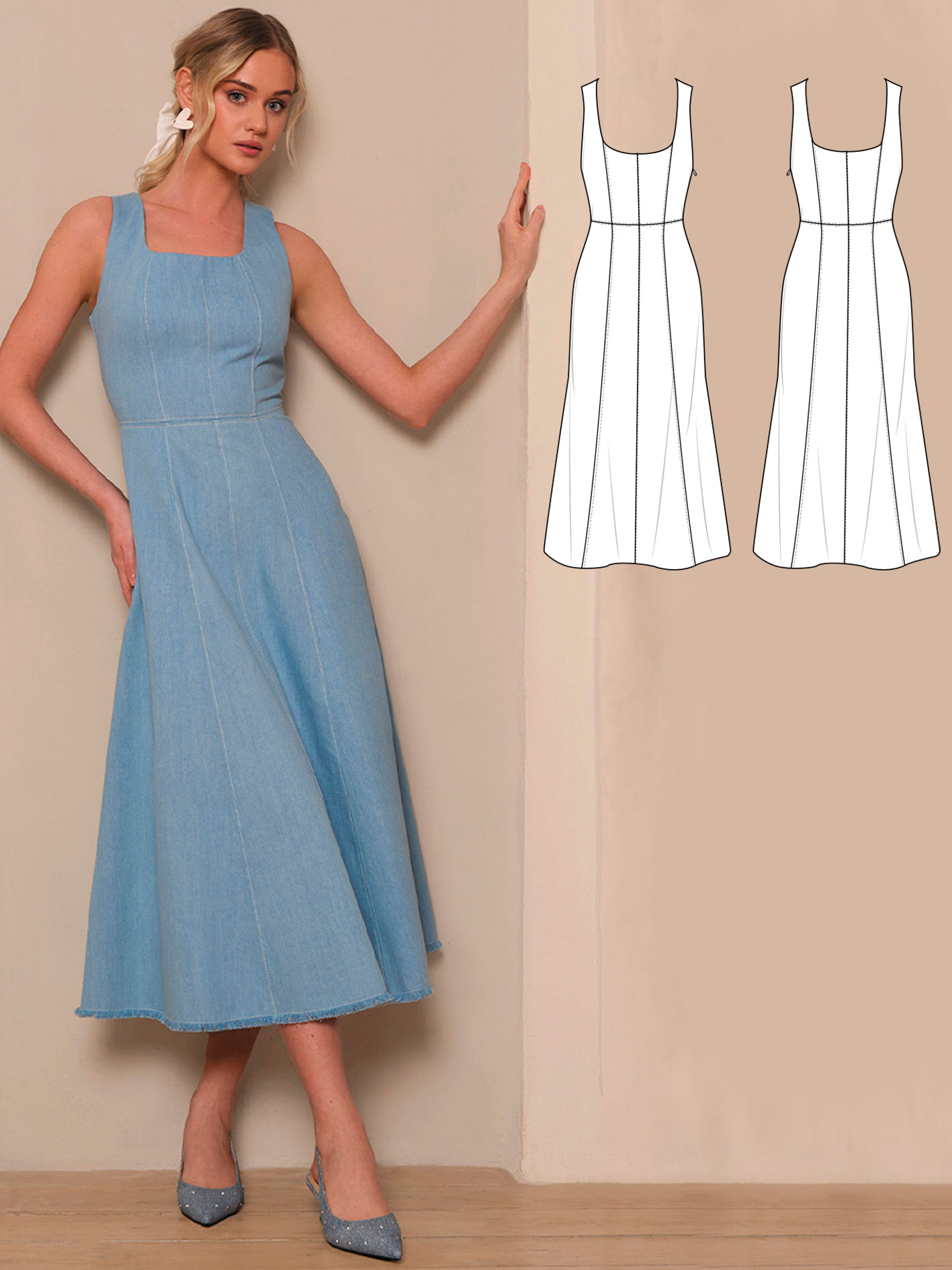
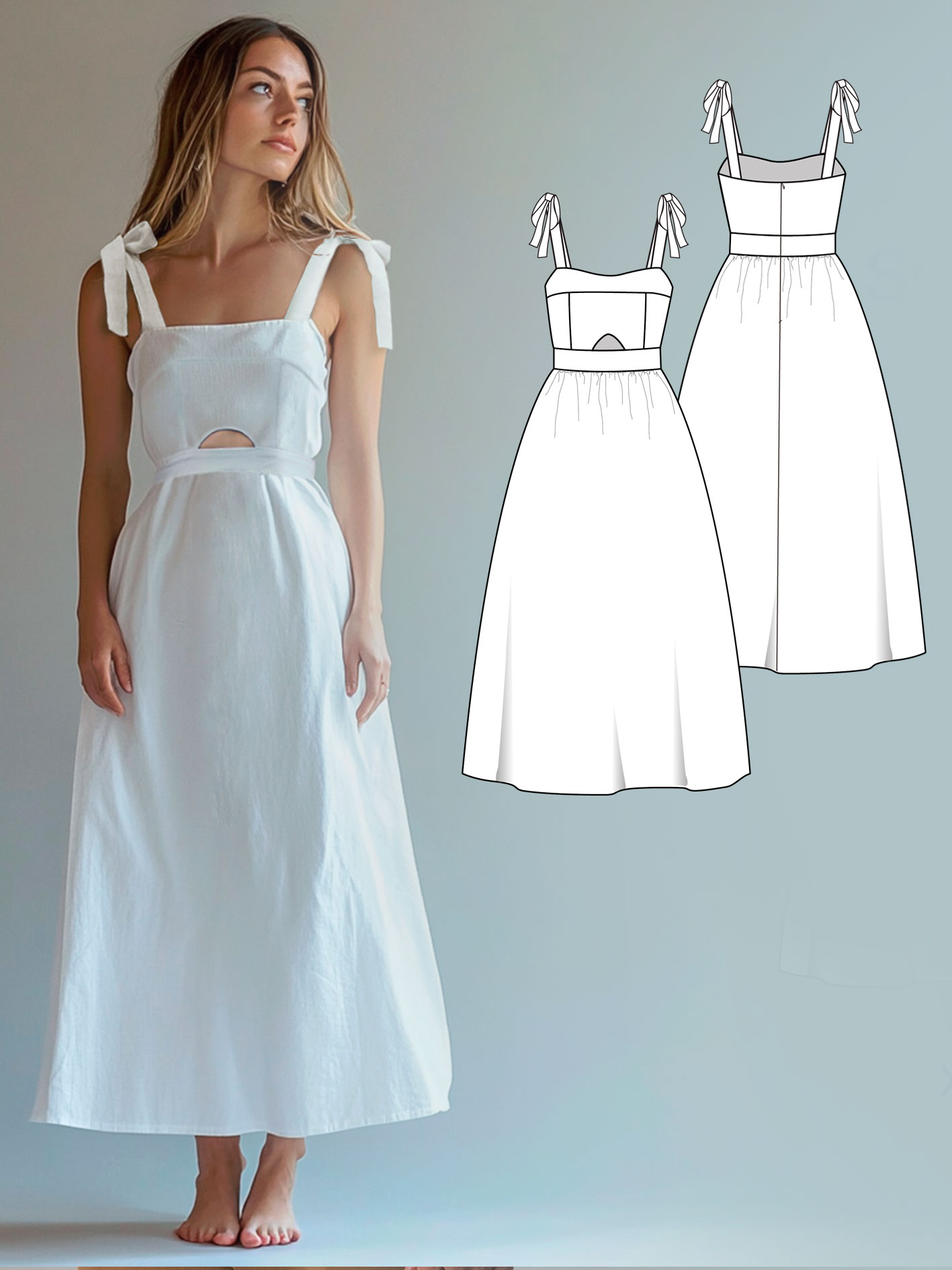
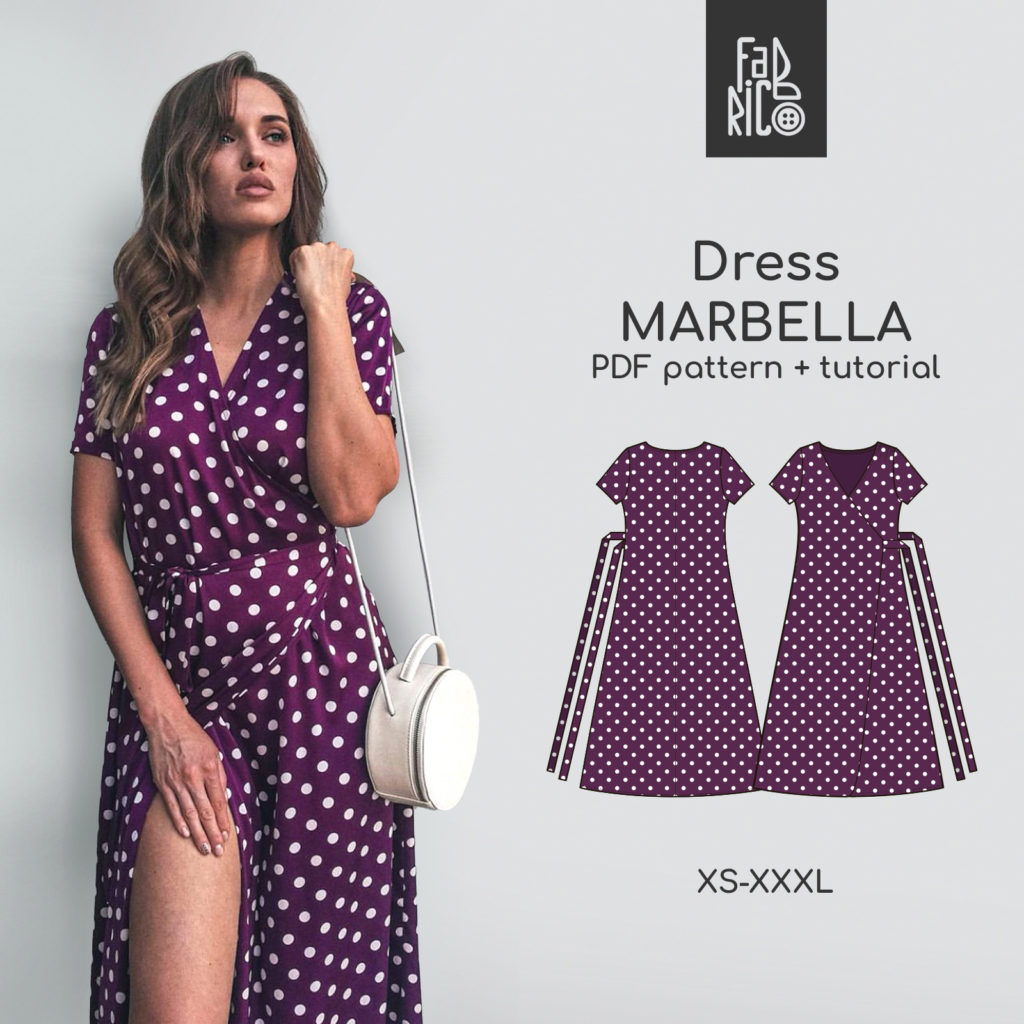
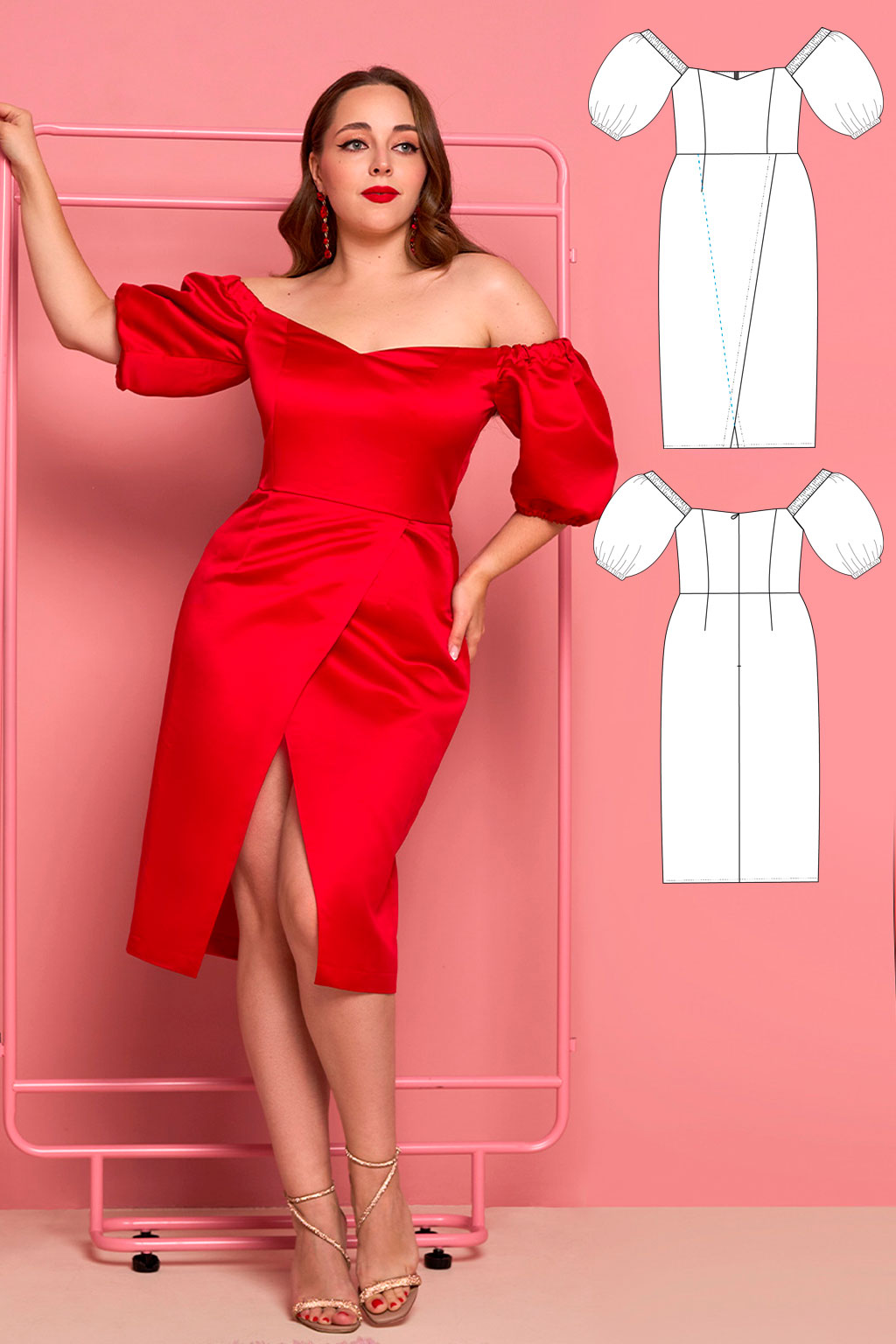
Patterns for lightweight fabric
Keep reading
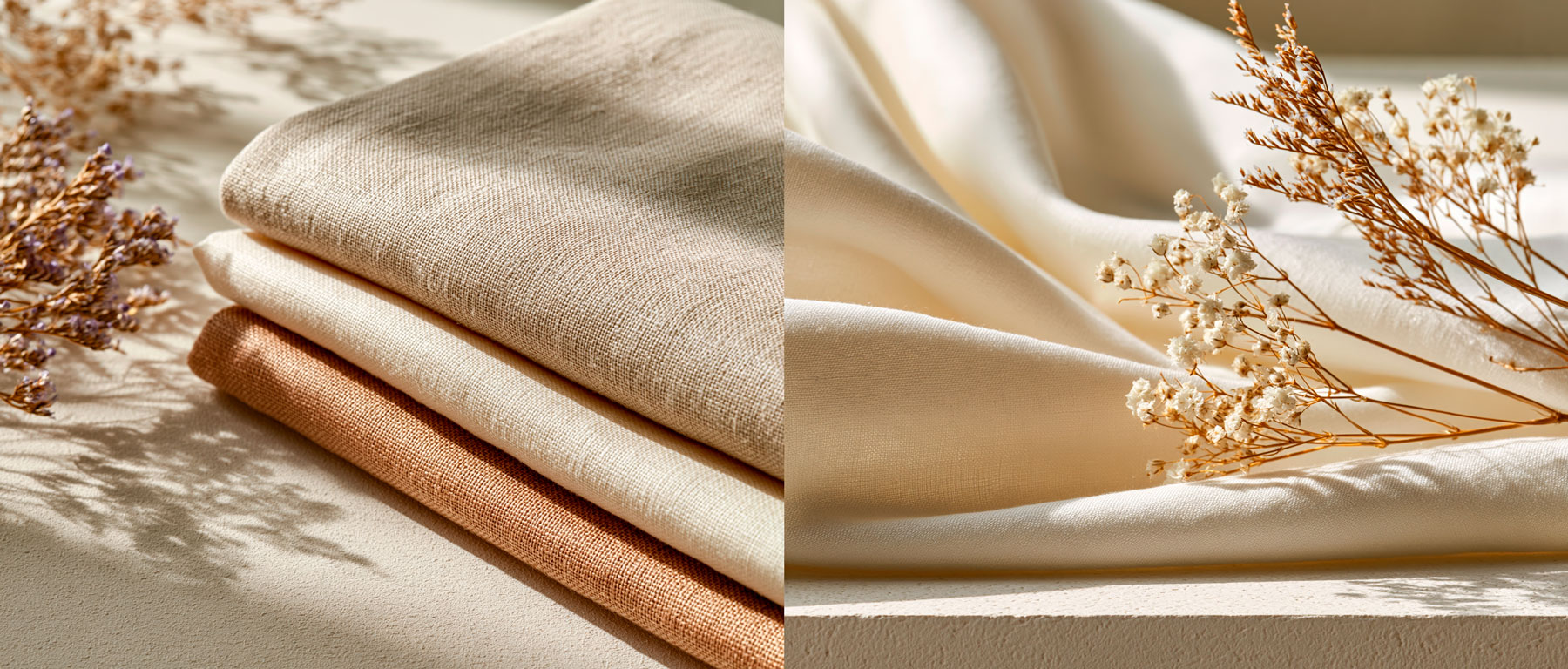
Linen vs Cotton: Which Fabric Should You Choose
A head-to-head comparison — breathability, drape, ease of sewing, cost, and care.
Read more
Summer Fabrics You Should Avoid
Polyester, acrylic, heavy denim — why they fail in summer heat and what to use instead.
Read more
Why Navy, White, and Linen Are the Colours of Summer
The history of the palette that never goes out of fashion.
Read more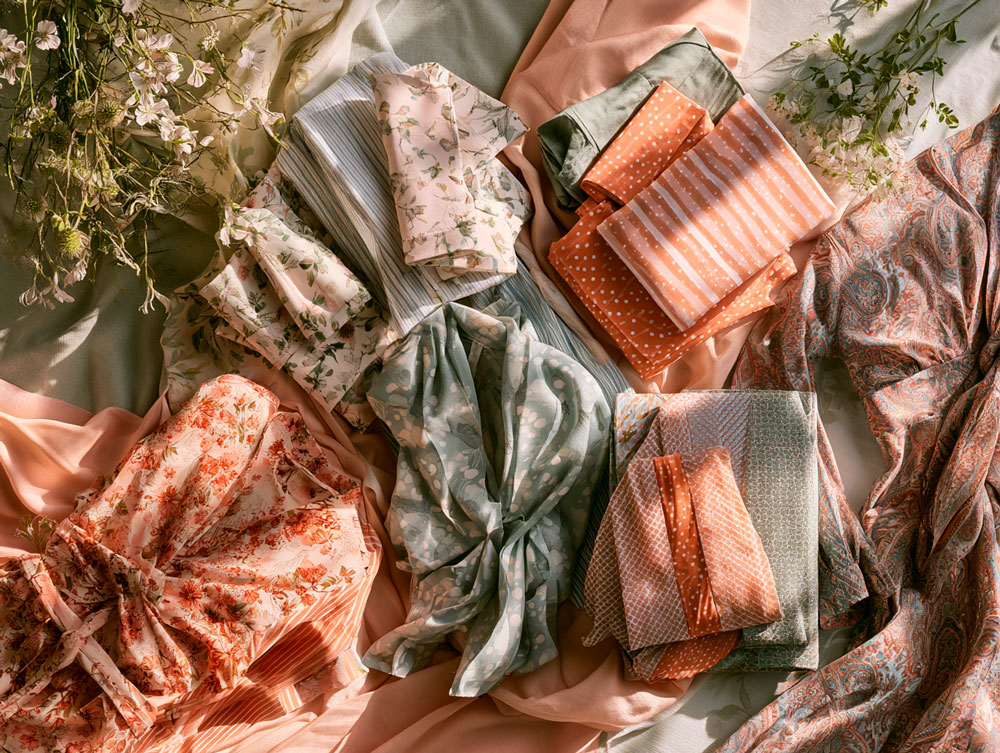
The Best Prints and Patterns for a Summer Dress
Florals, stripes, polka dots, geometrics — what each does and how to choose.
Read more
The Best Colours to Wear in Hot Weather
Why white reflects heat and what the research really shows about colour and heat.
Read more
Press to Impress
Pressing is what makes a finished dress look professional — whatever the fabric weight.
Read more