
Linen vs Cotton: Which Fabric Should You Choose for a Summer Dress?
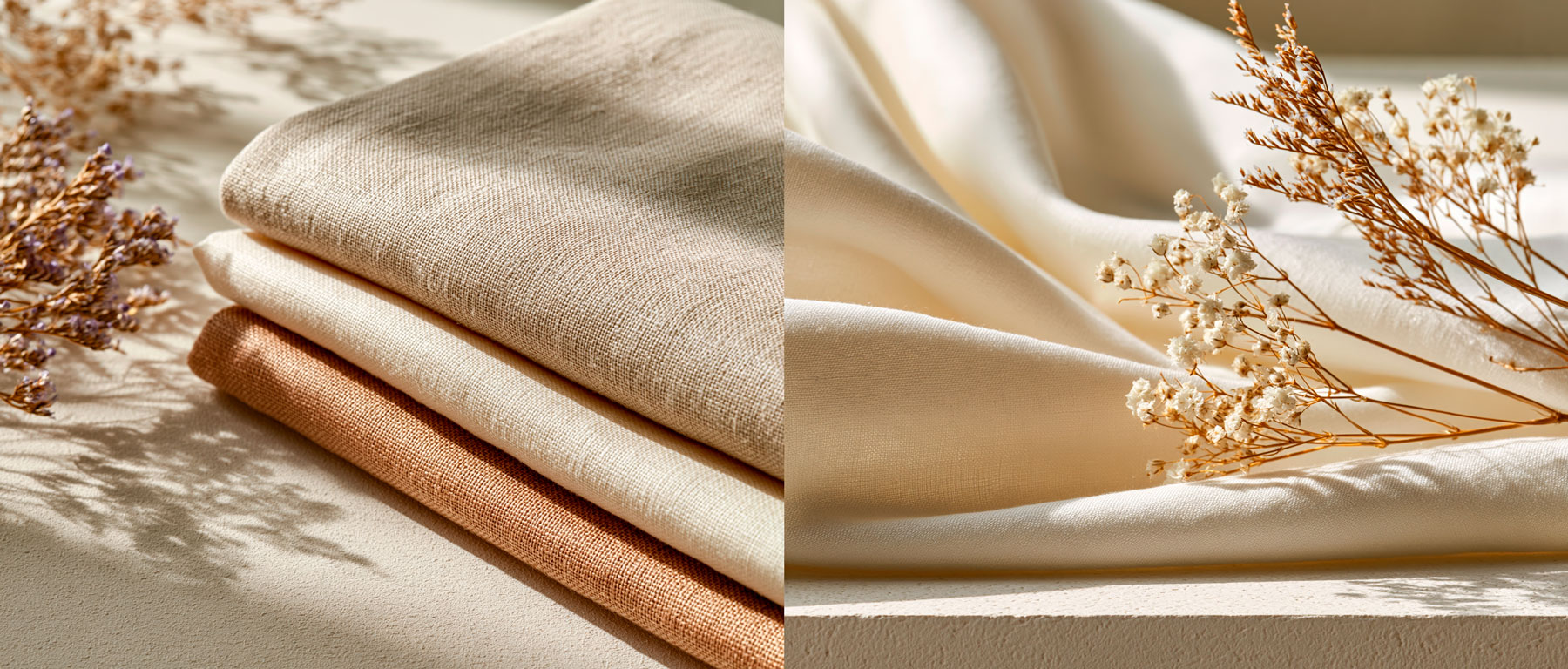
If you have ever stood in a fabric shop holding a piece of linen in one hand and a piece of cotton in the other, genuinely unsure which one to take to the cutting table, you are not alone. Both are natural fibres. Both are excellent summer fabrics. Both will produce a beautiful dress. And yet they are meaningfully different in ways that matter — for how the finished garment feels to wear, how it looks, how it behaves at the sewing machine, and how it ages over time.
This article goes through the comparison systematically, category by category, so that by the end you have a clear sense of which fabric is right for your next summer dress — and why.
Linen wins on breathability, structure, and longevity — the better choice for genuine heat, structured silhouettes, and garments meant to last. Cotton wins on ease of sewing, cost, and wrinkle-resistance — the better choice for beginners, fluid silhouettes, and budget-conscious projects. A linen-cotton blend (typically 55/45) gives you most of the benefits of both. Choose deliberately, not by default.
Linen
Hollow flax fibres. Breathes actively. Structured drape. Wrinkles beautifully. Lasts decades.
Cotton
Soft, dense fibres. Easy to sew. Fluid drape. Wrinkles less. Affordable and versatile.
The Fundamental Difference: Fibre Structure
Before the category comparisons, it helps to understand why these two fabrics differ. The answer is in the fibre.
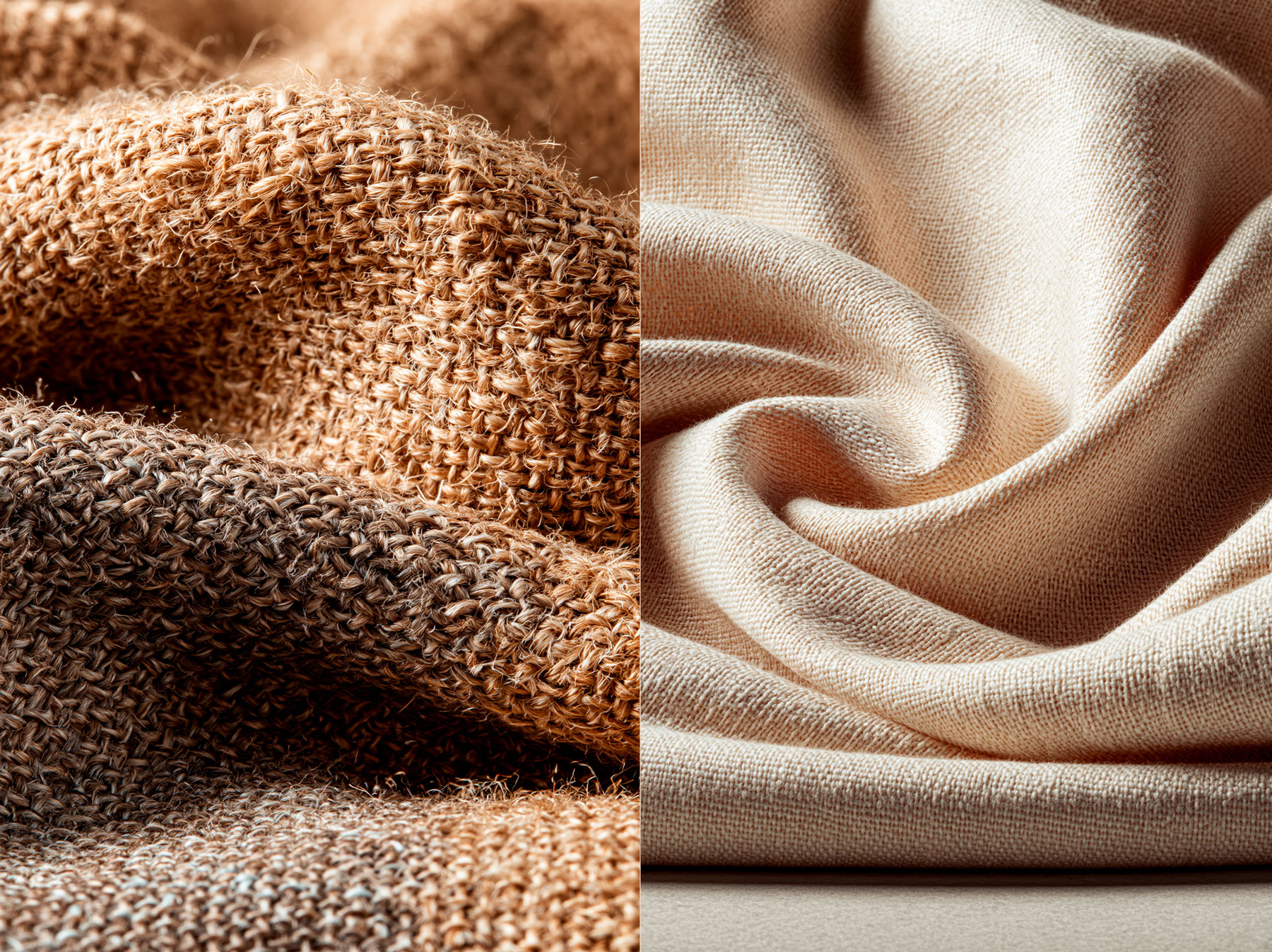
Linen is made from the fibres of the flax plant — long, relatively coarse fibres with a naturally hollow core. This hollow structure is the key to linen's thermal properties: air moves through the hollow fibres, which means linen allows heat to escape from the body actively rather than simply passively. It is the difference between a fabric that breathes and a fabric that ventilates.
Cotton fibres are shorter, rounder, and denser. They produce a fabric with a different weave structure — closer, softer, more uniform. Cotton is genuinely breathable by natural-fibre standards, but it does not have linen's open-fibre structure, which means its airflow is somewhat lower and its moisture management works differently.
Understanding this structural difference explains almost every other difference between the two fabrics.
Round 1
Breathability and Comfort in Heat
Linen wins clearlyFor hot weather, linen is the superior choice. Its open weave and hollow flax fibres allow significantly more airflow than cotton, and it releases moisture faster, keeping you cooler and drier. Even in still air, linen stays cool to the touch — a reason it has been favoured in dry, sunny climates for thousands of years.
Cotton is breathable and genuinely comfortable in warm weather, but it has a limitation in sustained heat: it absorbs moisture efficiently (up to 10% of its weight), but it releases that moisture more slowly than linen. The result in very hot or humid conditions is that cotton can feel damp and heavy — the familiar feeling of a cotton T-shirt that has absorbed sweat and is not drying. Linen wicks moisture away from the skin and releases it into the air more quickly, so it recovers faster and feels fresher throughout a long warm day.
 Round 2
Drape and Visual Effect
Depends on the silhouetteLinen and cotton drape differently, and understanding this difference is essential for choosing the right fabric for a specific pattern.
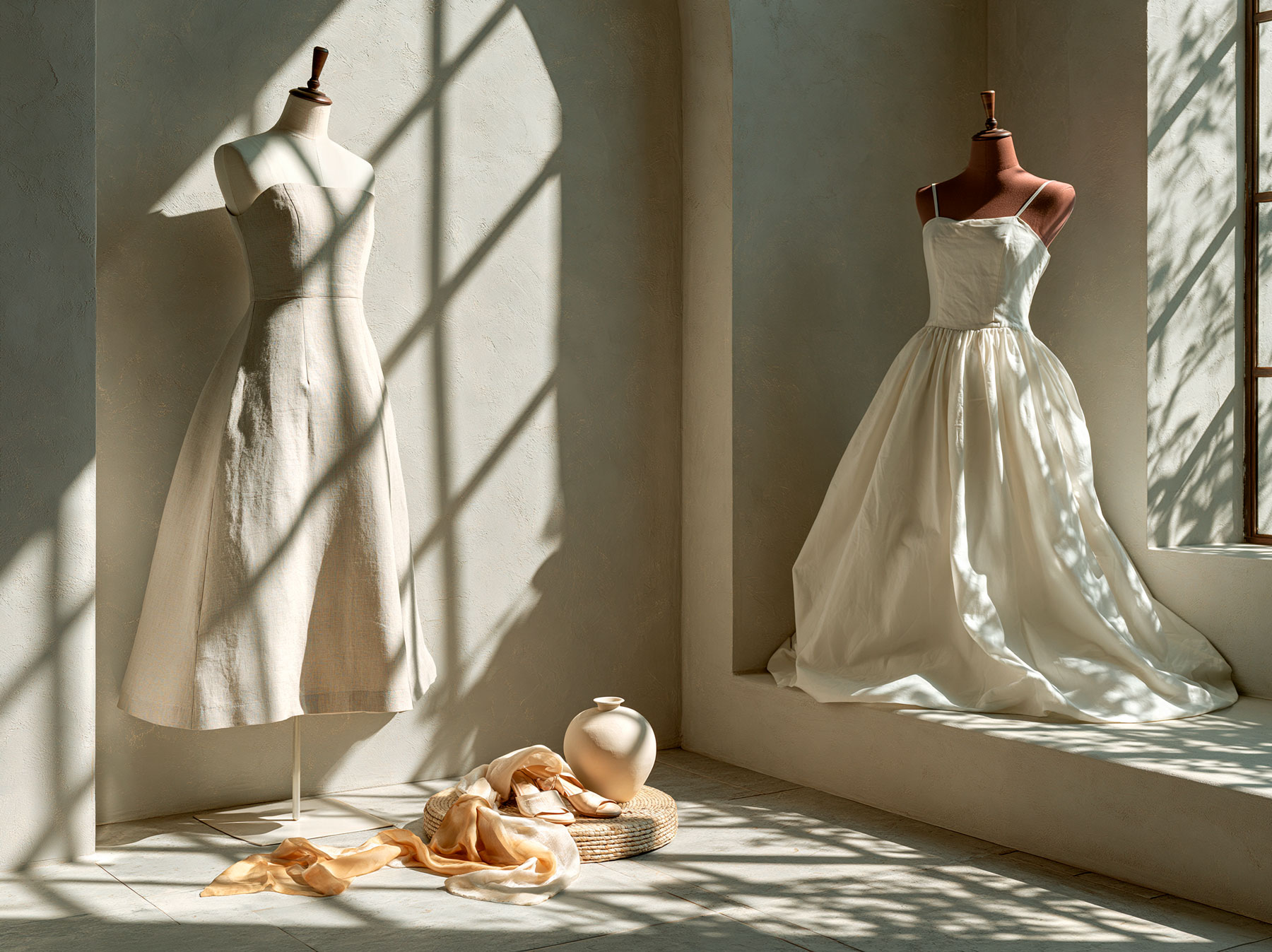
Linen has what sewists describe as a body — it holds its shape slightly, creates clean lines, and drapes with a certain crispness that reads as structured even when the garment is relaxed in silhouette. Linen frames the body; it gives the dress a presence. This is why linen works so well for wide-leg trousers, structured shirtdresses, and A-line silhouettes — the fabric contributes to the shape.
Cotton, particularly in its lighter weights, drapes more softly against the body and follows its movement. Cotton follows rather than frames. A lightweight cotton voile or cotton lawn in a gathered, full skirt will billow and float with movement in a way that linen will not. Cotton is the fabric for romantic, fluid, and gathered styles. Linen is the fabric for clean, structured, and effortless styles.
The Fabrico pattern you choose will often suggest which fabric is appropriate. Patterns with gathered skirts, smocking, or very fluid silhouettes typically work better in cotton or viscose. Patterns with straighter lines, defined seams, and relaxed-but-structured shapes work beautifully in linen.
Ease of Sewing
Cotton wins for beginnersCotton is the more forgiving fabric at the machine. It cuts cleanly, does not fray as aggressively as linen, pins and clips easily, and produces consistent seams without requiring specific techniques. For a beginner sewist, cotton is the fabric that will behave predictably and not introduce additional challenges to the learning process.
Linen requires a few specific considerations — all of which are easy to learn, but all of which matter:
- Pre-wash thoroughly. Linen can shrink by up to 10% on the first wash. Pre-washing before cutting is essential — otherwise the finished dress may be smaller than the pattern's intended size after its first launder.
- Finish all seam allowances immediately. Linen frays readily, more so than most cottons. After sewing each seam, finish the allowance with a zigzag stitch or serger before pressing. If you skip this step, the seam allowances will fray with washing and wear, which weakens the garment over time.
- Use a sharp needle — 80/12 or 90/14. A dull needle will snag linen's fibres and produce uneven stitching. Change your needle if you have been using it for a previous project.
- Press frequently and firmly. Linen responds beautifully to pressing — a well-pressed linen seam lies flat and stays flat. Press damp if possible; steam alone is less effective than a damp pressing cloth on linen.
- Cut on a single layer. Linen can shift slightly during cutting. Cut on a single layer rather than folded, and use weights or close-together pins to prevent movement.
None of these considerations makes linen difficult — they simply require a bit more attention than cotton. An intermediate sewist will find linen entirely manageable. A complete beginner may prefer to start with cotton and graduate to linen for a second or third project.
Round 4
The Wrinkle Question
Cotton wins on appearanceThis is the most discussed difference between the two fabrics, and also the most overstated.
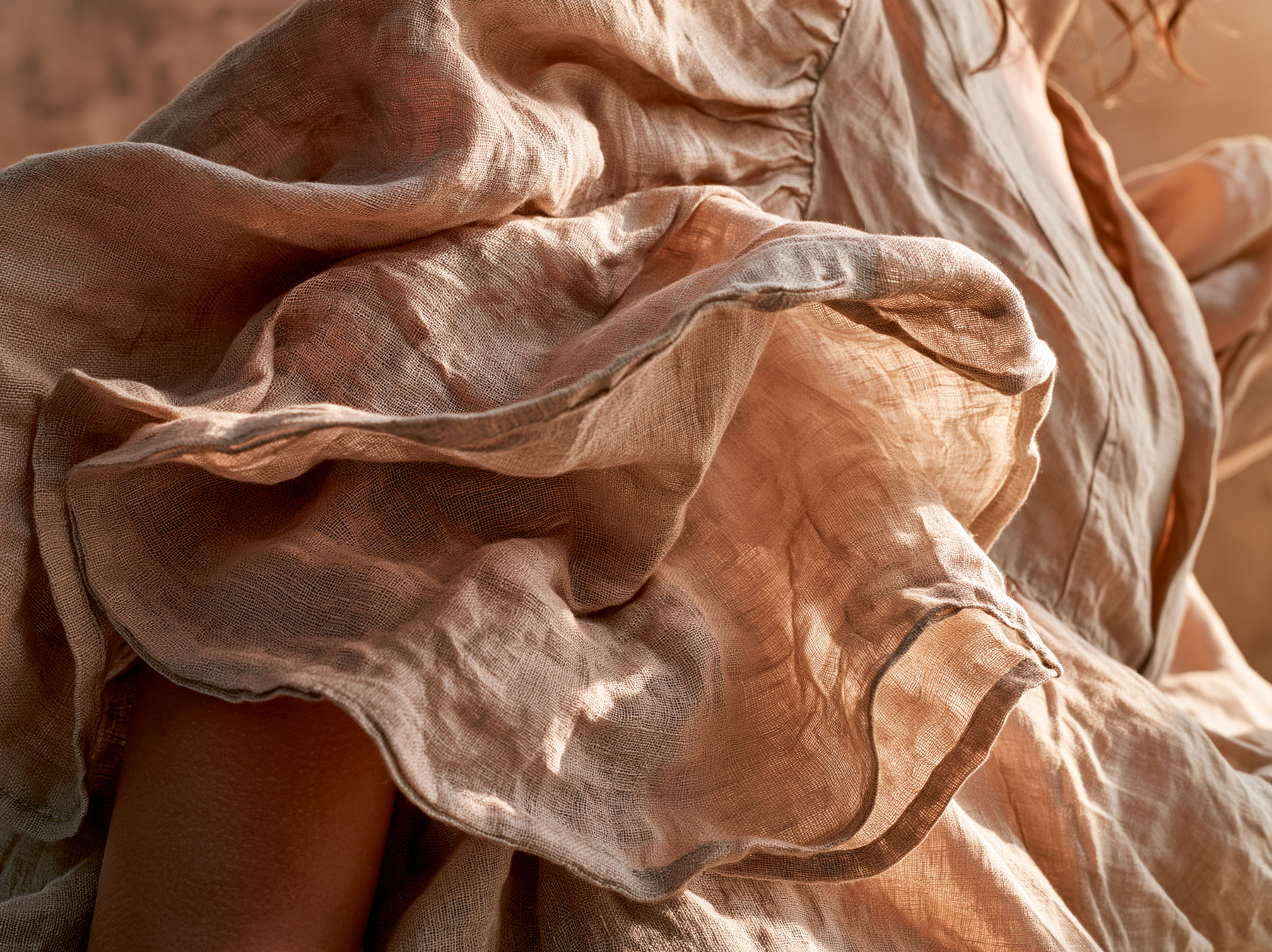
Linen wrinkles. It wrinkles in the wash, on the hanger, and during wear. This is a physical consequence of its fibre structure — the same structure that makes it breathable — and it cannot be designed out of the fabric without altering the properties that make it useful.
Cotton wrinkles less, particularly in heavier weights and blends. A mid-weight cotton in a structured weave (poplin, chambray) will hold its shape through a day of wear significantly better than linen.
The question to ask is not "will linen wrinkle?" (it will) but "does the wrinkle matter for this garment and this occasion?"
For a relaxed summer dress, linen's natural wrinkling is not a flaw. It is the visual quality that gives linen its characteristic effortless appeal — the slightly rumpled, lived-in look reads as ease, not carelessness.
For a structured occasion dress that needs to look sharp through an entire evening, cotton or a linen-cotton blend is a more practical choice. Pure linen will wrinkle significantly through a few hours of sitting and movement and will need pressing again if a very crisp appearance is required.
 Round 5
Durability and Longevity
Linen wins decisivelyLinen fibres are among the strongest natural fibres — stronger than cotton by a significant margin. A linen garment that is cared for properly will outlast a cotton equivalent many times over.
More specifically: linen gets better with age. Unlike cotton, which can thin and weaken with repeated washing, linen softens and develops a more beautiful drape with every wash, while retaining its structural integrity. A well-made linen dress, properly cared for, can last decades.
This durability has a cost implication: linen is more expensive per metre than equivalent cotton. The cost difference varies significantly — linen can be two to four times the price of comparable cotton — but given linen's longevity, the cost-per-wear over time is often lower than it appears at the point of purchase.
Round 6Care Requirements
Cotton is easierCotton can generally be machine-washed and tumble-dried without specific precautions. Most dress-weight cottons are colourfast, pre-shrunk if purchased from a reputable supplier, and comfortable with regular washing. Care is uncomplicated.
Linen is somewhat more particular:
- Wash at 30–40°C on a gentle cycle. Linen that has been pre-washed before cutting is unlikely to shrink further, but high temperatures can still affect colour intensity.
- Air dry when possible or tumble dry briefly on low heat. Over-drying can make linen stiff.
- Iron while damp for the flattest result — or embrace the natural wrinkle aesthetic and skip the iron entirely.
- Do not use fabric softener — it coats the fibres and reduces linen's natural breathability and absorbency over time.
Neither fabric requires dry cleaning for standard summer dresses.
Round 7Cost
Cotton wins on priceCotton is produced globally on a vast scale, which keeps its price accessible. For a standard dress-weight cotton, you might pay €5–10 per metre at a good fabric retailer. Cotton prints, voiles, and lawns in this range are widely available and of perfectly good quality for dressmaking.
Linen is more expensive — typically €10–25 per metre for dress-weight linen of good quality, sometimes more for fine or printed linen. This is a reflection of the more labour-intensive production process, from growing flax to spinning and weaving the fibre.
For a first summer dress project, where the primary goal is learning the pattern and the construction, cotton makes more financial sense — a mistake in cotton is less costly than a mistake in linen. For a garment you plan to make and wear for many years, linen's durability may justify its higher initial cost.
The Verdict: When to Choose Each
After seven rounds, the honest answer is that neither fabric is objectively better — they are simply suited to different projects and priorities. Here is the decision framework:
For genuine heat, longevity, and structure
- Breathability in real heat is the priority
- You want a structured, clean silhouette
- The garment should last many years
- You're making for a hot, dry climate
- You love the slightly rumpled, elegant aesthetic
For ease, fluidity, and value
- You're a beginner and want forgiving fabric
- You want soft, instant comfort from day one
- The pattern has gathering, smocking, or fluid lines
- Budget is a real consideration
- You want the widest range of prints and colours
For the best of both
- You want linen's thermal feel with less wrinkling
- It's your first linen-adjacent project
- You want the linen aesthetic at a lower price
- The garment needs to look sharp through a day
Frequently Asked Questions
Is linen or cotton cooler in hot weather?
Linen is technically cooler than cotton in genuine heat. Its hollow flax fibres allow significantly more airflow than cotton's denser fibre structure, and it releases moisture faster — keeping you cooler and drier in sustained heat. Cotton is breathable but absorbs and releases moisture more slowly, which can feel damp in very hot or humid conditions. For outdoor wear in real summer heat (above 28°C), linen is the better choice. For everyday summer wear in mild temperatures or air-conditioned environments, either works equally well.
Which is easier to sew, linen or cotton?
Cotton is easier — particularly for beginners. It cuts cleanly, frays less aggressively than linen, pins and clips easily, and produces consistent seams without special techniques. Linen is entirely manageable but requires a few specific habits: pre-wash thoroughly before cutting (linen can shrink up to 10%), finish all seam allowances immediately to prevent fraying, use a sharp 80/12 or 90/14 needle, and cut on a single layer rather than folded to prevent shifting. For a first sewing project, cotton; for a second or third project, linen is comfortable to work with.
Does linen really wrinkle more than cotton?
Yes — linen wrinkles considerably more than cotton, and this is a physical consequence of its fibre structure. The same hollow fibres that make linen breathable also make it crease easily. Cotton, particularly in heavier weights and tighter weaves (poplin, chambray), holds its shape through a day of wear significantly better. The question is whether wrinkling matters for the garment you're making — for a relaxed summer dress, linen's natural creasing reads as effortless rather than unkempt. For a structured occasion dress, cotton or a linen-cotton blend is more practical.
Which lasts longer, linen or cotton?
Linen lasts significantly longer. Linen fibres are among the strongest natural fibres — stronger than cotton by a significant margin. A linen garment cared for properly can last decades, and importantly it improves with age — linen softens and develops a more beautiful drape with every wash. Cotton can thin and weaken with repeated washing. This means that despite linen's higher upfront cost, its cost-per-wear over time is often lower than cotton.
Is linen worth the higher cost?
Linen is typically two to four times the price of comparable cotton — €10-25 per metre for dress-weight linen versus €5-10 for cotton. Whether it's worth the cost depends on the project: for a learning project or first sewing attempt, cotton is more sensible because a mistake costs less. For a garment you plan to make and wear for many years, linen's durability and improving aesthetic over time often justify the higher initial cost. A linen-cotton blend (typically 55% linen, 45% cotton) is a middle ground that gives most of linen's properties at a slightly lower price.
What is a linen-cotton blend, and is it worth choosing?
A linen-cotton blend is a fabric woven from both fibres, typically 55% linen and 45% cotton. It combines linen's breathability and natural texture with cotton's softness and reduced-wrinkling — sewing more like cotton, pressing well, and holding its shape better than pure linen. It's an excellent compromise: most of linen's thermal benefits with less of its high-maintenance behaviour. For a first attempt at sewing with linen, or for an everyday summer dress where you want linen's look without its wrinkling, a blend is often the most practical choice.
Which fabric is better for a beginner sewist?
Cotton is significantly more beginner-friendly. It behaves predictably at the machine, doesn't fray aggressively, doesn't shift during cutting, and forgives small construction mistakes. Linen requires a few specific habits (pre-washing, immediate seam finishing, sharp needle, single-layer cutting) that are easy to learn but add complexity to a first project. Start with cotton for your first one or two summer dresses, then move to a linen-cotton blend or pure linen once you're comfortable with the pattern and basic construction.
Patterns that work in both
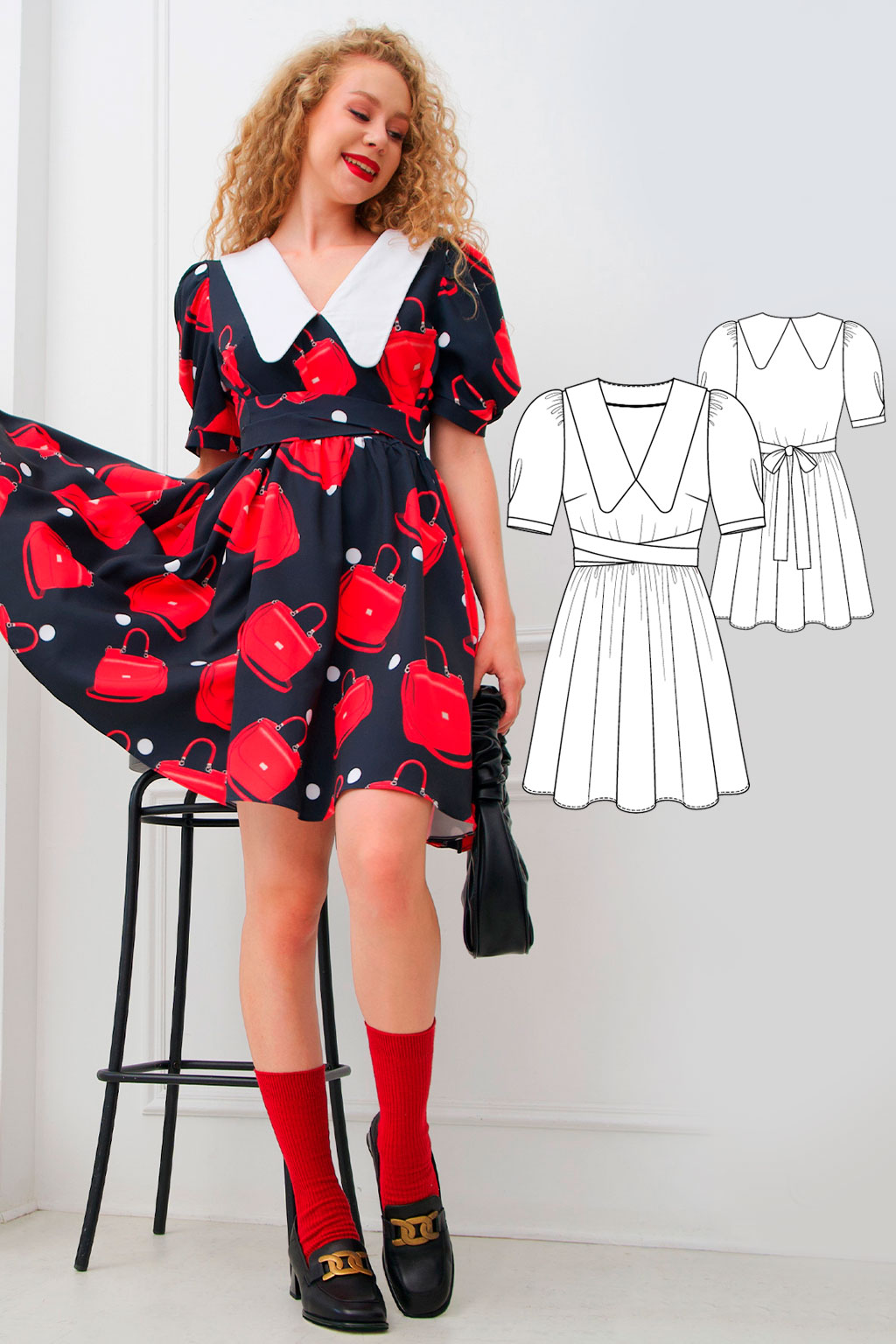
Victoria V-neck dress
from 3,99 €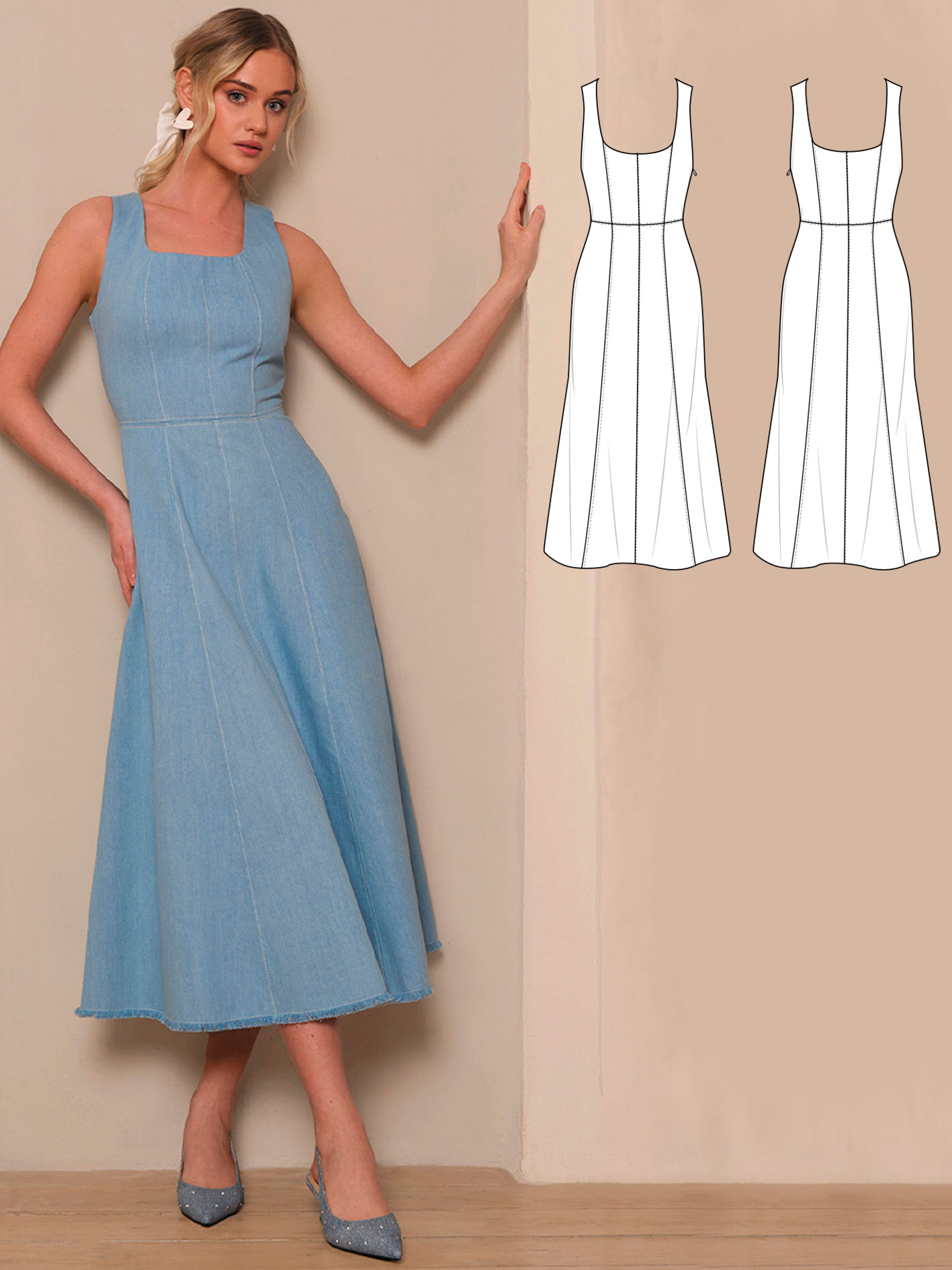
Margaret dress
from 3,99 €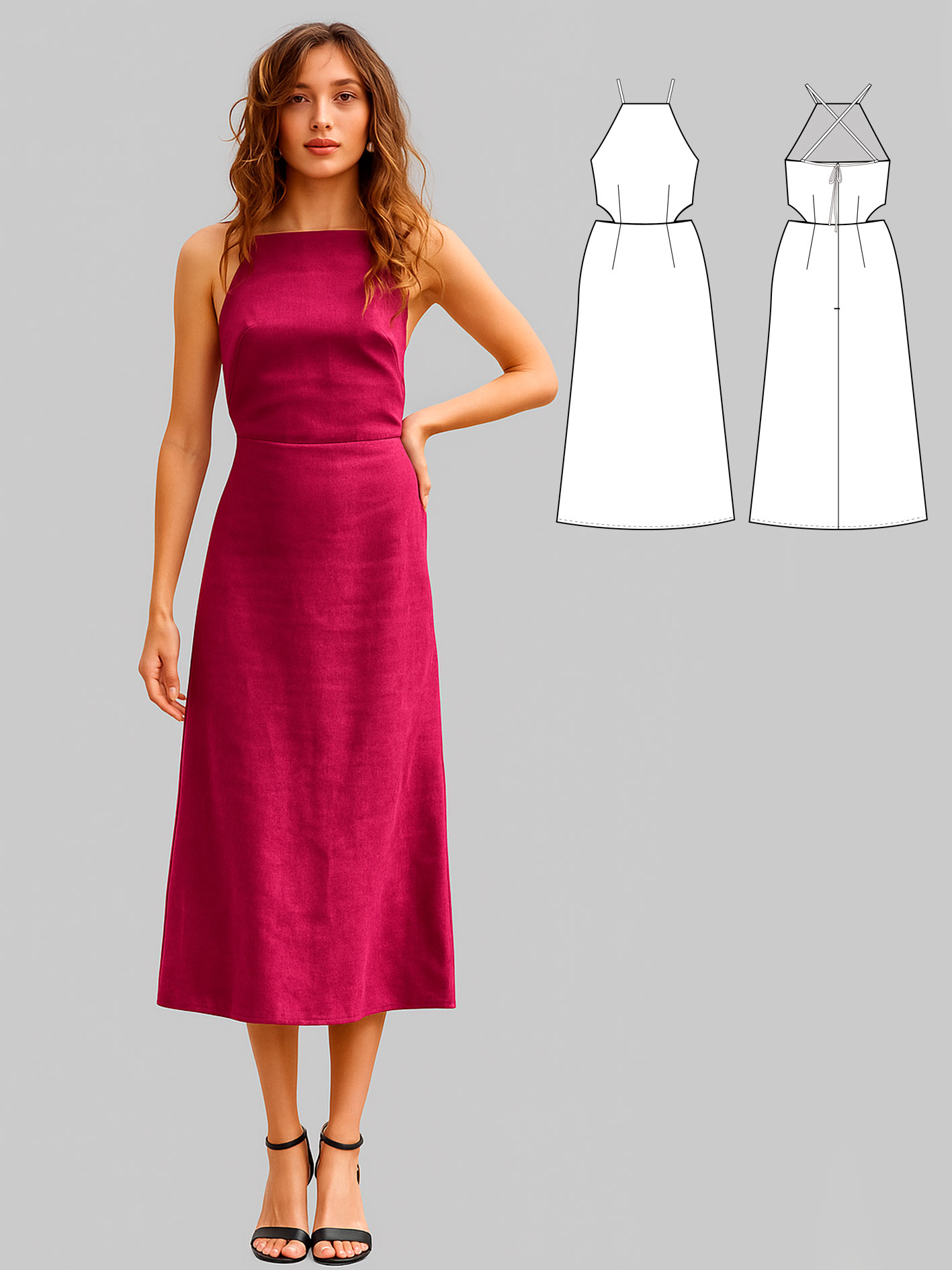
Muffin sundress
from 4,50 €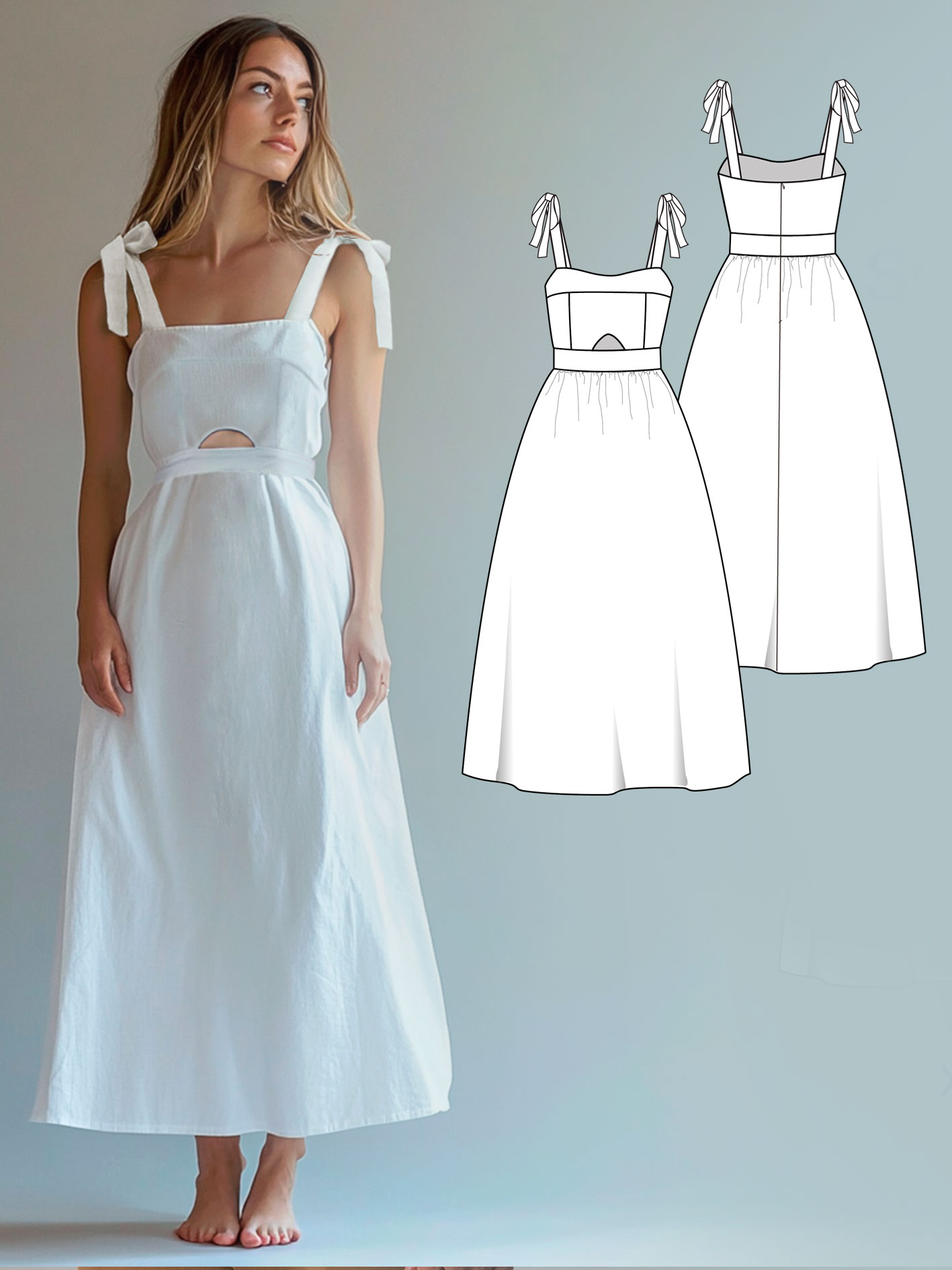
Vanilla sundress
from 4,50 €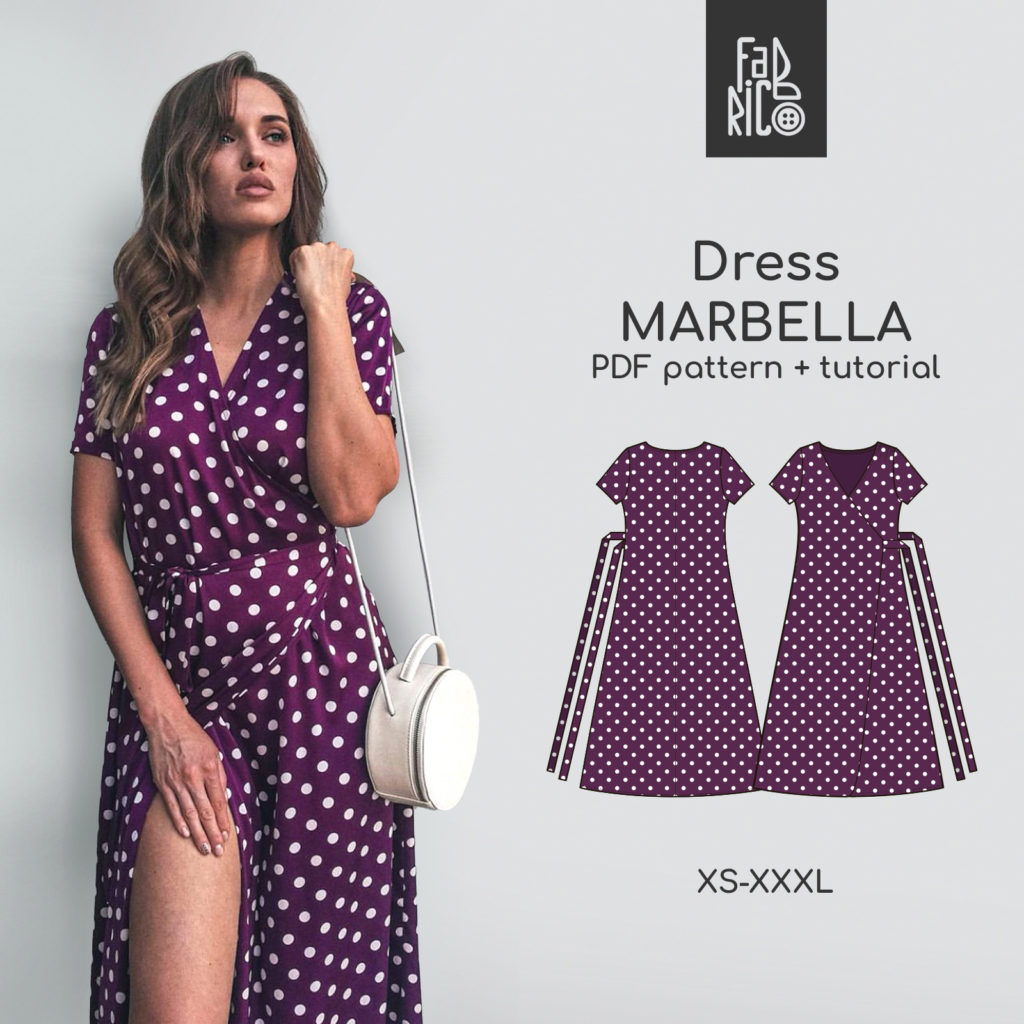
Marbella wrap dress
from 4,50 €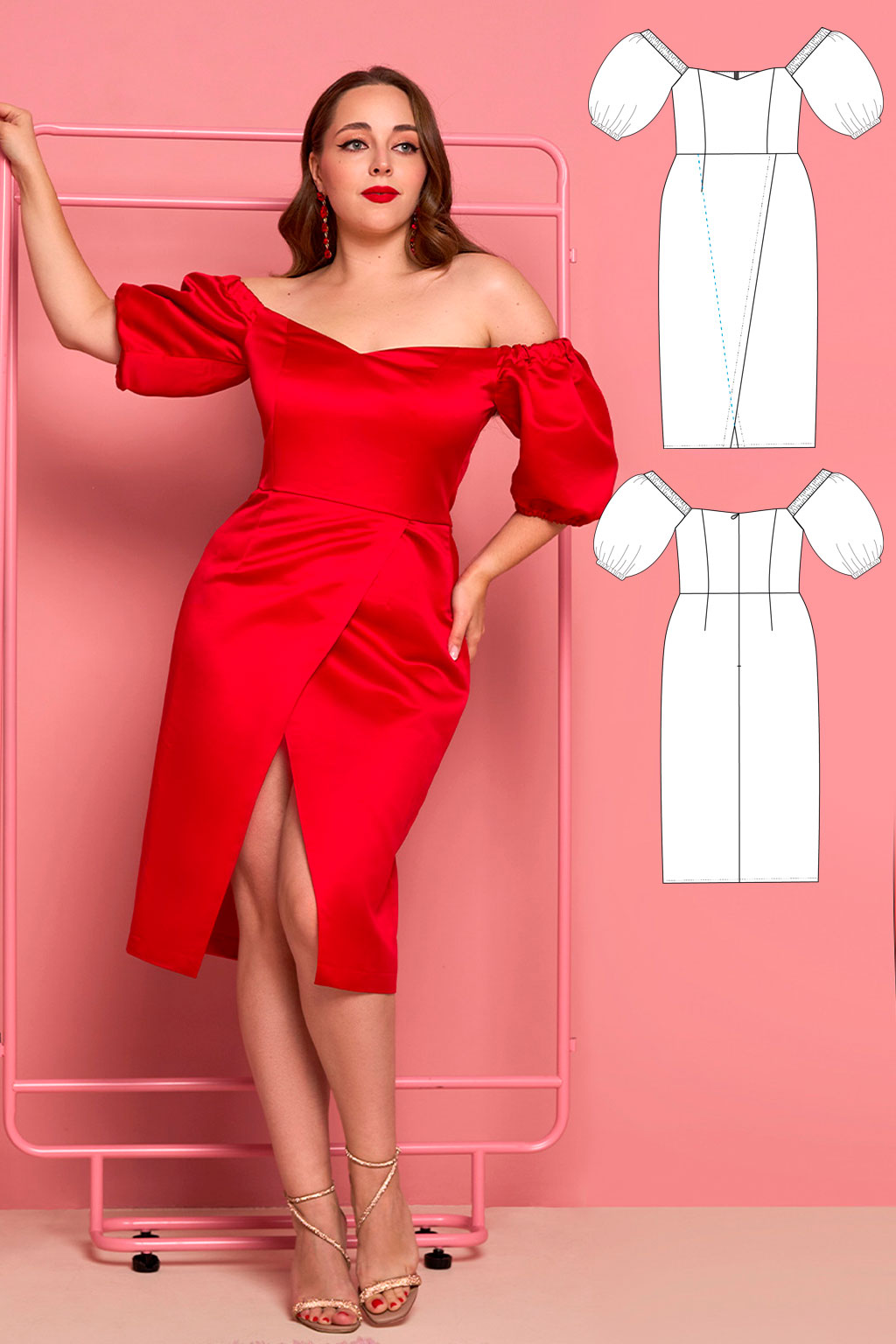
Vivien party dress
from 4,50 €Keep reading
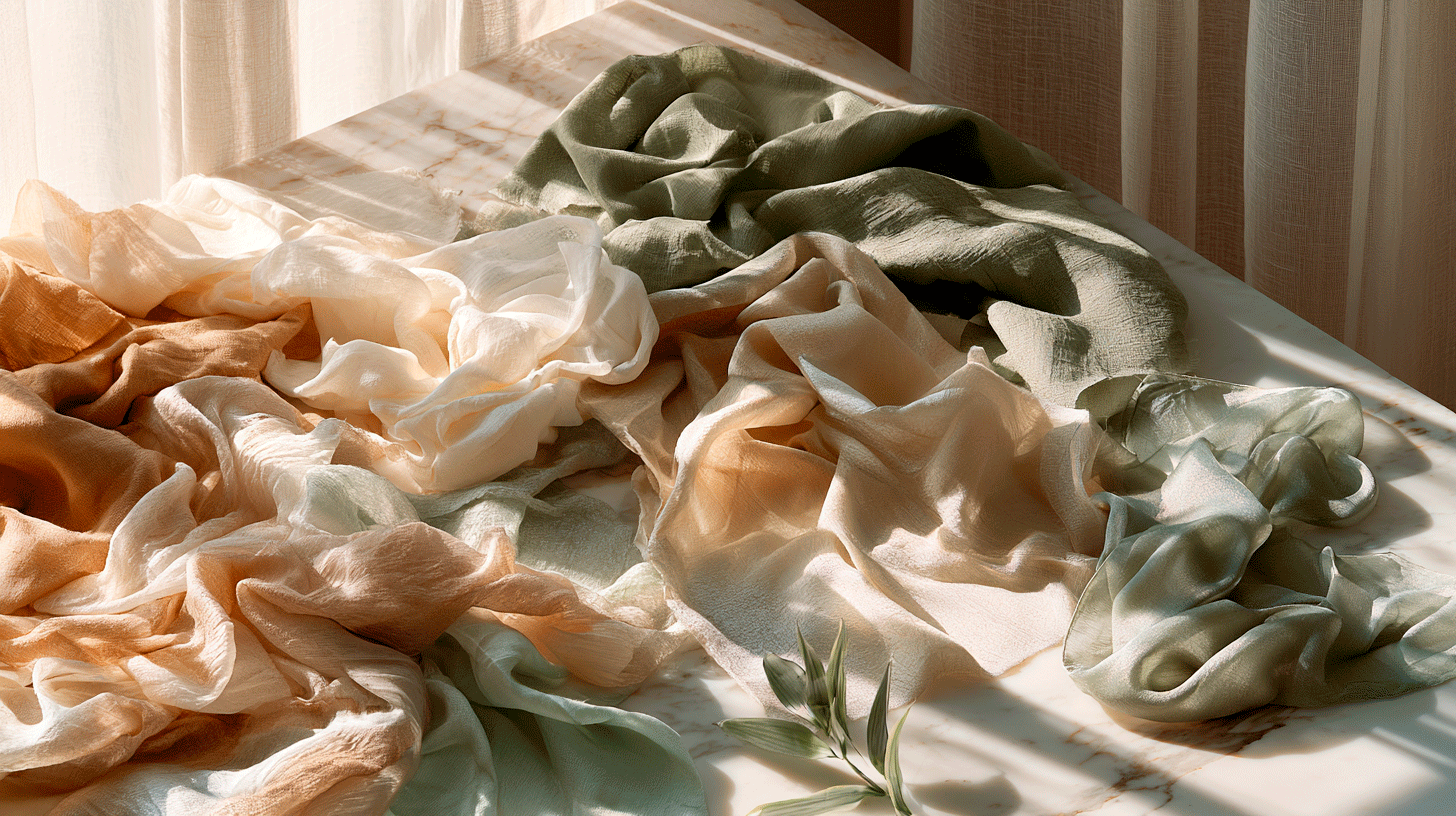
Summer Fabrics You Should Avoid
An honest guide to the fabrics that make you uncomfortable in heat — and the natural alternatives that actually work.
Read more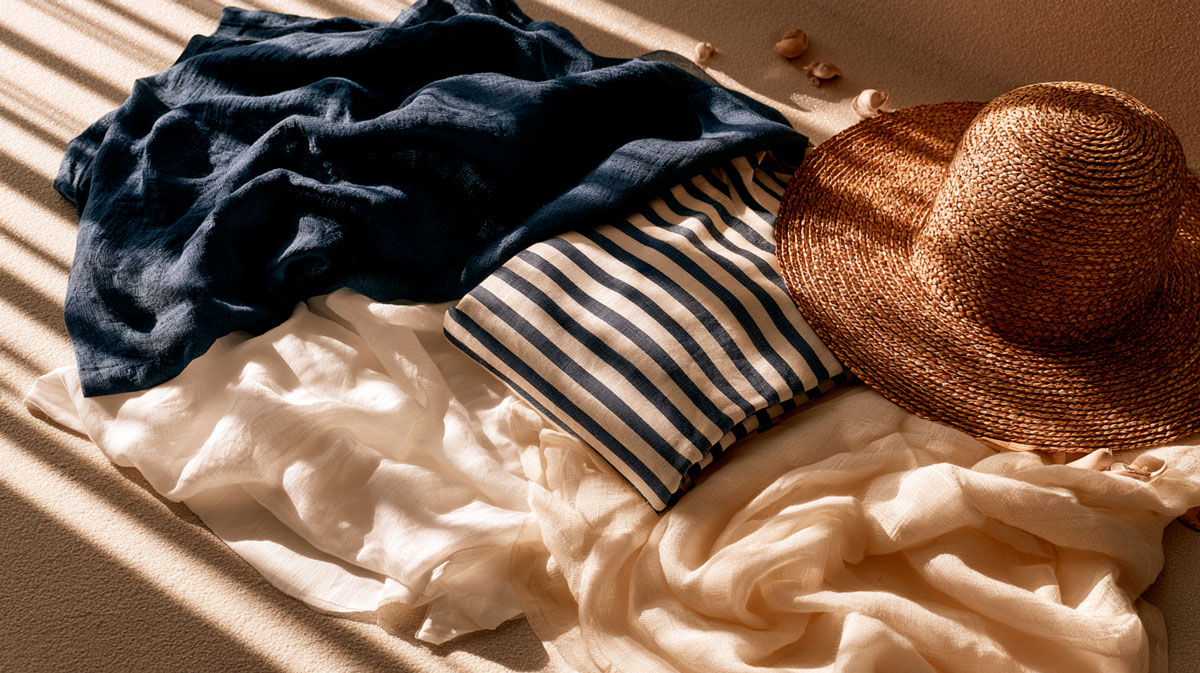
Why Navy, White, and Linen Are the Colours of Summer
The history of the palette that never goes out of fashion — from Royal Navy uniforms to Coco Chanel.
Read more
The Best Colours to Wear in Hot Weather
Why white reflects heat, why black is more complicated, and what the research really shows.
Read more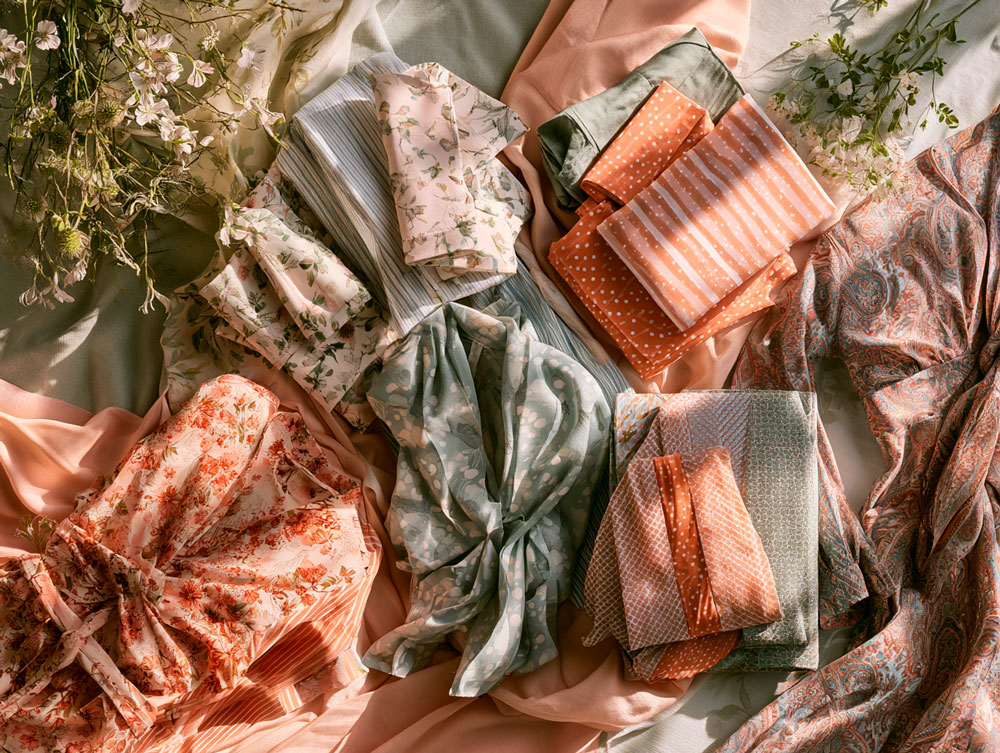
The Best Prints and Patterns for a Summer Dress
Florals, stripes, polka dots, geometrics — what each does, and how to choose well.
Read more
Press to Impress
Pressing matters for both linen and cotton — here's how to do it properly.
Read more
Colour Blocking for Home Sewers
How to combine two fabrics in one dress — linen and cotton together work beautifully.
Read more