So You Want to Sew? The Ultimate Beginner's Guide to Starting Your Sewing Journey
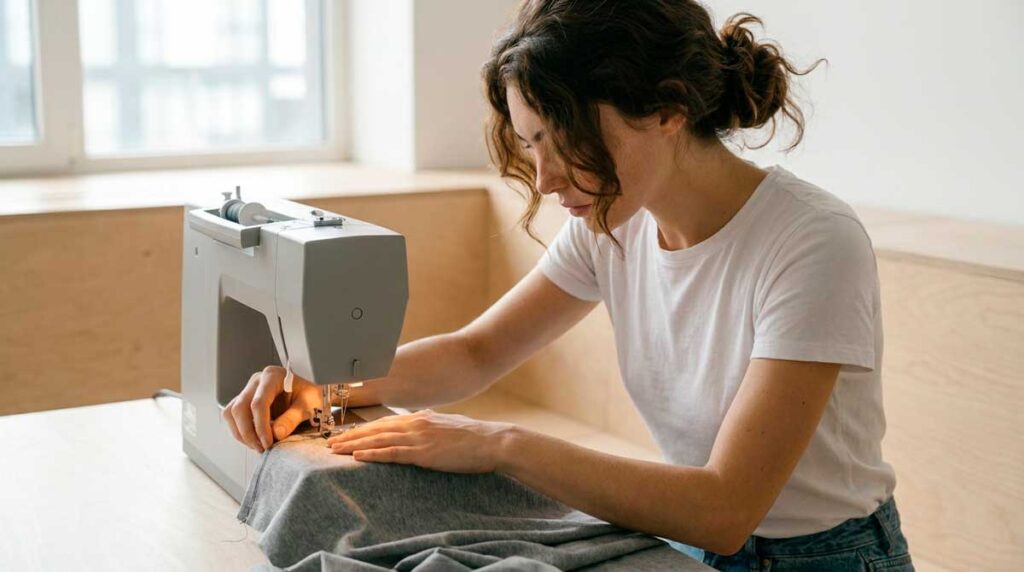
Have you ever found yourself scrolling through Pinterest, admiring beautiful handmade dresses, cosy quilts, or adorable plush toys, and thinking, "I wish I could make that!"? If so, you're not alone.
Sewing is an incredibly rewarding hobby — but knowing where to start can feel overwhelming. Whether you dream of making your own clothes, crafting unique home decor, or just mastering the basics, this guide will help you take your first steps into the world of sewing, one stitch at a time.
You don't need much to begin: a basic machine, sharp scissors, pins, a tape measure, a seam ripper, beginner-friendly fabric, and good thread. Get to know your machine, start with small projects (a drawstring bag, a pillowcase), stick to stable fabrics like cotton and linen, and practise often. Sewing is a skill — and like every skill, it rewards patience far more than perfection.
Start with the Basics — What You Need
Before you dive into stitching, let's talk about the essential tools and materials. You don't need to buy everything at once, but having the right basics will make your learning experience much smoother.
- Sewing machine — a basic, beginner-friendly model is all you need. Look for one with straight stitch and zigzag options.
- Fabric scissors — invest in a good pair that you use only for fabric.
- Pins and needles — essential for holding fabric together and for hand-sewing details.
- Measuring tape — precision is key in sewing.
- Seam ripper — mistakes happen, and this little tool will save you a lot of frustration.
- Fabric — start with easy-to-handle fabrics like cotton or linen.
- Thread — stick to high-quality polyester or cotton thread for the best results.
Get to Know Your Sewing Machine
If you have a sewing machine but don't know how to use it, don't worry. Every machine comes with a manual — read it. If that feels too daunting, search for a YouTube tutorial specific to your model.
Here are a few key things to practise:
- Threading the machine — both the top thread and the bobbin.
- Adjusting stitch length and tension — start with the standard settings and adjust as needed.
- Practising straight lines — use lined paper (without thread in the needle) to get comfortable guiding fabric evenly.
- Backstitching — this reinforces the beginning and end of seams.
Once you've mastered these basics, you'll feel much more confident tackling small projects.
Start with Simple Projects
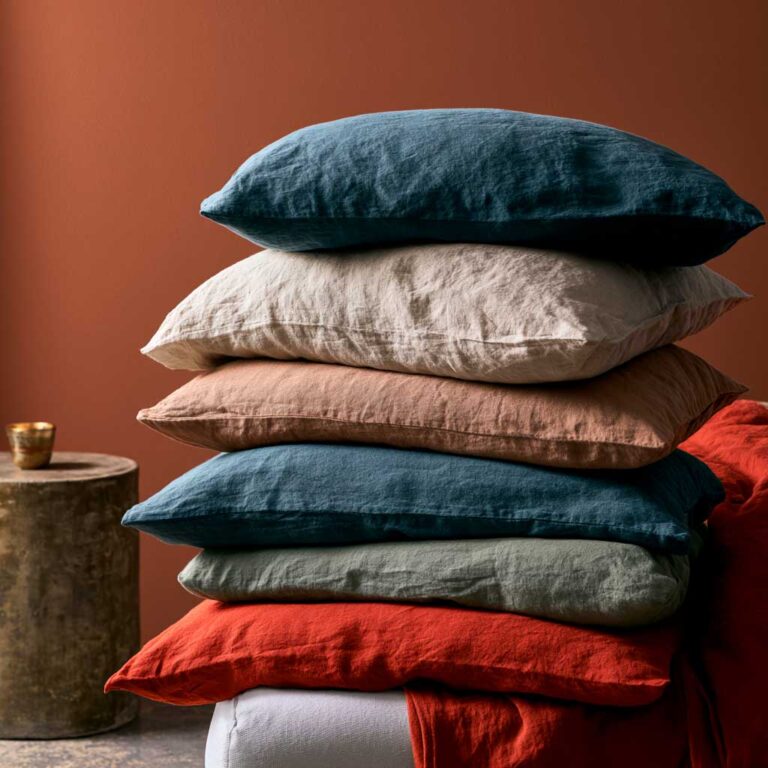
Jumping into complex garments right away can be discouraging. Instead, begin with simple, beginner-friendly projects. A few ideas:
- A drawstring bag — perfect for practising straight stitches and handling fabric.
- A pillowcase — easy, practical, and great for understanding seam allowances.
- A tote bag — teaches you basic construction and adding straps.
- Scrunchies — a fun way to practise sewing elastic into fabric.
These small wins will boost your confidence and help you develop essential sewing skills.
Learn About Fabric
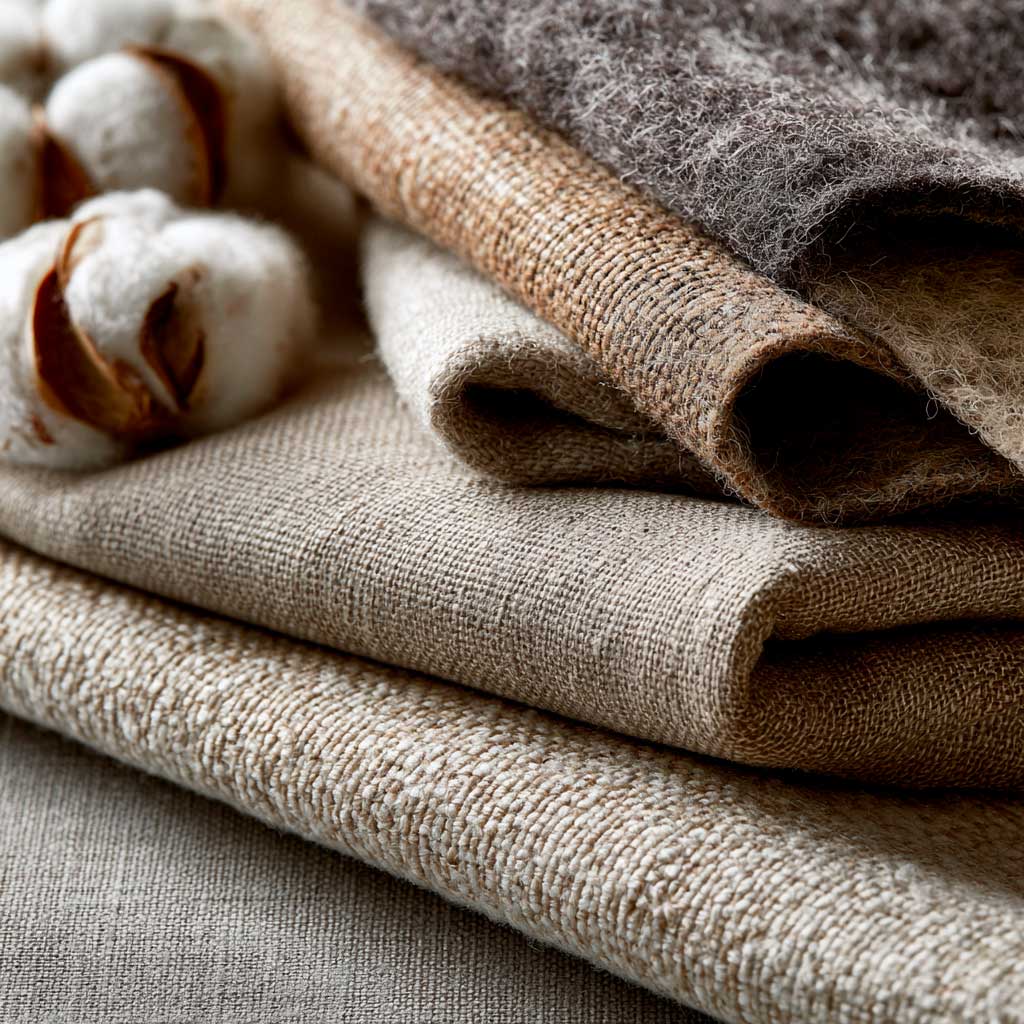
Not all fabrics are created equal, and some are trickier to work with than others. As a beginner, it's best to stick to stable, non-stretchy fabrics:
| Fabric | Why it's beginner-friendly |
|---|---|
| Cotton (quilting cotton or poplin) | Easy to sew, iron, and cut. The most forgiving place to start. |
| Linen | A little more textured, but still beginner-friendly and breathable. |
| Felt | Doesn't fray, holds its shape, and is great for crafting. |
Understanding Patterns and Instructions
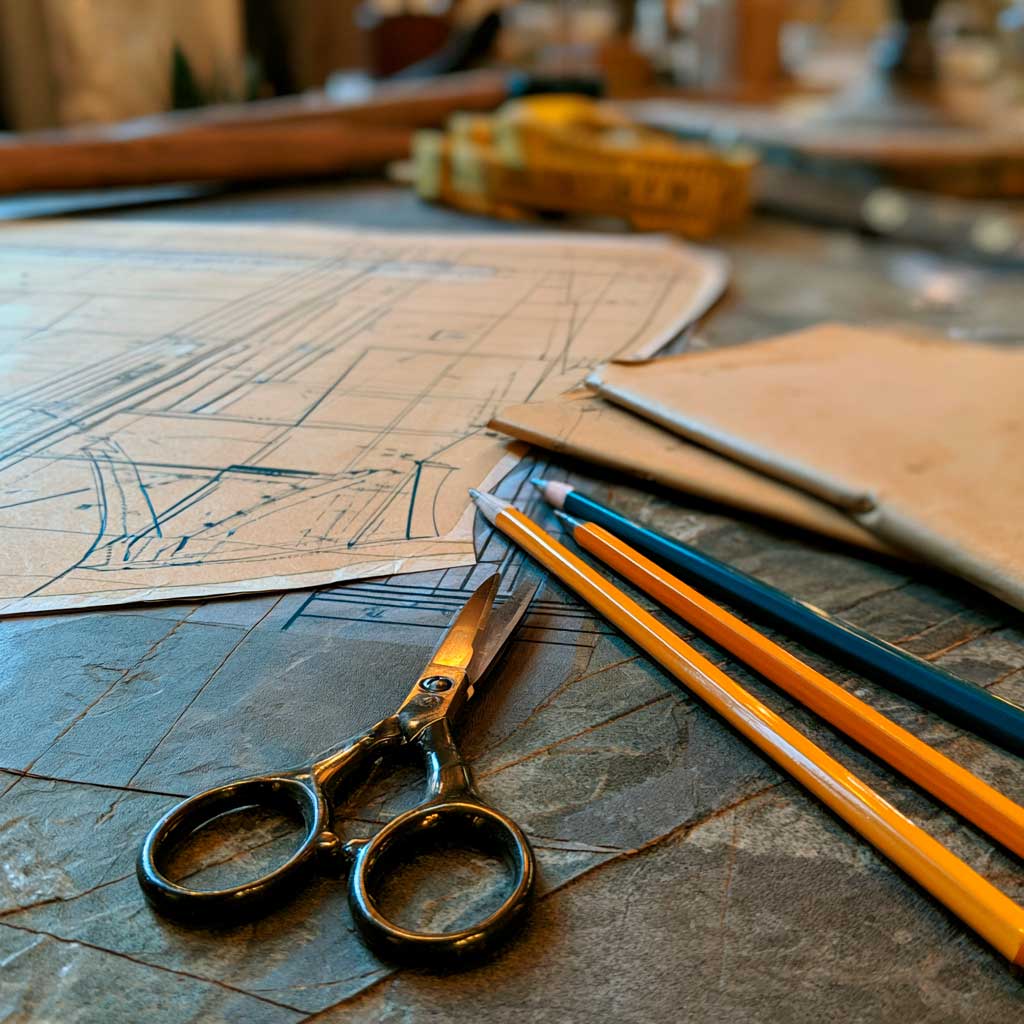
Sewing patterns can look intimidating at first, but they're actually your best friend. Start with beginner-friendly patterns labelled "easy" or "beginner." A few tips for reading them:
- Always check the fabric recommendations — some designs won't work with the wrong material.
- Follow the cutting layout to avoid wasting fabric.
- Mark notches and darts carefully — they help with assembling the pieces.
- Don't skip seam allowances (usually 1 cm / ⅜–½", unless specified otherwise).
Practice, Practice, Practice!
Sewing is like any other skill — the more you do it, the better you get. Don't be discouraged if your first projects don't turn out perfectly. Mistakes are part of the learning process. Some ways to practise and stay motivated:
- Join a sewing community (online or local) to connect with other beginners.
- Follow sewing blogs and YouTube channels for inspiration.
- Try upcycling old clothes to practise stitching without buying fabric.
- Keep a scrap bin to test stitches before working on a real project.
Move On to Bigger Projects
Once you feel comfortable with straight lines, seams, and basic construction, you can start working on more exciting projects. Some great next steps:
- Simple skirts or pyjama pants — teaches you about fitting and hemming.
- Zipper pouches — helps you learn how to install zips.
- Aprons — a great way to practise adding pockets and straps.
With time, you'll gain the confidence to tackle more complex garments like dresses, jackets, and even custom designs.
Final Thoughts: Enjoy the Process
Sewing is a journey, and every stitch you make brings you closer to mastering the skill. Don't rush — enjoy the process, celebrate small victories, and most importantly, have fun. Whether you dream of making your own wardrobe, crafting gifts, or simply enjoying the creative process, sewing is a wonderful skill that will bring you joy for years to come.
So, what are you waiting for? Grab that fabric, thread that machine, and start sewing today. Happy stitching! ✂️
Frequently Asked Questions
What do I need to start sewing as a beginner?
To start sewing you need a basic sewing machine (with straight and zigzag stitches), fabric scissors used only on fabric, pins and needles, a measuring tape, a seam ripper, beginner-friendly fabric like cotton or linen, and good-quality polyester or cotton thread. You don't need to buy everything at once — these basics are enough to begin.
What is the easiest thing to sew first?
The easiest first sewing projects are a drawstring bag (great for practising straight stitches), a pillowcase (good for understanding seam allowances), a tote bag (teaches basic construction and straps), and scrunchies (a fun way to practise sewing elastic). These small wins build confidence before you move on to garments.
What is the best fabric for a beginner to sew?
The best beginner fabrics are stable, non-stretchy ones: quilting cotton or poplin (easy to sew, iron, and cut), linen (slightly textured but still friendly), and felt (doesn't fray, great for crafting). Avoid slippery fabrics like satin, stretchy ones like jersey, and thick ones like denim until you have more experience.
How do I learn to use my sewing machine?
Start by reading your machine's manual, or find a YouTube tutorial for your specific model. Practise threading the machine (top thread and bobbin), adjusting stitch length and tension, sewing straight lines (try lined paper with no thread to guide fabric evenly), and backstitching to reinforce the start and end of seams.
How do I read a sewing pattern as a beginner?
Start with patterns labelled "easy" or "beginner." Always check the fabric recommendations, follow the cutting layout to avoid wasting fabric, mark notches and darts carefully to help assembly, and don't skip the seam allowances (usually 1 cm / ⅜–½ inch unless specified). A pattern with a video tutorial is far easier to follow than written instructions alone.
Is sewing hard to learn?
Sewing is a skill like any other — the more you practise, the better you get. It isn't as hard as it looks if you start with simple projects and beginner-friendly fabrics. Mistakes are part of the process; that's what the seam ripper is for. Most beginners find their confidence grows quickly after their first few small projects.
What should I sew after I've learned the basics?
Once you're comfortable with straight lines, seams, and basic construction, good next steps are simple skirts or pyjama pants (which teach fitting and hemming), zipper pouches (which teach installing zips), and aprons (which teach pockets and straps). From there you can progress to dresses and more complex garments.
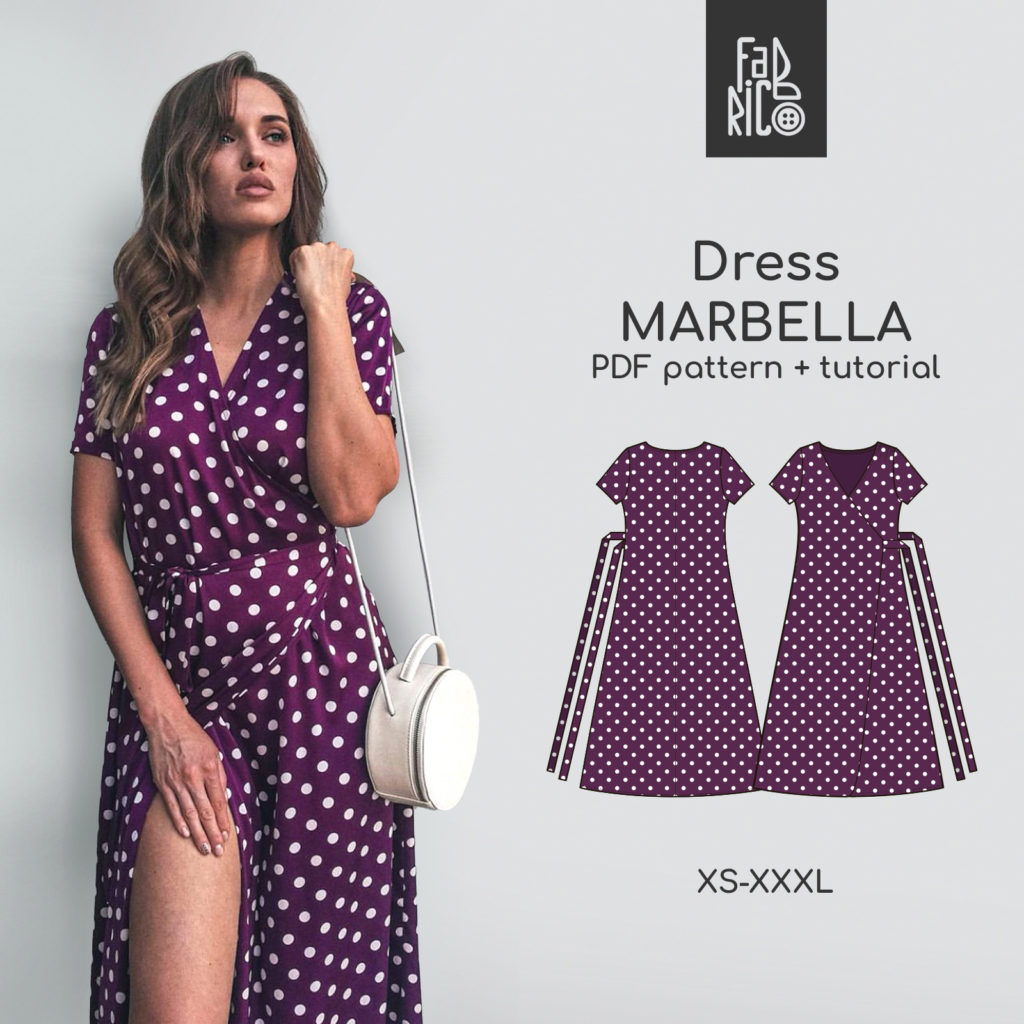
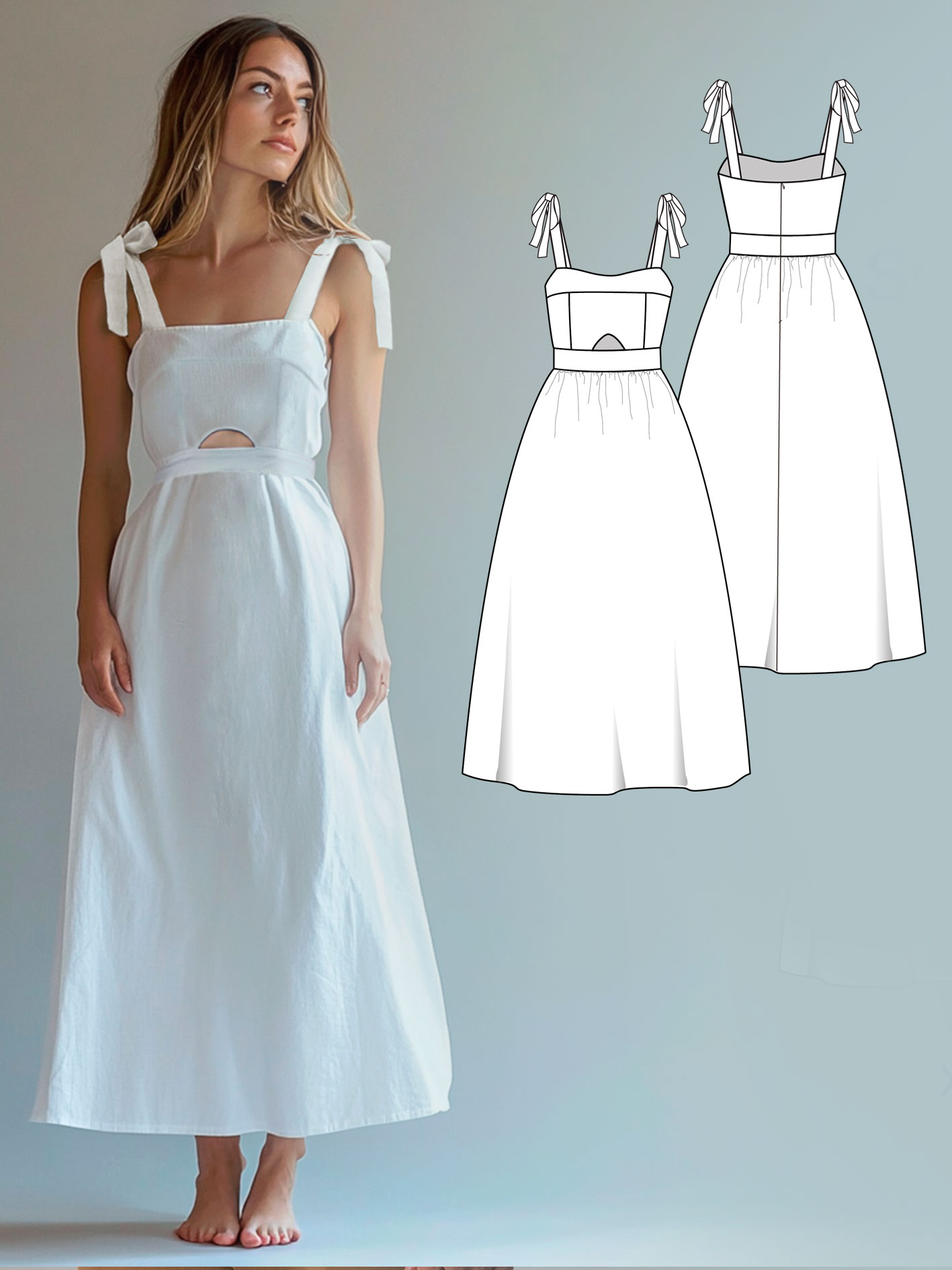
Start with these patterns
Keep reading
Thread, Click, Sew.
Free online sewing resources every beginner should know — courses, channels, and communities worth bookmarking.
Read more
Why Choosing the Right Fabric Matters
The right fabric makes a first project easier; the wrong one makes it frustrating. Here's how to choose.
Read more
Press to Impress
The ironing trick that instantly upgrades your sewing — the silent hero of every well-finished garment.
Read more
Behind the Pattern
What actually goes into the PDF that lands in your inbox — and why a well-graded pattern is worth more than its price tag.
Read more
Beyond the Seam
From sewing alone to finding your creative community — where to look and what changes when you do.
Read more
From Tossed to Treasured
A quiet revolution in sewing rooms — turning fast-fashion castoffs into the wardrobe you actually want.
Read more