
Eco-Leather

A Sustainable Revolution in Fashion

As the fashion industry shifts toward sustainability, one material has emerged as a game-changer: eco-leather. Also known as vegan leather or sustainable leather, eco- leather offers the luxurious look and durability of traditional leather while reducing environmental impact. Whether used in high fashion, streetwear, or accessories, eco- leather is redefining how we think about ethical fashion.

The Origins of Eco-Leather

Leather has been a staple in clothing and accessories for centuries, prized for its durability and timeless appeal. However, concerns about the environmental and ethical impact of traditional leather production have led to the rise of eco-friendly alternatives. The first synthetic leather, known as pleather (plastic leather), was developed in the mid-20th century using polyvinyl chloride (PVC). While it mimicked the appearance of leather, it had significant environmental drawbacks, including non-biodegradability and harmful chemical production processes.
Over time, innovations in textile engineering led to the development of polyurethane- based vegan leather, which offered greater flexibility, breathability, and a reduced environmental footprint. In recent years, advancements in bio-materials have introduced plant-based eco-leathers made from sources like pineapple fibers (Piñatex), apple peels, mushrooms (Mylo), and cactus leaves.
Today, eco-leather is at the forefront of sustainable fashion, offering a cruelty-free alternative without compromising on style or quality.

Eco-Leather in Today’s Fashion

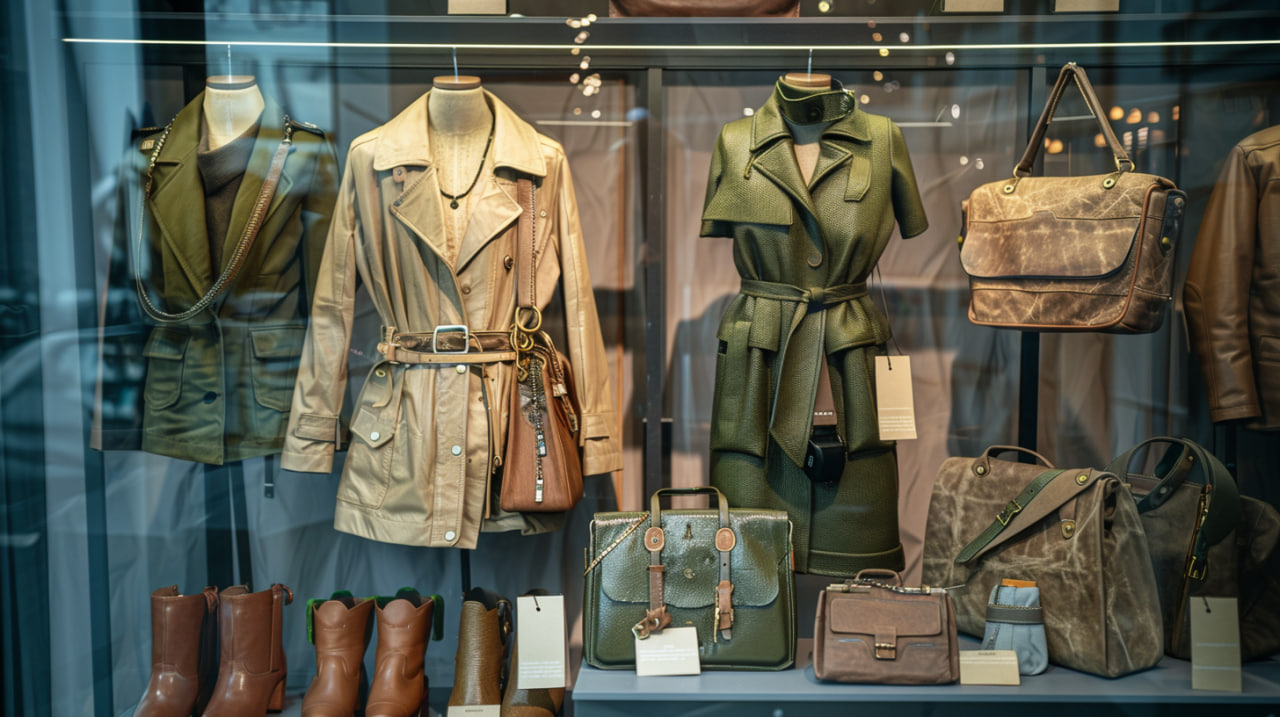
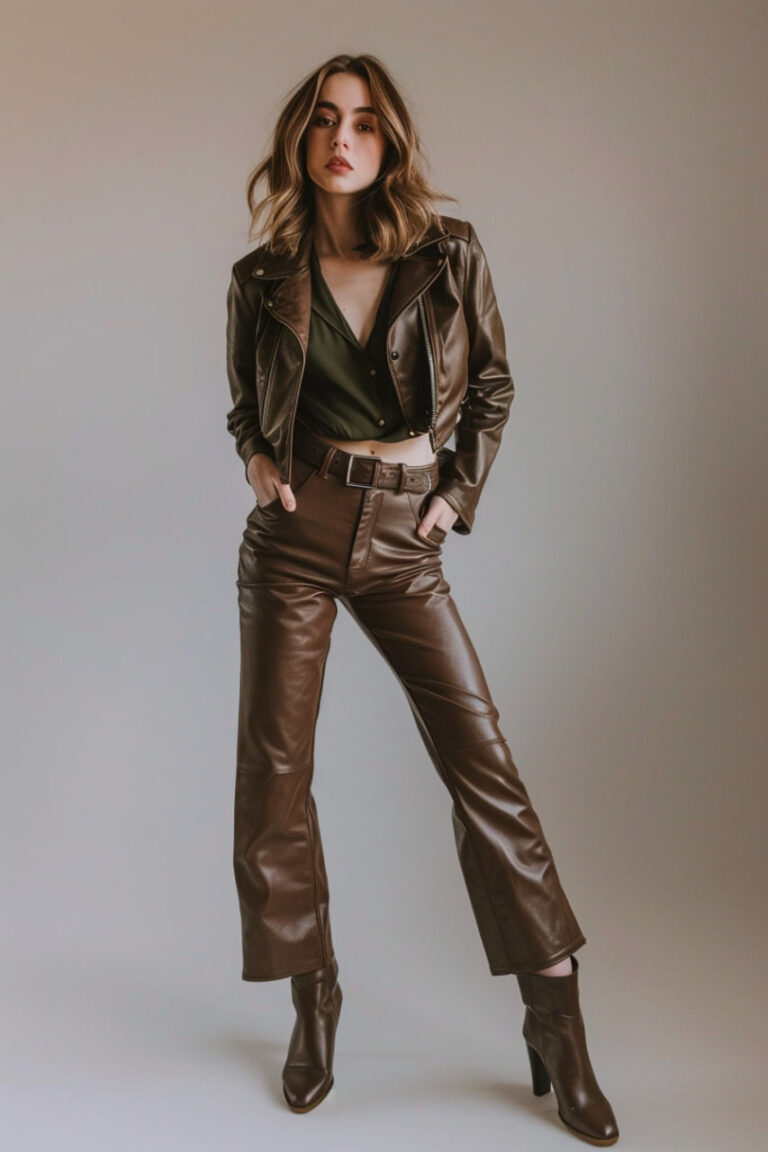
Eco-leather has become a staple in modern fashion, embraced by both luxury designers and mainstream brands.

✔ High Fashion & Luxury Brands – Designers like Stella McCartney, Gucci, and Balenciaga are incorporating eco-leather into their collections, proving that sustainability and luxury can coexist.

✔ Streetwear & Fast Fashion – Brands such as H&M, Zara, and ASOS are offering vegan leather jackets, handbags, and footwear to meet the demand for ethical fashion.

✔ Footwear & Accessories – Sneakers, boots, belts, and handbags made from eco-leather are growing in popularity, appealing to conscious consumers.

Automotive & Interior Design – The automotive and furniture industries are also shifting towards eco-leather, with brands like Tesla using sustainable alternatives for car interiors.

As eco-conscious consumers push for more ethical choices, eco-leather is proving that sustainability can be stylish, versatile, and accessible.

Comfort and Practicality of Eco-Leather

Eco-leather offers many advantages over traditional leather in terms of comfort and functionality.

Lightweight & Flexible – Unlike traditional leather, eco-leather is often lighter and more flexible, making it comfortable for everyday wear.

✔ Breathability – Plant-based and high-quality synthetic eco-leathers allow for
better airflow, reducing sweating and discomfort.

Durability & Water Resistance – Many types of eco-leather are water-resistant, making them more practical for various weather conditions.

✔ Easy Maintenance – Unlike traditional leather, which requires regular
conditioning, eco-leather is easier to clean and maintain.

Hypoallergenic Properties – Since eco-leather does not require animal tanning chemicals, it is often more suitable for people with sensitive skin. While some lower-quality synthetic leathers may not be as durable as real leather, technological advancements continue to improve the strength and longevity of eco- friendly alternatives.

The Many Designs of Eco-Leather

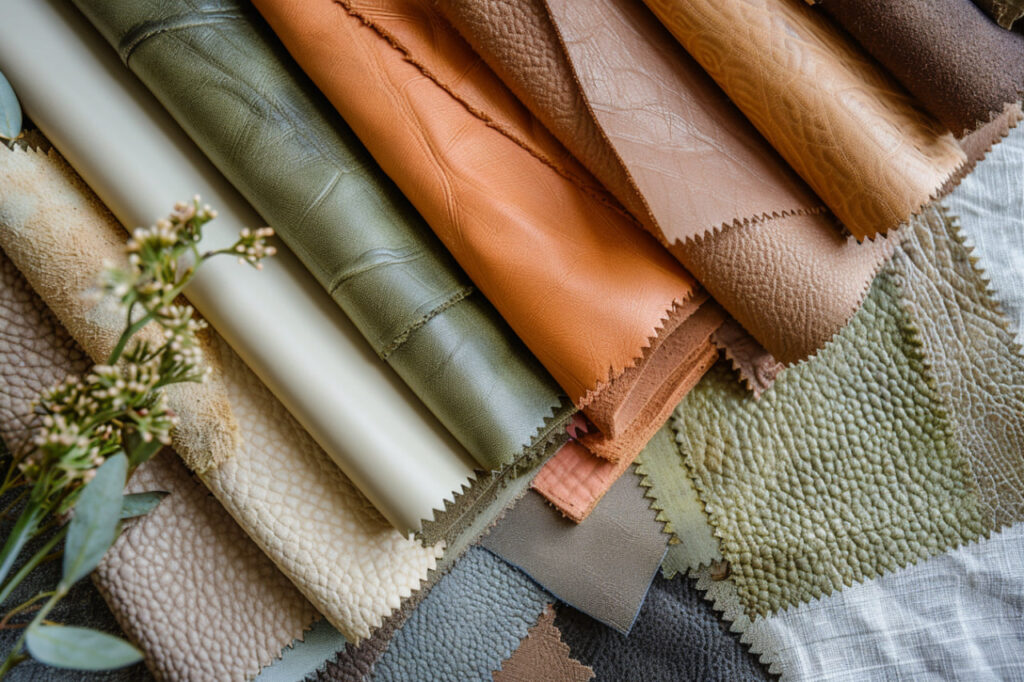
Eco-leather comes in a variety of textures, finishes, and styles, making it an exciting material for designers.

Smooth & Matte Finishes – Perfect for elegant handbags, jackets, and
footwear, offering a sleek, modern look.

Textured & Embossed Designs – Some eco-leathers mimic the grain and patterns of real leather, providing a classic aesthetic.

Metallic & High-Gloss Styles – Popular in futuristic fashion, adding a bold and edgy touch to accessories and outerwear.

Suede-Like Alternatives – Soft and velvety eco-suede options are widely used
in shoes, jackets, and upholstery.

Recycled & Upcycled Leather – Some brands use repurposed materials to create unique, one-of-a-kind designs with a lower environmental impact.

Whether for fashion-forward statement pieces or timeless wardrobe staples, eco-leather continues to expand its creative possibilities.

The Future of Eco-Leather

With sustainability taking center stage in fashion, the future of eco-leather looks promising. Innovations in biomaterials and circular fashion practices are set to enhance the quality and availability of eco-leather products.

✔ Bio-Based Materials – Scientists are developing mushroom leather (Mylo), lab-grown leather, and algae-based textiles, offering biodegradable and sustainable alternatives.

✔ Zero-Waste Production – Companies are optimizing production methods to reduce waste and increase efficiency.

Customizable & 3D-Printed Leather – Future technology may allow for tailored eco-leather textures and patterns, reducing excess production and waste.

✔ Luxury Sustainability – As more high-end brands commit to sustainable practices, eco-leather will become a premium material of choice.

A New Standard in Ethical Fashion

As designer Stella McCartney once said, “Sustainability is no longer an option, it’s a necessity.” Eco-leather represents a shift towards a more responsible and forward-thinking fashion industry.
From its historical origins in synthetic alternatives to its present-day innovations in plant- based materials, eco-leather is setting new standards for luxury, comfort, and design. As consumers continue to demand ethical and sustainable fashion choices, eco-leather is proving that style and sustainability can go hand in hand.

Want some more? Here...

Press to Impress

The Ironing Trick That Instantly Upgrades Your Sewing
There’s a silent hero in every well-sewn garment, and it’s not the machine, the fabric, or even the hands that stitched it. It’s the iron. While it may seem mundane compared to the thrill of cutting fabric or the satisfaction of topstitching, pressing is one of the most powerful tools in your sewing arsenal. And yet,it’s often skipped or rushed, especially by beginners eager to see a project come together.

Read more

Pajamas as Outerwear

Pajamas as Outerwear: The Rise of Relaxed Luxury in Fashion

Pajamas have long been associated with comfort, relaxation, and bedtime rituals.

Read more