Press to Impress

The Ironing Trick That Instantly Upgrades Your Sewing

There’s a silent hero in every well-sewn garment, and it’s not the machine, the fabric, or even the hands that stitched it. It’s the iron.
While it may seem mundane compared to the thrill of cutting fabric or the satisfaction of topstitching, pressing is one of the most powerful tools in your sewing arsenal. And yet,it’s often skipped or rushed, especially by beginners eager to see a project come together. The result? Garments that look homemade, not handmade—and yes, there’s a difference.
If you want your work to look clean, crisp, and professionally finished, learning when and how to press is the secret weapon that will instantly elevate your sewing.

Pressing vs. Ironing: Know the Difference

First, let’s clear up a common misconception: pressing is not the same as ironing.

  • Ironing is what you do to remove wrinkles from a shirt—sliding the iron back and forth.
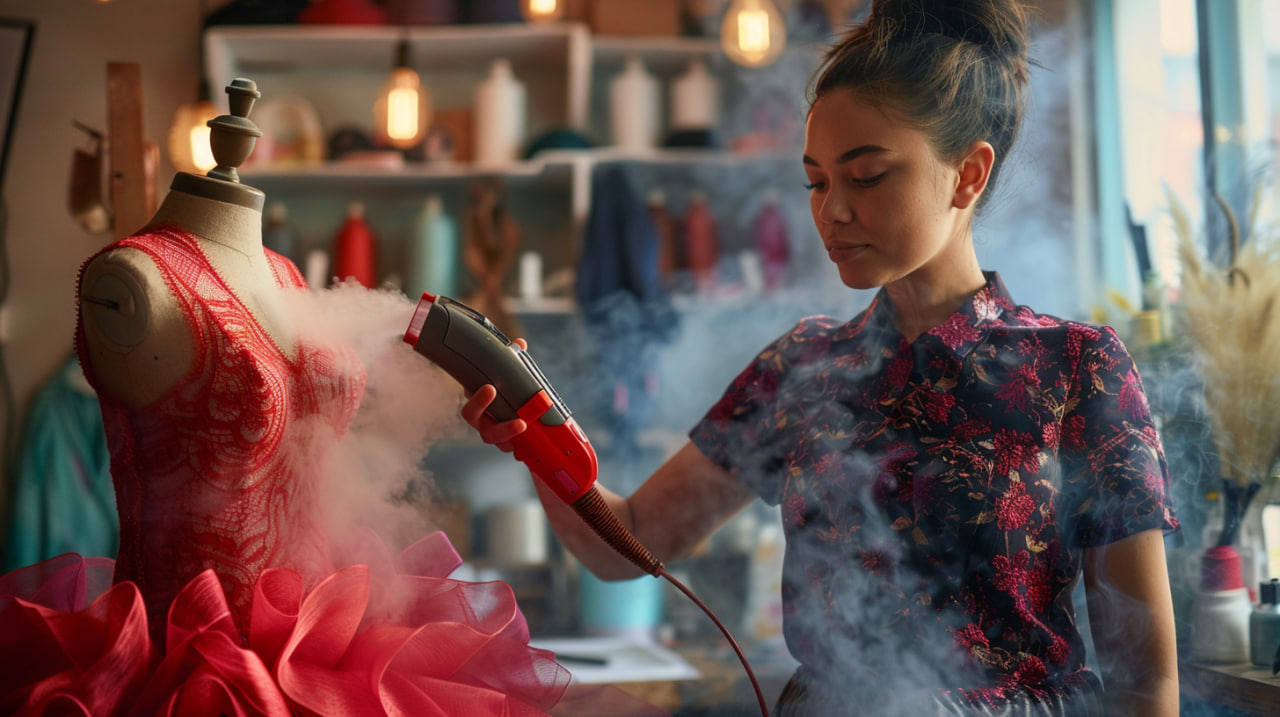
  • Pressing is a deliberate motion used in sewing—lifting and lowering the iron to apply heat and steam to a specific area without stretching or warping the fabric.

Pressing is about shaping, setting stitches, and creating structure. It’s not optional. It’s part of the construction process.

What Happens When You Skip It?

Skipping pressing during sewing can lead to:

  • Bulky, puffy seams that won’t lie flat.
  • Stretched or warped fabric, especially on curves.
  • Uneven hems and misaligned darts.
  • A general “homemade” look that lacks polish.

Even if your stitches are straight and your pattern is perfect, unpressed seams will betray the hours you spent sewing. Pressing flattens the thread into the fabric, blends the seam, and helps the garment mold to the body better.

Press As You Sew: The Golden Rule

The most important ironing tip in sewing? Press every seam as you go.

This means:

  • After sewing each seam, press it flat as stitched. This sets the stitches.
  • Then, press the seam open or to one side, depending on your pattern instructions.
  • For darts, pleats, hems, and collars—press them into shape before final assembly.

It might feel time-consuming, but skipping these steps often leads to more time spent fixing issues later—or worse, starting over.

Tools of the Trade: Your Ironing Arsenal

You don’t need fancy tools to press like a pro, but having the right ones on hand makes a huge difference:

  • Steam Iron – A good-quality iron with adjustable steam settings is essential. Steam helps relax fibers and set shapes.
  • Pressing Cloth – Prevents shine or scorch marks, especially on delicate or synthetic fabrics.
  • Tailor’s Ham – Perfect for pressing curves like bust darts or sleeve caps.
  • Seam Roll – Helps press open narrow seams without creating ridge lines.
  • Clapper – A wooden block that sets creases and flattens seams as they cool—great for crisp collars and cuffs.

The Trick That Changes Everything: The “Steam and Set” Method

Here’s the professional pressing trick that will immediately upgrade your sewing:
1. Apply steam to the seam or area you’ve just sewn.
2. Press firmly with your iron (without dragging) to flatten and shape.
3. Immediately hold a clapper or even a folded towel on the seam as it cools.

Fabric hardens into shape as it cools. Trapping the heat under a flat surface compresses the fibers, creating ultra-sharp seams and edges. This is how tailors and couture sewists get such precise finishes.

Pressing by Fabric Type

Different fabrics need different pressing techniques:

  • Cotton & Linen – Love heat and steam. Use high heat with a pressing cloth.
  • Silk & Synthetics – Are heat-sensitive. Use low heat and always use a pressing cloth.
  • Wool – Responds beautifully to steam. Use a wool pressing cloth and a clapper
    for sharp creases.

Always test on a scrap of your fabric before pressing the actual garment—especially with delicate or textured materials.

Final Press: The Finishing Touch

Once your garment is complete, give it a final all-over press, focusing on hems,
facings, and seams. This last step pulls everything together and makes your work look clean, intentional, and ready to wear.
If you’re photographing or gifting your handmade piece, a good press can make it look store-bought—even when it’s proudly made at home.

Pressing Is Power

In sewing, the little things often make the biggest difference. An iron may not be as exciting as a new fabric haul, but it holds the power to transform a basic garment into a beautifully finished piece.
So next time you’re tempted to skip the pressing step, remember this: a well-pressed seam is the hallmark of a skilled sewist. It’s not just about flattening fabric—it’s about adding structure, style, and finesse to everything you create.
Because in the world of sewing, polish isn’t in the pattern—it’s in the pressing.

share this post:

Facebook
Pinterest
Telegram
Reddit
LinkedIn
Pocket

Want some more? Here...

Pajamas as Outerwear

Pajamas as Outerwear: The Rise of Relaxed Luxury in Fashion

Pajamas have long been associated with comfort, relaxation, and bedtime rituals.

Read more

Overalls

Overalls
From Workwear to Fashion Staple
Overalls, once a symbol of hard labor and practicality, have evolved into a bold fashion statement worn by people of all ages and styles. Once strictly utilitarian, today’s overalls blend comfort, functionality, and trendiness, appearing in everything from streetwear to high fashion.

Read more